Lost Dog? The First 60 Minutes — and How a Tap-to-Call Tag Changes Everything
 Shiloh’s House Team
·
·
4 min read
Shiloh’s House Team
·
·
4 min read
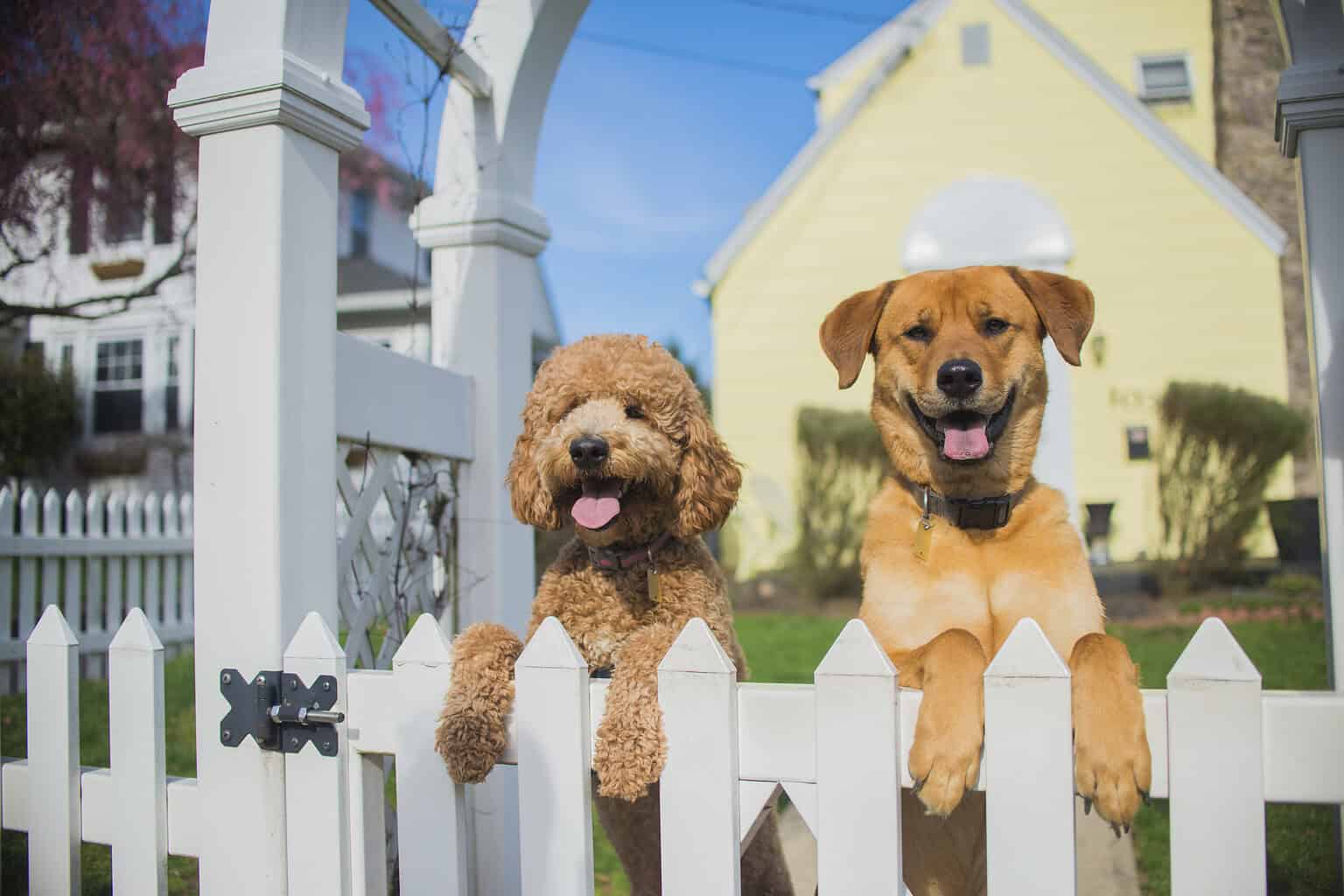
The moment you realize your dog is gone, your brain stops working the way you need it to. Panic narrows your thinking right when you need it widest. So the most useful thing we can give you isn’t reassurance — it’s a clear order of operations you can follow even while your heart is pounding. Bookmark this page now, before you ever need it. Most dogs are found close to home and soon after going missing, and a calm, fast first hour is the single biggest factor in a quick reunion.
Minutes 0–10: Search the immediate area — loudly, but calmly
Most dogs don’t bolt for miles in the first few minutes. They investigate what’s nearby. Walk — don’t sprint, which can trigger a chase reflex or frighten an already-spooked dog — through the immediate area: your street, neighboring yards, the direction they were last headed. Call their name in a happy, relaxed voice, not a frightened one. A scared tone can make an anxious dog hide instead of come to you. Bring a squeaky toy or a bag of treats you can shake; the sound often carries further than your voice and means something good to them.
If someone is with you, split up and cover opposite directions. Have one person stay at the house — dogs frequently circle back to where they started.
Minutes 10–25: Widen the perimeter and leave a scent anchor
If the quick sweep doesn’t work, expand outward. Check the places your dog associates with good things: the park you walk to, a friend’s yard they love, your usual walking route. Dogs travel along familiar paths far more than random ones.
Then do something many people don’t think of: leave a scent anchor at home. Place your dog’s bed, a worn t-shirt of yours, or their water bowl just outside your front door or gate. A dog working its way back toward home will often settle and wait near a strong, familiar smell rather than keep wandering. Prop the gate open if it’s safe to do so.
Minutes 25–40: Mobilize other people
You can’t be everywhere, so recruit eyes fast. In rough priority order: text your immediate neighbors with a clear photo and your phone number. Post in your neighborhood app or local lost-pet groups — a current photo, the location last seen, and the time. Call nearby veterinary offices and the local shelter or animal control; found pets are often brought straight to them, and you want your number on file before your dog arrives, not after.
Keep your phone line open and the ringer up. This is the single most important practical detail of the entire hour, and it’s the one panic makes people forget.
Minutes 40–60: Cover the routes out
If your dog still hasn’t turned up, think about exits — the roads, trails, or open spaces that lead away from your immediate area — and check or post people along them. Bring the treats and the squeaky toy with you. If you spot your dog at a distance, resist the urge to run toward them. Crouch, turn slightly sideways, talk softly, and let them come to you. Chasing a frightened dog almost always pushes them further away, sometimes toward danger.
The detail that decides how this story ends

Here’s the uncomfortable truth running underneath every minute above: almost every step assumes you are the one doing the finding. But statistically, the fastest reunions don’t happen because the owner searched well. They happen because a stranger found the dog first — and could instantly tell who to call. (The numbers back this up — see our 2026 lost pet statistics for what actually gets pets home.)
That’s the entire job of an ID tag, and it’s why a tag’s quality isn’t a vanity question. Picture the person who finds your dog. Best case, they see a clearly readable name and number, grab their phone, and call. But that depends on the tag still being legible — and cheap tags fade fast (we cover exactly why in this piece on tag fading). It also depends on them having a moment, the willingness, and a way to act right then.
Now picture the same moment with a tap-to-call tag. The finder doesn’t have to read tiny worn lettering, find a pen, or type anything. They tap their phone to the tag and your contact details come up instantly — no app for them to download, nothing to figure out. The search you’ve been frantically running ends with a phone call you didn’t have to make happen. That single tap can collapse a 60-minute crisis into a 60-second one.
This is why every Shiloh’s House tag carries your pet’s name, phone, and address in a crisp, no-fade finish and built-in NFC for that instant tap-to-reach connection — the readable tag for the person who’ll call, the tap for the person who’d rather not type, with no subscription that can lapse at the worst possible time. (We break down how these layers fail differently in our honest NFC vs QR vs engraved guide.)
Before you ever need the first 60 minutes
The best version of this entire article is the one you never have to use, because the finder reached you in the first five minutes. You can’t control whether your dog ever slips out. You can control whether the person who finds them can reach you instantly. Design a Shiloh’s House tag today — and bookmark this guide so a future, panicked version of you has a calm plan to follow.
If your pet is missing right now, step away from this page and start with Minutes 0–10 above. You’ve got this.
Featured photo by Julian Hochgesang on Unsplash.
Get Your Tag
Give your pet a safety net that actually brings them home — a personalized NFC smart pet ID tag paired with the free Lohji™ app.
Shop Smart Pet Tags →