Best Pet Tags for Dogs and Cats in 2026: What to Look For
 Shiloh’s House Team
·
·
5 min read
Shiloh’s House Team
·
·
5 min read

Pet tag shopping in 2026 is overwhelming. Walk into any pet store or scroll through Amazon and you’ll find hundreds of options at every price point — most of them looking suspiciously similar but performing very differently. Here’s the buyer’s checklist that actually matters: what to look for, what to skip, and how to know you’re making a real upgrade instead of just changing the color.
The 7 Things That Make a Pet Tag Actually Good
1. NFC smart tag capability
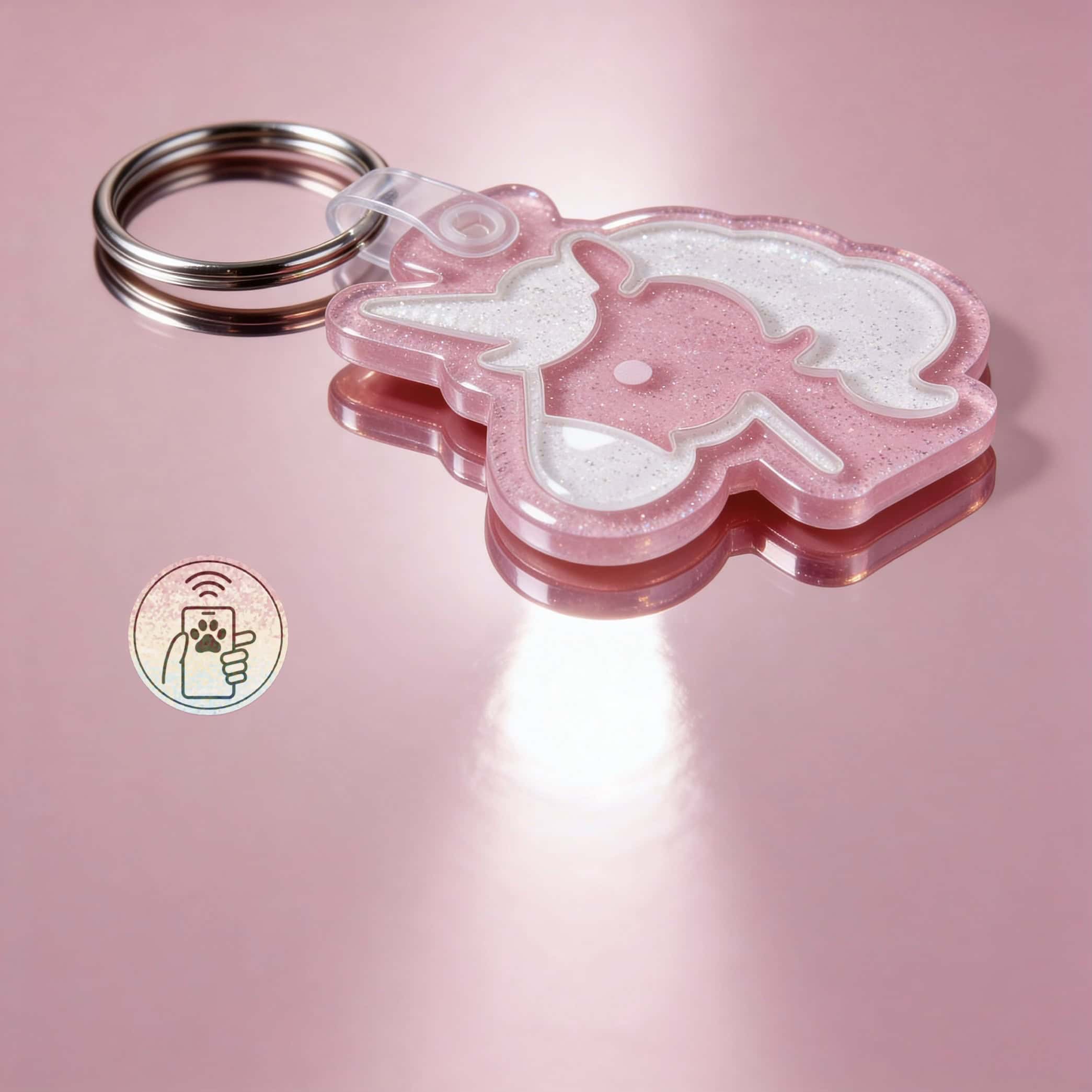
This is the biggest differentiator in the modern pet tag market. NFC chips embedded in the tag let any smartphone instantly access your pet’s full profile — multiple emergency contacts, medical alerts, behavior notes, even a voice message from you. The chip costs the manufacturer cents to include, so any premium tag in 2026 should have it. If a tag lacks NFC, you’re buying yesterday’s technology.
2. HD laser engraving (not stamped or printed)
Stamped or printed engraving wears down. Within a year of daily wear, the phone number on a stamped tag is often illegible. HD laser engraving on premium acrylic stays crisp for the life of the tag. Look for “HD” or “laser” specifically — words like “deep engraved” or “premium printed” usually mean shallower work that won’t last.
3. Premium acrylic construction
Acrylic is the material that enables most of the modern tag features (NFC, custom shapes, vibrant colors, lightweight wear) without sacrificing durability. Premium cast acrylic is impact-resistant, UV-stable, and waterproof. Avoid cheap injection-molded plastic that yellows or cracks within a year.
4. Right size for your pet
A tag too big is uncomfortable; a tag too small is unreadable. Match tag size to your pet’s weight class — smaller tags for cats and toy breeds, larger tags for big dogs. Look for sizing guides on the product page rather than a one-size-fits-all approach.
5. Updateable info
Static engraved tags become stale the moment your phone number changes or you move. See our evergreen guide to the best pet tags for dogs and cats for current picks. Modern smart tags solve this by storing the editable info in a cloud profile (like Lohji) that you update through an app. The data on the tag stays current forever — no re-engraving, no replacement.
6. Backup engraved info on the tag itself
Smart tags should still have the basics engraved on the front — typically your phone number — for finders without smartphones or in cases where the chip somehow fails. Layered safety beats single-point reliance.
7. Made by a real brand, not a no-name dropshipper
Pet tag scams and low-quality knockoffs flood Amazon and Etsy. A real brand has a website, a customer service team, return policies, and skin in the game. If a “smart tag” is $4 with no brand name attached, the chip might not even work.
Red Flags That a Tag Isn’t Worth Buying
“Lifetime warranty” with no company behind it
If the seller is a dropshipper with no website outside Amazon, the warranty is fake. Buy from real brands with real customer support.
Vague material descriptions
“Premium metal” or “high-quality plastic” without specifying the actual material is a red flag. Real brands tell you exactly what the tag is made of (cast acrylic, 304 stainless, 6061 aluminum, etc.).
No NFC at the same price point
If a non-NFC tag costs the same as an NFC tag, you’re paying for a worse product. NFC adds capability at minimal cost; not having it in 2026 is a downgrade.
No verified-purchase reviews
Legitimate brands have verified-purchase reviews — reviews tied to an actual confirmed order, not anonymous star ratings anyone can post. Check for a verified badge on the reviews themselves, look for specific detail (a pet’s name, how long they’ve had it, what shipping was like) rather than one-line praise, and be suspicious of a wall of five-star reviews all posted in the same week. No reviews at all, or reviews with no purchase verification behind them, means you have no way to confirm anyone has ever actually received the product.
Tags that ship from overseas with vague delivery dates
Quality control on overseas dropshipping is wildly inconsistent. Buy from US-based brands with traceable manufacturing.
Best Tag Type by Pet Type

For active dogs (runners, swimmers, agility)
Look for slide-on acrylic NFC tags. Silent, snag-proof, waterproof, and smart. Mount flush against the collar.
For indoor/outdoor cats
Lightweight extra-small acrylic NFC tags on a breakaway collar. Cats are sensitive to weight, so go small. NFC matters because cats are more likely to be picked up by neighbors than taken to a vet.
For senior pets
Medium acrylic NFC tags with prominent medical alert engraving. Detailed med info goes in the profile. Bright colors help neighbors spot a confused senior pet.
For working/service dogs
Medium to large acrylic NFC tags with “SERVICE DOG” engraving and handler contact info in the profile.
For multi-pet households
Coordinated acrylic tag sets with NFC. Each pet has their own profile and unique tag, but the visual style ties them together.
Common Questions
How much should a good pet tag cost in 2026?
A basic engraved metal tag runs $10-$25. A true smart tag — NFC chip plus a real app on the App Store and Google Play behind it — runs $30-$60, and that range reflects the app development, hosting, and profile infrastructure that keep the tag working for years. If you’re spending under $10, you’re getting a basic stamped tag that won’t last a year of daily wear. And watch for tags in the smart-tag price range that charge an ongoing subscription on top — a well-built smart tag shouldn’t need one.
Are smart tags worth the upgrade if my pet doesn’t get lost?
That’s the trap — pets who “never get lost” are the ones whose people are surprised when they do. The smart tag is a one-time $30-$60 and works for years; the alternative is the worst possible outcome on the wrong day. Easy math.
Should I get a tag from my vet’s office or buy online?
Vets typically offer basic engraved metal tags as a courtesy — not premium smart tags. For real safety upgrades, buy from a dedicated pet tag brand that specializes in smart tag technology.
The Bottom Line
A great pet tag in 2026 has NFC, HD engraving, premium acrylic, the right size, updateable cloud info, engraved backup, and a real brand behind it. Anything less is yesterday’s tag at today’s prices. Don’t compromise on safety basics — your pet’s life potentially depends on the thing you’re picking out for $25.
Smart pet tags. Beautifully designed. Built to bring them home.
Premium acrylic NFC tags paired with the free Lohji app. Update from anywhere. No subscription. No batteries.
Shop Smart Pet Tags →