Best Wet Cat Food of 2026: Tiki Cat vs Weruva vs Fancy Feast vs Sheba
 Shiloh’s House Team
·
·
6 min read
Shiloh’s House Team
·
·
6 min read

The best wet cat food for most cats in 2026 is a complete-and-balanced paté your cat will reliably eat — and Fancy Feast Classic Paté wins that test more often than food twice its price. If you want higher protein and fewer fillers, Tiki Cat and Weruva are the premium picks. If you have a picky cat, texture matters more than brand. Below: how the big five compare, and the one label line that matters more than the ingredient list.
Why wet food at all?
Because cats are terrible drinkers. Cats evolved in dry environments getting most of their water from prey, and they do not respond to mild dehydration by drinking much more. Canned food typically runs around 75–78% moisture versus roughly 10% for kibble, which is why vets so often recommend wet food for cats with a history of urinary issues or kidney disease. It is also lower in carbohydrate and easier to portion for weight control.
None of that means kibble is bad. A mixed feeding routine — wet once or twice a day, measured dry the rest — is a perfectly reasonable middle ground, and it is what a lot of vets feed their own cats.
Best wet cat food of 2026, compared
Short version: Fancy Feast for value and palatability, Tiki Cat for protein, Weruva for whole-meat texture, Sheba for portion control, Purina Pro Plan for a vet-formulated middle ground.
| Brand | Typical texture | Price band | Best for |
|---|---|---|---|
| Fancy Feast Classic Paté | Smooth paté | $ | Everyday feeding, picky cats, pill-hiding, cats on a budget |
| Tiki Cat (Luau, After Dark) | Shreds in broth | $$$ | High-protein, low-carb feeding; cats who like broth |
| Weruva / Cats in the Kitchen | Whole cuts and shreds in gravy | $$$ | Cats who need extra moisture; visible-meat texture |
| Sheba Perfect Portions | Paté or cuts in gravy | $$ | Single-cat homes; zero leftovers, zero fridge smell |
| Purina Pro Plan wet | Paté and chunks | $$ | Owners who want feeding trials and a big vet-nutrition team behind the label |
| Royal Canin / Hill’s wet | Loaf, thin slices in gravy | $$–$$$ | Cats with a diagnosed condition needing a therapeutic diet |
Price bands are relative cost per ounce, not exact prices — wet food pricing moves constantly and varies by retailer. We do not sell cat food and earn nothing from any of these brands.
The one label line that matters most

This is the difference between a meal and a topper. Several premium lines — including some varieties inside otherwise excellent brands — are labeled “for intermittent or supplemental feeding only,” which means they are not formulated to be a cat’s entire diet. It is printed in small type, usually on the back near the feeding guide, and it changes by variety within the same brand. Check the specific can, not the brand.
Second most useful line: “animal feeding tests using AAFCO procedures” beats “formulated to meet.” Both are legitimate; the first means the food was actually fed to cats.
Best for picky cats
Change the texture before you change the brand. Cats form strong texture preferences early, and a cat who refuses shreds in gravy will often inhale the same protein as a smooth paté. Work through the four textures — paté, minced, shreds in gravy, chunks in broth — before you conclude your cat “hates” a food.
Two more things that move the needle: warm the food slightly (body temperature releases aroma, and cats eat with their nose), and serve it on a wide, shallow dish so their whiskers are not pressed against the sides. If your cat still walks away from everything, that is a vet conversation — sudden pickiness is a classic early sign of dental pain or nausea, not fussiness.
Best for hydration and urinary health
You can also stir a tablespoon of water into paté — most cats do not notice. Pair it with running water: our best cat water fountains of 2026 guide covers which ones cats actually use rather than ignore.
If your cat has started urinating outside the box, do not treat it as a food problem first — it is a medical problem until proven otherwise. Our guide to why cats pee outside the litter box covers the eight real causes and the order to rule them out.
How much wet food does a cat need?
Most adult cats need roughly 20–33 calories per pound of ideal body weight per day, which for a typical 10 lb cat lands near 200–280 calories. A standard 3 oz can of paté usually falls somewhere between 70 and 100 calories, so two to three cans a day is a common all-wet routine — but the calorie count is printed on the can and varies a lot, so use that number rather than a rule of thumb. Indoor, neutered and senior cats generally need less than the label suggests.
Feeding two or three small meals suits cats better than one large one. If your schedule fights that, a timed feeder helps — the wet-capable models in our best automatic pet feeders roundup include ice-pack compartments for exactly this.
How to switch foods without a hunger strike
Go slow — 7 to 10 days, mixing a little more new food each day. Cats are famously neophobic about food, and an abrupt switch can trigger a refusal that lasts days. That matters more for cats than dogs: a cat who stops eating entirely for more than about 48 hours is at real risk of hepatic lipidosis. Never starve a cat into accepting a new food, and call your vet if they skip two full days.
If you are setting up feeding for a brand-new cat, our new kitten checklist covers the first-week routine.
Frequently asked questions
Is wet cat food better than dry?
For hydration and carbohydrate content, yes. For dental health, cost and convenience, dry has the edge. A mix of both is a defensible choice for most healthy cats.
Is Fancy Feast actually good cat food?
The Classic Paté line is complete and balanced, high in animal protein, low in carbohydrate and extremely palatable. It is not fancy, but it is a genuinely solid everyday food and many vets say so openly.
Is Tiki Cat or Weruva better?
Tiki Cat generally runs higher in protein and lower in carbohydrate; Weruva runs higher in moisture with more visible whole-meat texture. Choose by what your cat will eat — and check the AAFCO statement on the specific variety, because both brands sell some supplemental-feeding formulas.
Can I leave wet food out all day?
No. Discard uneaten wet food after about four hours at room temperature (less in summer). Refrigerate opened cans, use within two to three days, and let it come back to room temperature before serving.
Does grain-free matter for cats?
Not much. Cats are obligate carnivores and do not need grain, but grain is not the villain it is marketed as — total carbohydrate and protein quality matter more than whether the carbs came from rice or potato.
Should kittens eat wet food?
Yes, and generously. Kittens need a food labeled for growth or all life stages, and wet food supports both hydration and the higher calorie needs of a growing kitten.
One thing that has nothing to do with food
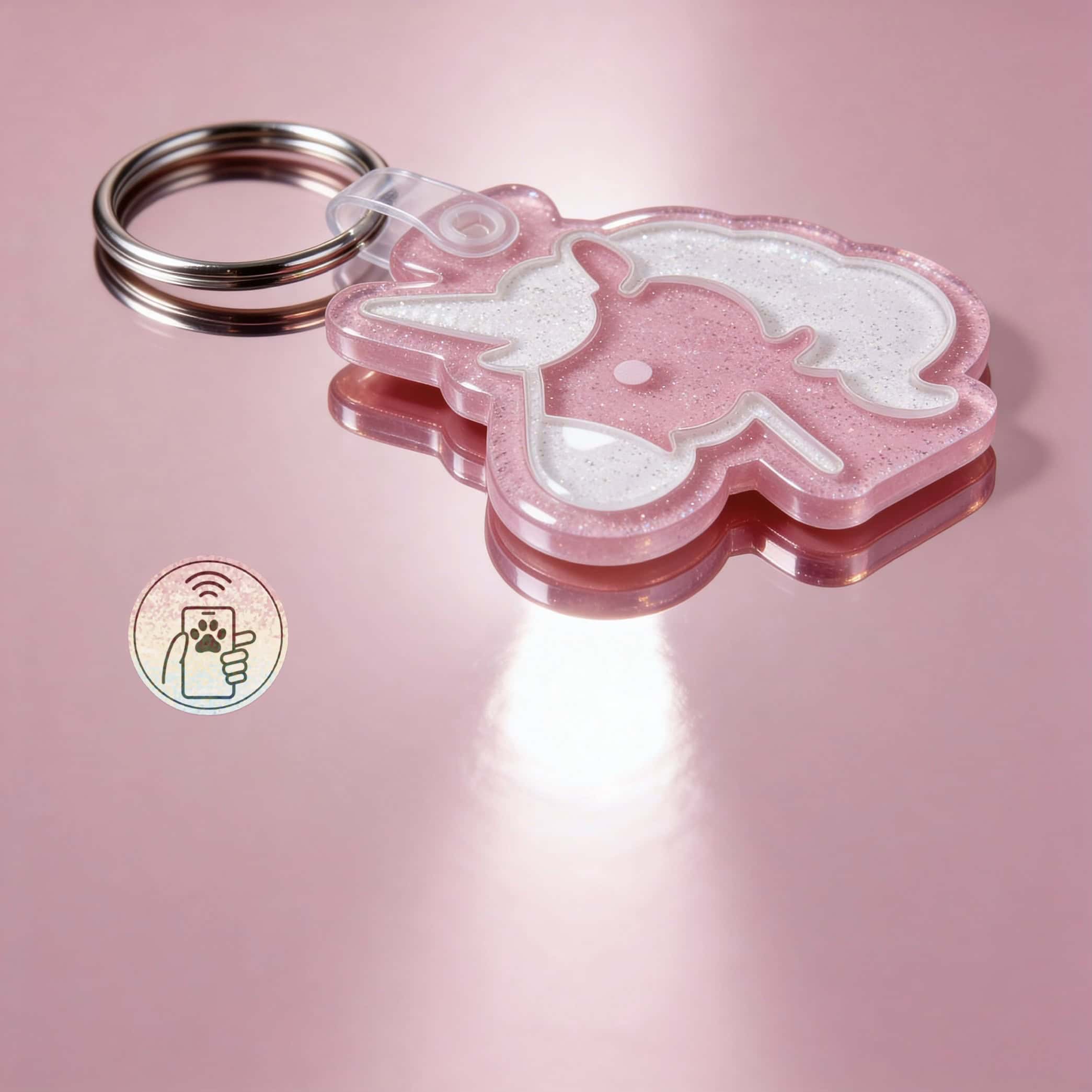
Indoor cats are the ones who go missing without a plan, because nobody expects it — a contractor props a door, a screen gives out, and a cat who has never been outside is suddenly three yards over with no collar. Visible ID is what turns a found cat into a returned cat. Our $38 designer acrylic NFC tags are light enough for a breakaway collar and open your cat’s profile with one phone tap — no app for the finder — with your number engraved on the back. We make them, so weigh that accordingly, but the case for cat ID stands on its own: see what cat parents actually need from an ID tag.
Get Your Tag
Light enough for a breakaway collar, tough enough to outlast the food bowl — $38, no subscription, ever.