Best Kitten Food of 2026: Purina Pro Plan, Royal Canin, Hill’s & Wellness Compared
 Shiloh’s House Team
·
·
5 min read
Shiloh’s House Team
·
·
5 min read
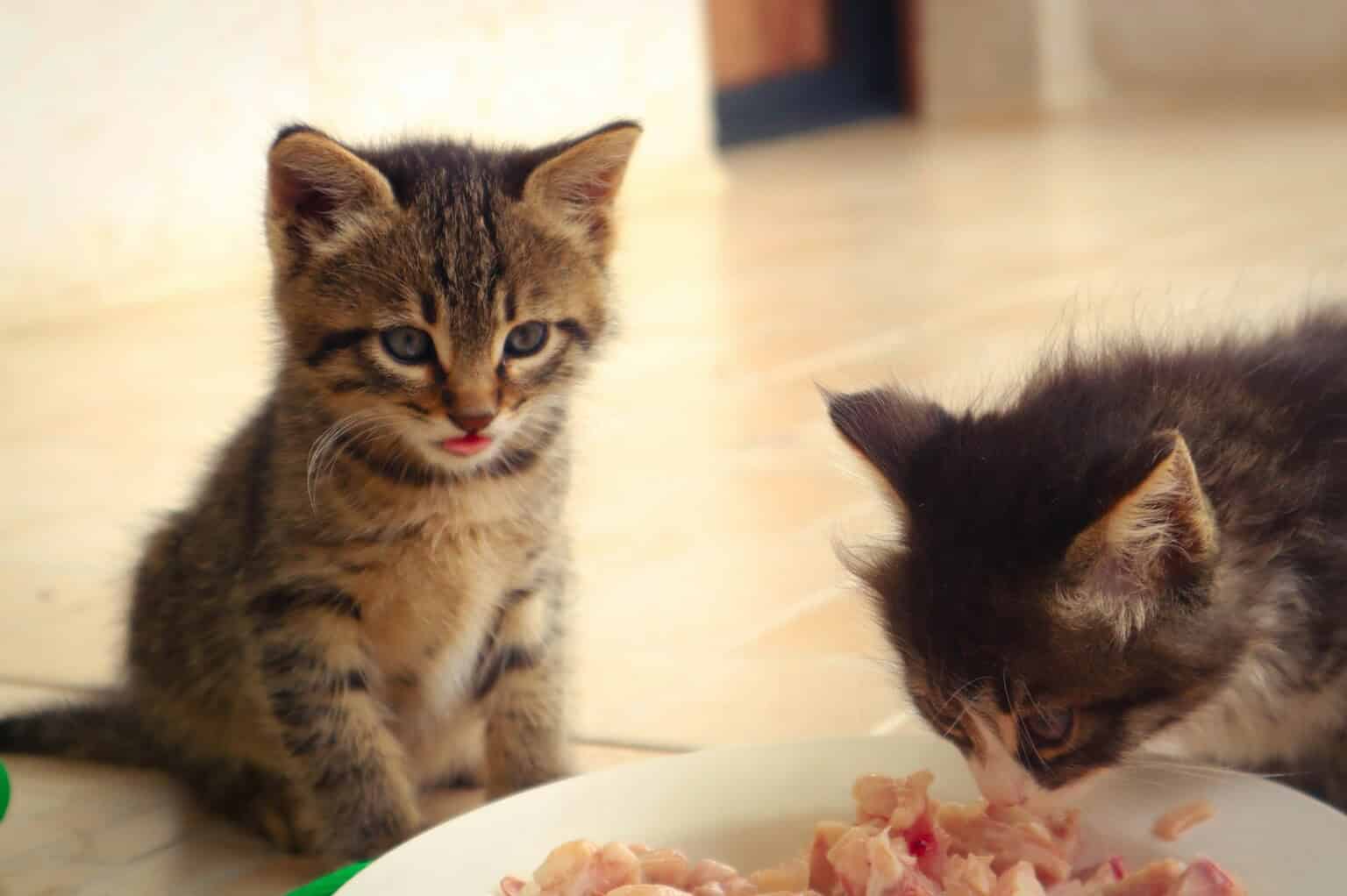
The best kitten food is any complete diet formulated for growth, from a company that employs veterinary nutritionists and runs feeding trials. In practice that means Purina Pro Plan Kitten, Royal Canin Kitten or Hill’s Science Diet Kitten for most households, with Wellness Complete Health Kitten and Tiki Cat Baby as strong grain-free and high-moisture alternatives. Kittens need roughly twice the calories per pound that adult cats do, so the label matters far more than the marketing.
How to read a kitten food label in 10 seconds
Flip to the AAFCO nutritional adequacy statement and look for the word “growth” or “growth and reproduction.” If it says “adult maintenance,” it is not kitten food, no matter what the front of the bag shows. “All life stages” is fine — that formulation includes growth.
Two more signals worth ten seconds each: is the food “formulated to meet” the profile, or was it tested in an actual feeding trial? Feeding trials are the stronger evidence. And does the brand employ a full-time board-certified veterinary nutritionist? The big three below all do; many boutique brands do not.
Best kitten food of 2026 compared
| Food | Best for | Strengths | Watch-outs |
|---|---|---|---|
| Purina Pro Plan Kitten | Best overall | Feeding-trial tested, high protein, added DHA, widely stocked and affordable | Many sub-lines; make sure the bag says Kitten |
| Royal Canin Kitten | Fussy eaters and small mouths | Kibble shaped for tiny jaws, excellent wet-food range, breed-specific options | Premium price |
| Hill’s Science Diet Kitten | Vet-clinic consistency | Long research record, very consistent formulas, easy transition to Hill’s adult | Less exciting to picky kittens |
| Wellness Complete Health Kitten | Grain-free preference | Named meat first, good wet and dry pairing | Smaller nutrition team than the big three |
| Tiki Cat Baby | High-moisture feeding | Very high moisture and protein, mousse texture kittens usually love | Costly as a sole diet for a growing litter |
Wet or dry kitten food?
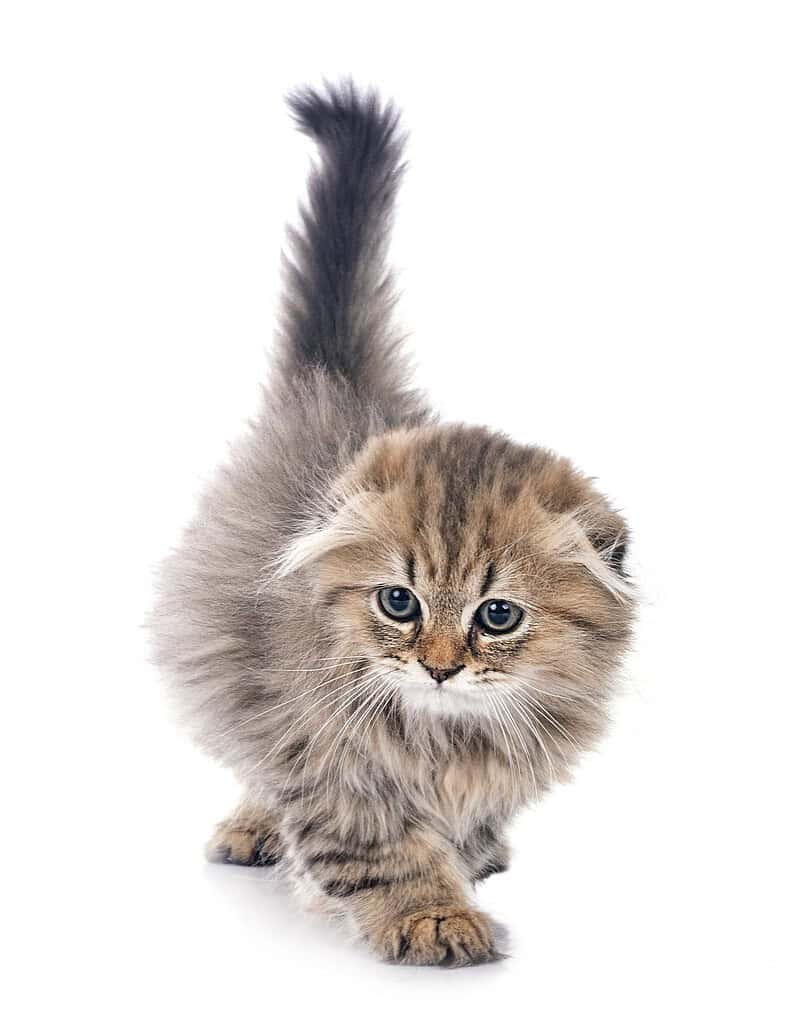
The best answer for most kittens is both. Wet food carries far more moisture, which supports urinary health in a species that evolved to get most of its water from prey and is famously bad at drinking. Dry food is convenient, cheaper per calorie, and easy to leave out for a kitten who eats little and often.
A practical routine: two or three measured wet meals a day, plus a small amount of kitten kibble available between them. It also means your kitten grows up willing to eat both textures, which saves you enormous grief if they ever need a prescription diet. If you are choosing a canned line, our guide to the best wet cat food of 2026 covers the same brands in their adult versions.
How much should a kitten eat?
Charts are averages; your kitten is not an average. You should be able to feel ribs easily under a thin fat layer and see a slight waist from above.
Rough expectations by age:
- 8 to 16 weeks: four small meals a day. Kittens this age have tiny stomachs and enormous energy needs.
- 4 to 6 months: three meals a day, portions rising steadily.
- 6 to 12 months: two to three meals a day, and growth begins to slow.
When do you switch from kitten food to adult food?
Large slow-maturing breeds such as Maine Coons, Ragdolls and Norwegian Forest Cats often stay on kitten food until 18 to 24 months, because they are still building frame well past their first birthday. Switch over about a week, mixing increasing amounts of the new food in with the old.
Spay or neuter surgery changes the maths too — energy needs typically drop afterward, so watch the waistline rather than the calendar. Our roundup of the best dry cat food of 2026 is a sensible next stop when the time comes.
What kittens should not eat
Cow’s milk causes diarrhea in most kittens — they lose lactase as they wean. Dog food lacks taurine, which cats cannot make in adequate amounts and without which they develop heart and retinal disease. Raw diets carry a real pathogen risk for a young immune system, and homemade recipes are very easy to get wrong. Onion, garlic, chocolate, grapes and xylitol are all off the table permanently.
Frequently asked questions
Is Purina Pro Plan Kitten good for kittens?
Yes. It is one of the few kitten foods backed by feeding trials rather than formulation alone, it is high in protein, and it includes DHA for brain and vision development. It is also the cheapest of the vet-recommended options.
Do kittens need special kitten food, or can they eat adult cat food?
They need kitten food. Growth formulas carry more calories, more protein, more calcium and phosphorus in a controlled ratio, and added DHA. Adult maintenance food will leave a growing kitten short.
How long do kittens eat kitten food?
Until roughly 12 months for most breeds, and 18 to 24 months for large breeds such as Maine Coons.
Should kittens have food available all the time?
Free-feeding dry food is common and works fine for many kittens under six months, who self-regulate reasonably well. Once growth slows, move to measured meals — free-feeding is one of the most reliable routes to an overweight adult cat.
Is grain-free kitten food better?
Not inherently. Grains are not a common feline allergen, and grain-free is a marketing category rather than a nutritional one. Judge the food by its adequacy statement and the company behind it.
Before the food bowl, there is the collar
New kittens are escape artists, and the first few weeks in a new home are when they are most likely to slip out a door. A collar with ID is the difference between a neighbour who calls you and a neighbour who calls a shelter. Our new kitten checklist walks through everything else you need on day one — and yes, we are biased, but we make the tags: designer acrylic NFC smart tags that any phone can tap, with your details engraved on the back and no subscription. Bringing the kitten into a dog household? Read how to introduce a cat to a dog first.
Get Your Tag
A lightweight designer acrylic NFC tag sized for kittens — tap with any phone, engraved backup, no subscription.