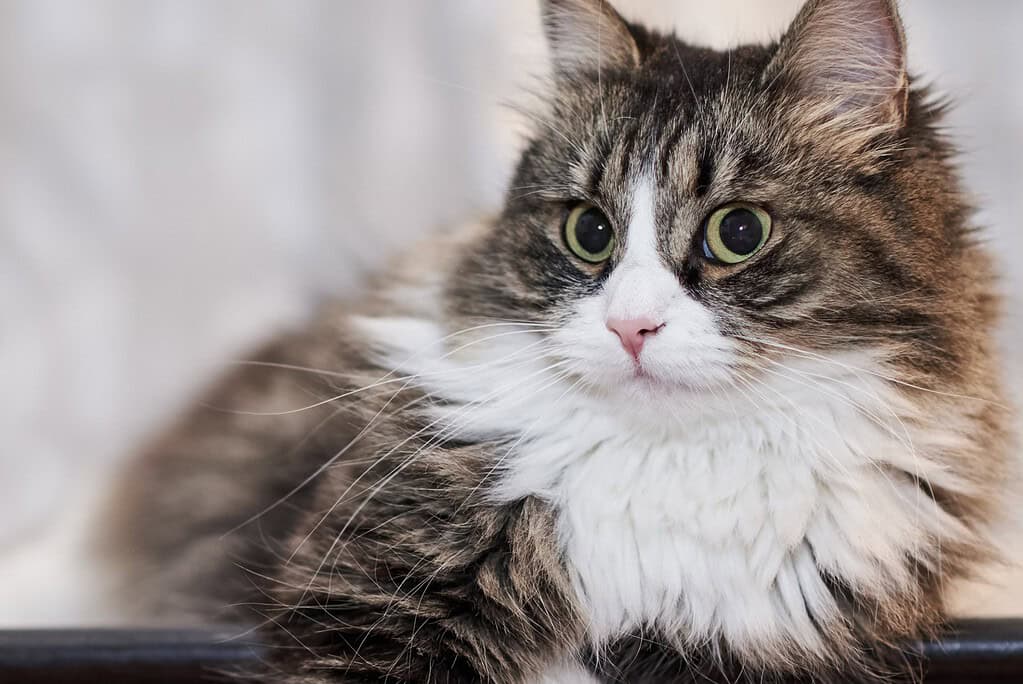
What Foods Can Cats Not Eat? 18 Toxic Foods for Cats (2026 Guide)
 Shiloh’s House Team
·
·
6 min read
Shiloh’s House Team
·
·
6 min read
Cats should never eat onions, garlic, chives or leeks, chocolate, caffeine, alcohol, grapes or raisins, xylitol, or raw yeast dough — these are the genuinely toxic ones. A longer list, including milk, tuna as a staple, raw fish, cooked bones and dog food, is not poisonous but causes real harm over time. Cats are obligate carnivores with small bodies and a liver that processes some compounds poorly, so the dose that hurts a cat is much smaller than the dose that hurts a person or a dog.
If your cat has already eaten something on this list, call your vet, the Pet Poison Helpline (855-764-7661) or the ASPCA Animal Poison Control Center (888-426-4435). Both may charge a consultation fee.
The foods that are actually toxic to cats
These nine cause direct poisoning and warrant a phone call even in small amounts.
| Food | Why it is dangerous | Call the vet? |
|---|---|---|
| Onion, garlic, chives, leeks | Damage red blood cells and cause anemia; powders are the most concentrated form | Yes |
| Chocolate | Theobromine and caffeine; dark and baking chocolate are worst | Yes |
| Coffee, tea, energy drinks | Caffeine causes tremors, racing heart, seizures | Yes |
| Alcohol | Tiny amounts can cause collapse and respiratory failure | Yes, urgently |
| Grapes and raisins | Linked to acute kidney injury; best documented in dogs, so treated as unsafe for cats | Yes |
| Xylitol / birch sugar | Severe reactions proven in dogs; hidden in gum, peanut butter, some meds | Yes |
| Raw yeast dough | Expands in the stomach and ferments into alcohol | Yes |
| Macadamia and most nuts | Toxic reaction documented in dogs; high fat causes upset in cats either way | Yes |
| Raw or green potato, green tomato | Solanine in the green parts and stems | If more than a nibble |
Why are onions and garlic so bad for cats?
The sneaky part is that the danger is rarely a raw onion — it is onion or garlic powder in gravy, baby food, soup, stock, and seasoned meat. Read labels before you share anything savory, and treat “a little bit of garlic is healthy for pets” advice from supplement marketing as false.
Is chocolate as dangerous for cats as for dogs?
Chemically, yes. Practically, cats eat it far less often because they cannot taste sweetness. That makes chocolate poisoning rarer in cats but not milder, and baking chocolate and cocoa powder are the most concentrated.
The nine foods that are not toxic but still bad
1. Milk, cream and cheese
The saucer of milk is a cultural image, not a nutritional one. Most adult cats are lactose intolerant, and dairy typically means diarrhea. It is a common trigger behind repeat vomiting.
2. Raw fish, as a habit
Raw fish contains an enzyme that destroys thiamine (vitamin B1). Occasional exposure is unlikely to matter; a regular habit can cause a serious deficiency affecting the nervous system.
3. Tuna as a staple
Canned tuna is fine as an occasional treat and terrible as a diet. It is not nutritionally complete for cats, and a tuna-only diet risks both nutrient imbalance and mercury exposure. Many cats also become genuinely addicted to it and start refusing balanced food — the fastest route back is a proper complete cat food and treats designed for cats, like the ones in our best cat treats roundup.
4. Raw eggs
Salmonella risk plus avidin, a protein that interferes with biotin absorption. Cooked egg in small amounts is a different story and is fine for most cats.
5. Cooked bones
They splinter. Cooked poultry bones in particular are a choking and perforation risk, and a cat can swallow a fragment before you finish the sentence “do not give that to the cat.”
6. Liver in quantity
A little liver is a normal part of many cat foods. A lot of liver, regularly, can cause vitamin A toxicity affecting bones and joints. Portion matters more than presence.
7. Salty snacks
Chips, pretzels, cured meats. Excess sodium causes thirst, vomiting, and in extreme cases sodium ion poisoning. Cats are small; the margin is thin.
8. Dog food
Not poisonous — a stolen mouthful is nothing. But dog food lacks the taurine, arachidonic acid, and vitamin A levels cats require, and a cat fed dog food long-term can develop heart and eye disease. Cats and dogs need separate bowls and, ideally, separate rooms at dinner.
9. Fat trimmings and rich leftovers
A classic route to stomach upset and, in some cats, pancreatitis. Holiday weeks are the peak season for exactly this vet visit.
What should I do if my cat ate something toxic?
- Remove the food and take note of what and how much. Keep the packaging.
- Call your vet or a poison control line. Do not wait for symptoms; several of these poisons show their real damage after a day or two.
- Do not induce vomiting at home. Home remedies that are sometimes used in dogs are not safe in cats.
- Watch for drooling, vomiting, hiding, weakness, pale gums, tremors, or a cat who stops eating — and report any of them straight away.
Keep the medical history somewhere you can hand to a vet in a hurry. Our free Lohji app stores medical records, vaccine history and voice notes, so “ate half a chocolate biscuit at 9 p.m.” is one tap instead of a scramble. Full disclosure: Lohji is ours, it is free, and it is the companion app for our tags.
Frequently asked questions
Can cats eat bread, rice or pasta?
Plain cooked versions are not toxic and a small piece will not hurt, but they add nothing a carnivore needs. Raw dough is the exception and is genuinely dangerous.
Can cats drink milk at all?
Most adult cats should not. If you want the ritual, cat-specific lactose-free milk exists and is a better choice than dairy from your fridge.
Is garlic ever safe for cats in small amounts?
No. Some supplements market garlic as a natural flea remedy; veterinary toxicology does not support that, and cats are especially sensitive to allium compounds.
What human foods can cats safely eat?
Plain cooked chicken, turkey or lean beef with no seasoning, plain cooked egg, and a little plain cooked fish are all reasonable occasional treats. Keep all treats to a small share of daily calories and keep the base diet complete and balanced.
What about plants and flowers, not food?
A separate and more urgent list. Lilies in particular can cause fatal kidney failure in cats from pollen alone — see are lilies toxic to cats.
Are the toxic foods the same for dogs?
Mostly overlapping, with different thresholds. Our companion guide covers toxic foods for dogs.
One more thing worth doing while you are cat-proofing
Poisoning scares end the same way: a carrier, a car ride, an unfamiliar clinic, and a frightened cat who would very much like to be elsewhere. That is the moment a cat with no ID becomes a cat nobody can return. A lightweight tag on a breakaway collar covers it.
Full disclosure, this is our business: Shiloh’s House makes $38 designer acrylic NFC smart pet ID tags — a finder taps them with any phone and reaches you without downloading anything, with engraved details underneath as the backup. Made in the USA, no subscription.
Get Your Tag
Featherweight NFC tags for cats, with engraved backup — $38, no subscription, made in the USA.
This article is general information, not veterinary advice. If you think your cat has eaten something toxic, call your veterinarian or a pet poison control center right away.