Wet vs Dry Dog Food: Which Is Better for Your Dog? (2026)
 Shiloh’s House Team
·
·
5 min read
Shiloh’s House Team
·
·
5 min read

Neither is healthier. A complete and balanced dry food and a complete and balanced wet food from the same quality tier deliver the same nutrition. Dry food is far cheaper (about five times cheaper per calorie in our math below), keeps for weeks and may help a little with plaque. Wet food is 70 to 80% water, so it adds hydration, it’s easier for seniors and small mouths to eat, and picky dogs rarely refuse it. For most dogs, feed dry as the base and add a spoonful of wet for flavor; for dogs that need more water, more calories in less bulk or a softer meal, feed wet.
Wet vs dry dog food at a glance
| Dry (kibble) | Wet (canned / pouch) | |
|---|---|---|
| Moisture | About 5–10% | About 70–80% |
| Calories | Dense: ~350–420 kcal per cup | Diluted: ~400–450 kcal per 13 oz can |
| Cost to feed a 50 lb dog (example) | About $1.40 a day | About $7.50 a day |
| Shelf life once opened | Use within 4–6 weeks | Refrigerate; discard after 3 days |
| Dental effect | May reduce plaque slightly; only VOHC-accepted dental diets are proven | None; brush either way |
| Palatability | Good | Excellent; picky dogs rarely refuse |
| Best for | Most healthy adults, budgets, puzzle feeders, free-feeding | Seniors, dental pain, low water drinkers, weight loss, picky eaters |
Cost example: Purina Pro Plan Complete Essentials Chicken & Rice dry (35 lb, $74.99, 369 kcal/cup) versus Purina Pro Plan Complete Essentials Beef & Rice pâté (13 oz can, $2.89, 427 kcal/can), feeding roughly 1,100 calories a day. Prices from PetSmart, October 2026.
Is wet or dry food healthier for dogs?
Look for the AAFCO statement (“complete and balanced for adult maintenance” or “all life stages”) on the label. If both foods have it, both meet the same nutrient minimums. The differences are in water content, calorie density, protein source and price, not in whether your dog gets what he needs. Wet foods usually contain more animal protein and fat by dry weight and fewer carbohydrates, because they don’t need starch to hold a kibble shape. Dry foods are easier to measure consistently and less likely to be overfed, which matters because obesity is the most common nutritional problem vets see in dogs.
Which is cheaper, wet or dry dog food?
Dry, by a wide margin. In the example above, a 50 lb dog eating about 1,100 calories a day needs roughly three cups of kibble (about $1.40) or about two and a half 13 oz cans (about $7.50). Over a year that’s roughly $500 versus $2,700. Mixing (say, 75% of calories from dry and 25% from wet, the ratio Purina suggests as a starting point) keeps most of the savings while giving your dog the flavor boost.
Does dry food clean a dog’s teeth?
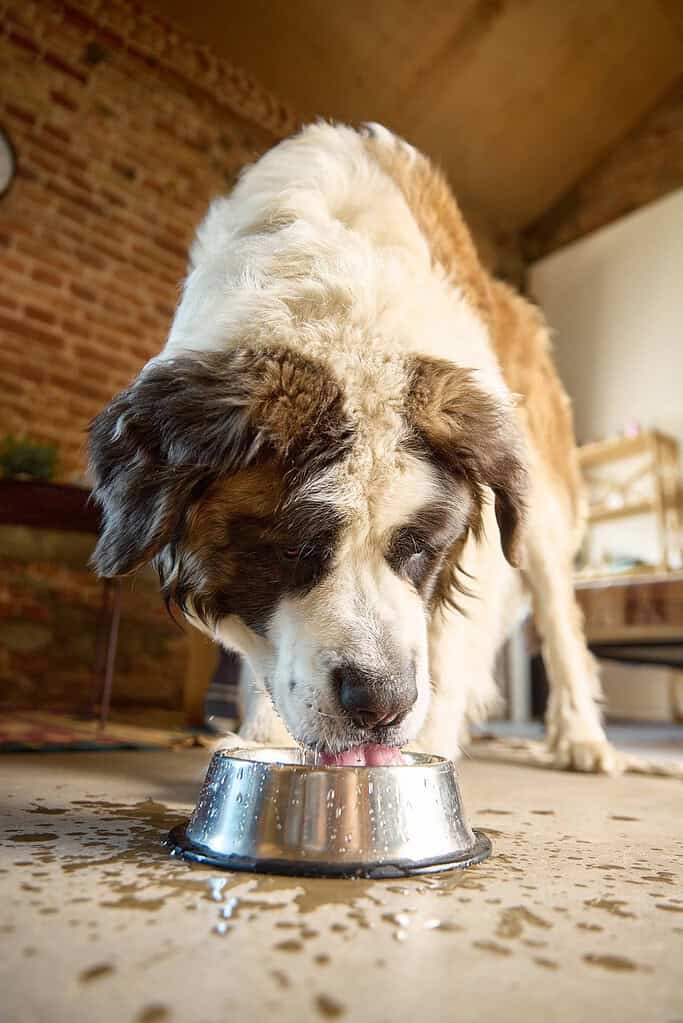
Barely. Ordinary kibble shatters on contact and does little scrubbing. Purina cites studies suggesting dry-fed dogs may build less plaque than wet-fed dogs, but the only foods with a proven dental effect carry the Veterinary Oral Health Council (VOHC) seal: diets such as Hill’s Science Diet Oral Care, Hill’s Prescription Diet t/d, Royal Canin Dental and Purina Pro Plan Veterinary Diets DH. Brushing and VOHC-accepted chews do far more than kibble ever will. See our best dog dental chews for the ones that actually work.
When wet food is the better choice
Senior dogs with sore or missing teeth, dogs recovering from illness, dogs that don’t drink much water, and dogs on a weight-loss plan (wet food fills the stomach with water for fewer calories) all do better on wet or mostly-wet. So do small dogs that are easy to overfeed, as long as you measure. If your dog is older, our best senior dog food guide covers the formulas that come in both textures.
When dry food is the better choice
Most healthy adult dogs, multi-dog households, anyone using puzzle feeders or snuffle mats, anyone on a budget, and anyone who travels: a bag of kibble doesn’t need a cooler. Dry food is also the easiest to portion precisely. Use our dog feeding chart by weight and a measuring cup, not a scoop.
How to mix wet and dry food
Don’t add the feeding amounts from both labels; each assumes it’s the only food. Decide the split by calories. If your dog needs 1,000 calories, 750 from dry (about two cups of a 370 kcal/cup food) and 250 from wet (a bit over half a 427 kcal can) is the 75/25 starting point. Switch any new food in over 7 to 10 days, and if your dog’s stomach is sensitive to change, start with the best foods for sensitive stomachs.
Not tagged yet?
Whatever’s in the bowl, make sure what’s on the collar can get your dog home. Shiloh’s House smart tags: tap with any phone, see the owner’s number instantly. $38, one-time, no battery, no subscription, made in the USA.
Frequently asked questions
Is wet food better than dry food for dogs?
Neither is nutritionally better if both are AAFCO complete and balanced. Wet food adds water and is easier to eat; dry food is cheaper, keeps longer and is easier to portion. Most dogs do well on dry with a little wet mixed in.
Can I feed my dog wet food every day?
Yes, as long as it’s a complete and balanced food and you feed the right number of calories. Refrigerate opened cans and discard leftovers after three days.
Is wet food bad for dogs’ teeth?
Wet food doesn’t clean teeth, but regular kibble barely does either. Brushing and VOHC-accepted dental chews or diets are what prevent plaque and tartar.
How much wet food equals one cup of dry?
Compare calories, not volume. One cup of a typical kibble is about 350 to 420 calories; a 13 oz can is about 400 to 450. So one 13 oz can is roughly equal to one cup of dry food.
Is it OK to mix wet and dry dog food?
Yes. Split the day’s calories between the two (75% dry and 25% wet is a common starting point) rather than adding the label amounts together.
Sources
- Purina, “Wet vs. Dry Dog Food: Which Is Better for Your Dog?” — moisture ranges, shelf life, 75/25 mixing guidance, transition schedule, plaque studies cited (Oba et al. 2022; Wallis et al. 2025).
- Purina Pro Plan Complete Essentials Shredded Blend Chicken & Rice dry — 369 kcal/cup, 35 lb $74.99, PetSmart (October 2026).
- Purina Pro Plan Complete Essentials Classic Pâté Beef & Rice, 13 oz — 427 kcal/can, 78% moisture, $2.89, PetSmart (October 2026).
- Veterinary Oral Health Council, “VOHC Accepted Products for Dogs” (March 2025 table).
- Association of American Feed Control Officials (AAFCO), nutritional adequacy statements.