Best Cat Food for Urinary Health of 2026: Over-the-Counter Picks vs Prescription Diets
 Shiloh’s House Team
·
·
8 min read
Shiloh’s House Team
·
·
8 min read
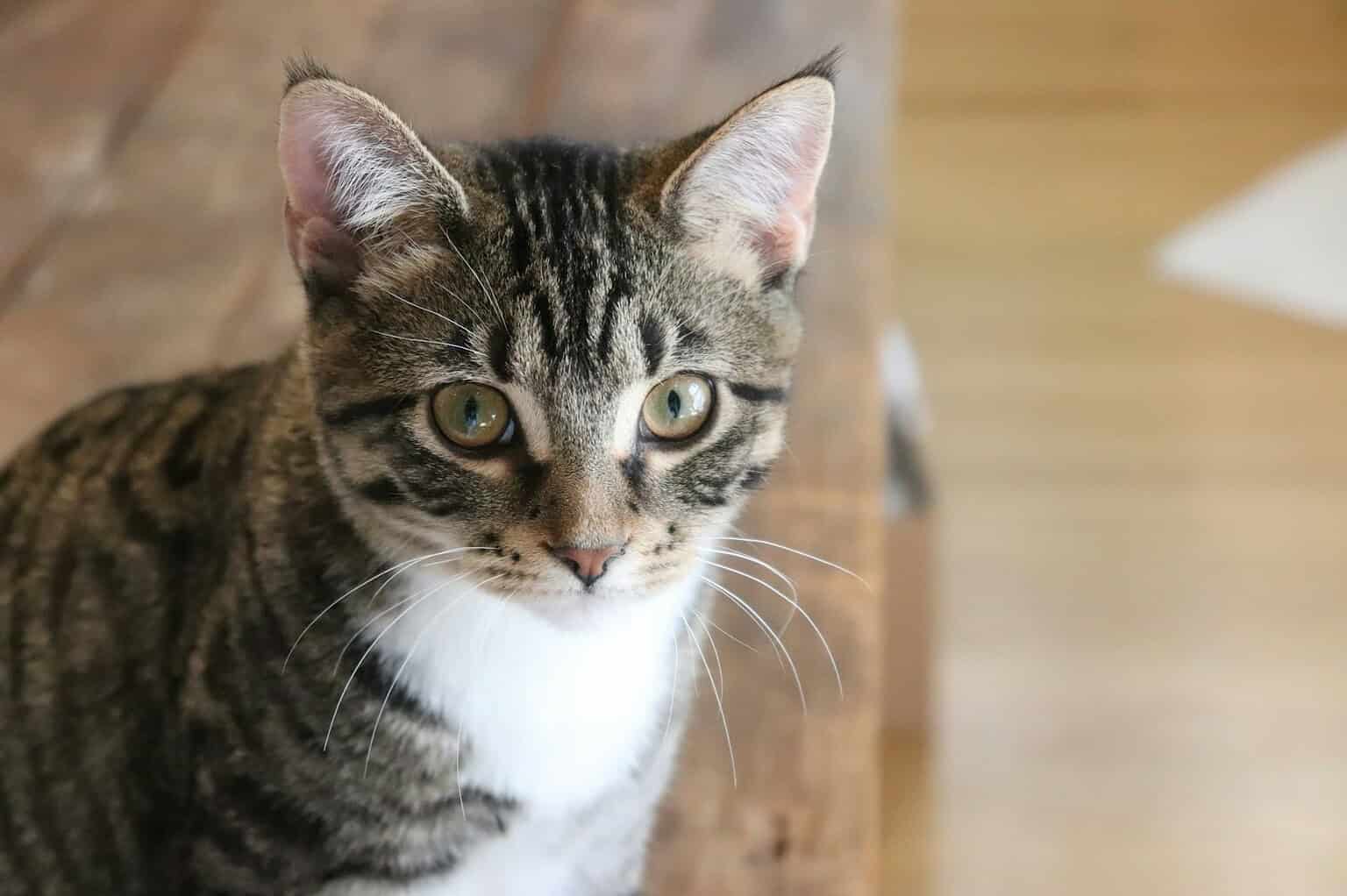
For a healthy cat you want to keep out of urinary trouble, the best over-the-counter choice in 2026 is Purina Pro Plan Urinary Tract Health, fed as wet food or a wet-and-dry mix: it’s built to keep urine pH low and magnesium controlled, it comes in cans most cats eat, and it’s the cheapest per ounce of the vet-brand options. Hill’s Science Diet Urinary Hairball Control is the pick for long-haired indoor cats, and Royal Canin Urinary Care is the pick for cats that will only eat dry. But if your cat has already had crystals, stones, a blockage or bloody urine, none of these is the answer: your vet will put the cat on a prescription diet (Royal Canin Urinary SO, Hill’s c/d Multicare or Purina Pro Plan Veterinary Diets UR), and over-the-counter food will not dissolve what’s there. Either way, the single biggest change you can make is more water in the bowl and more wet food in the diet.
Best urinary cat foods of 2026 at a glance
| Pick | Prescription? | Forms | Price | Best for |
|---|---|---|---|---|
| Purina Pro Plan Urinary Tract Health | No | Dry (Chicken & Rice), wet pâté and gravy | Dry $16.89–$56.49; wet 5.5 oz $2.46 | Prevention in healthy cats; best value |
| Hill’s Science Diet Urinary Hairball Control | No | Dry, wet entrée, stew and pâté | Dry $24.99–$70.99; wet 5.5 oz $2.69 | Long-haired and indoor cats |
| Royal Canin Urinary Care | No | Dry, wet thin slices in gravy | Dry $28.99–$79.99; wet 3 oz $2.39 | Dry-food-only cats |
| Purina ONE +Plus Urinary Tract Health | No | Dry, wet | Dry $10.28–$34.48; wet 3 oz $1.37 | Budget prevention; multi-cat homes |
| Royal Canin Veterinary Diet Urinary SO | Yes | Dry (incl. Moderate Calorie), wet morsels and loaf | Dry $67.99–$121.99; wet 3 oz $2.89 | Diagnosed struvite or oxalate; dissolving struvite |
| Hill’s Prescription Diet c/d Multicare | Yes | Dry (incl. Stress), wet stews and pâté | Dry $39.99–$121.99; wet $2.75–$3.50 | Diagnosed FLUTD; stress-related cystitis (c/d Stress) |
| Purina Pro Plan Veterinary Diets UR Urinary St/Ox | Yes | Dry, wet | Dry $53.99–$107.99; wet ~$3.30 | Both struvite and oxalate; cheapest prescription dry |
Prices are PetSmart “buy once” prices in October 2026 across the available bag sizes (small to large); autoship is usually cheaper, and prescription foods require a vet authorization at checkout.
What “urinary health” cat food actually does
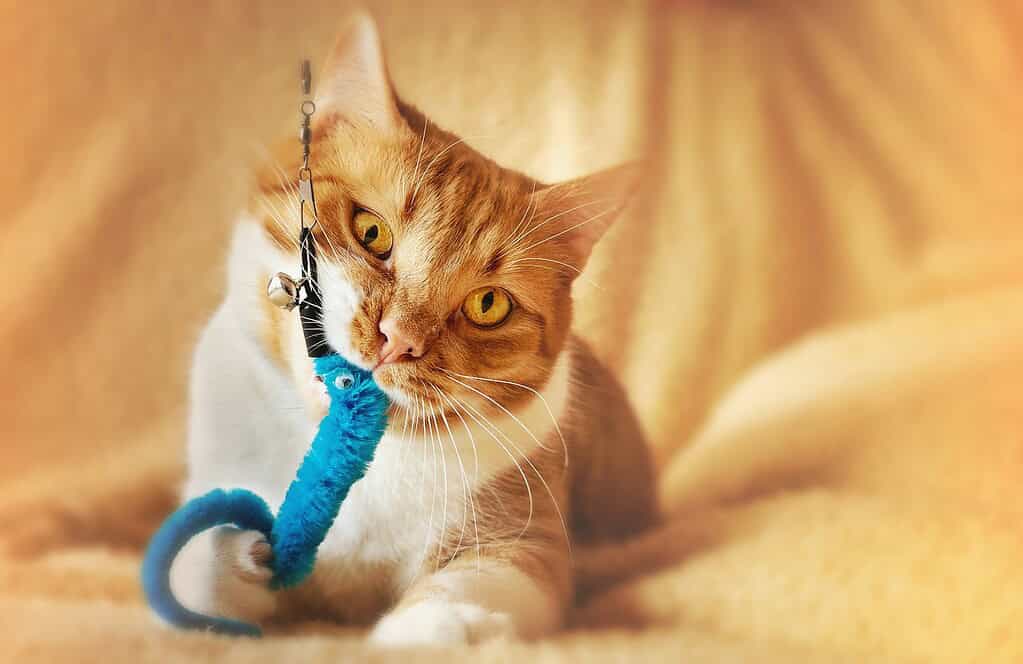
Feline lower urinary tract disease (FLUTD) is the umbrella for several problems: struvite and calcium oxalate crystals and stones, bacterial infections (rare in young cats, more common in seniors), and feline idiopathic cystitis, a painful bladder inflammation with no crystals at all that is linked to stress. Urinary foods address the crystal part. Over-the-counter formulas do three things: keep urine pH in a mildly acidic range where struvite doesn’t form (about 6.2 to 6.4), limit magnesium and phosphorus, the building blocks of struvite, and, in the wet versions, add water so the urine is more dilute. Prescription diets go further: they’re clinically tested to dissolve existing struvite stones (typically within a few weeks) and they balance minerals to reduce calcium oxalate formation too, which acidifying alone can make worse. That’s the key difference. An OTC food can help a healthy cat stay healthy. It can’t treat a cat that already has stones, and feeding an acidifying OTC food to a cat with oxalate stones is the wrong direction.
Why wet food matters more than the brand
Cats evolved as desert animals that got most of their water from prey, and many still drink poorly from a bowl. Dry food is about 10% moisture; canned food is 75 to 80%. A cat eating only kibble produces concentrated urine, and concentrated urine is where crystals form. Every veterinary urinary guideline starts with the same step: increase water intake. Feeding wet food, or at least half wet, is the easiest way. Adding a tablespoon of water to meals, running a fountain (we tested them in best cat water fountains) and placing extra bowls away from the litter box all help. If you can only make one change from this article, make it that one.
Purina Pro Plan Urinary Tract Health Best over-the-counter
Purina’s OTC urinary line is the easiest to recommend because it exists in every form a cat might accept: dry Chicken & Rice kibble, classic pâté, and gravy entrées, plus variety packs. It’s formulated to reduce urinary pH and provide low dietary magnesium, the two things an OTC urinary food should do, and Purina (with Hill’s and Royal Canin) is one of the three manufacturers that meets every WSAVA benchmark for nutritionists, feeding trials and research. The wet cans at $2.46 for 5.5 oz are the cheapest route to a mostly-wet urinary diet here. Purina ONE +Plus Urinary Tract Health is the same idea at a grocery-store price, a fair choice for a multi-cat house where everyone eats the same thing.
Hill’s Science Diet Urinary Hairball Control Best for indoor, long-haired cats
Hill’s combined its urinary formula with its hairball formula, which makes sense: the overweight, indoor, long-haired cat that hacks up hairballs is also the cat most at risk of urinary trouble. Natural fiber moves hair through, controlled magnesium and phosphorus look after the bladder, and it comes in dry plus several wet textures (entrée, stew, pâté). It costs a little more than Purina’s line. If your cat has the hairball problem too, this is the one; otherwise Purina does the urinary job for less. Our best cat food for hairballs guide goes deeper on the fiber side.
Royal Canin Urinary Care Best for dry-only cats
Some cats simply refuse wet food, and for those cats Royal Canin’s Urinary Care dry is the pick: it’s formulated to dilute urine by encouraging drinking (higher sodium, within safe limits) and to keep minerals in check, and Royal Canin’s kibble palatability is excellent. The wet thin-slices-in-gravy version is a good bridge if you’re trying to convert a kibble cat. It’s the most expensive OTC option per pound.
When your cat needs a prescription diet
Any of these means a vet visit first, not a food change: straining in the box, going in and out repeatedly, crying while urinating, blood in the urine, peeing outside the box, licking the genitals, or, in a male cat, straining with little or nothing coming out. That last one is a blocked urethra and is fatal within a day or two without treatment; it’s an emergency at any hour. Once the vet has a urinalysis (and often an X-ray or ultrasound), they’ll match the diet to the crystal: Royal Canin Urinary SO and Hill’s c/d Multicare dissolve struvite and reduce both struvite and oxalate recurrence; Purina UR St/Ox does the same and is usually the cheapest of the three. Hill’s c/d Multicare Stress adds ingredients aimed at the stress side of idiopathic cystitis. These foods are complete diets your cat can stay on for life, and most cats with a history of stones should. Don’t mix them with OTC food or treats without asking; diluting a dissolution diet is the usual reason it “didn’t work.” If your cat is already peeing outside the box, our guide to cats peeing outside the litter box explains how to tell medical from behavioral.
The stress side of the bladder
Feline idiopathic cystitis, the most common FLUTD diagnosis in cats under 10, flares with stress: a new pet, a move, construction, a change in routine, a dirty box. Food helps (wet food, and the c/d Stress formula), but so does the environment: one litter box per cat plus one, scooped daily; vertical space; play; predictable feeding times; and, for anxious cats, the calming aids we rated in best cat calming aids. The cat that bolts out an open door in a stressful week is the same cat; a breakaway collar with a Shiloh’s House smart tag means a neighbor can tap it with a phone and call you before the stress turns into a lost cat.
Not tagged yet?
Tap-to-find smart ID tags in a Micro size made for cats. $38, one-time, no battery, no subscription, made in the USA. Free Lohji app included.
Frequently asked questions
What is the best cat food for urinary health?
For prevention in a healthy cat, Purina Pro Plan Urinary Tract Health, fed mostly as wet food. For a cat with diagnosed crystals or stones, a prescription diet from your vet: Royal Canin Urinary SO, Hill’s c/d Multicare or Purina Pro Plan Veterinary Diets UR.
Is wet or dry food better for cats with urinary problems?
Wet. Canned food is 75 to 80% water versus about 10% in kibble, and dilute urine is the single best protection against crystals. If your cat only eats dry, choose a urinary dry formula and add water or a fountain.
Can I buy urinary cat food without a prescription?
Yes. Purina Pro Plan, Hill’s Science Diet, Royal Canin and Purina ONE all sell over-the-counter urinary formulas. They help prevent struvite crystals in healthy cats but will not dissolve existing stones; that requires a prescription diet.
How long does it take for urinary cat food to work?
Prescription dissolution diets typically clear struvite stones within two to six weeks, confirmed by a follow-up urinalysis or X-ray. Over-the-counter foods are for maintenance and have no treatment timeline.
What are the signs of a urinary blockage in a male cat?
Straining with little or no urine, repeated trips to the box, crying, a tense belly, vomiting and lethargy. A blocked cat can die within 24 to 48 hours. Go to an emergency vet immediately.
Sources
- Great Pet Care, “Urinary Cat Food: Best Vet-Approved Formulas” — how prescription urinary diets work (Royal Canin Urinary SO, Hill’s c/d Multicare, Purina UR St/Ox), when a prescription diet is required, and wet-versus-dry guidance.
- PetSmart, urinary tract cat food category — over-the-counter and prescription product list and pricing (October 2026).
- Cornell Feline Health Center, “Feline Lower Urinary Tract Disease” — FLUTD causes, idiopathic cystitis, urethral obstruction in male cats, dietary management.
- Purina, Hill’s and Royal Canin product pages for Pro Plan Urinary Tract Health, Science Diet Urinary Hairball Control and Urinary Care — formulation claims (urine pH, magnesium, moisture).
- World Small Animal Veterinary Association, “Selecting a pet food for your pet” (Global Nutrition Toolkit).