Can Cats Drink Milk? Lactose, Kittens and What to Give Instead
 Shiloh’s House Team
·
·
9 min read
Shiloh’s House Team
·
·
9 min read
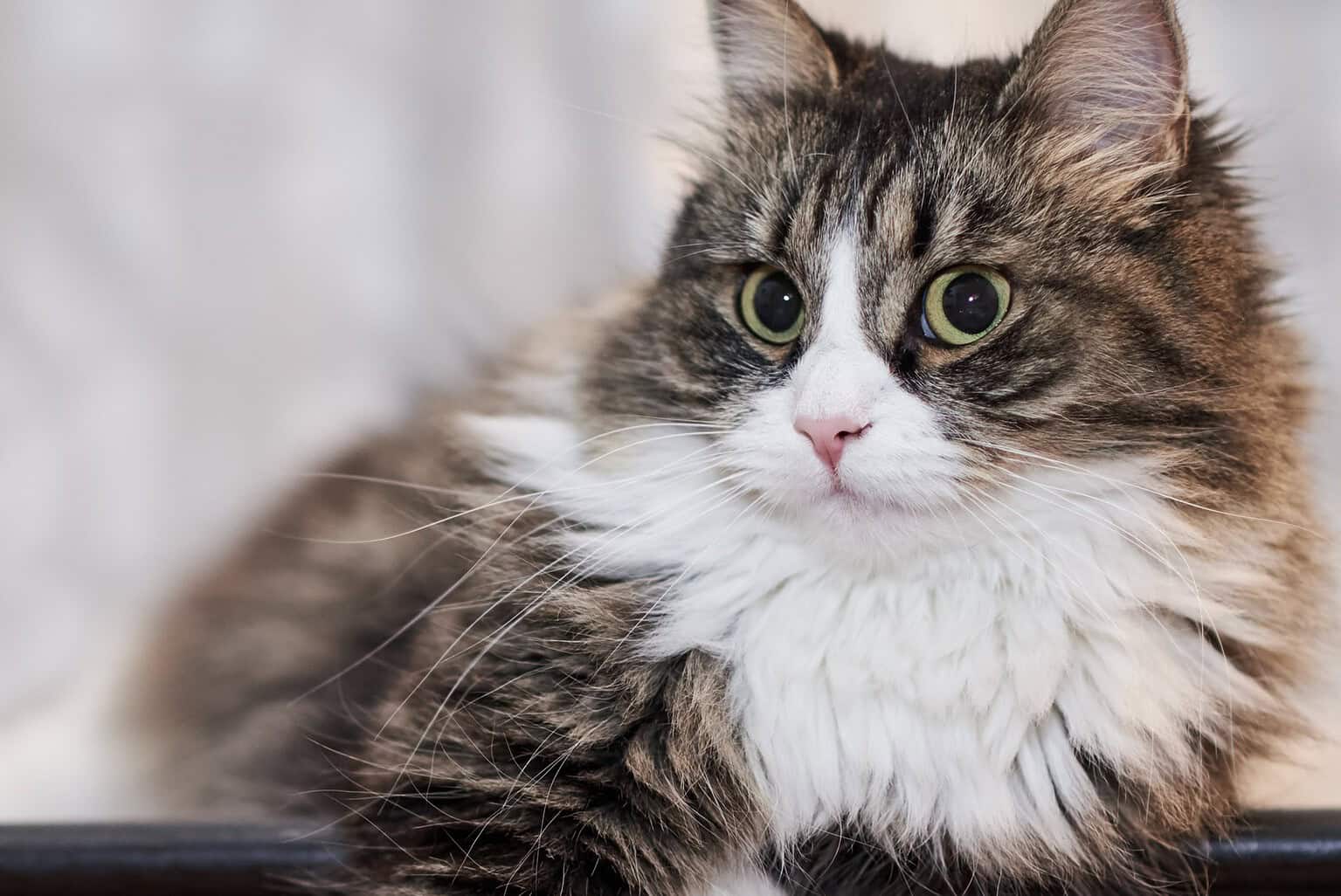
Most cats shouldn’t drink cow’s milk. Many adult cats are lactose intolerant, so milk can bring on vomiting, diarrhea and gas, and even cats who digest it are getting fat and calories they don’t need. Kittens need their mother’s milk or a kitten milk replacer, never cow’s milk. For hydration, fresh water and wet food beat any saucer of milk.
Why can’t cats drink milk?
Kittens are born able to digest their mother’s milk. Most adult cats lose much of that ability. PetMD explains that as cats mature, most of them produce less lactase, the enzyme that breaks down milk sugar (lactose), and the ASPCA’s poison control experts note that pets don’t have significant amounts of it. Without enough lactase, lactose travels through the gut undigested.
That’s where the trouble starts. Undigested lactose pulls water into the intestines, which causes diarrhea, and bacteria in the colon ferment the sugar, which causes gas, PetMD says. The result can be vomiting, diarrhea, flatulence and an uncomfortable belly.
Milk is not generally recommended as a treat for cats, as many cats are lactose-intolerant and can develop gastrointestinal problems if fed dairy products.
Cornell Feline Health Center, Cornell University College of Veterinary Medicine
Not every cat reacts, but that doesn’t make milk a good idea. PetMD points out that cow’s milk has quite a lot of fat, and that regular milk adds fat and sugar that unbalance the diet and make weight gain more likely. That matters when Cornell calls obesity the most common nutrition-related problem in cats. If your cat loves milk and tolerates it, PetMD says a teaspoon once or twice a week is unlikely to do harm.
Why do cats love milk so much?
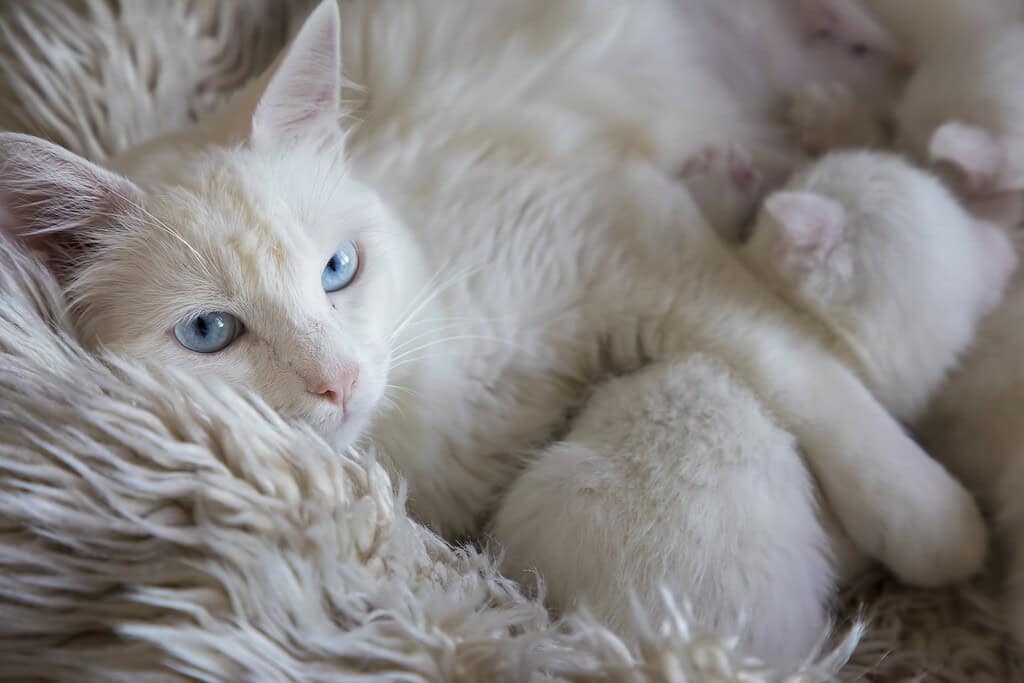
If milk upsets so many cats, why does yours wait by the cereal bowl every morning? It isn’t the sweetness. PetMD explains that cats have only one of the two proteins that make up the sweet taste receptor, so sugar doesn’t register for them the way it does for us.
What cats do pick up is fat and protein, the backbone of a diet built on prey. PetMD says cats tend to crave flavors that match those staples and show interest in anything with animal protein in it, naming milk, cream and ice cream, along with strong-smelling and warm foods. A saucer of milk ticks several of those boxes at once.
Wanting something isn’t the same as needing it. Cats are obligate carnivores, Cornell notes, and a complete and balanced commercial cat food is formulated to give them the right balance of nutrients and calories. Milk doesn’t fill a gap in that diet; it just adds calories on top of it.
Can kittens drink milk?
Yes, but only the right milk. PetMD explains that kittens start losing the enzymes to process milk as they wean onto solid food, usually around 8 weeks of age. Until then, the only acceptable milk is their mother’s or a formula made to mimic it.
Cow’s milk is not a stand-in. International Cat Care says never to feed kittens cow’s or goat’s milk because the protein and fat levels are too low, and to use a properly formulated replacement queen’s milk formula from a vet clinic, pet shop or online retailer. PetMD names PetAg’s KMR as one example and adds that similar products made for dogs aren’t suitable for kittens.
If you’ve found or are fostering a young kitten, talk to your vet before you start bottle feeding. iCatCare’s hand-rearing guide warms formula to 95 to 100°F and starts weaning onto a soft mix of kitten food and formula at 3 to 4 weeks. Once they’re eating solids, our guide to the best kitten food covers what comes next.
Not tagged yet?
A Shiloh’s House smart tag puts your phone number and your cat’s profile and medical notes on their collar, including food sensitivities, so whoever finds them knows to skip the saucer of milk and call you. Any phone can tap it — no app for the finder, no battery, no subscription.
Can cats have cream, cheese or yogurt?
Cream, half-and-half and ice cream are richer than milk, and fat is the long-term problem PetMD flags even for cats who digest milk well. Cheese and yogurt are still dairy, and the World Small Animal Veterinary Association’s guide to cat treats puts milk and dairy products on its avoid list because many cats are lactose intolerant.
Calories are the other catch. WSAVA caps treats at under 10% of a cat’s daily calories, which works out to about 22 calories a day for a 4 kg cat. An ounce of cheddar is about 120 calories, more than five days of that cat’s treat allowance, and even 2% cottage cheese runs about 25 calories an ounce.
WSAVA’s list of unsafe treats puts dairy alongside onions, grapes and chocolate, but for a different reason: the problem is digestion, not poisoning. Our guide to foods cats can’t eat covers the truly toxic ones.
Can cats drink almond, oat or soy milk?
Plant milks don’t solve the problem. PetMD’s verdict on oat, soy, almond and coconut milk is that they’re not a good idea for cats either. Some are high in fat, some contain sugars, oils and thickeners that are hard for cats to digest, some carry additives and preservatives, and added salt is a poor idea for a cat prone to high blood pressure or kidney disease.
Goat’s and sheep’s milk aren’t the workaround either. International Cat Care’s list of liquids to avoid includes cow’s, sheep’s and goat’s milk, which cats cannot fully digest and which may cause diarrhea.
So there’s no milk, plant or animal, that an adult cat needs. If you want to give your cat something special to lap up, the hydration ideas further down do the job without the stomach upset.
Is lactose-free cat milk OK?
There are milk drinks made specifically for cats, and they’re a different product from the carton in your fridge. PetAg’s Cat-Sip, for example, is labeled 99% lactose free and made from 1% lowfat milk with added taurine. Taking out most of the lactose takes aim at the digestive problem.
It doesn’t take out the calories. Cat-Sip’s label lists 10 calories per ounce and suggests 2 ounces a day for an average 10 to 15 lb cat, about 20 calories. WSAVA’s chart allows roughly 24 to 28 treat calories a day for cats in that weight range, so a daily 2-ounce serving uses up most of the budget. The label also says the drink isn’t a complete meal replacement and is meant for supplemental feeding only.
We’d treat cat milk as an occasional extra rather than a daily drink. Our roundup of the best cat treats has other ways to spoil a cat.
My cat drank milk. What should I watch for?
Vomiting, diarrhea and gas within about 12 hours of a milk product point to lactose intolerance, PetMD says. Most cases resolve on their own, and most cats bounce back from a mild case within about 24 hours.
Keep fresh water out and skip any more dairy while things settle. The bigger risk is dehydration: PetMD notes that a severe or prolonged case can leave a cat dehydrated enough to need veterinary care.
What can cats drink instead of milk?
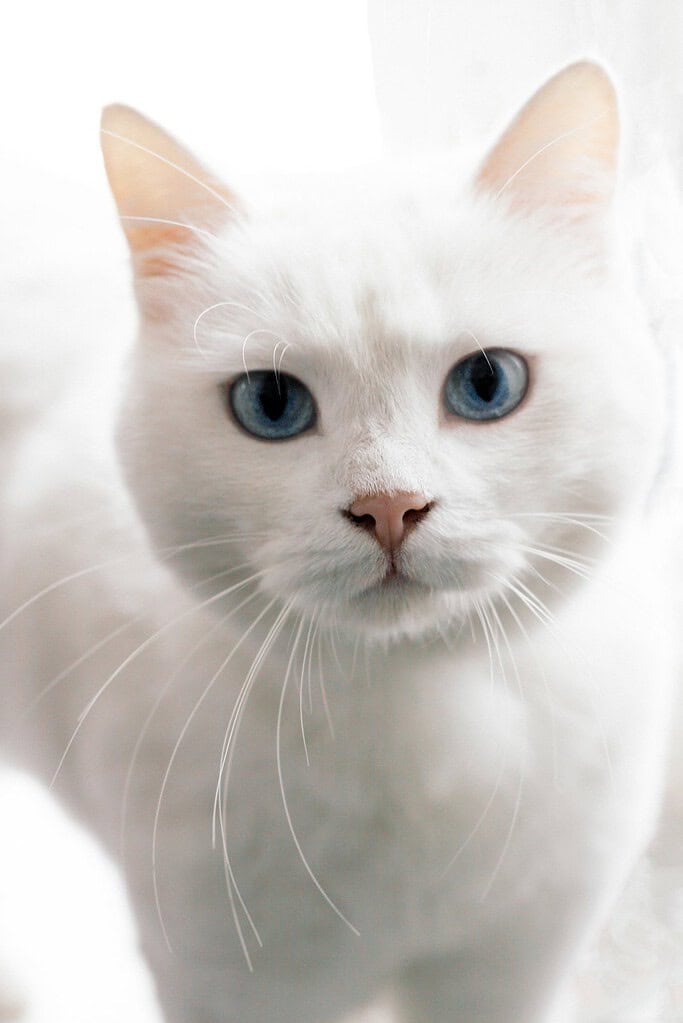
Water, and plenty of it. The RSPCA advises that cats always have clean drinking water, warns they could become severely ill within hours without it, and reminds owners that cow’s milk isn’t a substitute for water. Cornell’s advice is the same: clean, fresh water at all times.
Food counts too. Cornell notes that canned cat food is at least 75 percent moisture, against 6 to 10 percent for dry food, which makes wet food a good dietary source of water. PetMD suggests stirring a few tablespoons of water into canned food to make a soup, though International Cat Care cautions that too much added water can put a cat off eating, so go gradually.
Then make the water bowl more appealing. iCatCare’s tips include a wide, shallow glass or ceramic bowl filled to the brim so whiskers don’t touch the sides, several bowls around the house placed away from food, and moving water for cats who like it. Fountains should be introduced gradually; our best cat water fountains guide compares the ones worth buying.
For a treat your cat can lap up, iCatCare suggests the water left from poaching chicken or fish with no stock or salt, or the liquid from tuna canned in spring water, even frozen into ice cubes for the water bowl. It also lists the liquids to skip: salty stock, brine or gravy, milk, and anything containing onion. And if your cat suddenly starts drinking far more than usual, that’s a different issue; our guide to why a cat drinks a lot of water explains when to call the vet.
Milk and alternatives at a glance
| Drink | Verdict | Why |
|---|---|---|
| Fresh water | Always | Cats need clean water available at all times |
| Cow’s milk | Skip | Most adult cats make little lactase; adds fat and calories |
| Goat’s or sheep’s milk | Skip | Cats cannot fully digest it either |
| Almond, oat, soy or coconut milk | Skip | Fat, sugars, oils, thickeners and salt |
| Cream, ice cream, cheese | Skip | Dairy, and very high in calories |
| Lactose-free cat milk | Occasional treat | Easier to digest, but count the calories |
| Kitten milk replacer | Unweaned kittens only | The only substitute for a mother cat’s milk |
| Unsalted poaching water or tuna water | Occasional treat | Encourages drinking; no salt, stock or onion |
Frequently asked questions
Is milk bad for cats?
For most adult cats, yes. Many are lactose intolerant, so milk can cause vomiting, diarrhea and gas, and cow’s milk adds fat and calories even for cats who digest it. If your cat tolerates milk, PetMD says a teaspoon once or twice a week is unlikely to do harm.
Can cats drink lactose-free milk?
Lactose-free cat milk avoids most of the digestive problem, but not the calories. Cat-Sip, for example, has 10 calories per ounce, so count it toward a treat budget of under 10% of daily calories. Lactose-free milk from the grocery store is still cow’s milk, with the fat PetMD flags in regular milk.
Can kittens drink cow’s milk?
No. Kittens should only drink their mother’s milk or a kitten milk replacer made to mimic it. International Cat Care says cow’s and goat’s milk are too low in protein and fat for kittens.
Is goat’s milk better for cats than cow’s milk?
Not in a way that makes it a good idea. International Cat Care lists cow’s, sheep’s and goat’s milk among the liquids to avoid because cats cannot fully digest them, and goat’s milk is no substitute for kitten formula.
What can cats drink besides water?
International Cat Care suggests small amounts of the water left from poaching chicken or fish without salt or stock, or the liquid from tuna canned in spring water. Skip salty stock, brine, gravy, milk and anything with onion.
Sources
- Cornell Feline Health Center — Feeding Your Cat
- ASPCA — People Foods to Avoid Feeding Your Pets
- PetMD — Can Cats Drink Milk?
- PetMD — Can Cats Taste Sweet Things?
- International Cat Care — How to Encourage Your Cat to Drink
- International Cat Care — Hand-Rearing Kittens
- World Small Animal Veterinary Association — Feeding Treats to Your Cat
- RSPCA — What Should Cats Eat?
- Drugs.com — Cat-Sip for Animal Use