How to Help Animal Shelters This Giving Season (Beyond Adopting)
 Shiloh’s House Team
·
·
15 min read
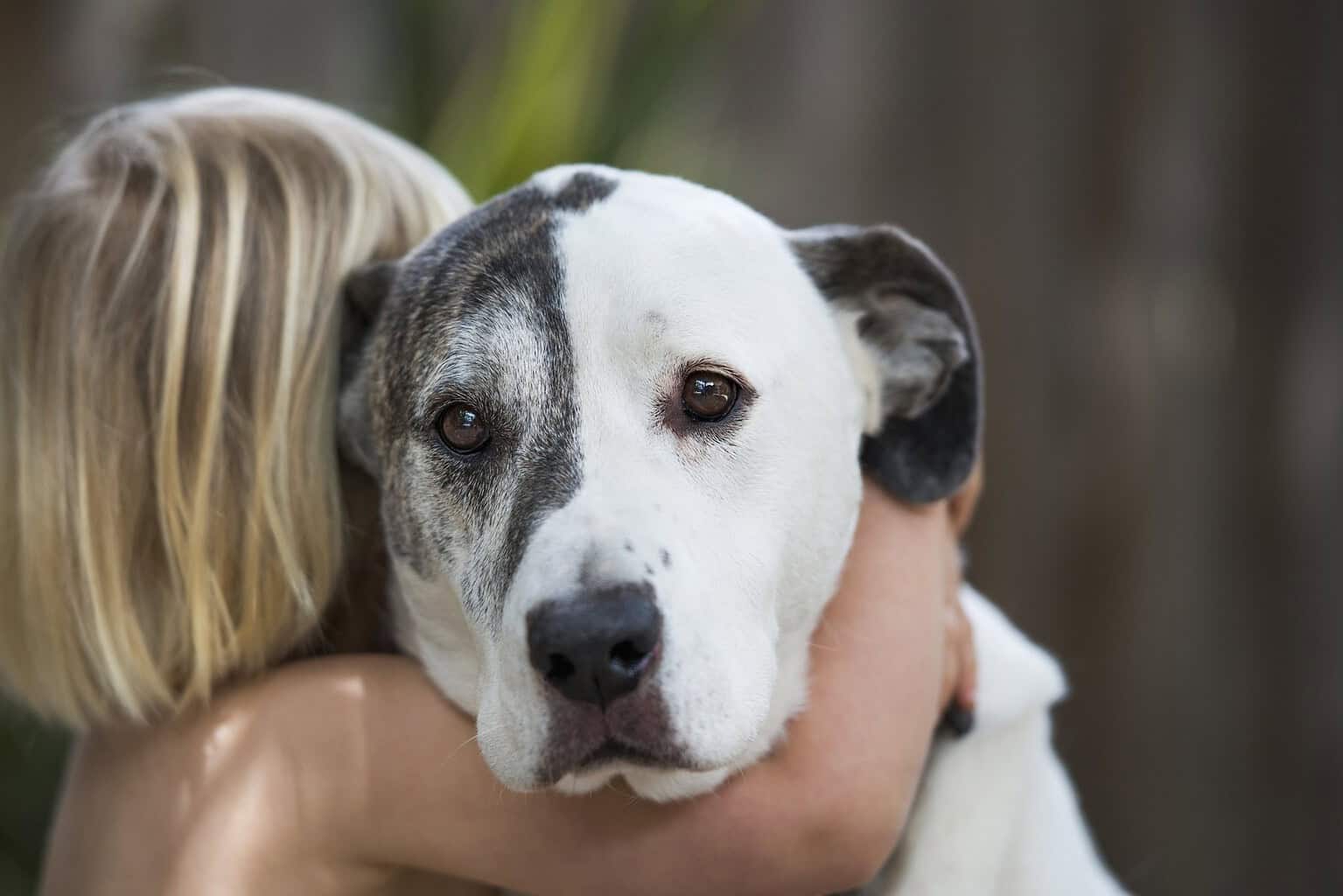
The best way to help an animal shelter beyond adopting is to give what it actually asks for: money, items from its wish list, your time or a spare room for a foster pet. Cash is the most flexible gift, especially on Giving Tuesday when many shelters line up matching funds. Towels, litter, durable toys and cleaning supplies come next. Short-term fostering and volunteering free up kennel space, and keeping your own pet tagged and chipped keeps one more animal out of the system.
Last updated: December 2025
How many animals are in shelters, and why do they need help now?
Shelters are not empty just because intake dipped a little. Shelter Animals Count, the national database that tracks sheltering data, reported that 2024 intake fell only 1% from 2023. About 4.1 million dogs and cats were adopted that year, which is wonderful, but it still leaves a large gap between the animals coming in and the homes going out.
A few numbers from the same 2024 report explain why shelters are stretched this giving season:
- 607,000 dogs and cats were euthanized in shelters in 2024: 334,000 dogs and 273,000 cats.
- Dogs are staying longer. Shelter Animals Count found dogs of all sizes stayed in care longer in 2024, with large dogs staying the longest.
- 60% of community intakes were strays, and 29% were pets surrendered by their owners.
- 13,527 animal sheltering organizations operate in the United States, from big city shelters to small home-based rescues.
Longer stays mean every kennel is used for more days, and each day needs food, clean bedding, laundry and someone to walk the dog. That is where you come in.
The holidays add pressure. Staff and long-term fosters travel, and some shelters close to the public for a few days.
If you are tempted to solve the problem by surprising someone with a puppy, read our take on giving a pet as a Christmas gift first. The ideas below help animals without putting a pet in a home that did not choose it.

What items do animal shelters need most?
The single best rule is to check your shelter’s own wish list before you shop. Needs change week to week, and most shelters post a current list on their website or keep an Amazon or Chewy wish list that ships straight to their door. Minnesota’s Animal Humane Society, for example, keeps both so donors can send exactly what is in short supply.
That said, the same items show up on almost every shelter list:
- Towels and blankets. Clean bath towels and blankets without stuffing are used for bedding, bathing and lining kennels. Shelters go through them by the dozen every day.
- Cat litter. Ask which kind they use. Some shelters prefer non-clumping clay litter for kittens.
- Durable toys. Kong-style rubber toys in larger sizes, puzzle feeders, slow-feeder bowls and lick mats are common requests because they can be sanitized and reused.
- Cleaning supplies. Paper towels, dish soap, disinfecting wipes, lint rollers and large trash bags keep the building running. Humane Colorado lists all of these.
- Unopened food and treats. Sealed, unexpired bags and cans are often welcome. Some shelters feed one sponsored brand and pass donated food to a pet food pantry for local families instead.
- Enrichment odds and ends. Paper bags, egg cartons and new cardboard cat scratchers keep kenneled animals busy.
- Leashes, collars and carriers. Flat collars, standard clip leashes and hard-sided carriers help with walks and adoptions.
- Gift cards. A pet store or big-box gift card lets staff buy whatever runs out first.
What should you not donate to an animal shelter?
Some well-meaning gifts cost shelters time and money to throw away. Animal Humane Society notes that it does not have the space or resources to sort and dispose of items it cannot use.
Leave these at home unless your shelter specifically asks for them:
- Pillows, comforters and stuffed bedding. Filling can be swallowed, and bulky items will not fit a shelter washer. Several shelters also say no to sheets and pillowcases.
- Anything soiled, broken or missing pieces. That includes rusted crates, torn toys and toys with button eyes or electronic parts.
- Medications and medical supplies. Many shelters cannot accept them, and Washington State rules bar at least one shelter from taking donated prescription drugs.
- Homemade or opened treats and rawhides. Shelters cannot verify what is inside, and rawhides are a common no.
- Raw, refrigerated, frozen or prescription food. Storage and medical oversight make these hard to use.
- Used litter boxes and carpeted cat trees. They are almost impossible to fully disinfect.
- Retractable leashes, prong collars and shock collars. Oakland Animal Services lists all three as items it cannot use.
- Furniture, electronics and household goods. Unless the shelter runs a thrift store, these end up in the dumpster.
When you are unsure, call or email before you drive over.
How does donating money on Giving Tuesday help shelters?
Money is the gift that never sits on a shelf. A shelter can turn cash into whatever is short that week, from a surgery to a heating bill. Items help, but only cash pays for veterinary care and staff.
Giving Tuesday, the Tuesday after Thanksgiving, has become one of the biggest fundraising days of the year. The nonprofit GivingTuesday estimated that people in the U.S. gave a record $3.6 billion on Giving Tuesday 2024, up 16% from 2023. It also counted 36.1 million participants, including 12.9 million who gave goods and 9.2 million who volunteered.
Many shelters line up a matching gift for the day, where a local business or donor promises to match every dollar up to a set amount. If your shelter has a match, giving that day can double your impact. Your employer may also match gifts any day of the year, so ask HR.
Here is how the main ways to give compare:
| Way to help | What it covers | Effort | Best for |
|---|---|---|---|
| Cash donation | Vet care, staff, utilities, whatever is short | 5 minutes | Anyone, especially on match days |
| Monthly gift | Steady budget the shelter can plan around | One-time setup | Small budgets that add up |
| Wish-list items | Bedding, litter, toys, cleaning supplies | 30 to 60 minutes | Families, offices, classrooms |
| Sponsor an adoption fee | Lowers the cost of adopting a long-stay pet | 5 minutes | Donors who want a specific animal helped |
| Holiday foster | Kennel space and a break from shelter stress | A few days to two weeks | Homes with time over the holidays |
| Volunteering | Walks, socializing, laundry, events | 2 to 4 hours a week | People without room for a pet |
| Sharing adoptable pets | Visibility for animals waiting the longest | 1 minute | Everyone with a phone |
A recurring gift of even $10 a month gives the shelter money it can count on in February, when holiday giving has faded.
How do you check that an animal charity is legitimate?
Most animal charities are honest, but the holidays bring out heartstring appeals from groups you have never heard of. A few quick checks take less time than writing the check.
Start with the IRS. Its free Tax Exempt Organization Search, at IRS.gov/TEOS, shows whether a group is recognized as able to receive tax-deductible gifts. IRS Publication 526 notes that qualified organizations include nonprofits that work to prevent cruelty to animals.
Next, look the group up on Charity Navigator. It rates U.S. 501(c)(3) public charities on a zero to four star scale. To earn its Encompass Rating, a charity needs at least three years of standard IRS Form 990 filings, so many small rescues will not have a score yet. A missing rating is not a red flag on its own. It usually just means the group is small.
For small rescues, ask the group directly. Charity Navigator suggests asking about the mission, goals and progress, and notes that healthy charities make documents like their Form 990 easy to find. Good questions for a rescue include:
- How many animals did you place last year?
- Do your animals get vaccinated, spayed or neutered and microchipped before adoption?
- Can I visit, volunteer or meet a foster?
- Will I get a written receipt for my gift?
Watch for pressure tactics, requests for payment by wire transfer or gift card, or a group that cannot tell you where its animals are. When in doubt, give to your local city or county shelter. Publication 526 says gifts to a state or local government can be deductible when they are used solely for public purposes, and municipal shelters often take in every animal that comes through the door.
Is short-term fostering over the holidays worth it?
Yes. Even one or two nights out of the kennel measurably lowers a shelter dog’s stress. In a 2019 study in PeerJ, researchers led by Lisa Gunter sent dogs from five shelters on one- or two-night sleepovers in volunteers’ homes. The dogs’ urinary cortisol, a stress hormone, dropped significantly during the sleepovers at all five shelters. Cortisol rebounded once dogs went back, but the dogs had their longest stretches of uninterrupted rest while away, and they rested longer back at the shelter afterward than before.
That is why so many shelters now run holiday programs with names like Home for the Holidays. In 2024, Oklahoma City Animal Welfare let residents flash foster an adoptable dog for up to two weeks. Franklin County Dog Shelter in Ohio ran a Thanksgiving sleepover, and Philadelphia’s ACCT Philly, PAWS and PSPCA all asked for short-term holiday fosters.
“Fostering for the holidays, which could be a couple of days or a week, really helps them just be a normal dog.”
Mikayla Allen, spokesperson, ACCT Philly, The Philadelphia Inquirer (2024)
Short-term fostering also opens a kennel for a new arrival and gives staff notes about how the dog acts in a home, which helps match the right adopter.
You do not need to buy much. Shelters often send fosters home with food, a leash and collar, and any medication. Expect a short application, an ID check and, if you rent, landlord approval. Keep the dog leashed or behind a closed door, since new surroundings make escapes more likely.
And yes, some fosters fall in love. If that happens, our guide to the first 30 days after you adopt a new pet walks you through the next steps.
How else can you help a shelter if you can’t foster or adopt?

Plenty of people want to help but have a no-pets lease, a cat who hates visitors or a work schedule that rules out fostering. Shelters need those people too, because many of the jobs that keep animals healthy and adoptable have nothing to do with taking an animal home.
Volunteer on a regular shift
Most shelters run a volunteer program with an orientation, a short training and a minimum age for hands-on animal work. Common roles include dog walking, cat socializing, kennel cleaning and laundry, which never stops. A regular two-hour shift each week is often more valuable than a one-time visit, because staff can count on you and the animals get used to you.
If you are around over the holidays, say so. Many volunteers travel in late December, and the dogs still need walks on Christmas morning.
Offer a skill
Shelters need more than animal handlers. Photographers make adoptable pets look as good as they really are. Writers turn a kennel card into a bio that makes someone stop scrolling. Handy people fix gates and build cat shelves. Accountants, graphic designers and event planners can donate hours that would otherwise cost the shelter money. Ask the volunteer coordinator what is on their wish list for skills, not just supplies.
Drive animals where they need to go
Transport volunteers take animals to spay and neuter appointments, to partner rescues and to adoption events. If you have a reliable car and a free Saturday, this is one of the most direct ways to help a pet move toward a home.
Sponsor an adoption fee
Many shelters let you pay all or part of the adoption fee for a specific animal, often a senior dog, a bonded pair or a pet who has waited months. A lower fee can be the nudge that gets a long-stay animal noticed. Ask the shelter how it handles sponsored fees, since some apply them to a single pet and others to a holiday adoption event.
Share adoptable pets online
This is the easiest job on the list and it matters more than you might think. Share your shelter’s posts, especially the dogs and cats who have been there longest. Add a line about why you like them. When you share, tag a friend who has been talking about getting a pet.
Help with community cats and pet food pantries
Many shelters run programs that keep pets out of the shelter in the first place, such as pet food pantries for families going through a hard time and trap-neuter-return for outdoor cats. Donations of unopened food often go to these programs. If you have strays in your neighborhood, our guide on how to help stray cats in winter covers shelters, food and safe trapping.
Return the lost pets you find
If you find a friendly dog or cat, the first thing to do is look for a tag and get it scanned for a microchip at a vet or shelter. Getting a pet home from your front yard saves it a stay in the shelter entirely. Our guide for people who find a lost pet lays out what to do in the first 24 hours.
Are donations to animal shelters tax deductible?
Often, yes, but only to a qualified organization and only under the rules that apply to you. This is general information, not tax advice, so check with a tax professional for your situation.
Here are the basics from IRS Publication 526:
- Cash gifts to a qualified 501(c)(3) shelter or rescue are generally deductible if you itemize. Keep a bank record or written receipt that shows the group’s name, the date and the amount.
- Donated items are generally valued at fair market value, which for used towels and blankets is usually modest.
- Your time is not deductible. The IRS says you cannot deduct the value of your time or services.
- Volunteer driving can count. You can deduct gas and oil costs for trips to and from volunteering, or use the standard rate of 14 cents a mile.
- Gifts of $250 or more need a written acknowledgment from the charity.
Pet foster expenses can qualify too. In Van Dusen v. Commissioner (2011), the U.S. Tax Court held that a volunteer’s unreimbursed costs of caring for foster cats for a charitable rescue counted as deductible expenses. Some of her costs were disallowed because she lacked the written acknowledgment required for amounts of $250 or more, so ask the rescue for one.
How do ID tags and microchips keep pets out of shelters?
Six in ten animals that come into shelters arrive as strays, according to Shelter Animals Count’s 2024 data. Every lost pet who goes straight home instead of to the shelter leaves a kennel open for an animal who truly has nowhere else to go.
Microchips make a big difference once a pet reaches a shelter. In a study of 53 shelters published in the Journal of the American Veterinary Medical Association in 2009, Linda Lord and colleagues found that stray dogs went home to their owners 21.9% of the time overall, but 52.2% of the time when they had a microchip. For cats, the jump was from 1.8% to 38.5%.
A chip needs a scanner, though. A visible ID tag lets a neighbor call you before the pet ever reaches a shelter. That is the idea behind our look at microchips versus smart tags and why most pets do best with both. For the bigger picture on how often pets go missing, see our lost pet statistics.
If you adopt or foster this season, set up a free pet safety profile in the Lohji app the same day. It lets you add your pet’s breed, birthday, medical and behavioral notes, veterinarian, rabies vaccine ID and a reward, plus up to three emergency contacts that a finder can call, text, email or map with one tap. You can record your pet’s name pronunciation and short voice messages, manage unlimited pets and update everything any time. The app is free with no ads on the App Store and Google Play.
Help your own pet skip the shelter
A Shiloh’s House Smart Tag lets anyone who finds your pet tap it with a modern phone, no app needed, and call or text you in one tap. Waterproof, laser engraved and made in the USA.
Frequently asked questions
What do animal shelters need the most?
Cash donations are the most useful because shelters can spend them on whatever is short, including veterinary care and staff. After that, the most common requests are clean towels and blankets, cat litter, durable rubber toys, cleaning supplies and unopened food. Always check your local shelter’s current wish list, because needs change from week to week.
Can I donate old towels and blankets to an animal shelter?
Usually, yes. Clean bath towels and blankets without stuffing are among the most requested items because shelters use them for bedding and bathing every day. Skip anything torn, stained or heavily used, and leave pillows, comforters and fitted sheets at home unless your shelter says it can use them.
Is it better to donate money or supplies to a shelter?
Money is usually better because it is flexible. A shelter can use cash for surgeries, vaccines, heating bills and payroll, which donated items cannot cover. Supplies still help, especially items from the shelter’s own wish list. If you want to give both, a cash gift on a matching day plus a small item drive is a strong combination.
How long does holiday fostering last?
It depends on the shelter. Some programs are single overnight sleepovers, many cover a long weekend such as Thanksgiving, and others let you foster for up to two weeks. Shelters usually provide food, a leash and any medication. At the end, you can return the pet, extend the foster or start the adoption process.
How old do you have to be to volunteer at an animal shelter?
Each shelter sets its own minimum age, and hands-on work with animals often has a higher age limit than other roles. Younger kids can often help alongside a parent, join a youth program or organize a supply drive at school. Check your shelter’s volunteer page for its age limits, orientation dates and training steps.
Are pet foster expenses tax deductible?
They can be. In a 2011 case, the U.S. Tax Court allowed a volunteer to deduct unreimbursed costs of fostering cats for a qualified rescue. You generally need to itemize, keep receipts and get a written acknowledgment from the rescue for amounts of $250 or more. Ask a tax professional about your own situation.
Sources
- Shelter Animals Count — 2024 Annual Analysis Statistics (2025)
- GivingTuesday — GivingTuesday 2024 Record-Breaking Results (2024)
- PeerJ — Evaluating the Effects of a Temporary Fostering Program on Shelter Dog Welfare, Gunter et al. (2019)
- The Philadelphia Inquirer — Want a Dog Just for the Holidays? These Pets Are Looking for Homes (2024)
- JAVMA — Characterization of Animals With Microchips Entering Animal Shelters, Lord et al. (2009)
- Animal Humane Society — Donate New or Gently Used Items (accessed 2025)
- Humane Colorado — Donate Supplies (2025)
- Internal Revenue Service — Publication 526, Charitable Contributions (2024)
- U.S. Tax Court — Van Dusen v. Commissioner, 136 T.C. 515 (2011)
- Tax Foundation — Changes to Charitable Giving Under the One Big Beautiful Bill Act (2025)