Best Cat Scratching Posts of 2026: SmartCat, PetFusion, Frisco & Vesper Compared
 Shiloh’s House Team
·
·
5 min read
Shiloh’s House Team
·
·
5 min read
The best cat scratching post of 2026 for most homes is the SmartCat Ultimate Scratching Post — at 32 inches it is one of the few posts tall enough for a full adult stretch, and its heavy base does not tip. For horizontal scratchers, the PetFusion Ultimate Cat Scratcher Lounge is still the one to beat. Budget pick: Frisco’s 33-inch sisal post. Style pick: Vesper. Whatever you buy, height, stability and sisal rope matter far more than the price tag.
Why Cats Scratch (and Why You Cannot Train It Away)
Cats scratch to shed the outer sheath of the claw, to stretch the muscles along the spine and shoulders, and to leave both a visual mark and a scent mark from glands in their paws. A cat who has no acceptable surface will use the arm of your sofa, because a sofa arm is stable, tall and in a socially important room.
That last point is the one most people get wrong: hiding the scratching post in a spare bedroom guarantees it will be ignored.
Best Cat Scratching Posts of 2026, Compared
| Scratcher | Type | Best for | Watch out for |
|---|---|---|---|
| SmartCat Ultimate | Vertical, sisal fabric | Overall best — tall enough for a full stretch | Plain looks; base is heavy to move |
| PetFusion Lounge | Horizontal cardboard | Cats who scratch flat surfaces and rugs | Cardboard crumbs; reversible but consumable |
| Frisco 33-in Sisal Post | Vertical, sisal rope | Best value height-per-dollar | Lighter base can rock with a big cat |
| Vesper V-High Base | Vertical + perch | Living rooms where looks matter | Premium price; replacement posts needed |
| Catit Style Scratcher | Incline cardboard | Small spaces and kittens | Too light for enthusiastic adults |
| Trixie Wall-Mounted | Wall / door mounted | Apartments with zero floor space | Needs a stud or solid anchor |
SmartCat Ultimate Best Overall
Buy the SmartCat if you only buy one scratcher. The reason it keeps topping tested roundups is simple geometry — most posts sold in pet stores are 18 to 24 inches, and an average adult cat stretches taller than that. A cat who cannot fully extend gets a worse stretch and drifts back to your furniture. The SmartCat’s 32-inch column and wide weighted base solve both height and wobble, and the sisal fabric wrap (not rope) wears evenly rather than fraying into loops.
It is not attractive. If that matters more than durability, jump to the Vesper.
PetFusion Lounge Best Horizontal Scratcher
Cats have surface preferences the way people have handedness, and a vertical post simply will not satisfy a horizontal scratcher. The PetFusion is dense corrugated cardboard, reversible, and doubles as a nap spot — which is the trick, because a cat who sleeps on something starts scent-marking it and keeps coming back.
Frisco 33-Inch Sisal Post Best Value
If budget is the constraint, buy height before you buy features. Frisco’s tall sisal-rope post gives you the critical dimension for the least money. The base is lighter than the SmartCat’s, so place it in a corner or against a wall where it cannot rock. Rope wears faster than sisal fabric but is easy to re-wrap yourself.
Vesper Best-Looking
The Vesper line is for people who want a scratcher that reads as furniture. Walnut-look MDF, replaceable sisal columns, and a perch on top. Cats who like to survey a room from height get real use out of it. It costs meaningfully more, and you will eventually buy replacement posts — factor that in.
Sisal vs Cardboard vs Carpet
| Material | Durability | Mess | Verdict |
|---|---|---|---|
| Sisal fabric | Highest | Minimal | Best long-term choice |
| Sisal rope | High | Some fibers | Great value; re-wrappable |
| Cardboard | Low (consumable) | Crumbs | Cats love it; plan to replace |
| Carpet | Medium | Low | Avoid — teaches cats carpet is fair game |
Where to Put It So Your Cat Actually Uses It
Place the post directly beside the furniture your cat is already scratching, in the room where your family spends time. Scratching is partly social signalling, so a post in the main room gets used and a post in the guest room does not. Once your cat commits, you can move it a few inches a week toward a spot you prefer.
Speed it up with catnip or silvervine on the base, a wand toy played around the post, and a treat the moment they touch it. Never take a cat’s paws and rub them on the post — it reliably creates avoidance. If your cat is more of a climber than a scratcher, our best cat trees of 2026 covers taller structures, and our cat toy picks cover the play side of enrichment.
Scratchers, Enrichment and the Door-Dash Problem
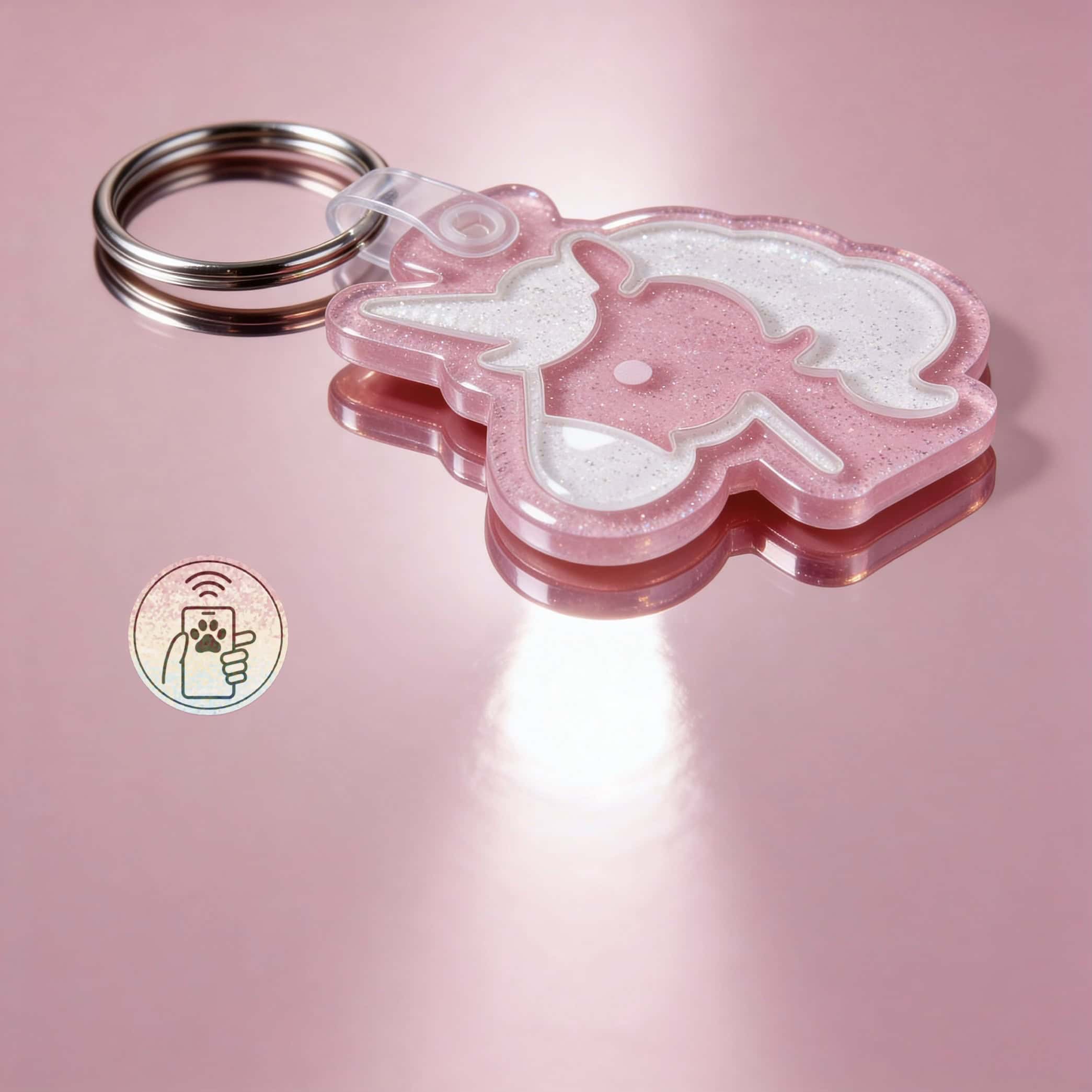
Under-stimulated indoor cats are the ones who bolt when a door opens. Vertical territory, scratchers and play reduce that pressure — but ID is the backstop. We make one, so this is disclosed bias: the Shiloh’s House $38 designer acrylic NFC tag is light enough for a breakaway cat collar, taps with any phone to show your contact details (the finder needs no app), and carries laser-engraved details on the back. Made in the USA, no subscription. It pairs with our free Lohji app for vaccine records and medical notes. More on collar safety in our cat ID tag guide.
Frequently Asked Questions
How tall should a cat scratching post be?
At least 30 inches for an average adult cat. The post needs to let your cat extend fully from the front paws through the shoulders and spine — a short post gets abandoned.
How many scratching posts does one cat need?
At minimum one vertical and one horizontal, in different rooms. Multi-cat homes should add one scratcher per additional cat so no one has to compete for a resource.
How do I stop my cat from scratching the couch?
Put an appropriate scratcher immediately next to the couch, make the couch corner temporarily unappealing with double-sided tape or a slipcover, and reward every use of the post. Removing the couch option without offering a better one just moves the problem.
Do cat scratching posts need catnip?
Not necessarily — about a third of cats do not respond to catnip at all. Silvervine or a wand toy played around the post works for many of those cats.
When should I replace a scratching post?
Replace or re-wrap when the material is shredded down to the core or the post has started to wobble. A wobbling post feels unsafe and cats stop using it.
Are scratching posts worth it for kittens?
Yes, and earlier is better. A kitten who learns the post before they learn the sofa rarely needs retraining — see our new kitten checklist for what else to have ready.
Get Your Tag
A designer acrylic tag light enough your cat forgets it is there — $38, engraved backup, no subscription.