Best Dog Brushes for Shedding in 2026: FURminator vs Hertzko vs Undercoat Rakes
 Shiloh’s House Team
·
·
5 min read
Shiloh’s House Team
·
·
5 min read
The best dog brush for shedding depends entirely on coat type: an undercoat rake or the FURminator deShedding Tool for double coats like huskies and shepherds, a self-cleaning slicker like the Hertzko for doodles and long-haired dogs, a rubber curry such as the KONG ZoomGroom for short-coated breeds, and a de-matting comb only for tangles you cannot brush out.
Spring is peak shedding season, and the wrong brush either does nothing or damages the coat. Here is what each tool actually does, matched to the dog you own.
Which dog brush for which coat: quick comparison
A FURminator on a doodle is the wrong tool; a slicker on a husky’s undercoat barely scratches the surface.
| Brush type | Popular example | Best coat type | Example breeds |
|---|---|---|---|
| Deshedding tool | FURminator deShedding Tool | Dense double coats | Husky, German Shepherd, Lab |
| Undercoat rake | Coastal Safari rake, Andis rake | Thick double coats, seasonal blowouts | Malamute, Golden, Aussie |
| Self-cleaning slicker | Hertzko Self-Cleaning Slicker | Curly, wavy and long coats | Doodles, Poodle, Shih Tzu |
| Pro slicker | Chris Christensen Big G | Show and heavy coats | Doodles, long-coat breeds |
| Rubber curry | KONG ZoomGroom | Short, smooth coats | Beagle, Boxer, Pit mix, Frenchie |
| Metal comb | Greyhound-style comb | Finishing and mat-checking | Any coat, after brushing |
Best for double coats: FURminator and undercoat rakes
The FURminator deShedding Tool is the household name and it genuinely removes a startling volume of loose fur. The caution that comes with it is real: it has a fine blade edge, and over-use or heavy pressure can thin and damage the topcoat. Use short, light passes, follow the direction of hair growth, and stop when the fur stops coming out easily.
An undercoat rake is gentler and often the better weekly tool. During a spring or fall coat blow, many owners rake first and finish with a deshedder for the last of it.
Best for doodles and long coats: self-cleaning slickers
Curly and wavy coats do not shed much — they mat, which means the goal is detangling, not de-furring. The Hertzko Self-Cleaning Slicker is the budget favorite because the retract button clears the pins in one press. The Chris Christensen Big G is the professional groomer’s pick: expensive, but the pins are long and flexible enough to reach the skin without scratching it.
Whatever you use, line-brush: part the coat, brush the exposed layer from the skin out, then move up. Brushing only the surface leaves mats forming underneath where you cannot see them.
Best for short coats: rubber currys
For beagles, boxers, and French bulldogs, a rubber curry brush like the KONG ZoomGroom lifts loose hair and feels like a massage. These dogs shed constantly rather than seasonally, so two or three short sessions a week beat one long one. Bonus: rubber currys work brilliantly during a bath to work shampoo down to the skin.
How often should you brush a shedding dog?
Most double-coated dogs need brushing two to three times a week, rising to daily during a seasonal coat blow; doodles and long coats need brushing every one to two days to prevent matting; short-coated dogs do fine with once or twice a week. Consistency beats intensity. Ten minutes every other day removes more hair, with less stress, than an hour-long wrestling match on Sunday.
Never shave a double-coated dog to reduce shedding
Shaving a husky, shepherd, or golden does not keep them cooler and can permanently damage the coat. The double coat insulates against heat as well as cold and protects skin from sunburn. Regular deshedding removes the trapped undercoat that actually causes overheating, which is what you wanted in the first place.
When shedding is not normal
See your vet if shedding comes with bald patches, red or flaky skin, obsessive scratching, a sudden change in coat texture, or hair loss in symmetrical patterns. Those can point to allergies, parasites, thyroid disease, or stress rather than a seasonal cycle. Diet matters too — a coat that has gone dull and brittle sometimes traces back to what is in the bowl, which we cover in our Purina vs Royal Canin vs Hill’s comparison.
Make grooming the moment you check the collar
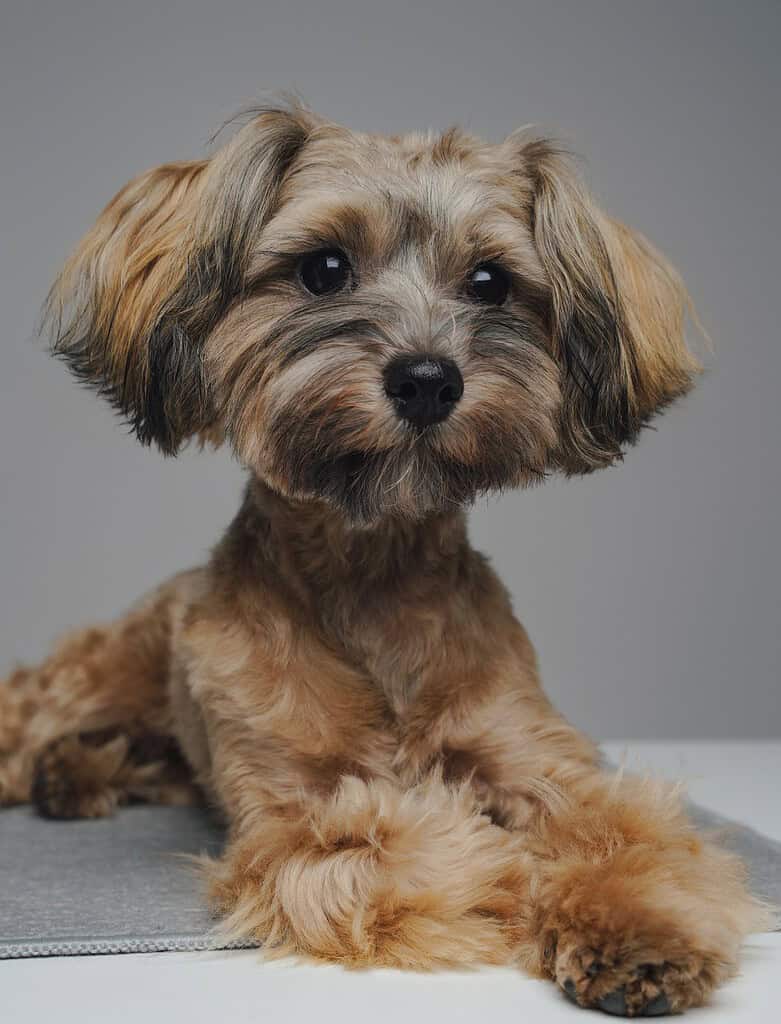
Brushing is the one time a week your hands are on your dog’s neck. Use it: check that the collar still fits two fingers snug, that the split ring has not worn thin, and that the ID is still readable. Engraved metal tags fade with rubbing far faster than most people realize, and a blank tag is the same as no tag.
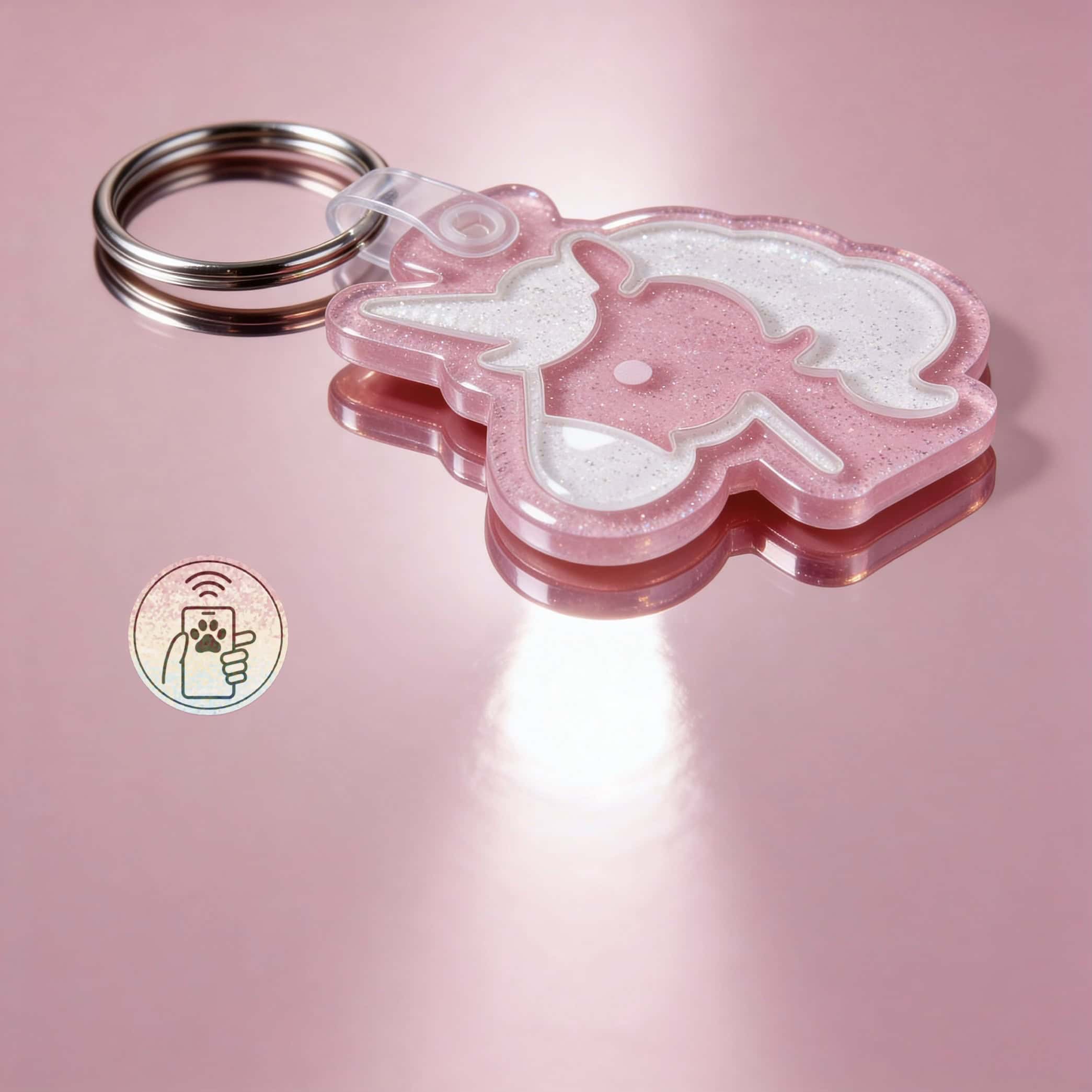
Our own answer is a Shiloh’s House NFC smart tag — designer acrylic, tapped by any phone with no app needed on the finder’s end, engraved details as a backup, made in the USA, $38, no subscription. We build them, so weigh that accordingly, but a grooming session is a good standing reminder to make sure whatever tag your dog wears is still doing its job. If your dog is a licker as well as a shedder, why your dog licks you is worth a read, and new adopters should start with our first 30 days checklist.
Frequently asked questions
What is the best brush for a heavy-shedding dog?
For a double-coated dog, an undercoat rake for regular use plus a FURminator-style deshedding tool for seasonal blowouts removes the most hair. For short coats, a rubber curry is the better everyday tool.
Is the FURminator bad for dogs?
Used lightly and occasionally it is fine and very effective. Used with heavy pressure or too often it can cut guard hairs and irritate skin. It is not the right tool for curly or single-coated dogs.
How do I stop my dog from shedding so much?
You cannot stop normal shedding, but you can move it from your sofa to a brush. Regular brushing, a complete diet with adequate omega fatty acids, and treating any underlying skin issue make the biggest difference.
Should I brush my dog wet or dry?
Dry, in almost every case. Brushing a wet coat tightens existing mats. Detangle first, then bathe, then dry and brush again.
Why is my dog shedding so much in spring?
Many double-coated breeds “blow coat” in spring and fall as daylight changes, releasing the dense winter undercoat over a few weeks. It is normal — brush daily until it passes.
Get Your Tag
Designer NFC smart pet ID that taps to your info in one touch — engraved backup, made in USA, $38, no subscription.