Best Dog Winter Coats & Jackets of 2026: Ruffwear, Hurtta, Canada Pooch, Kurgo & Carhartt Compared
 Shiloh’s House Team
·
·
6 min read
Shiloh’s House Team
·
·
6 min read
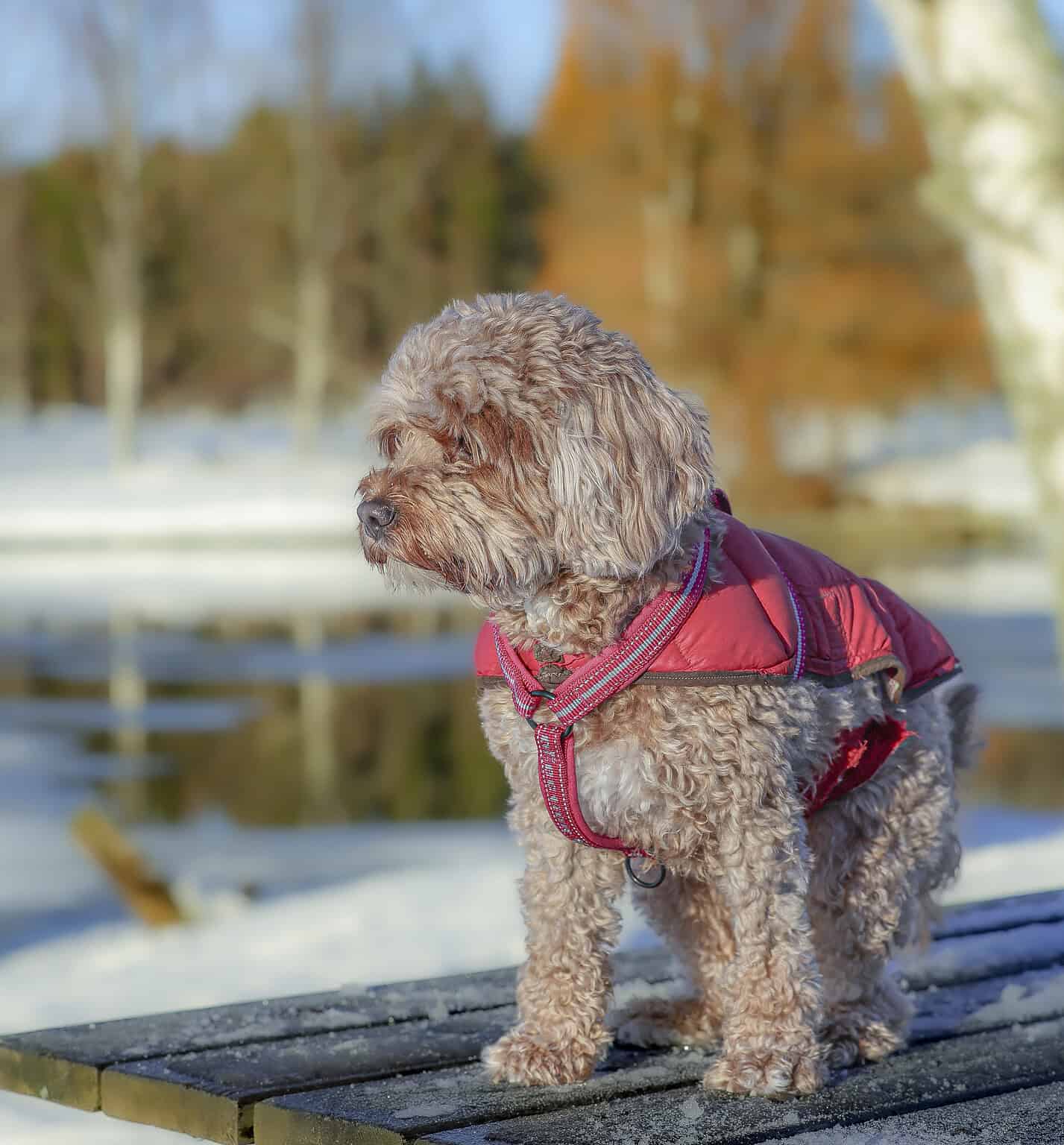
The best dog winter coat for most dogs in 2026 is the Ruffwear Powder Hound — an insulated, water-resistant jacket with full torso coverage that stays put on an active dog. If your dog is a short-coated small breed who gets genuinely cold on a five-minute walk, a Canada Pooch parka or a Carhartt Dog Chore Coat is warmer for the money. If you need waterproof rather than warm, look at Hurtta. And if your dog is a Husky, a Malamute or a well-coated Golden, the honest answer is that they probably do not need a coat at all.
Which dogs actually need a winter coat?
Dogs that generally do not: double-coated northern breeds, thick-coated working dogs, and dogs bred for cold climates. The rough field test is temperature plus time. Below about 45°F, small and short-coated dogs start losing heat faster than they make it. Below about 20°F, almost every dog is on a clock, coat or not.
Best dog winter coats of 2026: comparison table
| Coat | Warmth | Water resistance | Best for | Price tier |
|---|---|---|---|---|
| Ruffwear Powder Hound | High | Water-resistant | Active dogs, hikes, snow play | $$$ |
| Ruffwear Climate Changer fleece | Medium | None | Layering, dry cold, indoor seniors | $$ |
| Hurtta Expedition Parka | High | Waterproof | Wet, slushy, coastal winters | $$$$ |
| Canada Pooch parkas | High | Water-resistant | Small breeds, city walks, hard cold | $$$ |
| Kurgo Loft Dog Jacket | Medium-high | Water-resistant | Best value, reversible | $$ |
| Carhartt Dog Chore Coat | Medium-high | Water-repellent duck canvas | Durability, farm and brush | $$ |
Price tiers are relative, not exact — dog apparel goes on deep discount in late winter, so check current pricing.
Best overall: Ruffwear Powder Hound
The hybrid build wraps insulation around the chest and belly instead of draping a blanket over the spine, and the leg loops keep it from riding backward into a bunched-up cape halfway through the walk. It fits over most harnesses, which matters more than the marketing suggests: a coat you have to remove to clip a leash is a coat you stop using by January.
Best value: Kurgo Loft Dog Jacket
The Loft is the coat we recommend when someone asks for warm enough, not precious. It is reversible, machine washable, has a harness port, and reflective piping for the 5 p.m. dark. It is not a mountaineering shell and it will not survive a season of blackberry brambles, but for a suburban dog doing two neighborhood walks a day it is the right amount of coat.
Warmest for small dogs: Canada Pooch
Small dogs lose heat fastest, and the Canada Pooch parka lineup is cut specifically for the body shapes that other brands fit badly — deep-chested little dogs, long-backed dachshunds, and puffballs. Sizing runs by back length rather than weight, which is the correct way to size a dog coat and the reason so many owners of Chihuahuas and Italian Greyhounds end up here after two failed returns.
Best waterproof: Hurtta Expedition Parka
If your winter is wet rather than cold, waterproofing beats insulation, because a wet dog in 38°F loses heat faster than a dry dog in 20°F. Hurtta builds for Finnish weather: taped seams, a genuinely waterproof shell, and a fit that assumes the dog will be running. It is the most expensive coat here and it is the right one for the Pacific Northwest, New England slush, and anyone whose snow is mostly rain.
Most durable: Carhartt Dog Chore Coat
Duck canvas, a quilted lining and hardware that does not snap — it is the coat for a dog who works, or a dog who behaves like one. It is heavier than the technical options and it takes longer to dry, so it is the wrong pick for wet climates. For dry cold, brush and fence lines, nothing here lasts longer.
How to measure your dog for a coat
Measure three things: back length from the base of the neck to the base of the tail, the widest part of the chest, and the neck. Back length is the one that decides the size — a coat that is too long presses on the tail and gets soiled, and one that is too short leaves the lumbar area exposed. Weight-based sizing charts are a shortcut that fails on any dog who is not a textbook shape, which is most dogs.
Coats are not the only winter gear
Paws take more winter damage than backs do. Road salt is a chemical irritant and an ice ball between the toes will stop a walk cold. Boots or paw wax, plus a rinse when you get home, will do more for your dog comfort than upgrading from a good coat to a great one. And if your dog is a puller, get the harness right before you add a layer over it — we compared the options in our guide to the best dog harnesses of 2026.
The winter safety thing nobody puts on the list
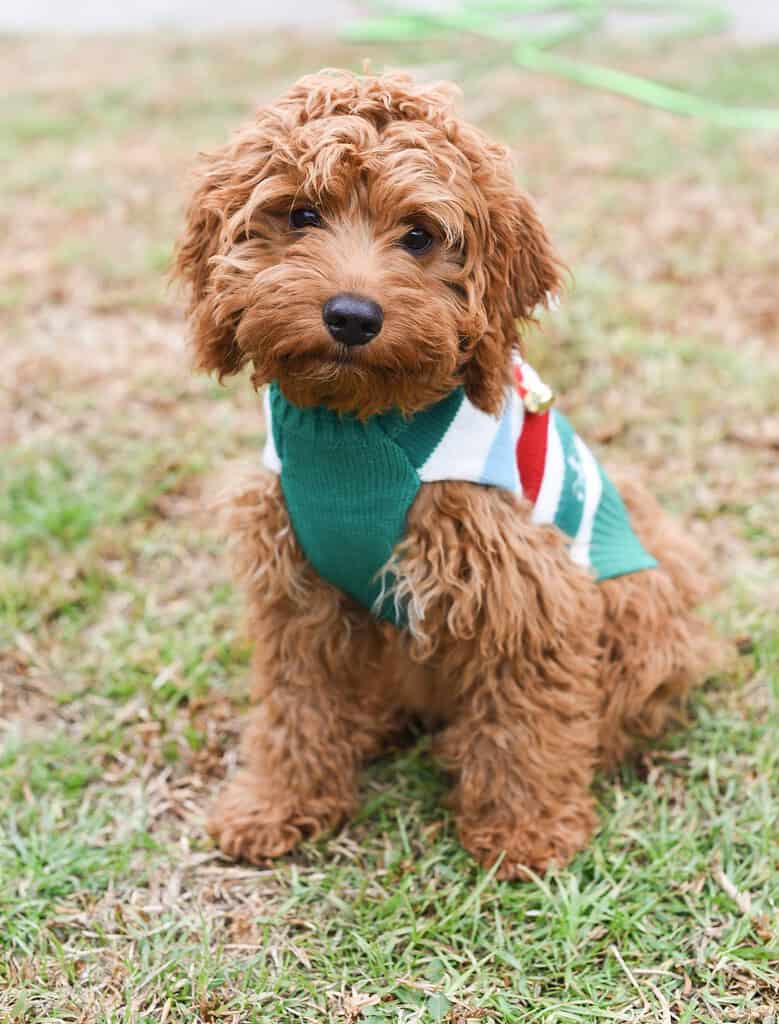
Our disclosed bias: we make pet ID tags, so this is the part we care about. Snow flattens and scatters scent trails, which is one reason a dog who slips a leash in January can lose the way home from a block away. Winter is also when coats come off at the door and collars come off with them. Whatever tag you use, check that the phone number on it is the one you actually answer — we wrote about why dog tags fall off and what to put on a dog ID tag if you want the checklist. Ours is a $38 designer acrylic NFC tag: any phone taps it, no app needed on the finder end, engraved on the back as a backup, and no subscription.
Frequently asked questions
What temperature is too cold for a dog to walk?
Below roughly 45°F, small, thin-coated, young, old or unwell dogs start to feel it. Below 32°F, most dogs should be in a coat for anything longer than a quick outing. Below 20°F, keep walks short for every dog regardless of breed and watch for lifted paws and shivering.
Do dogs really need coats, or is it just fashion?
It depends entirely on the dog. A Greyhound with very little body fat and a coat you can see through genuinely needs one. A Bernese Mountain Dog does not, and putting one on can make them overheat. Fashion and function overlap; they are not the same thing.
Should the coat go over or under the harness?
Over, with a harness port — that is what the slot in the back of most coats is for. Clipping a leash to a coat instead of a harness is unsafe; the fabric is not rated for it.
How do I get my dog to stop hating their coat?
Treat it like a harness. Put it on inside for thirty seconds, feed something excellent, take it off. Repeat for a few days before the first cold walk. Most coat refusal is a bad first association, not a fabric preference.
Are waterproof and water-resistant the same thing?
No. Water-resistant sheds light snow and brief drizzle; waterproof has a sealed membrane and taped seams and keeps a dog dry in real rain. If your winter is wet, pay for waterproof.
Can a dog wear a coat indoors?
A light fleece is fine for a thin senior in a cold house. An insulated shell is not — dogs shed heat through panting and paw pads, and a dog who cannot cool down in a warm room will get restless long before they look distressed.
Get Your Tag
A $38 designer acrylic NFC tag that any phone can tap — no app, no subscription, engraved backup on the back.