Why Is My Cat Panting? Normal Heavy Breathing vs. a Real Emergency
 Shiloh’s House Team
·
·
6 min read
Shiloh’s House Team
·
·
6 min read
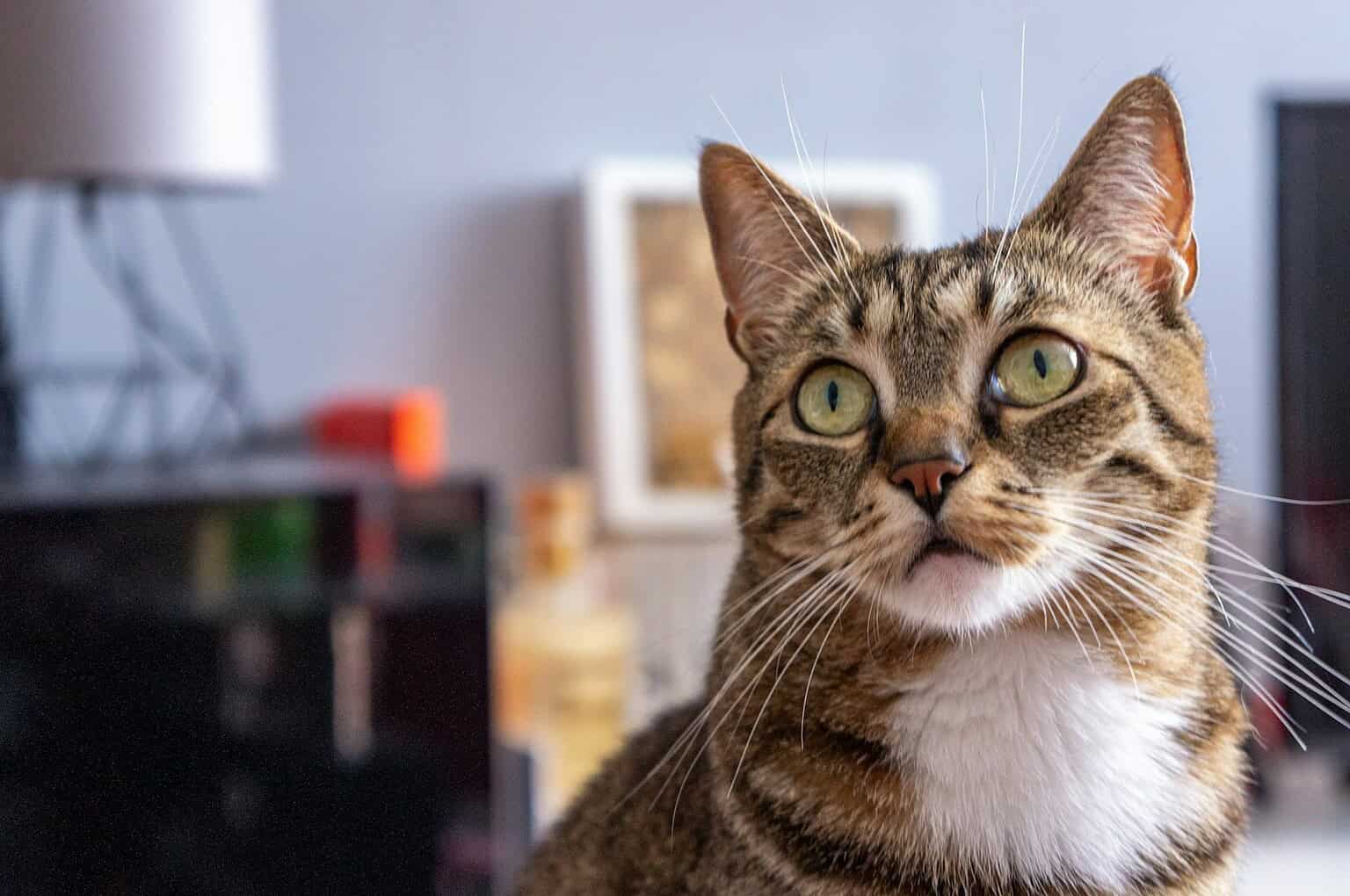
Cats are not dogs: panting is not a normal way for a cat to cool off, and open-mouth breathing in a cat resting quietly at home is treated as an emergency until a vet proves otherwise. Brief panting right after a wild play session, a stressful car ride, or a genuinely hot afternoon can be normal, and it should settle within a few minutes once your cat calms down. Panting that starts at rest, keeps going, or comes with fast shallow breaths, hiding, or pale or bluish gums is a reason to call a vet now rather than in the morning.
Is cat panting ever normal?
A kitten who has been tearing around the house, a cat who just came home from the vet, or a cat on a hot day may open its mouth and breathe hard for a short stretch. The test is simple: remove the trigger, let your cat settle somewhere cool and quiet, and watch the clock. Normal panting fades within roughly five to fifteen minutes. Panting that does not settle, or that shows up while your cat is simply lying on the couch, is not in the normal category.
The 8 real reasons cats pant
That is the honest reason vets take feline panting so seriously.
- Exertion. Hard play, especially in kittens and young cats. Should resolve quickly.
- Stress or fear. Car rides, carriers, vet visits, moving, fireworks. Very common, and usually paired with a tucked posture and dilated pupils.
- Heat. Cats do pant when overheated, and heatstroke in cats is a real emergency — particularly in flat-faced breeds, seniors, and any cat shut in a sunroom, garage or car.
- Heart disease. Hypertrophic cardiomyopathy is the most common feline heart disease, and fluid backing up into or around the lungs causes labored, open-mouth breathing. It often appears with no earlier warning.
- Feline asthma or allergic airway disease. Usually shows up as coughing, wheezing, or a crouched posture with the neck extended. Often mistaken for a cat trying to bring up a hairball.
- Fluid or air around the lungs. Pleural effusion, or trauma, compresses the lungs and forces fast, shallow, open-mouth breathing.
- Pain. Cats hide pain almost perfectly, and rapid breathing is one of the few tells. A blocked urinary tract in a male cat is both painful and an emergency.
- Anemia or another oxygen problem. Fewer red cells means more breathing effort. Look at the gums — they should be bubblegum pink, not white, gray or blue.
The warning signs that mean go now
Head to an emergency vet without waiting if you see any of these: open-mouth breathing while your cat is resting; gums that are pale, white, gray or blue; breathing with the elbows held away from the body or the head and neck stretched forward; a belly that heaves with each breath; open-mouth breathing that continues more than a few minutes after a trigger; collapse, staggering, or hiding somewhere new and refusing to come out. Do not put a stressed, breathing-hard cat through a long assessment at home — get it into a carrier calmly and go.
How to count your cat’s resting breathing rate
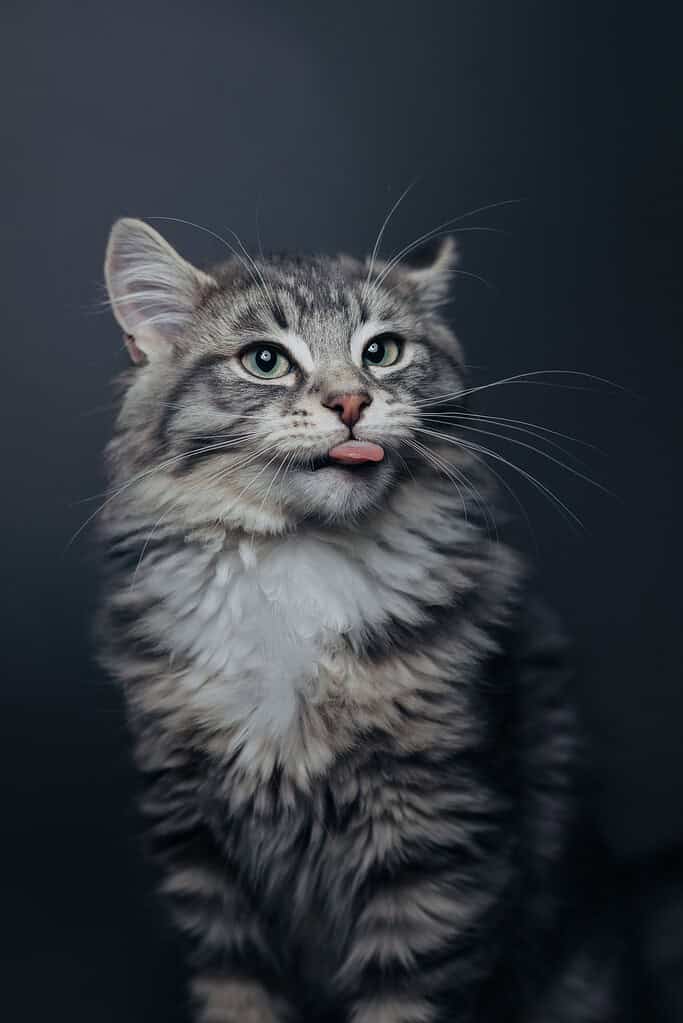
A sleeping or resting cat should take fewer than about 30 breaths per minute, and most healthy cats sit well under that. Wait until your cat is asleep or lying still, watch the chest rise and fall, count each full rise-and-fall as one breath for 30 seconds, and double it. Do it a few times over a week so you know your own cat’s baseline. A resting rate that has crept up over 30, and especially over 40, is one of the most useful early warnings of heart or lung trouble in cats — and it is a number your vet will actually want. Jot it in the notes section of your cat’s record so it is there at the appointment.
What to do right now if your cat is panting
Stop, cool, and count — then decide. Move your cat somewhere cool, dim and quiet. Do not chase, restrain or carry it around; handling makes breathing worse. Turn a fan on low nearby rather than dunking your cat in water. Give it five minutes, then count the breathing rate and check the gum color. If the panting has stopped and your cat is acting normally, note what triggered it and mention it at the next check-up. If it has not stopped, go. Feline breathing problems get worse quietly and then all at once.
Preventing the panting you can prevent
Most avoidable feline panting is heat or stress. Keep the house cool and shaded in summer, never leave a cat in a parked car or a closed sunroom, and check the garage and dryer before you close them. For stress, carrier training pays for itself — leave the carrier out year-round with a blanket inside so it stops being a trap. Our guide to the best cat carriers of 2026 covers the models cats actually settle in, and our summer travel safety guide covers the heat side. If your cat is regularly home alone for long stretches in hot weather, read how long you can leave a cat alone first.
Frequently asked questions
Do cats pant like dogs when they are hot?
Not really. Cats cool themselves mainly by grooming and by seeking shade, and panting is a late, inefficient backup. A panting cat is closer to overheated than a panting dog is.
How long can a cat pant before it is dangerous?
If there was a clear trigger and your cat is otherwise bright, a few minutes is usually fine. Panting that lasts more than about ten to fifteen minutes, or that starts with no trigger at all, warrants a call to your vet the same day.
Why is my cat breathing fast but not panting?
Fast, shallow breathing with the mouth closed can still signal heart disease, fluid around the lungs, pain, fever or anemia. Count the resting rate. Over roughly 30 breaths per minute at rest deserves a vet call even without open-mouth breathing.
Can stress alone cause my cat to pant?
Yes. Car rides and vet visits are the classic causes, and it is one of the few times owners see it. It should ease within minutes of getting home and settling. If it does not, that is no longer stress.
My cat pants after playing. Should I worry?
Occasional brief panting after intense play in a young, healthy cat is usually nothing. Panting after mild activity, or panting that is new for your cat, is worth a vet check — exercise intolerance is an early sign of heart disease in cats.
Does an indoor-only cat still need an ID tag?
Yes, and emergencies are exactly why. A panicking cat being rushed to an emergency vet is a cat going through open doors and unfamiliar hallways. We made the full case in do indoor cats need ID tags and in our guide to what cat parents actually need on a tag.
Where we come in, honestly
We make NFC smart pet ID tags, so treat this as disclosed bias. The reason it belongs in a post about breathing trouble is practical: when a cat is in respiratory distress, the useful information is medical, not just a phone number. A tap-to-call smart tag from Shiloh’s House shares your number instantly on any phone, no app needed for the person who finds your cat, and our free Lohji app is where you keep the vaccine history, medication list, and resting breathing numbers you will be asked for at the emergency clinic. The engraving on the back is the backup that works with no phone at all.
Get Your Tag
Lightweight designer acrylic NFC tags cats will actually wear, with engraved backup and no subscription. Medical records live free in the Lohji app.
This article is general information, not veterinary advice. If your cat is breathing with its mouth open at rest, call an emergency vet.