Why Is My Cat Sleeping So Much? Normal Naps vs. Real Red Flags
 Shiloh’s House Team
·
·
3 min read
Shiloh’s House Team
·
·
3 min read
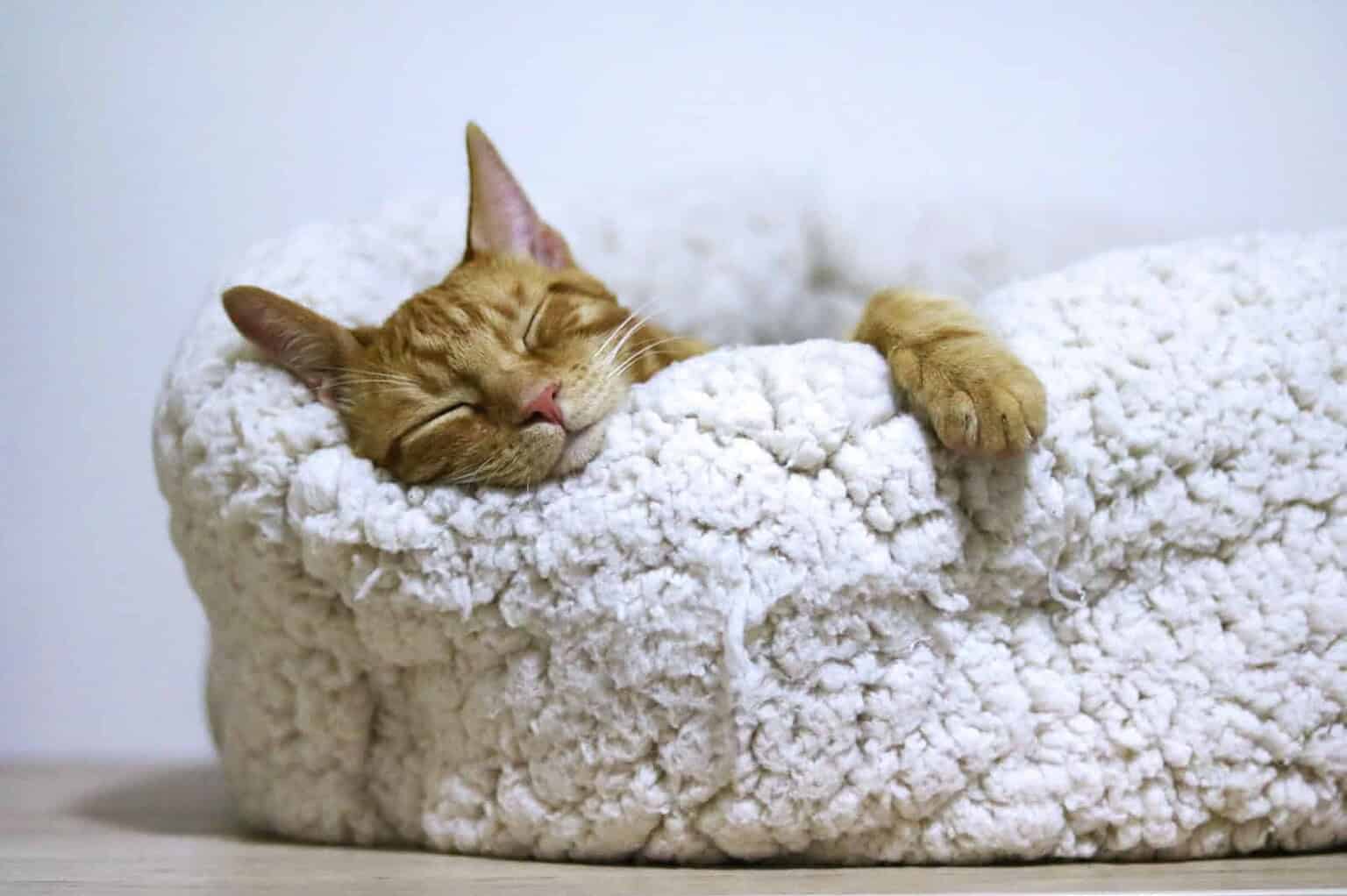
“Why is my cat sleeping so much” is one of the most-Googled cat questions on the internet, usually typed by someone watching a cat who has not moved in four hours. Here’s the reassuring part first: your cat is probably fine. Cats sleep 12 to 16 hours a day, and seniors and kittens sleep even more. The trick is knowing the difference between a champion napper and a cat who’s telling you something.
Why cats sleep so much in the first place
Cats are hardwired hunters, and hunting is expensive. Wild cats burn enormous energy in short bursts and spend the rest of the day recharging, and your house cat inherited the schedule even though dinner now arrives in a bowl. Add that cats are crepuscular (most active at dawn and dusk, not nocturnal), and the math works out to a cat who dozes through most of the human day by design.
Cats also nap in layers. Much of that sleep is light dozing with ears still on duty — you’ve seen the ear swivel toward a treat bag from a “dead sleep.” Only part of it is deep sleep, which is why they can go from flat to airborne in about a second.
Normal reasons your cat is extra sleepy
Age. Kittens and senior cats sleep the most, sometimes 18 to 20 hours. Weather. Rainy days and hot afternoons are nap accelerants; summer heat in particular makes cats conserve. Boredom. A cat with nothing to do sleeps because it’s the most interesting option available. More play, window perches, and puzzle feeders often “cure” a sleepy cat overnight. Routine shifts. Cats mirror the household. If your schedule changed, theirs did too.
The red flags that actually matter
What vets care about isn’t the hours, it’s the change. A cat who has always slept 16 hours is normal at 16 hours. Watch for these instead:
Sleeping more AND eating less. This combination is the big one. Cats hide illness expertly, and appetite loss plus lethargy is how many conditions first show. A cat who skips food for more than a day needs a vet — cats can develop a dangerous liver condition (hepatic lipidosis) from not eating, and heavier cats are at higher risk, not lower.
Hiding to sleep. A cat who suddenly sleeps in the closet, under the bed, or somewhere they never used to is following an old instinct to conceal weakness. New hiding is worth a call to the vet even without other symptoms.
Lethargy vs. sleep. A sleepy cat still greets you, eats, and has opinions. A lethargic cat is dull when awake — uninterested in food, play, or you. Lethargy is a same-week vet visit; lethargy with vomiting, wobbliness, or labored breathing is a same-day one.
Any sudden change in an older cat. Senior cats develop thyroid, kidney, and joint issues that are very manageable when caught early. Abrupt sleep changes are often the first visible sign.
The sneaky overlap: sick cats hide, and scared cats bolt
The same instinct that makes an unwell cat disappear into a closet makes a startled cat disappear out an open door. Cats under stress don’t ask for help; they remove themselves. That’s why indoor cats end up outside far more often than their owners believe possible, usually during the exact chaotic moments (contractors, parties, moves) that stress them into hiding mode. A Shiloh’s House smart NFC tag is light enough that even a cat with strong accessory opinions forgets it’s there, and if the worst happens, whoever finds your cat taps the tag with their phone and instantly sees how to reach you — including any medical notes a finder or vet should know. For a cat managing a health condition, that field alone is worth the tag. Here’s what actually belongs on a cat’s tag.


Bottom line: hours of sleep alone almost never mean anything. Changes do. When your gut says something is different about your cat, trust it and call your vet — you know your cat’s normal better than any article does, this one included.