Why Is My Dog’s Nose Dry? When It’s Normal and When to Worry
 Shiloh’s House Team
·
·
10 min read
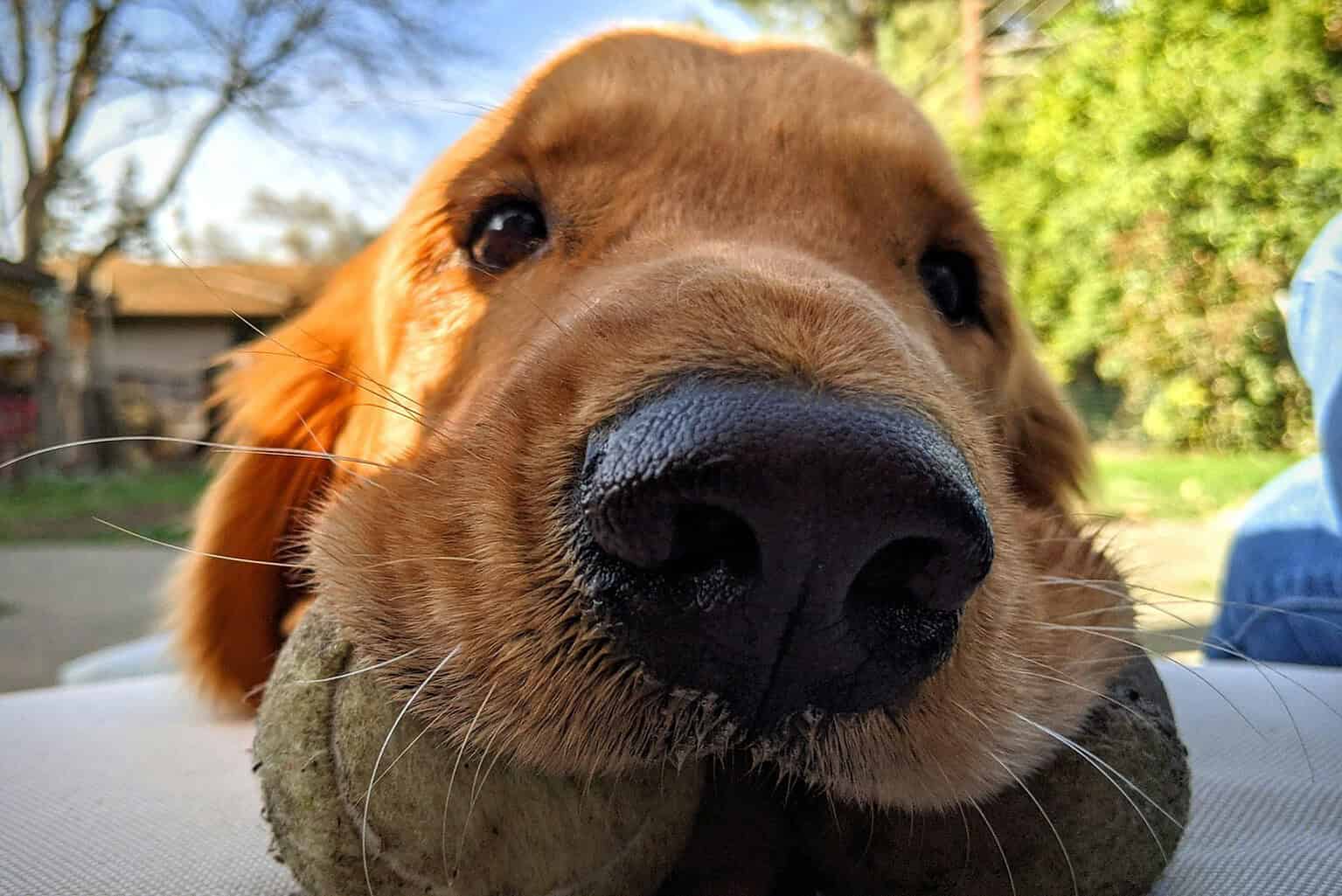
A dry nose alone doesn’t mean your dog is sick. Noses dry out during sleep, near heaters, in sun, wind and cold, after hard exercise and with age, and flat-faced breeds often struggle to lick theirs. Call your vet if the dryness comes with cracking, crusts, sores, bleeding, color loss or discharge, or with lethargy, vomiting, diarrhea or appetite changes.
Is a dry nose a sign of a sick dog?
It’s one of the most repeated bits of dog lore: a cold, wet nose means a healthy dog, and a warm, dry nose means a sick one. The American Kennel Club’s answer is that there are several perfectly normal reasons a dog’s nose can be warm or dry, and that sick dogs can have wet noses, too.
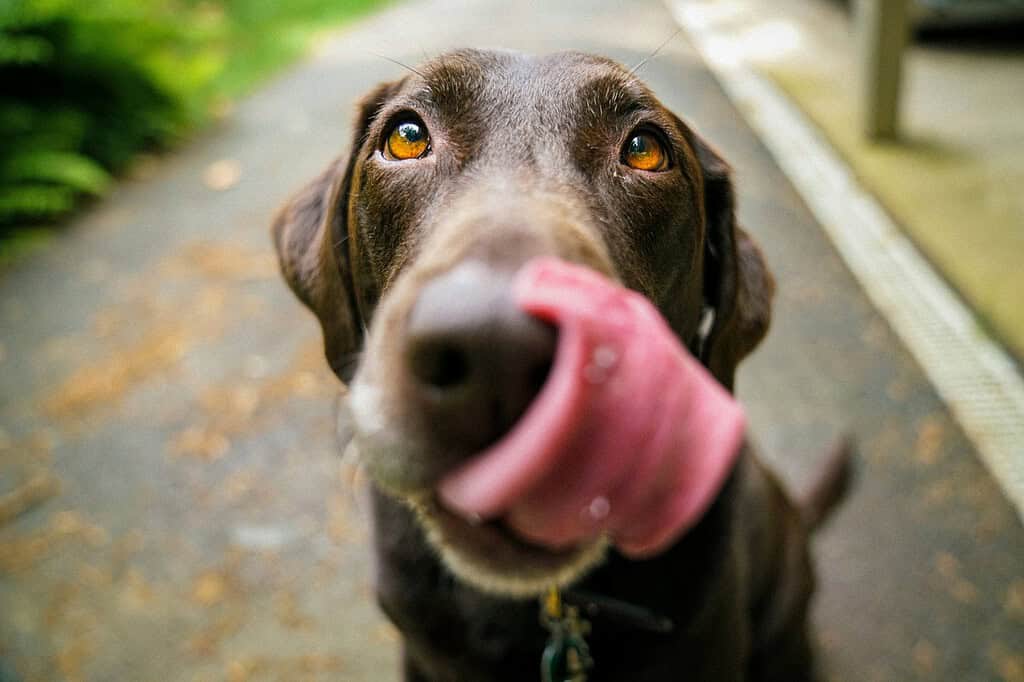
A wet nose does have a job. The AKC explains that scent particles stick better to moist surfaces, and that a watery fluid from glands in the nose lining helps keep a dog cool. Licking keeps the surface wet and clears away dirt and pollen.
Most of the time, a dry nose is just a dry nose.
Jan Reisen, American Kennel Club
That doesn’t mean the nose tells you nothing. The AKC notes that a hot, dry nose can be a sign of fever, dehydration or even dry eye, and that a dry nose alongside lethargy, vomiting, diarrhea, or a change in activity or appetite is a reason to call your vet. Its fever guide adds that the nose test alone often isn’t enough.
Why is my dog’s nose dry? Everyday causes
Sleep is the simplest explanation. Dogs don’t lick their noses while they sleep, so many wake up with a warm, dry one; the AKC says it should be wet again within 10 minutes of waking.
Heat and weather come next. Sleeping beside a heating vent, fire or heater can dry the nose until your dog moves away from it. Cold winter air and wind do to a dog’s nose roughly what they do to your lips, and hot sun can dry it, chap it or burn it.
Hard exercise, especially in hot weather, can dehydrate a dog and leave the nose dry, so keep cool, fresh water on hand. If your dog suddenly drinks far more than usual, our guide to why dogs drink a lot of water explains what that can mean. Some dogs also develop drier noses with age; the AKC suggests a dab of nose balm.
Why flat-faced breeds and some others get dry noses
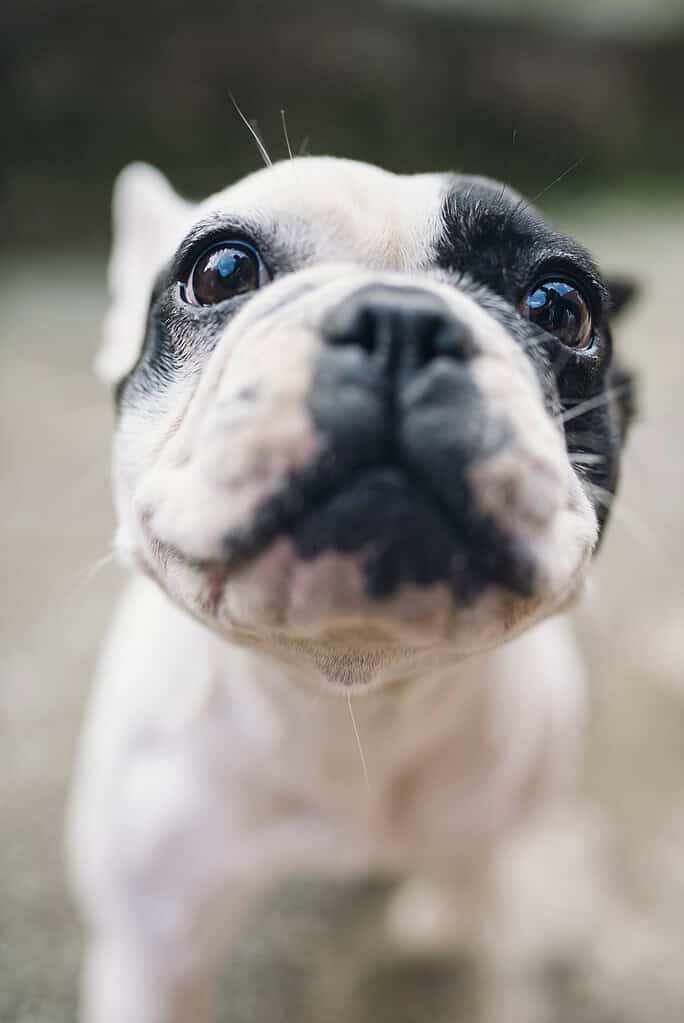
Breed matters more than many owners realize. The AKC notes that short-snouted breeds such as Pugs and Bulldogs often have trouble licking their noses and may need a moisturizer, and that Lhasa Apsos are prone to blocked tear ducts, which can also dry the nose.
Flat faces also tend to build up thickened skin. PetMD’s veterinarian-written guide says nasal hyperkeratosis is often diagnosed in brachycephalic breeds such as Bulldogs, Boston Terriers, Pugs and Boxers, partly because a flat nose that doesn’t touch the food bowl misses everyday rubbing that wears old skin away. It’s also common in Labrador Retrievers and Cocker Spaniels.
Some nose conditions run in particular breeds. The Merck Veterinary Manual describes hereditary nasal parakeratosis in Labrador Retrievers, which causes crusts and cracks on the nose and can be confirmed with a genetic test, and zinc-responsive dermatosis, which crusts and lightens the nose, mostly in young adult dogs of northern breeds. Dogs with pale or pink noses are also more prone to sunburn, according to the AKC.
Dog nose dry and cracked? It may be hyperkeratosis
If the top of the nose looks thick, hard, crusty or cracked, a common culprit is hyperkeratosis. PetMD explains that the body makes too much keratin, the protein in skin, hair and nails, and the excess builds up on the bridge of the nose, the paw pads and pressure points like the elbows.
It’s usually more nuisance than pain. PetMD says most dogs feel it like a callus and it’s rarely an emergency; if your dog is comfortable and acting normally, see your vet within a couple of weeks of noticing it. Merck describes nasal hyperkeratosis in older dogs as frond-like growth on top of the nose that isn’t painful and generally needs no treatment.
Your vet will still want to rule out look-alikes: PetMD lists pemphigus foliaceus, lupus erythematosus, Cushing’s disease, canine distemper virus and zinc deficiency. For older dogs with calluses, it suggests a moisturizing balm on the nose, paw pads and elbows to keep the skin soft and free of cracks.
Not tagged yet?
If your dog has a diagnosed condition, like a nose problem that needs daily medication or strict sun limits, a Shiloh’s House smart tag puts that note, your phone number and your dog’s profile one tap away for whoever finds them. Your number is laser-engraved on the back as a backup. No battery, no subscription, and the finder doesn’t need an app.
Crusts, sores, bleeding or color loss: when dryness is medical
Dryness that changes how the nose looks is a different matter. The AKC notes that two autoimmune diseases, discoid lupus erythematosus and pemphigus, can make a dog’s nose dry out, crust and crack, though they aren’t the first thing to suspect. Merck adds that autoimmune diseases often cause crusting, erosion and bleeding of the nose, sometimes with pigment loss, and that a biopsy is the next step when they’re suspected.
VCA Animal Hospitals identifies discoid lupus as the most common form of skin lupus in dogs. It usually starts around the nose with crusting, sores and patches that lose their dark color, and the nose’s normal pebbly surface can flatten out and look smooth. Sun exposure seems to aggravate it. Because the nose is rich in blood vessels, a sore in the wrong spot can bleed a lot, and a skin biopsy is needed to confirm it.
Sun and allergies round out the list. The AKC says a dry nose can signal sunburn, and Merck notes that true sun damage hits the unpigmented parts of the nose first, is worse in summer, and can progress to lupus or skin cancer. Dryness can also be an allergy symptom, according to the AKC; see our guides to fall allergies in dogs and dog allergy relief options.
Merck also lists infections and growths: bacterial infections cause crusting and discharge around the nostrils, fungal infections can cause swelling, severe sores and heavy nasal discharge, and squamous cell carcinoma can cause sneezing, bleeding and sores that don’t heal. It even notes that nerve damage, often from an ear infection, can leave the nose excessively dry.
How to check your dog for a fever
If you suspect a fever, reach for a thermometer instead of feeling the nose. The AKC says only a rectal or ear thermometer gives an accurate reading and recommends a digital pet thermometer, which reads in about 60 seconds. Don’t use a glass one.
For a rectal reading, the AKC’s steps are to lubricate the thermometer with petroleum jelly or baby oil, gently insert it about an inch, and remove it as soon as you get a reading. Ear thermometers are less invasive but must sit deep in the horizontal ear canal.
At 103°F or higher, the AKC says to head to the vet, and it warns that 106°F or higher can damage internal organs and can be fatal, so don’t wait for the number to climb. Never give your dog human medications without talking to your veterinarian first.
What can I put on my dog’s dry nose?
Start by fixing the cause: move the bed away from the heater, keep fresh water available, and limit midday sun. Dr. Jerry Klein, the AKC’s Chief Veterinary Officer, says the best sun protection is keeping your dog indoors or in the shade from 10 a.m. to 4 p.m., apart from quick bathroom breaks.
When the nose itself needs help, use a balm made for dogs. The AKC suggests nose balm for older dogs and a moisturizer for flat-faced breeds, and says a vet may prescribe a lotion or balm for chronic dryness once allergies and disease are ruled out. Because dogs lick their noses constantly, whatever you use should be safe to eat. Our best dog paw balm guide includes a paw-and-nose lotion.
For sun-prone noses, the AKC recommends a dog sunscreen on the bridge of the nose, and keeping your dog from licking it off until it’s absorbed. Merck cautions that not all human sunscreens are safe for dogs and suggests asking your vet to recommend one.
Dry dog nose: normal or a vet visit?
Use the rest of your dog, and the timing, to judge which kind of dry nose you’re looking at.
| What you notice | What it usually means | Your move |
|---|---|---|
| Dry after a nap, near a heater or on a cold, windy day | Normal drying | Give it time; move the bed away from heat |
| Dry after hard exercise in hot weather | Possible dehydration | Water and rest; check the gums |
| Flat-faced breed with a nose that’s dry most of the time | Can’t lick it well | A dog-safe moisturizer; ask your vet |
| Thick, hard or cracked buildup on top of the nose | Likely hyperkeratosis | Vet visit within a couple of weeks |
| Crusts, sores, color loss, a smooth surface or discharge | Possible autoimmune disease, sun damage or infection | Vet visit; urgent if it bleeds heavily |
| Dry nose plus lethargy, vomiting, diarrhea or appetite changes | Possible illness, fever or dehydration | Take their temperature and call your vet |
Frequently asked questions
Is a dry nose a sign that my dog is sick?
Not on its own. The AKC says there are plenty of normal reasons for a dry nose, such as sleep, heat, wind, sun and age, and that sick dogs can have wet noses, too. A dry nose with lethargy, vomiting, diarrhea or appetite changes is worth a call to your vet.
Does a warm, dry nose mean my dog has a fever?
Not necessarily. The AKC says the nose test alone often isn’t enough. Use a rectal or ear thermometer: normal is 99.5 to 102.5°F, and 103°F or higher is a fever that needs a vet.
What can I put on my dog’s dry, cracked nose?
A balm made for dogs, ideally one your vet recommends. Since dogs lick their noses, the AKC says it should be safe to eat. Avoid products with zinc oxide, and have cracks, crusts or sores checked by your vet.
Can I use human sunscreen on my dog’s nose?
Ask your vet first. The Merck Veterinary Manual warns that not all human sunscreens are safe for dogs, and the AKC says dog sunscreens shouldn’t contain zinc oxide or PABA, which are toxic to dogs if swallowed.
Why is my dog’s nose dry and crusty?
Thick, crusty buildup on top of the nose is often hyperkeratosis, which is common in flat-faced breeds and older dogs. Crusts with sores, bleeding or color loss can point to autoimmune disease, sun damage or infection, so see your vet.
Sources
- American Kennel Club — Why Is My Dog’s Nose Dry?
- American Kennel Club — Fever in Dogs: Signs, Symptoms, Treatments
- American Kennel Club — Do Dogs Need Sunscreen?
- PetMD — Hyperkeratosis in Dogs
- VCA Animal Hospitals — Discoid (Cutaneous) Lupus Erythematosus
- Merck Veterinary Manual — Nasal Dermatoses of Dogs (professional version)
- Merck Veterinary Manual — Nasal Dermatoses in Dogs (pet owner version)
- ASPCA — Pets and Sunscreen: Don’t Get Burned by the Myths!