Pets and Kids: Why Growing Up With a Dog or Cat Is One of the Best Gifts You Can Give a Child
 Shiloh’s House Team
·
·
4 min read
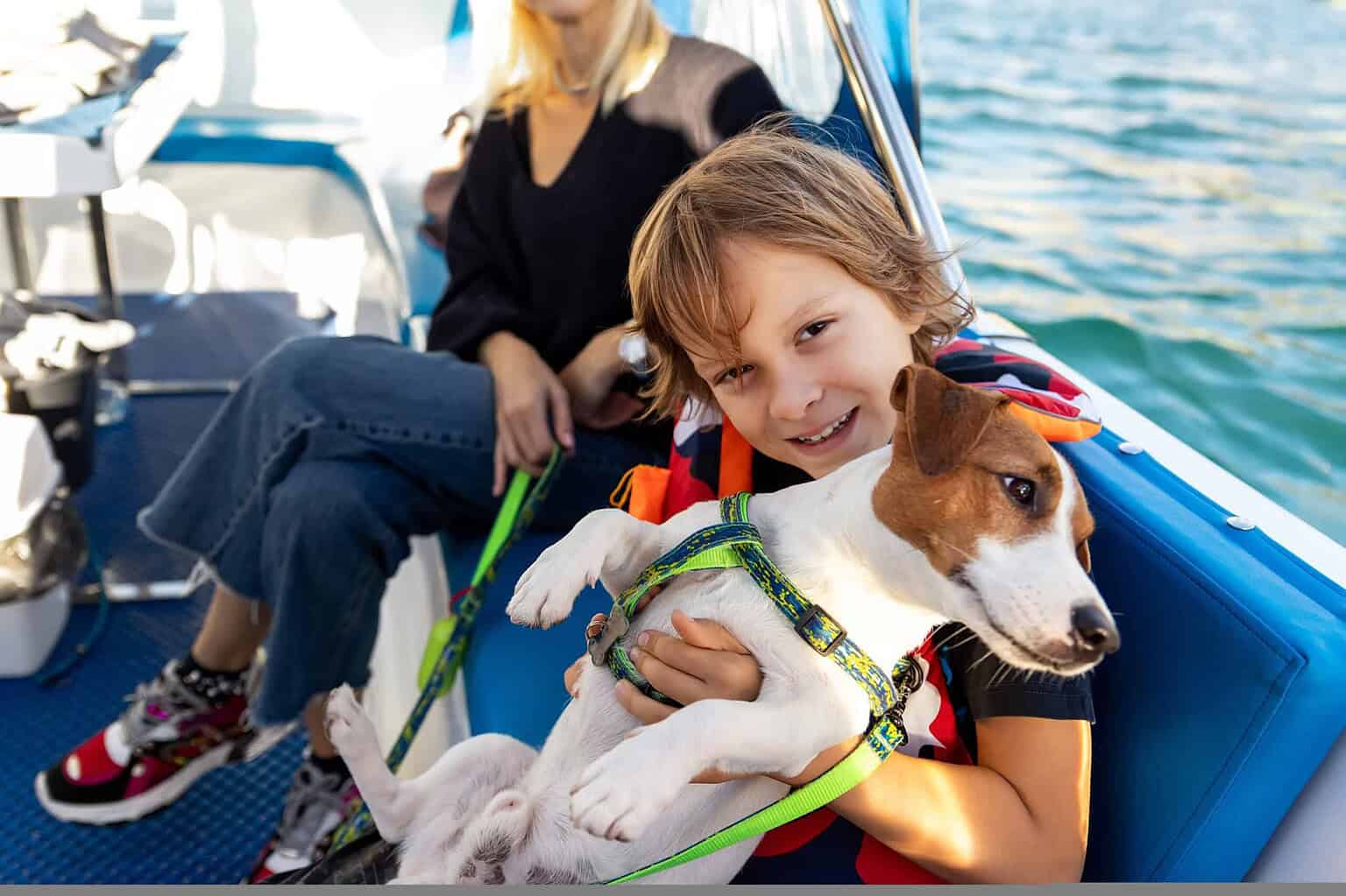
Ask any adult about their childhood pet and watch their face change. The dog who slept outside the nursery door. The cat who tolerated exactly one child and chose yours. Those relationships aren’t just cute — decades of research say growing up alongside a pet shapes kids in ways that last a lifetime. Here’s why the pet-and-kid bond matters, and how to build it right.
What pets actually teach kids
Empathy, on a daily schedule. A pet is a creature whose needs don’t pause for a child’s mood. Learning to read a dog’s body language or notice that the cat is hiding teaches kids to consider a perspective that isn’t their own — the foundational skill of empathy, practiced every single day at home.
Responsibility with real stakes. Filling the water bowl and scooping food are chores where the consequences are visible and immediate: a living being depends on you. Age-appropriate pet duties are one of the most natural ways kids learn that showing up matters, even when they don’t feel like it.
Confidence and comfort. Pets don’t judge a stumbling reader or a kid having a hard week. Reading aloud to a dog is a real technique used in schools and libraries because the audience is warm and the stakes are zero. And for many kids, the family pet is the first confidant — the one who hears everything.
Illness, aging, and loss arrive in every life. Walking through them first with a beloved pet, with parents alongside, gives kids a framework for grief and care that serves them forever. It’s part of why our own story starts with a dog named Shiloh.
Building the bond safely (the part that’s on us, not them)
Supervise, always, especially early. Young kids and pets should never be left alone together, no matter how gentle both are. Most bites and scratches happen when adults step away and a child does something the pet has quietly tolerated ten times already.
Teach consent — yes, for pets. Kids can learn early that a sleeping dog isn’t for hugging, an eating dog isn’t for touching, and a cat who walks away has answered the question. Teaching kids to invite the pet over (and accept “no”) protects both of them and builds exactly the respect for boundaries you want them learning anyway.
Give the pet an exit. Every pet in a kid household needs a retreat — a crate, a gate, a cat tree, a room — where children know the pet is off-limits. A pet who can leave is a pet who rarely feels cornered, and cornered is where trouble starts.
Match the duties to the age. Toddlers can help pour pre-measured food with you. Grade schoolers can own the water bowl and brushing. Tweens can walk the dog on quiet routes and take real ownership. New pet in the house? Our first 30 days guide covers the settling-in period when routines get built.
Make the kids part of the safety team
Here’s a family ritual worth starting: kids make wonderful safety officers. Put them in charge of the monthly “tag check” — is the collar snug, is the tag on, does the info still look right? It gives them a real job in protecting the pet they love, and it keeps something important from being forgotten. With a Shiloh’s House smart NFC tag, the check is even better: let your kid tap the tag with your phone and watch their pet’s profile pop up. (Fair warning: this does not get old for them.) They learn exactly how their pet would make it home — and since kids are often the ones holding the door open when a pet slips out, understanding why the tag matters makes them more careful with the door, too. It’s a whole safety lesson disguised as a magic trick.
How can kids help keep their pet’s Lohji profile current?

The monthly tag check gets even better when kids help with the profile behind the tag, too. In the free Lohji app (App Store or Google Play), a parent signs in with a text-message code, and the family can sit down together and go through the pet’s free safety profile: name, breed, birthday, medical and behavioral notes, the vet, and up to 3 emergency contacts that a finder can call, text, email or map with one tap.
The part kids love most is the voice. The app lets you record how to say your pet’s name, plus up to three 15-second voice messages that play on the profile a finder opens. A calm “It’s okay, Biscuit, someone is calling us right now” in a familiar voice can comfort a scared pet, and recording it is a five-minute project kids remember. Re-record it on the pet’s birthday so it grows up with them.
Make the profile a two-minute item on the monthly check: is the phone number still right, is the new babysitter or grandparent listed as a contact, did the vet change? You can edit the profile any time and the change shows up instantly when the tag is tapped. Older kids can also pick one of the 21 profile themes so the page feels like their pet.
The family portrait, upgraded
One more way to cement the pet’s spot in the family: make them a character. Kids lose their minds (good version) when the family dog becomes a Pixar-style cartoon in Lohji — trading cards of their own pet, stickers for their water bottle, a mini movie starring the cat. It’s the pet-and-kid bond, laminated.


The kids who grow up with pets become the adults who tell you about them thirty years later, mid-sentence, with their whole heart. Build the bond on respect and safety, and you’re not just raising a kid who loves animals. You’re raising a good human. The pet was the tutor all along.