Can Dogs Eat Coconut? Meat, Oil, Water, Milk and How Much Is Safe
 Shiloh’s House Team
·
·
16 min read
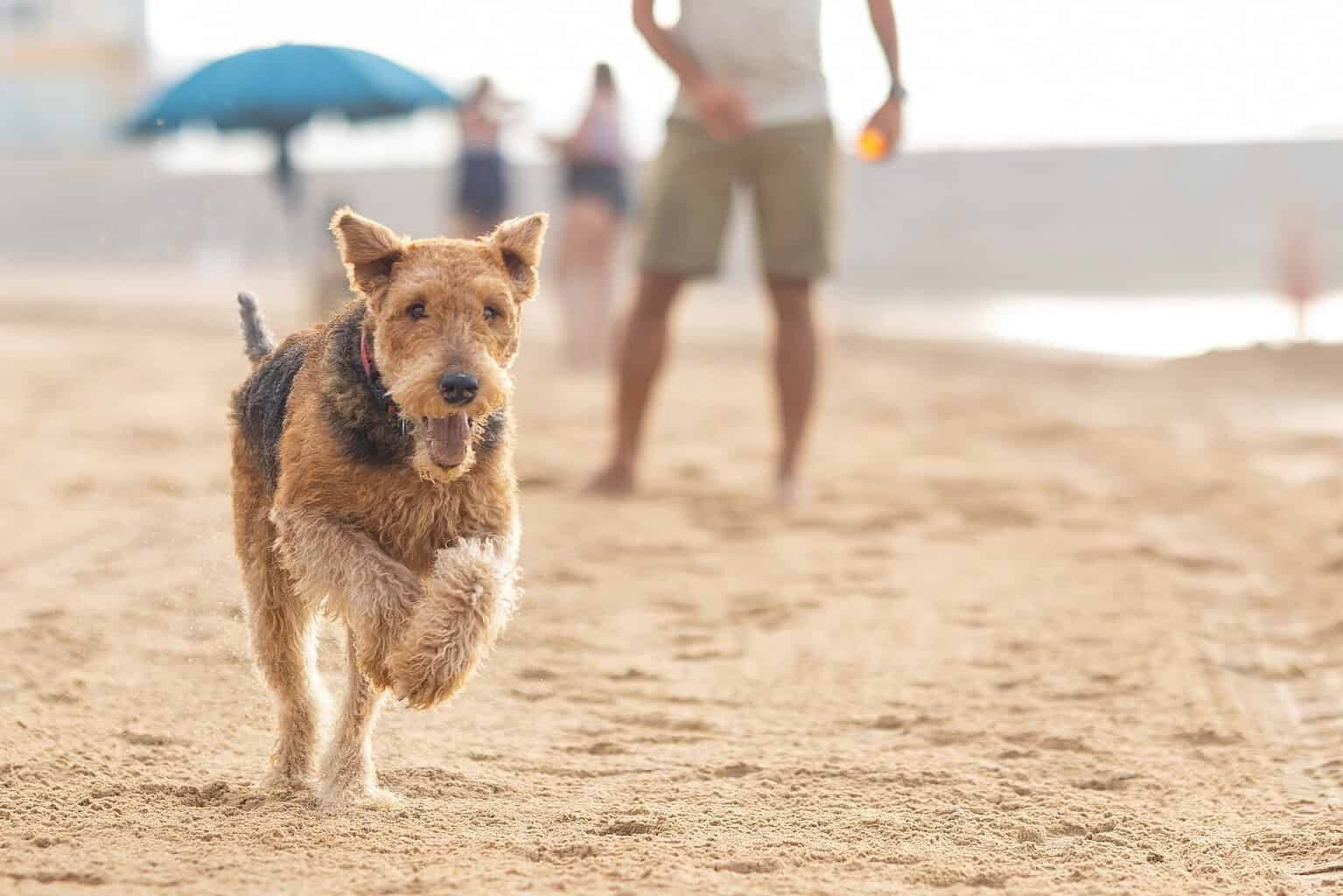
Yes, dogs can eat plain fresh or unsweetened coconut meat in small amounts, because it is not toxic, but it is one of the fattiest treats you can hand over, so a few flakes is the right serving. USDA lists raw coconut meat at 354 calories and nearly 30 grams of saturated fat per 100 grams. The shell can choke or block a dog, coconut oil adds calories without proven benefits, and coconut milk and sweetened flakes belong to you. Pancreatitis-prone and overweight dogs should skip coconut.
Last updated: November 2026
Can dogs eat coconut safely?
Coconut sits in the safe-but-rich column. The ASPCA Animal Poison Control Center says that when ingested in small amounts, coconut and coconut-based products are not likely to cause serious harm to your pet, but that the flesh and milk of fresh coconuts contain oils that may cause stomach upset, loose stools and diarrhea. PetMD, in an article reviewed by Sandra C. Mitchell, DVM, DABVP, says coconuts are not toxic to dogs and that a dog who laps up a dropped piece should be fine.
The American Kennel Club agrees. Jolee Stegemoller, DVM, told the AKC that coconut flesh, milk and water are safe for dogs as long as they are unsweetened and free of xylitol, and that coconut is “not a cure-all supplement, but unlikely to cause harm if fed as a treat.” Her two cautions are the ones every source repeats: coconut is higher in fat than most treats, and the husk and shell can cause an intestinal blockage.
So coconut is nowhere near the list of foods dogs cannot eat, but it is not an everyday snack like a green bean either. Think of it as a bite of cheese: an occasional reward measured in teaspoons.

Is coconut good for dogs?
Here is what USDA FoodData Central reports for raw coconut meat (SR Legacy, FDC ID 170169), per 100 grams and per USDA’s 80-gram cup of shredded coconut.
| Nutrient (raw coconut meat) | Per 100 g | Per cup shredded (80 g) | Per tablespoon shredded (about 5 g) |
|---|---|---|---|
| Calories | 354 kcal | 283 kcal | 18 kcal |
| Total fat | 33.5 g | 26.8 g | 1.7 g |
| Saturated fat | 29.7 g | 23.8 g | 1.5 g |
| Dietary fiber | 9.0 g | 7.2 g | 0.5 g |
| Total sugars | 6.2 g | 5.0 g | 0.3 g |
| Potassium | 356 mg | 285 mg | 18 mg |
The table tells the story. Nine out of every ten grams of fat in coconut are saturated, and USDA’s breakdown shows half of that is lauric acid, the medium-chain fatty acid behind most of the health claims. A single two-inch chunk of fresh coconut, the 45-gram piece USDA uses as a portion, carries about 159 calories, several times a 10-pound dog’s daily treat budget.
There are real nutrients in there, too: plenty of fiber, manganese, some potassium, and PetMD notes coconut is rich in magnesium. But a dog on a complete and balanced diet is already getting what it needs. What coconut mostly offers is flavor and crunch, paid for in fat. For a fruity treat, fresh banana, pineapple and mango all land under 100 calories per 100 grams with almost no fat.
Does coconut oil actually help a dog’s skin, coat or brain?

Most coconut articles answer this with a shrug and a list of benefits, so it deserves a straight look at the evidence. Coconut oil is at least 90 percent saturated fat, and the AKC’s coconut oil guide, updated in 2025, lists the usual claims: digestion, mental function, weight loss, fungi and skin. Then the same article concedes that there has not been extensive research proving coconut oil definitively aids any of these things in dogs.
Veterinary nutritionists are blunter. Angela Witzel Rollins, DVM, PhD, DACVN, told a dvm360 conference audience that because no studies have evaluated the benefits of coconut oil in dogs or cats, there is simply no scientific evidence for the claims about cognition and joints. She also explained why the seizure research does not transfer. The trials that found fewer seizures in epileptic dogs used diets rich in capric and caprylic acid, while the main medium-chain fat in coconut oil is lauric acid, which nobody has tested for that purpose.
The skin claim is the most popular and the least supported. Andrew Simpson, DVM, DACVD, a board-certified veterinary dermatologist, covered coconut oil in a 2025 American Veterinary Medical Association convention talk on fads in his field. He noted that there are no placebo-controlled, randomized, double-blinded studies of coconut oil for canine skin, that the omega-6 fatty acids shown to help atopic dermatitis are nearly absent from coconut oil, and that a 2019 University of Florida laboratory study found virgin coconut oil actually disrupted the membranes of canine skin cells in a dish. Dr. Stegemoller, writing for the AKC, lands in the same place: there is better data for omega fatty acids such as fish oil.
There is also a nutritional hole in the story. Cailin Heinze, VMD, DACVIM (Nutrition), at Tufts lists linoleic acid, an essential omega-6 fat that dogs must get from food, at just 0.2 grams per 100 calories of coconut oil versus 5.9 for corn oil. You would need thirty times as much coconut oil to meet a dog’s requirement, which is why Dr. Rollins tells clients that coconut oil cannot be a pet’s fat source.
What coconut oil reliably delivers is calories. USDA lists it at 892 calories per 100 grams: about 40 calories per teaspoon and 121 per tablespoon, with 11 grams of saturated fat in that tablespoon. Jamie Whittenburg, DVM, told the AKC that feeding coconut oil can definitely lead to both weight gain and gastrointestinal disturbances, and Linda Simon, MVB, MRCVS, added that long-term feeding can lead to obesity and even trigger pancreatitis. Rubbed on a dry paw pad it is harmless enough, though Dr. Whittenburg warns it is messy and invites licking.
Our read is simple. If your vet suggests coconut oil for a specific reason, follow the dose they give. If you are adding it because a reel said so, you are most likely paying for extra calories and a greasy coat. Dr. Rollins’s advice to the owner who insists is the sensible ceiling: a teaspoon a day, and none for a dog with a history of pancreatitis.
How much coconut can a dog eat?
Every source we opened applies the standard rule: all treats together should stay under 10 percent of a dog’s daily calories. The World Small Animal Veterinary Association’s 2025 treat guide and PetMD both use that figure, and Dr. Stegemoller repeats it for the AKC. To turn it into coconut, we used the American Animal Hospital Association’s 2021 nutrition guidelines, which set resting energy requirement at 70 times body weight in kilograms raised to the 0.75 power, times a life-stage factor of 1.4 to 1.6 for a neutered adult.
Here is the math for one weight. A 25-pound dog is 11.3 kilograms; 11.3 to the 0.75 power is 6.16; times 70 gives a resting requirement of 431 calories; times 1.6 gives 690 calories a day; and 10 percent of that is 69 calories of treats. At 354 calories per 100 grams, that buys about 19 grams of coconut, roughly four tablespoons shredded. The table is our suggestion, not a prescription. The third column is what the budget would allow if coconut were the only treat; the fourth is what we would actually feed, because the fat hits a dog’s gut long before the calories do.
| Dog weight | Daily treat budget (10%) | Coconut meat if it were the only treat | Our suggested serving |
|---|---|---|---|
| 10 lb (4.5 kg) | About 35 kcal | About 10 g (2 tablespoons shredded) | 1/2 teaspoon shredded, about 3 kcal |
| 25 lb (11.3 kg) | About 69 kcal | About 19 g (4 tablespoons shredded) | 1 teaspoon shredded, about 6 kcal |
| 50 lb (22.7 kg) | About 116 kcal | About 33 g (6 1/2 tablespoons shredded) | 2 teaspoons shredded, about 12 kcal |
| 80 lb (36.3 kg) | About 166 kcal | About 47 g (9 tablespoons shredded) | 1 tablespoon shredded, about 18 kcal |
Our servings sit a little above PetMD’s daily guide, which runs from 1/8 teaspoon of coconut meat for dogs up to 20 pounds to 1 to 1 1/2 teaspoons for dogs over 50 pounds. Either range is fine; both are tiny compared with what the calorie math allows, and that gap is the whole point. Our dog feeding chart by weight shows how the main meals fit around that shared 10 percent.
Coconut oil gets its own, smaller ceiling.
“For coconut oil, up to a teaspoon or so for a large dog is okay. Just be aware that if fed large amounts of oil, diarrhea can occur.”
Jolee Stegemoller, DVM (American Kennel Club, 2026)
For a small dog, scale that down to a quarter teaspoon or skip it. A teaspoon of coconut oil is 40 calories, more than a 10-pound dog’s entire daily treat budget, and the AKC says daily coconut oil is not recommended.
Put “no coconut treats” where the sitter will see it
A Shiloh’s House Smart Tag is laser-engraved acrylic with a “Tap Phone Here” NFC back. A sitter or finder taps it with any modern phone and sees your contacts, medical notes and feeding rules. About $38 one-time, no subscription, no battery, waterproof, made in the USA, 30-day returns.
Which coconut products should dogs avoid?
Coconut comes in a dozen forms, and the fresh meat is the mildest. Here is how the common ones compare, using USDA FoodData Central figures per 100 grams and a realistic serving.
| Product (USDA FDC ID) | Calories per 100 g | Fat per 100 g | Sugars per 100 g | Typical serving | Verdict for dogs |
|---|---|---|---|---|---|
| Raw coconut meat (170169) | 354 kcal | 33.5 g | 6.2 g | 1 tbsp shredded: 18 kcal | OK in small amounts, plain |
| Coconut oil (171412) | 892 kcal | 99.1 g | 0 g | 1 tbsp: 121 kcal | Vet-directed only; up to 1 tsp for a large dog |
| Coconut water (170174) | 19 kcal | 0.2 g | 2.6 g | 1 cup: 46 kcal, 600 mg potassium, 252 mg sodium | A splash as a treat, never in place of water |
| Coconut milk, raw (170172) | 230 kcal | 23.8 g | 3.3 g | 1 cup: 552 kcal, 57 g fat | Skip; PetMD says none |
| Sweetened flaked coconut (170577) | 456 kcal | 28.0 g | 36.8 g | 1 cup: 388 kcal, 31 g sugar | Skip; sugar plus fat |
Coconut milk is the surprise for most people. Because it is coconut meat pressed with water, a cup of the raw kind carries 552 calories and 57 grams of fat. PetMD’s advice is flat: coconut milk is naturally high in fat, so you should not give any to your dog, because high-fat foods can cause pancreatitis. The ASPCA names the milk alongside the flesh as the part most likely to cause stomach upset. Canned coconut milk is a little lighter and still not worth it.
Coconut water is the opposite problem, light on calories and heavy on minerals. USDA puts a cup at 600 milligrams of potassium and 252 milligrams of sodium. Clinic handouts often quote the ASPCA as saying coconut water is high in potassium; the ASPCA’s current page no longer carries that line, but the USDA numbers back it up. Dr. Stegemoller offers her sport dogs a little coconut water after events, and warns that caution is needed for dogs with kidney disease or other electrolyte disturbances. PetMD adds a label check, because some coconut drinks contain xylitol.
Sweetened products are where coconut turns into dessert. Sweetened flaked coconut is more than a third sugar by weight, USDA lists canned sweetened coconut cream at more than half, and coconut macaroons are usually both of those dipped in chocolate. The ASPCA says chocolate can cause vomiting, racing heart, tremors and seizures in pets, and xylitol, which turns up in sugar-free baking, can cause dangerous low blood sugar and liver damage. The same label rule applies to peanut butter: if “sugar-free” is on the front, read the back.
Then there is the shell. The AKC and PetMD both call the husk and hard shell a choking hazard and a potential intestinal blockage, and Dr. Stegemoller compares it to a dog eating sticks or wood.
Which dogs should skip coconut?
For a healthy adult at a good weight, a few shreds of plain coconut is a safe treat. For these dogs, the answer is no, or ask the vet first.
Dogs with a history of pancreatitis. The Merck Veterinary Manual says most pancreatitis has no identifiable cause, but that eating trash, large amounts of table scraps or other inappropriate food is believed to be a common risk factor, and that mild cases are usually managed with a low-fat diet and low-fat treats. A 2008 JAVMA study of 198 dogs with pancreatitis found that eating unusual food items roughly quadrupled the odds of the disease. A dropped flake is not a crisis, but a dog that has already been through pancreatitis should not be fed coconut on purpose. Merck lists Miniature Schnauzers, Yorkshire Terriers, Cocker Spaniels, Dachshunds and Poodles among the higher-risk breeds.
Overweight dogs. Dr. Stegemoller is direct: coconut is higher in fat, so dogs that should not eat high-fat diets or are overweight should find other treats.
Coconut meat has 356 milligrams of potassium per 100 grams and coconut water has 600 per cup, which is why Dr. Stegemoller flags caution for dogs with kidney disease or electrolyte disturbances. If bloodwork has ever shown high potassium, leave coconut water out.
Puppies and dogs on prescription diets. The AKC says puppies can have coconut only in very small amounts, introduced slowly. PetMD’s rule is firmer: dogs on prescription diets should not get any treats outside the diet without the vet’s say-so.
Write the rule down where other people will see it. In the free Lohji app from Shiloh’s House, you keep a live pet profile with up to three contacts, medical notes, behavior notes and voice messages that a Shiloh’s House NFC Smart Tag links to, so a sitter who taps the tag reads “pancreatitis, no coconut or fatty treats” before the treat jar opens. The app also turns one photo into cartoon Lohji avatars, stickers and short videos. Get it on the App Store or Google Play, and pair it with our pet sitter checklist.
What should you do if your dog ate a lot of coconut?
Most coconut mishaps end with an unhappy stomach, not an emergency. If a dog raids a bowl of fresh coconut or licks out a jar of coconut oil, the likely result is what the ASPCA describes: stomach upset, loose stools and diarrhea. Pull other treats, feed the regular diet in smaller meals, keep water down, and watch.
The signs that need a vet are the ones Merck lists for pancreatitis: loss of appetite, repeated vomiting, weakness, a tense or painful belly, dehydration and diarrhea that does not settle. In a small dog or a breed on Merck’s higher-risk list, call the same day those appear, and say exactly what was eaten and how much, because Merck notes that even mild cases are managed with a low-fat diet and low-fat treats afterward.
Shell and husk are a different conversation. Fibrous husk can wad up in the stomach, and shell fragments can be sharp. Vomiting, drooling, a hunched posture, straining without producing stool or a refusal to eat after a dog has chewed a coconut shell means a call to the vet, and possibly an x-ray.
Chocolate-covered coconut, macaroons and anything sugar-free move you into poison territory, where the clock matters. Our guide to what to do when your dog ate something it should not have walks through the first hour, including why you should not make a dog vomit at home unless a vet tells you to.
Frequently asked questions
Can dogs eat raw coconut meat?
Yes. The ASPCA says small amounts of coconut are not likely to cause serious harm, and the AKC and PetMD both call plain coconut flesh safe for dogs. It is very high in fat, at 354 calories and nearly 30 grams of saturated fat per 100 grams, so keep servings to a few shreds.
Is coconut oil good for dogs?
Not in any proven way. Veterinary nutritionists say no studies show coconut oil helps dogs’ skin, cognition or joints, and it lacks the essential fatty acids a dog needs. It does add 40 calories per teaspoon and can cause diarrhea or weight gain. If your vet recommends it, follow their dose; a teaspoon a day for a large dog is the usual ceiling.
Can dogs drink coconut water?
A splash as an occasional treat is fine for a healthy dog, and it should never replace plain water. USDA lists a cup at 600 milligrams of potassium and 252 milligrams of sodium, so dogs with kidney disease, Addison’s disease or other electrolyte problems should skip it. Check the label, since some coconut drinks contain xylitol.
Can dogs have coconut milk?
Best not. Raw coconut milk carries 230 calories and 24 grams of fat per 100 grams, more than 550 calories in a cup, and PetMD says you should not give any to your dog because high-fat foods can cause pancreatitis. The ASPCA names coconut milk as a cause of stomach upset and diarrhea.
How much coconut can I give my dog?
Keep coconut and all other treats under 10 percent of daily calories, and in practice feed much less because of the fat. Our suggestion, a few times a week: half a teaspoon of shredded coconut for a 10-pound dog, a teaspoon for 25 pounds, two teaspoons for 50 pounds and a tablespoon for 80 pounds.
Can dogs eat coconut shell or husk?
No. The AKC and PetMD both say the hard shell and fibrous husk can choke a dog or cause an intestinal blockage, and Jolee Stegemoller, DVM, compares them to a dog eating sticks or wood. Call your vet if your dog has chewed shell and then vomits, strains or stops eating.
Sources
- USDA Agricultural Research Service, “Nuts, coconut meat, raw (SR Legacy, FDC ID 170169)”, USDA FoodData Central, 2019 — https://fdc.nal.usda.gov/food-details/170169/nutrients
- USDA Agricultural Research Service, “Oil, coconut (SR Legacy, FDC ID 171412)”, USDA FoodData Central, 2019 — https://fdc.nal.usda.gov/food-details/171412/nutrients
- USDA Agricultural Research Service, “Nuts, coconut water (liquid from coconuts) (SR Legacy, FDC ID 170174)”, USDA FoodData Central, 2019 — https://fdc.nal.usda.gov/food-details/170174/nutrients
- USDA Agricultural Research Service, “Nuts, coconut milk, raw (SR Legacy, FDC ID 170172; sweetened flaked coconut is FDC ID 170577 in the same database)”, USDA FoodData Central, 2019 — https://fdc.nal.usda.gov/food-details/170172/nutrients
- ASPCA Animal Poison Control Center, “People Foods to Avoid Feeding Your Pets”, ASPCA, accessed 2026 — https://www.aspca.org/pet-care/animal-poison-control/people-foods-avoid-feeding-your-pets
- Sassafras Patterdale, with Jolee Stegemoller, DVM, “Can Dogs Eat Coconut?”, American Kennel Club, 2026 — https://www.akc.org/expert-advice/nutrition/can-dogs-eat-coconut/
- Nandini Maharaj, with Linda Simon, MVB, MRCVS, and Jamie Whittenburg, DVM, “Coconut Oil for Dogs: Potential Benefits and Drawbacks”, American Kennel Club, 2025 — https://www.akc.org/expert-advice/nutrition/coconut-oil-dogs/
- Katelyn Chef, reviewed by Sandra C. Mitchell, DVM, DABVP, “Can Dogs Eat Coconut?”, PetMD, 2023 — https://www.petmd.com/dog/nutrition/can-dogs-eat-coconut
- Sarah Mouton Dowdy, with Angela Witzel Rollins, DVM, PhD, DACVN, “Can I use coconut oil as Fifi’s fat source?”, dvm360, 2018 — https://www.dvm360.com/view/can-i-use-coconut-oil-fifi-s-fat-source
- Abi Bautista-Alejandre, with Andrew Simpson, DVM, MS, DACVD, “Debunking the coconut oil fad in veterinary dermatology”, dvm360, 2025 — https://www.dvm360.com/view/debunking-the-coconut-oil-fad-in-veterinary-dermatology
- Cailin R. Heinze, VMD, MS, DACVIM (Nutrition), “The Skinny on Fat: Part 2 – Essential fatty acids and inflammation”, Petfoodology, Cummings School of Veterinary Medicine at Tufts University, 2018 — https://sites.tufts.edu/petfoodology/2018/04/02/essential-fatty-acids-and-inflammation/
- Jörg M. Steiner, Dr Med Vet, PhD, DACVIM, “Pancreatitis and Other Disorders of the Pancreas in Dogs”, Merck Veterinary Manual (pet owner edition), 2024 — https://www.merckvetmanual.com/dog-owners/digestive-disorders-of-dogs/pancreatitis-and-other-disorders-of-the-pancreas-in-dogs
- K. Y. Lem, G. T. Fosgate, B. Norby and J. M. Steiner, “Associations between dietary factors and pancreatitis in dogs”, Journal of the American Veterinary Medical Association, 2008 — https://avmajournals.avma.org/view/journals/javma/233/9/javma.233.9.1425.xml
- WSAVA Global Nutrition Committee, “Feeding treats to your dog”, World Small Animal Veterinary Association, 2025 — https://wsava.org/wp-content/uploads/2025/11/WSAVA_GuidetoTreats_Dogs_251107.pdf
- American Animal Hospital Association, “Energy Requirement Calculations (2021 AAHA Nutrition and Weight Management Guidelines)”, AAHA, 2021 — https://www.aaha.org/wp-content/uploads/globalassets/02-guidelines/2021-nutrition-and-weight-management/resourcepdfs/nutritiongl_box1.pdf