Best Cat Water Fountains of 2026: PetLibro vs Catit vs Veken (Honest Picks)
 Shiloh’s House Team
·
·
5 min read
Shiloh’s House Team
·
·
5 min read
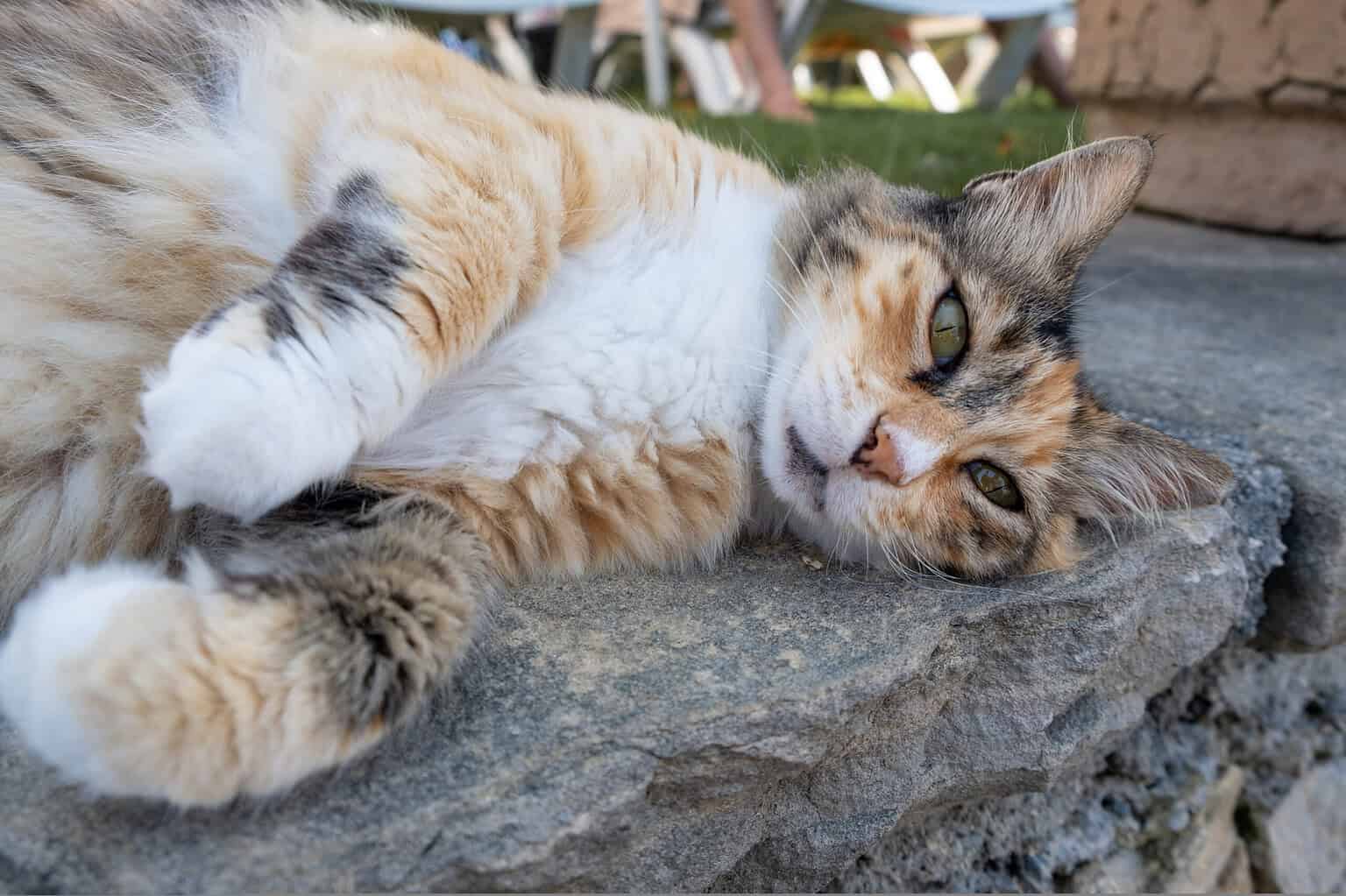
The best cat water fountain for most homes in 2026 is a stainless steel or ceramic model with a quiet submersible pump — the PetLibro Dockstream for wireless placement, the Catit Flower Fountain as the budget favorite, the Veken 95oz for multi-cat households, and any stainless bowl-style fountain if your cat has feline acne. Cats descend from desert animals and drink poorly from still water; moving water gets many cats to drink noticeably more, which matters for urinary and kidney health. Here is how the fountains people actually search for compare, and what nobody mentions about filter costs.
How we picked these fountains
Short answer: material, pump noise, how easy it is to clean, and the true cost of replacement filters. Plastic fountains are cheapest but scratch, harbor biofilm, and are linked to chin acne in some cats; stainless and ceramic cost more up front and clean far better. We sell pet ID tags, not fountains, so nobody paid for placement here. Prices are approximate and shift by retailer and capacity — verify before buying.
The best cat water fountains of 2026, compared
| Fountain | Material | Approx. price | Best for |
|---|---|---|---|
| PetLibro Dockstream | Stainless / plastic versions | $50–$90 | Cordless placement anywhere in the room |
| Catit Flower Fountain | Plastic | $25–$40 | Budget pick, three flow settings |
| Veken 95oz | Plastic or stainless top | $30–$50 | Multi-cat homes, big reservoir |
| Pioneer Pet Raindrop (ceramic) | Ceramic | $50–$70 | Dishwasher-safe, chin-acne-prone cats |
| PETKIT Eversweet | Plastic / stainless | $40–$80 | Quietest pumps, smart app models |
PetLibro Dockstream: the one you can put anywhere
PetLibro’s wireless Dockstream line runs on a rechargeable battery base, so the fountain is not tethered to an outlet — a real advantage if your cat’s favorite drinking spot is nowhere near a plug. The stainless version resists scratching and biofilm better than the plastic one, and battery life stretches for weeks on the sensor-triggered mode where the pump only runs when a cat approaches. It is the priciest pick here, and the battery adds a component that will eventually wear out.
Catit Flower Fountain The budget standard
The Catit Flower has been the entry-level default for years because it works: three flow settings (gentle bubble, tap stream, flower petal), a small footprint, and a cheap, widely available filter. It is plastic, so commit to scrubbing it weekly and replacing it every couple of years as the surface scratches. For a cat who is simply ignoring their water bowl, this is the least expensive way to find out whether moving water changes their mind.
Veken 95oz: built for multi-cat homes
The Veken’s large reservoir means fewer refills, which matters if you have three cats or travel for a weekend. It runs quietly when the water level is high — most cat fountain noise complaints are actually a pump running low on water and sucking air. A stainless top plate version is available and is worth the small upcharge for hygiene.
Ceramic and stainless: the chin acne fix
If your cat has blackheads or bumps on their chin, plastic bowls are a common culprit, and a ceramic fountain like the Pioneer Pet Raindrop or a fully stainless model is the standard first change vets suggest. Ceramic is dishwasher safe, heavy enough that enthusiastic cats do not shove it around, and it does not scratch into microscopic grooves where bacteria settle. The downside is weight and the chance of chipping.
The filter cost nobody mentions
The fountain price is not the real price. Most models want a new carbon filter every two to four weeks, which typically runs $10 to $20 for a multi-pack — call it $30 to $80 a year on top of the purchase. Some owners run fountains filterless and simply wash them more often, which is fine mechanically, though filters do help with hair and debris. Clean the pump itself monthly; a slimy impeller is the number one reason a quiet fountain turns loud.
Hydration is a health issue, and so is ID
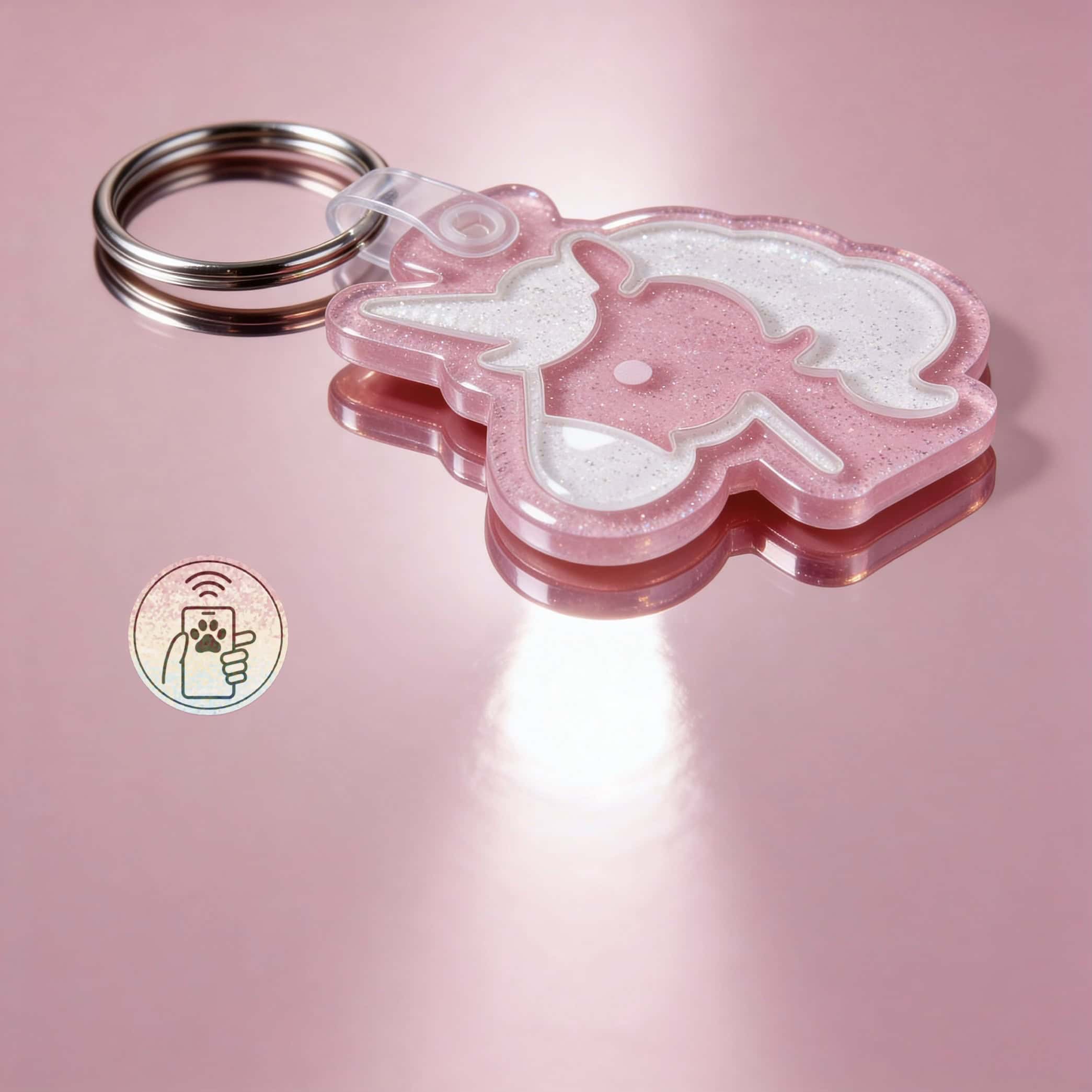
Getting a cat to drink more is a quiet, unglamorous win — it supports urinary tract and kidney health, which are among the most common reasons cats end up at the vet. While you are upgrading the essentials, the other quiet win is ID. We make the Shiloh’s House smart tag, a $38 designer acrylic NFC tag light enough for a breakaway cat collar; a finder taps it with any phone and reaches you, no app needed on their end. We are biased, of course, but indoor cats slip out doors more often than anyone expects — here is our case for why indoor cats still need ID tags.
FAQ: cat water fountains
Do cat water fountains actually work?
For many cats, yes. Cats evolved to get most of their moisture from prey and often ignore still water; moving, aerated water is more appealing and encourages more frequent drinking.
How often should I clean a cat water fountain?
Wash the bowl and pump every one to two weeks, more often in hard-water areas, and swap the carbon filter on the manufacturer’s schedule — usually every two to four weeks.
Are plastic cat fountains bad?
They are not dangerous, but plastic scratches over time and can hold bacteria, which is associated with feline chin acne in sensitive cats. Stainless or ceramic is the safer long-term choice.
Why is my cat’s fountain so loud?
Almost always a low water level or a dirty pump. Keep the reservoir topped up above the pump intake and rinse the impeller monthly and most fountains go back to near-silent.
Do cats need a fountain if they eat wet food?
Wet food supplies a lot of moisture, so the need is lower — but fresh water should always be available, and a fountain still helps cats who are prone to urinary issues.
More cat guides from The Journal: the best cat litter of 2026, the best automatic litter boxes, and the best automatic pet feeders for cats and dogs.
Get Your Tag
Light enough for a breakaway collar — one tap and your cat’s finder can reach you.