Best Cat Litter of 2026: PrettyLitter vs Dr. Elsey’s vs World’s Best (Honest Guide)
 Shiloh’s House Team
·
·
3 min read
Shiloh’s House Team
·
·
3 min read
The best cat litter of 2026 for most homes is Dr. Elsey’s Ultra — hard clumps, serious odor control, low dust, and a price that doesn’t punish multi-cat households. PrettyLitter is worth its subscription if you want color-changing health monitoring, and World’s Best leads the natural category with flushable corn-based litter. Here’s how the most-searched brands actually stack up, box to box.
Best Cat Litters of 2026, Compared
Quick answer: clumping clay wins on performance, silica wins on convenience and health signals, and plant-based wins on sustainability — pick the tradeoff your household cares about.
| Litter | Type | Best For | Watch Out For |
|---|---|---|---|
| Dr. Elsey’s Ultra | Clumping clay | Overall performance, multi-cat homes | Heavy bags/boxes |
| PrettyLitter | Silica crystals | Health monitoring, light weight | Subscription cost; non-clumping |
| World’s Best | Corn (clumping) | Natural, flushable option | Some cats dislike the texture |
| Tidy Cats LightWeight | Clumping clay | Anyone tired of 40-lb pails | More dust and tracking |
| ökocat | Wood fiber | Eco-focused homes, low dust | Softer clumps than clay |
| Arm & Hammer Clump & Seal | Clumping clay | Maximum odor lockdown | Scented — some cats object |
Dr. Elsey’s Ultra Best Overall
The direct answer for most households. It forms hard, scoopable clumps that don’t crumble, controls ammonia odor without perfume, and its 99% dust-free claim holds up better than most. It’s also the brand behind Cat Attract, the litter vets commonly suggest for cats with box-avoidance problems. Unscented matters more than people think — your cat’s nose is the customer here, not yours.
PrettyLitter Best for Health Monitoring
PrettyLitter’s silica crystals change color in response to abnormalities in urine — potential indicators of issues like urinary tract problems that cats are famous for hiding. It’s not a diagnosis (color changes mean “call the vet,” not “here’s what’s wrong”), but early warning on a stealthy species is genuinely valuable. The crystals are featherweight and delivered on subscription, typically in the low-to-mid $20s per cat per month at the time of writing. Pair it with notes in a pet-health app and you have an actual early-warning system.
World’s Best and ökocat Best Natural Litters
Direct answer: World’s Best (corn-based) is the natural litter that clumps well enough to compete with clay, and it’s flushable in most municipalities — check local rules. ökocat’s wood-fiber litter is the low-dust, low-tracking alternative if corn doesn’t suit your cat. Both compost the guilt out of litter disposal, though clay still edges them on raw odor control in multi-cat homes.
What Actually Matters When Choosing
Cats vote with their paws: most prefer unscented, fine-grained, sand-like texture, and the number one cause of litter box avoidance is a litter or box the cat dislikes, not spite. Change litters gradually by mixing over 1–2 weeks. If your cat suddenly stops using a box they always used, that’s a health flag first, a litter review second — our guide on cat behavior red flags covers when to call the vet, and if scooping is the problem, see our automatic litter box comparison.
The Indoor Cat Blind Spot
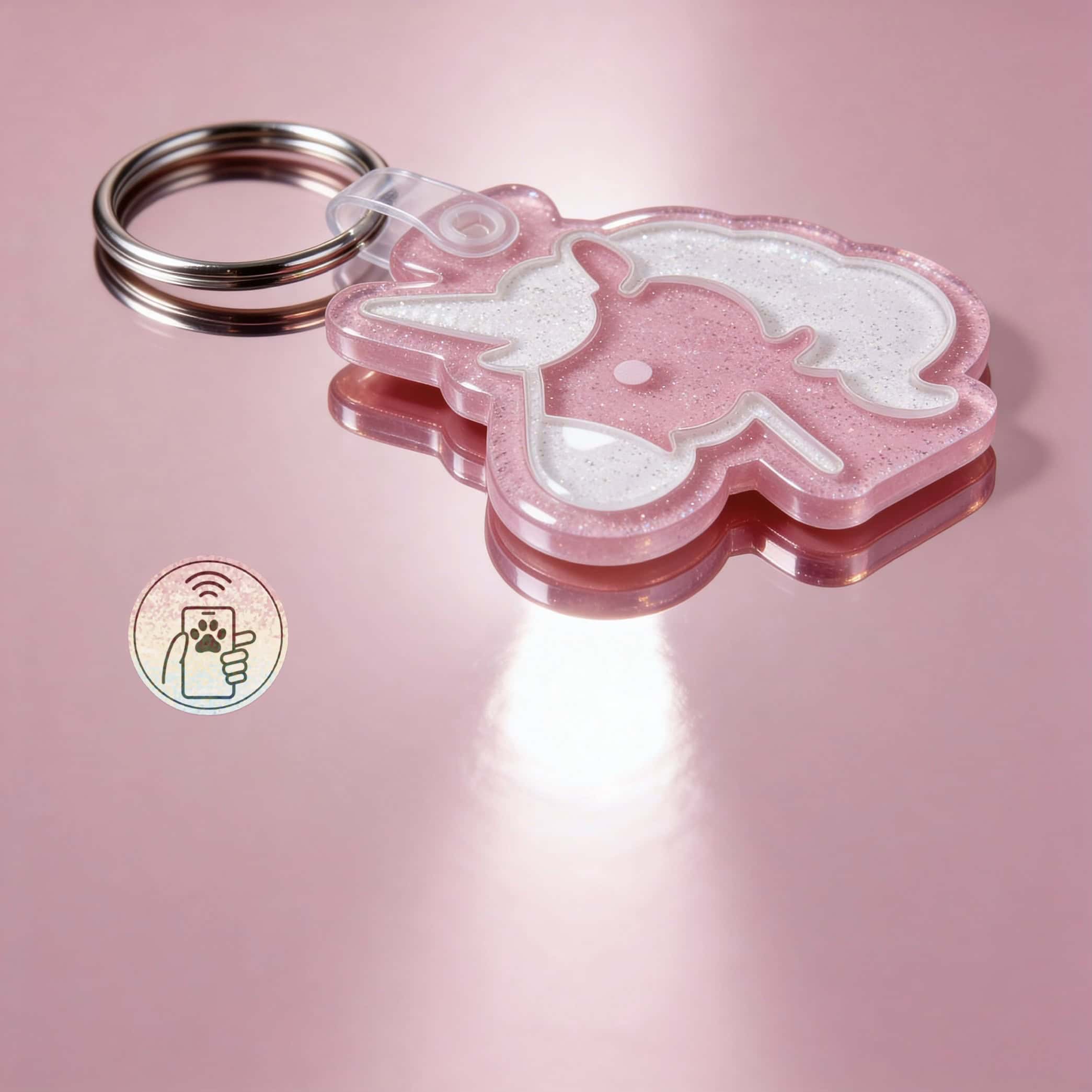
Litter is an indoor-cat topic, and indoor cats are exactly the ones least likely to wear ID — which is why they’re so hard to recover when a screen door fails or a mover props the door open. Full disclosure: this is the Shiloh’s House blog, and this is what we make. Our $38 designer acrylic NFC smart tags weigh next to nothing on a breakaway cat collar, and any finder can tap the tag with a phone — no app needed — to reach you instantly, engraved backup included, no subscription ever. The free Lohji companion app also stores vet records and vaccine history, so PrettyLitter’s “call the vet” moment comes with your cat’s file already in hand. More in our guide to why indoor cats need ID.
FAQ: Cat Litter
What cat litter do vets recommend?
Most vets suggest unscented clumping litter with low dust — Dr. Elsey’s is a frequent example — because cats accept it most reliably. For post-surgery cats, vets often specify non-clumping paper litter temporarily.
Is PrettyLitter worth it?
If you value the health-monitoring color changes and hate lugging clay, yes. If you have multiple cats or a tight budget, quality clay delivers better raw performance per dollar.
How often should you change cat litter?
Scoop daily. Fully replace clumping clay every 2–4 weeks per box; silica typically lasts about a month per cat; natural litters vary by brand. Wash the box with mild soap at each full change.
Why did my cat stop using the litter box?
Rule out medical causes first — urinary issues are common and serious. Then check the basics: box cleanliness, litter change, box location, and one-box-per-cat-plus-one in multi-cat homes.
Get Your Tag
Indoor cats slip out too. A feather-light tap-to-scan tag on a breakaway collar is the cheapest insurance you’ll ever buy — $38, no subscription.