Why Does My Dog Shed So Much? Spring Shedding vs. a Real Problem
 Shiloh’s House Team
·
·
5 min read
Shiloh’s House Team
·
·
5 min read
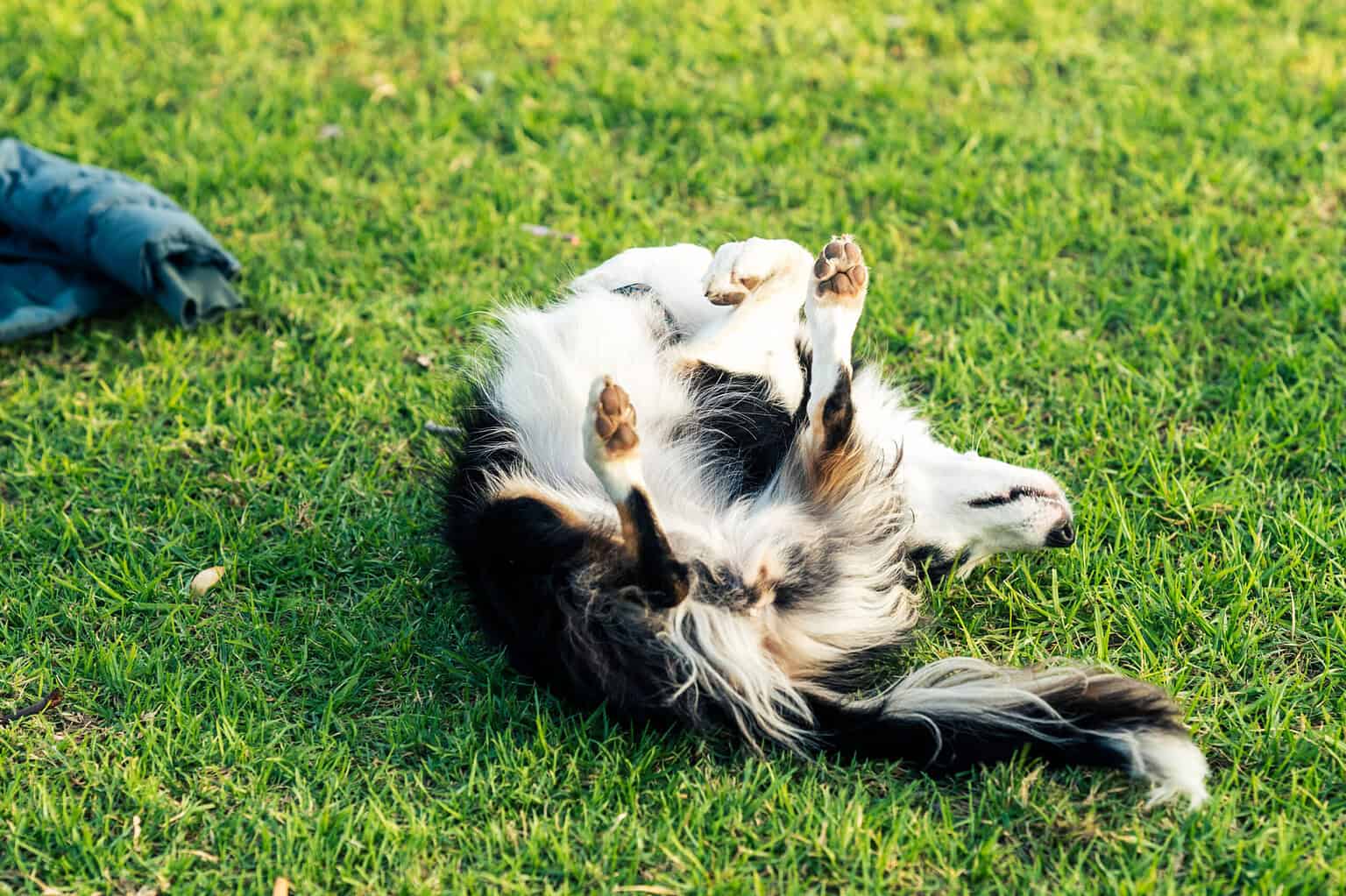
Your dog is shedding so much right now because spring is when the winter undercoat comes out. Most double-coated dogs “blow coat” twice a year — heavily in spring as daylight lengthens, and again in autumn — and the process can run for several weeks. That is normal. What is not normal: bald patches, red or flaky skin, constant scratching, a dull coat, or shedding that suddenly gets much worse out of season. Those point to allergies, parasites, thyroid disease, stress or diet, and they are worth a vet visit.
Here is how to tell the difference, and what actually reduces the fur.
Is my dog’s shedding normal or excessive?
Problem shedding is patchy, itchy, or comes with something else changing. Use this as a first check, not a diagnosis.
| Sign | Probably normal | Call the vet |
|---|---|---|
| Pattern | Even, all over the body | Patches, thinning, symmetrical bald spots |
| Skin underneath | Clean, pale pink, no odor | Red, scabby, flaky, greasy or smelly |
| Itching | Occasional scratch | Constant scratching, chewing, licking paws |
| Timing | Spring and autumn, a few weeks | Year-round, or a sudden spike out of season |
| Everything else | Normal energy, appetite, weight | Lethargy, weight change, dull coat |
Why spring shedding is so dramatic
It is triggered by daylight, not temperature. As days get longer, the dense insulating undercoat that kept your dog warm all winter releases in clumps, which is why the fur comes out in tufts rather than strands. Indoor dogs living under artificial light often shed a bit year-round for exactly this reason — their light cycle never fully told them winter was over.
Breeds that blow coat hardest: Huskies, Malamutes, German Shepherds, Golden and Labrador Retrievers, Corgis, Australian Shepherds, Chow Chows. Single-coated breeds like Poodles and Bichons shed far less hair but need clipping instead — the hair grows continuously rather than cycling out.
Other reasons a dog sheds too much
If it is not seasonal, the usual suspects are skin, food, parasites, hormones or stress.
- Allergies — environmental (pollen, dust mites) or food. Usually paired with itching and paw-licking.
- Fleas, mites or mange — always worth ruling out first, and cheap to rule out.
- Poor diet — a coat needs protein and fatty acids. Dull, brittle fur is a common early sign.
- Hypothyroidism — classically causes symmetrical hair loss, weight gain and low energy in middle-aged dogs.
- Stress — a move, a new baby, a boarding stay. Anyone who has watched a dog shed on a vet table has seen this happen in real time.
- Over-bathing — stripping the coat’s oils causes dryness and more hair loss, not less.
Diet is the one people underestimate. If you are re-evaluating food anyway, we ranked the options in the best dog food in 2026.
How to reduce dog shedding: what actually works

You cannot stop a dog from shedding — the hair is coming out either way. You can decide whether it comes out into a brush or onto your sofa.
- Brush daily during coat-blowing season, several times a week the rest of the year. Use an undercoat rake for double coats, a slicker for the topcoat.
- Brush outside. Your future self will thank you.
- Bathe with a de-shedding or oatmeal shampoo during heavy weeks — loosened hair rinses away instead of landing on the rug.
- Brush before bathing, always. Wet undercoat mats.
- Feed a complete diet, and talk to your vet about omega-3s if the coat looks dull.
- Keep water available. Dehydrated skin flakes and sheds more.
What does not work: shaving a double-coated dog. The undercoat and guard hairs serve different jobs — the coat insulates against heat as well as cold — and shaving can permanently change how it grows back. Most vets and groomers advise against it outside of medical need.
The tool choice matters more than the technique. We compared undercoat rakes and de-shedding tools in the best dog brushes for shedding.
Spring shedding is also lost-pet season
Longer days mean more open doors, more walks, more yard time — and more dogs slipping out. Grooming season is a good moment to check the other thing hanging around your dog’s neck: is the phone number on their tag still current, and is it still readable?
We are an ID tag company, so treat this as biased advice we happen to believe. Our tag is $38, designer acrylic, with NFC built in — a finder taps it with any phone and gets your contact details, with no app to download on their end. Your info is engraved on the back too, so it works even without a phone signal. No subscription, made in the USA. The free Lohji app stores vaccine records, medical history and voice notes, in 54 countries and 16 languages.
Related reading: why pet ID tags fade and what to do in the first 60 minutes if your dog gets loose.
Dog shedding FAQ
How long does spring shedding last in dogs?
Typically several weeks, and often longer for heavy double-coated breeds. If it is still going strong months later with no seasonal let-up, treat it as year-round shedding and check in with your vet.
What months do dogs shed the most?
Spring and autumn, as daylight shifts. In most of the US that means roughly March through May and again around September through November, though indoor dogs can shed more evenly all year.
Does brushing actually reduce shedding?
It does not reduce how much hair the dog loses, but it captures that hair before it reaches your floor — which is the outcome most people actually want. Daily brushing during coat-blowing weeks makes a visible difference.
Should I shave my dog to stop shedding?
Not a double-coated dog. Shaving removes insulation that protects against heat and sun, can cause the coat to grow back unevenly, and does not stop shedding — it just makes the shed hair shorter. Ask a groomer or your vet before clipping any double coat.
When should I worry about my dog’s shedding?
Worry about bald patches, red or inflamed skin, constant scratching, a sudden spike out of season, or shedding alongside weight change or low energy. Those are vet questions, not brushing questions.
Get Your Tag
New season, open doors. Make sure the tag on that freshly brushed coat still says the right number.