If your dog smells bad and a bath does not fix it, the smell is coming from skin, ears, mouth or anal glands, not from dirt. Normal dog odor is mild and mostly disappears after a wash. A smell that returns within a day or two, or that has a distinct sour, yeasty, fishy or rotten quality, is a medical signal. Below are the eight real causes, what each one smells like, and what actually fixes it.
Why does my dog smell bad even after a bath?
Because bathing only removes surface dirt, and most persistent dog odor is produced by the body. Yeast on the skin, bacteria in an ear canal, infected gums and full anal glands all keep generating smell no matter how many times you shampoo. If the smell is back within 48 hours of a bath, stop buying stronger shampoo and start working through the list below.
The 8 reasons dogs smell bad
1. Wet dog smell
Smells like: damp basement. Normal and temporary. The classic wet-dog odor comes from the harmless yeasts and bacteria that live on every coat releasing compounds as the water evaporates. The fix is mechanical: dry thoroughly, especially the chest, armpits and the dense fur under the ears. A dog left to air-dry in a thick coat will smell for a day.
2. Skin yeast and infections
Smells like: corn chips, stale bread, or something sour. Yeast overgrowth thrives in warm folds, between toes, in armpits and under the tail. It often comes with itching, redness, greasy fur and a dog who licks their paws constantly. This needs a vet, because medicated shampoo alone rarely clears it and the underlying cause is frequently allergies. Our guides to why dogs scratch so much and paw licking cover the same root problem.
3. Ear infections
Smells like: sharp, sweet, or unmistakably rotten. This is the single most underestimated source of dog odor, and it is extremely common in floppy-eared breeds and swimmers. Look for head shaking, scratching at one ear, brown or yellow discharge, and a dog who pulls away when you touch the side of their head.
Do not pour anything into an ear that is already inflamed without a vet looking first. Once it is cleared, regular maintenance with a proper cleaner prevents the next one, and we compare the options in best dog ear cleaners.
4. Dental disease
Smells like: rot, and it follows the dog around the room. If the smell is worst when your dog yawns or breathes near you, the source is the mouth. Plaque hardens into tartar, gums become infected, and the odor is bacterial. This is not cosmetic: dental disease is painful and affects the whole body. A vet dental cleaning is the reset, and daily brushing plus dental chews is the maintenance.
5. Anal glands
Smells like: fish. Very distinctly fish. Dogs have two small scent glands either side of the anus that normally empty on their own. When they do not, the dog leaks a small amount of extremely pungent fluid, often onto the sofa. It usually comes with scooting and excessive licking under the tail, which we cover in why dogs scoot. A vet or groomer can express them; repeated problems deserve a dietary conversation with your vet.
6. Skin folds
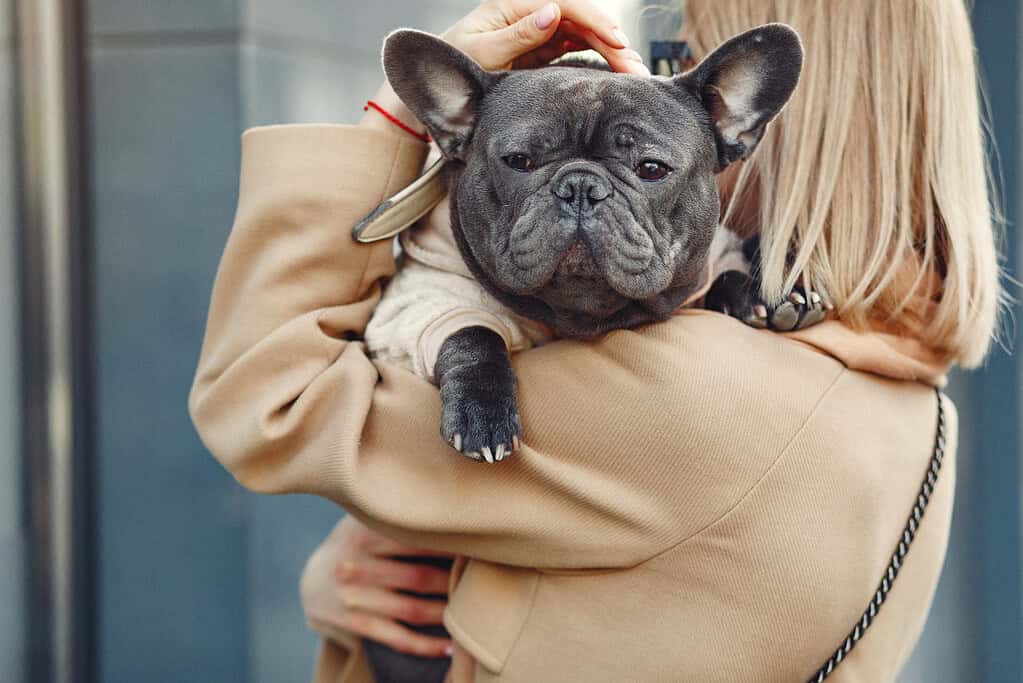
Smells like: sour, localised, worst up close. Bulldogs, pugs, shar-peis and any dog with a deep tail pocket trap moisture in their folds. This is entirely preventable with a daily wipe and thorough drying, and entirely miserable if ignored.
7. Gas and diet
Smells like: exactly what it is. Sudden severe flatulence is often a food that does not agree with your dog, eating too fast, or a recent diet change made too quickly. Switch foods over seven to ten days rather than overnight, and consider a slow feeder bowl. Persistent gas with loose stools is a vet conversation, not a food swap.
8. Rolling in something
Smells like: whatever they found. Dogs roll in dead things and manure because strong smells are interesting to them, not because they are being difficult. This one really is solved by a bath, and the right dog shampoo makes a genuine difference on a roll-in.
When a bad smell means call the vet
Book an appointment if the smell comes with any of these:
- Head shaking, ear discharge, or pain when the ears are touched
- Red, greasy, crusty or bald patches of skin
- Constant licking of paws, belly or under the tail
- Bleeding gums, drooling, or reluctance to chew
- A fishy smell with scooting
- Any smell that gets worse over a week rather than better
How to keep a dog smelling normal
Bathe on a schedule that matches the coat, dry completely, and check ears weekly. Over-bathing strips the coat and can actually make skin problems worse, which is why we put together a coat-by-coat schedule in how often you should bathe a dog. Beyond that: brush regularly to remove dead coat, wash bedding often, dry the ears after every swim, and keep the collar itself clean.
That last one surprises people. A fabric collar worn every day for two years absorbs everything and becomes its own smell source. We make acrylic NFC pet ID tags partly because acrylic wipes clean in a way that a worn-out fabric or fraying tag does not, and because a tag that has gone illegible is no longer doing its job. Ours stays readable and lets anyone who finds your dog tap it with a phone to reach you, with engraved details on the back as backup.
Dog smell FAQ
Why does my dog smell like corn chips?
Usually harmless yeast and bacteria on the paws, often called Frito feet. It becomes a problem when it is strong, when the paws are red, or when your dog licks them constantly, which points to allergies or an infection.
Why does my dog smell fishy?
Almost always anal glands. If your dog also scoots along the floor or licks under the tail, book a vet or groomer appointment to have them expressed rather than trying it at home.
Can I use human shampoo or perfume on my dog?
No. Human shampoo has the wrong pH for dog skin and tends to cause the dryness and irritation that leads to more odor. Scented sprays cover a smell without treating it, which delays finding the actual cause.
Do some dog breeds just smell more?
Yes. Oily-coated breeds like cocker spaniels and basset hounds, wrinkled breeds, and heavy-coated water dogs all produce more odor naturally. Baseline smell is normal. A change in that baseline is what matters.
How often should I wash my dog’s bedding?
Weekly for most dogs, more often for a heavy shedder or a dog with skin issues. Bedding reabsorbs odor and puts it straight back on a freshly bathed dog, which is why some dogs seem to smell bad again overnight.
Get Your Tag
Clean coat, clean collar, ID that still reads. One tap gets your dog home. $38, no subscription, engraved backup included.