Can Dogs Eat Turkey? Thanksgiving Turkey, Bones and Skin
 Shiloh’s House Team
·
·
14 min read
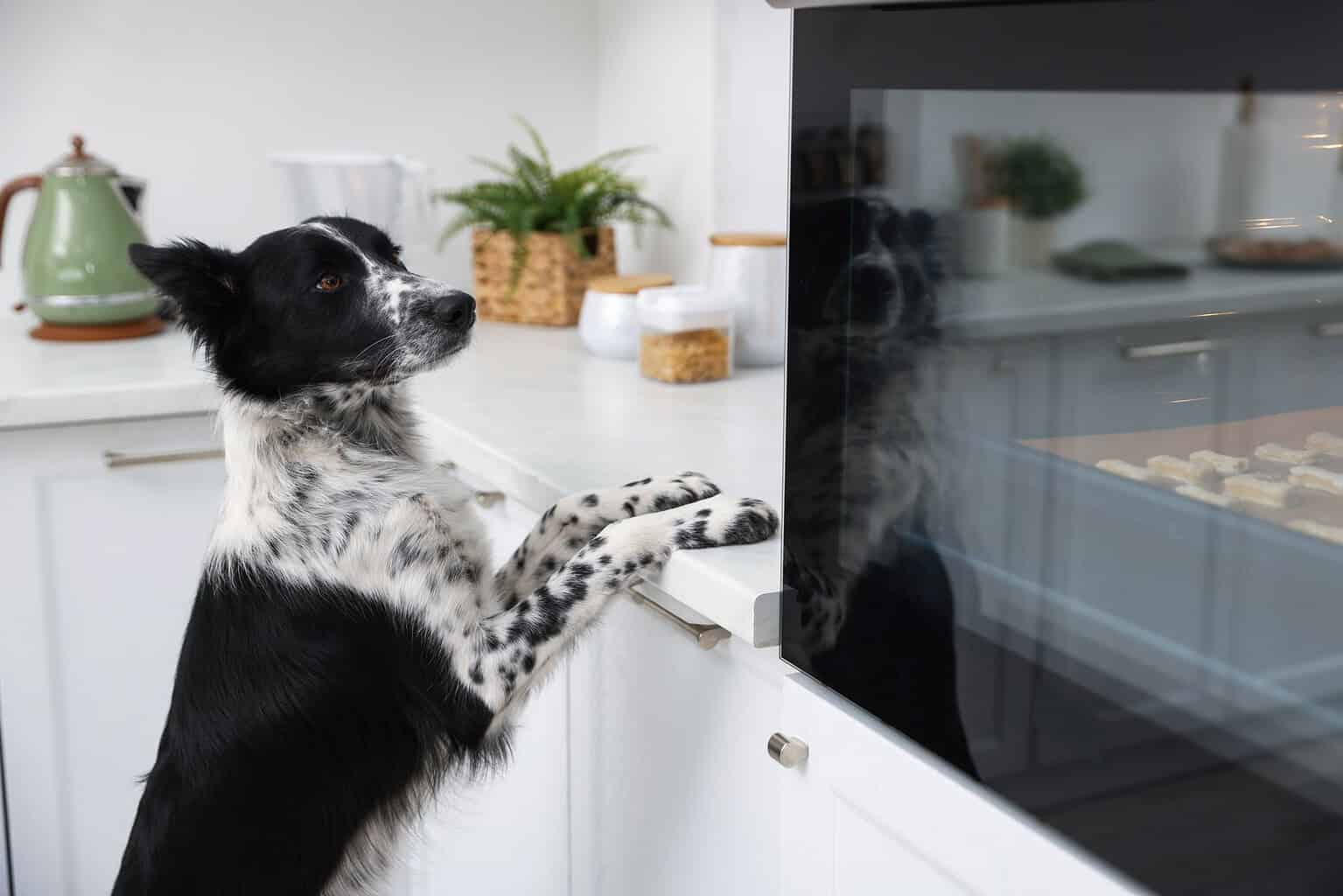
Yes, dogs can eat turkey, but only plain, fully cooked, boneless and skinless white meat in small amounts. The risky parts are everything that makes Thanksgiving turkey taste good to people: the buttery skin, fatty drippings, gravy, onion and garlic seasoning, stuffing and brittle cooked bones. Skin and fat can trigger pancreatitis, and cooked bones can splinter or cause a blockage. Keep the dog’s share to a few small cubes and keep the carcass far out of reach.
Last updated: October 2026
Thanksgiving falls on Thursday, November 26 this year, which means a lot of dogs are about to spend an afternoon sitting very politely next to a roasting pan. Turkey itself is not toxic to dogs. It shows up in plenty of commercial dog foods. The trouble is that the bird on your holiday table has been rubbed with butter, stuffed with aromatics and carved into a pile of skin, fat and bones that are much more dangerous than the meat.
This guide walks through which parts of the turkey are safe, how much a dog can have by body weight, what to do if your dog steals a bone, and how to keep the whole day calm. If you want the bigger picture on toxic foods, start with our list of foods dogs can’t eat. Here we stay focused on the turkey and the Thanksgiving plate around it.
Can dogs eat turkey safely?
Plain turkey meat is a lean, useful protein for dogs. The American Kennel Club notes that turkey isn’t inherently toxic, is used as an ingredient in many dog foods, and is rich in protein, riboflavin and phosphorus. The AVMA puts it simply: plain, boneless and skinless turkey is generally safe for pets in small portions.
The catch is the word “plain.” Most holiday birds are cooked with butter, oil, salt, herbs and a cavity full of onions and garlic. Petfolk, which published its own Thanksgiving numbers this month, found that on the Friday after Thanksgiving about half of its visits were for a sick pet, compared with about 40% on a normal November Friday. Its pancreatitis testing peaked on the Sunday after the holiday, three days after the meal. In other words, the effects of a Thursday splurge can show up over the weekend.
Here is how the different parts of the bird stack up for dogs.
| Part of the turkey | OK for dogs? | Why |
|---|---|---|
| Plain cooked white breast meat | Yes, small amounts | Lean protein, about 40 calories per ounce |
| Dark meat (thigh, leg) | Sparingly | Higher in fat and calories than breast |
| Skin, fat and drippings | No | High fat, linked to pancreatitis |
| Cooked bones and carcass | No | Brittle, can splinter, choke or block |
| Raw or undercooked turkey | No | Salmonella risk |
| Deli, smoked or processed turkey | No | High sodium, seasonings, preservatives |
| Stuffing and gravy | No | Fat, salt, onion, garlic, sometimes raisins |
How much turkey can a dog eat?
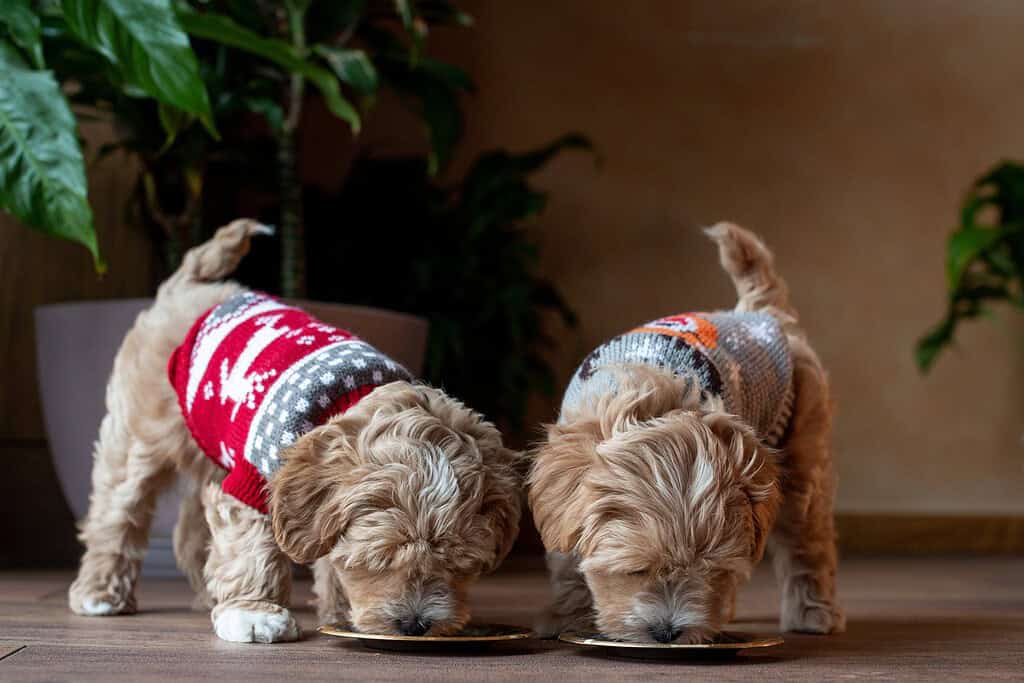
Veterinary nutritionists use a simple ceiling: treats, including human food, should make up no more than 10% of a dog’s daily calories. Tufts University’s Cummings School lists a small amount of cooked white turkey breast as fine in moderation and puts it at about 40 calories per ounce. The University of Illinois I-PETS program estimates a healthy adult dog’s daily needs with the formula 95 × body weight in kilograms to the 0.75 power.
Putting those together gives a rough upper limit for plain white meat on a day when turkey is the only treat. Real needs vary with age, activity and body condition, so treat this as a ceiling, not a target.
| Dog’s weight | Est. daily calories | 10% treat budget | Max plain white turkey |
|---|---|---|---|
| 10 lb | about 295 | about 30 kcal | about 3/4 oz (20 g) |
| 20 lb | about 500 | about 50 kcal | about 1 1/4 oz (35 g) |
| 40 lb | about 835 | about 85 kcal | about 2 oz (60 g) |
| 60 lb | about 1,130 | about 115 kcal | about 2 3/4 oz (80 g) |
| 80 lb | about 1,400 | about 140 kcal | about 3 1/2 oz (100 g) |
Those numbers assume no other treats that day, which is rarely true on a holiday. A sensible approach is to plan for half the amount above, cut into roughly 1-inch cubes as PetMD suggests, and mix it into your dog’s regular dinner rather than handing it over from the table.
Why are turkey skin, fat and gravy so risky?
Pancreatitis is inflammation of the pancreas, the organ that makes digestive enzymes. When it flares, those enzymes start damaging the pancreas itself. The Merck Veterinary Manual notes that most cases have no obvious cause, but dietary indiscretion is believed to be a common risk factor in dogs. A sudden load of fat, like a strip of crispy skin or a lick of the roasting pan, is the classic holiday trigger.
The Schwarzman Animal Medical Center in New York warns that even a small amount of turkey skin can lead to pancreatitis. The AVMA lists gravy, sauces, dressing, and poultry fat or skin together as foods that can be hard for pets to digest.
“Vomiting and diarrhea secondary to table food ingestion are the most common reasons we see pets in the emergency room or veterinary hospital after the holidays.”
Dr. Stacy Eckman, clinical assistant professor, Texas A&M College of Veterinary Medicine & Biomedical Sciences
Signs of pancreatitis, according to Nationwide and PetMD, include vomiting, diarrhea, loss of appetite, lethargy, a painful belly and fever. Some dogs hunch or adopt a “praying” pose with the front end down and the rear up. Treatment usually means hospitalization, IV fluids, pain relief and anti-nausea medication, and Nationwide’s 2024 claims data put the average cost of pancreatitis at about $1,417.
Are turkey bones and turkey necks ever safe for dogs?
Cooked turkey bones are a firm no from every veterinary source we checked. Cooking makes poultry bones brittle, and their small size makes them easy to gulp. The AKC lists the possible damage: mouth and tongue injuries, choking, obstruction of the throat or intestines, punctures of the stomach or intestinal lining, constipation, rectal bleeding from sharp fragments, and blockages that need emergency surgery. VCA Animal Hospitals adds that raw bones carry Salmonella risk on top of the physical hazards.
Turkey necks are where advice gets muddy. Some raw-feeding owners give raw necks, and the AKC says that should only happen in consultation with your veterinarian because of bacteria. PetMD says cooked necks can be fed if thoroughly cooked. On the other side, the Tufts nutrition team lists bones of any kind, raw or cooked, as something to avoid. Our take is simple: the neck from your holiday bird is cooked, seasoned and sitting in fat, so it goes in the trash, not the dog bowl.
The same applies to wings, drumstick bones, the wishbone and the carcass. Twine and skewers are hazards too. Tufts specifically calls out cooking twine used to truss a turkey, which can soak up juices and smell irresistible.
What should you do if your dog ate turkey bones?
First, stay calm and don’t chase. Dr. Carly Fox, an emergency veterinarian at the Schwarzman Animal Medical Center, told the AKC that chasing a dog or grabbing at the bone can make them gulp it down in one swallow, and a dog that guards food may bite. Offer something more tempting instead, like a favorite treat or toy, and calmly pick up the bone when they swap. A solid “leave it” or “drop it” cue is worth practicing before the holiday for exactly this moment.
If the bone is already gone, call your veterinarian. Tell them roughly how much your dog ate, what part of the bird it came from, how long ago it happened, and your dog’s weight. If your regular clinic is closed for the holiday, call the nearest 24-hour emergency hospital. Write those numbers down this week so you are not searching for them on Thursday night.
Do not make your dog vomit at home. Dr. Fox warns that inducing vomiting after a bone can lead to esophageal obstruction, aspiration pneumonia and inflammation of the esophagus. Bread is a popular home remedy, but the experts disagree on it. PetMD suggests a few slices of plain white bread can help coat the bone, while Dr. Fox says feeding right away is inadvisable because food temporarily raises the stomach’s pH and can slow how fast the bone dissolves. Let your vet make that call for your specific dog.
If your vet suggests watching at home, the AKC says there is typically little to worry about if a dog is free of signs and eating normally within 12 to 24 hours. Keep a close eye on your dog during that window and look for:
- Vomiting, regurgitation, gagging or retching
- Heavy drooling, hard swallowing, choking sounds or stretching the neck out
- Loss of appetite or unusual tiredness
- A painful or bloated belly, or a repeated “praying” pose
- Straining to poop, constipation, or blood in the stool
- Diarrhea that doesn’t settle
Any of those signs except mild diarrhea on its own means a same-day vet visit. Choking sounds, drooling and neck stretching can point to a bone stuck in the esophagus, which Dr. Fox calls a potentially life-threatening problem that needs prompt removal, often with a scope. The AKC’s guide to intestinal blockage adds that repeated vomiting, vomit containing blood, a painful belly, or a combination of two or more signs should prompt a vet visit the same day, because a true blockage rarely gets better on its own.
At the clinic, your vet will usually take X-rays to find where the bone ended up. Bones in the stomach often dissolve on their own in that acidic environment. If a bone is stuck or not moving, the vet may need to remove it with an endoscope or surgery.
If your dog also got into something toxic, like onion-heavy stuffing, grapes, chocolate or a xylitol dessert, you can call ASPCA Animal Poison Control at (888) 426-4435 or Pet Poison Helpline at (855) 764-7661. Both are open around the clock. ASPCA says a consultation fee may apply, and Pet Poison Helpline charges a $99 fee per incident that includes follow-up calls. A stocked pet first aid kit with these numbers taped inside the lid makes the whole thing faster.
What about stuffing, gravy, deli turkey and seasonings?
Stuffing is one of the riskiest dishes on the table. It usually contains onions and garlic, which the ASPCA says can be toxic to pets and the Tufts nutrition team says can cause red blood cell problems. Some recipes add raisins or grapes, which Tufts warns can damage the kidneys. It is also soaked in butter and drippings.
Gravy has the double problem of fat and salt. The ASPCA notes that bouillon cubes used for stock and gravy are very high in sodium, which can cause stomach problems and even seizures. Herbs are a smaller concern but worth knowing: the ASPCA says sage and many other herbs contain essential oils and resins that can cause stomach upset and central nervous system depression, especially in cats.
Leftover-week turkey is a trap too. PetMD advises against lunch meat, smoked turkey, turkey bacon, turkey sausage, jerky and turkey burgers because of their sodium, fat and added ingredients. And never share raw or undercooked turkey. The ASPCA warns it may carry Salmonella, and raw batter with eggs carries the same risk.
What can go on a dog-safe Thanksgiving plate?
You don’t have to leave your dog out. Texas A&M suggests a bowl of your dog’s usual food mixed with lean, boneless, skinless turkey, plus plain green beans or sweet potatoes. The Animal Medical Center’s list of foods that are safe in small amounts includes unseasoned white turkey, plain green beans, plain mashed potatoes, plain sweet potatoes and two or three apple slices without seeds, about a spoonful of each.
- A few cubes of plain white turkey breast
- Plain steamed green beans
- A spoonful of plain canned pumpkin, not pie filling (see our guide on whether dogs can eat pumpkin)
- Plain baked sweet potato
- A couple of apple slices with no seeds or core (more in can dogs eat apples)
Serve it in a puzzle toy, which the ASPCA suggests to keep dogs busy during your meal. While everyone is waiting for the turkey to rest, it’s also a fun time to snap a photo of your dog in front of their mini feast and drop it into the free Lohji app (“Lohji: Cartoon Your Pet” on the App Store, “Lohji: Cartoon Pet Avatar” on Google Play). It turns one photo into a 3D cartoon character for wallpapers, watch faces, stickers, collector cards and short videos, and it also runs the Smart Tag’s finder profile.
How do you stop counter-surfing and trash raids?
The turkey a dog steals is worse than the turkey you share, because it usually comes with the skin, bones and twine. The AVMA recommends putting the carcass, bones and related trash in a tightly secured bag inside a closed container outdoors or behind a closed door. The ASPCA suggests emptying the kitchen trash throughout the day, not just at the end.
- Never leave the carving board or roasting pan unattended, even for a minute.
- Push platters to the back of the counter, away from the edge.
- Use a baby gate or crate to keep your dog out of the kitchen during prep and cleanup.
- Bag bones and twine immediately and take them straight outside.
- Tell guests, especially kids, that the dog doesn’t get scraps. Tufts and the Animal Medical Center both recommend this conversation.
Why do dogs go missing on Thanksgiving?
Food is not the only holiday risk. The AVMA warns that while you’re welcoming guests and collecting coats, your pet may make a break for it and become lost outdoors. More visitors, deliveries and doors propped open while unloading the car all add up, and a stressed dog is more likely to bolt. The ASPCA suggests giving your dog a quiet room with blankets where they can rest away from the crowd.
The AVMA also recommends making sure your pet has proper identification with current contact information, including a registered microchip. We’ve covered the same open-door problem for Halloween and game-day parties. If the worst happens, our step-by-step lost dog guide covers the first hours of a search.
Busy house, open door? Make it easy to get your dog home
A Shiloh’s House Smart Tag is laser-engraved with your dog’s name and your number, and any modern phone can tap its NFC back to open a live profile with one-tap call, text and directions, medical notes and multiple emergency contacts. No app is needed for the finder, and it’s waterproof, scratch-resistant and made in the USA.
Frequently asked questions
Can dogs eat turkey skin?
No. Turkey skin is very high in fat, especially after it has been basted with butter or oil, and fat is a common trigger for pancreatitis in dogs. The Animal Medical Center warns that even a small amount of skin can cause problems. Peel the skin away completely before sharing any meat, and keep plates of skin and trimmings off low tables and counters where a dog can reach them.
Can dogs eat dark turkey meat?
Dark meat from the legs and thighs isn’t toxic, but it is noticeably higher in fat and calories than breast meat. That makes it a poorer choice for dogs, especially small breeds or dogs with a history of pancreatitis or weight gain. If you share turkey, plain white breast meat is the safer option. If you only have dark meat, offer an even smaller portion.
Can dogs eat turkey every day?
Plain cooked turkey can be part of a dog’s diet, and many commercial foods use it. As an extra, though, it should stay within the 10% treat limit so it doesn’t unbalance a complete diet. If you want to feed turkey regularly or build a homemade diet around it, talk with your veterinarian or a board-certified veterinary nutritionist first.
Can dogs eat leftover turkey sandwiches or deli turkey?
It’s best to skip them. Deli and smoked turkey are high in sodium and often contain seasonings and preservatives that can upset a dog’s stomach. Sandwiches can also include onion, mayonnaise, cheese and bread that add fat and calories. If you want to share leftovers, pull a few pieces of plain roasted breast meat instead.
How long after eating turkey skin would a dog show pancreatitis signs?
Signs can appear within hours, but they can also take a day or two. One clinic group saw its pancreatitis testing peak on the Sunday after Thanksgiving, three days after the meal. Watch for vomiting, diarrhea, a painful belly, refusing food and low energy, and call your veterinarian if any of these show up after a holiday meal.
Is it safe to give my dog a raw turkey neck?
Veterinary sources disagree. Some owners feed raw necks under veterinary guidance, while the board-certified nutritionists at Tufts advise against bones of any kind because of choking, blockage and bacteria like Salmonella. Never give the cooked neck from your holiday bird. If you’re curious about raw feeding, discuss the risks with your veterinarian first.
Sources
- Thanksgiving pet safety, American Veterinary Medical Association
- The Day After Thanksgiving Is a Sick Day for Pets, Petfolk, 2026
- Can Dogs Eat Turkey?, American Kennel Club, 2025
- What to Do if Your Dog Ate Chicken Bones, American Kennel Club, 2026
- Can Dogs Eat Turkey?, PetMD, 2024
- Thanksgiving Safety Tips, ASPCA
- How to Have a Happy, Healthy and Humane Thanksgiving with Your Pets, ASPCA, 2017
- Healthy eating for dogs during this time of year, Cummings School of Veterinary Medicine at Tufts University, 2021
- Pet Talk: Thanksgiving Pet Safety, Texas A&M College of Veterinary Medicine & Biomedical Sciences, 2016
- Thanksgiving Food and Pets, Schwarzman Animal Medical Center, 2024
- Thanksgiving food dos and don’ts for dogs, VCA Animal Hospitals
- Pancreatitis in Dogs and Cats, Merck Veterinary Manual, 2025
- Pancreatitis: When sharing may not be caring, Nationwide, 2025
- Are You Giving Your Dog Too Many Treats?, University of Illinois I-PETS
- Intestinal Blockage in Dogs, American Kennel Club, 2024
- 24/7 Animal Poison Control Center, Pet Poison Helpline