Can Cats Eat Tuna? Canned Tuna, Kittens and How Much Is Safe
 Shiloh’s House Team
·
·
10 min read
Shiloh’s House Team
·
·
10 min read
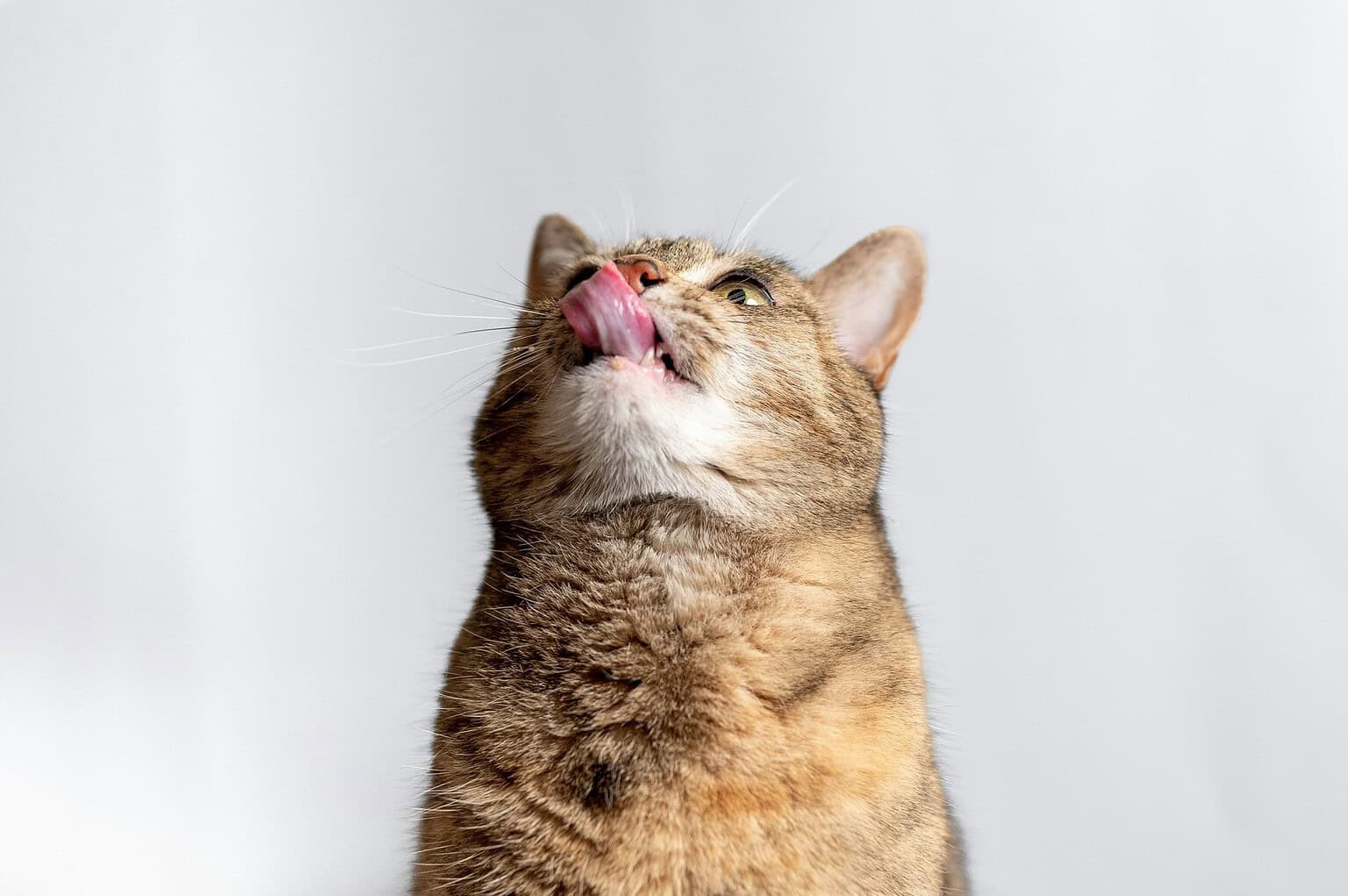
Yes, cats can eat tuna, but only as an occasional treat. A little plain tuna isn’t poisonous, but it isn’t a complete diet, and too much brings risks from mercury and missing nutrients. PetMD’s limit for adult cats is 1 tablespoon of plain tuna once a week. Choose light tuna packed in water, skip albacore, oil, salt and seasonings, and don’t give it to kittens.
Is tuna bad for cats?
In small amounts, no. Sandra C. Mitchell, DVM, writing for PetMD, calls a little properly prepared tuna a safe and nutritious treat: it’s high in protein, low in carbohydrates and rich in omega fatty acids. The trouble starts when a treat turns into a habit.
Tuna meant for people is deficient in vitamin E, PetMD notes, so a diet heavy in it becomes unbalanced. It’s also rich enough in calories that too much can lead to obesity quickly, and some cats are allergic to fish. Cornell Feline Health Center adds a starker warning: “Some cats that have consumed canned fish products meant for humans have developed potentially serious neurological disorders.”
Then there’s mercury. PetMD says tuna is very high in mercury, especially albacore, and that cats fed lots of tuna can develop mercury toxicity. None of this means a cat who steals a flake of plain tuna is in danger; it means the amount and the kind you share matter.
Which tuna has the least mercury?
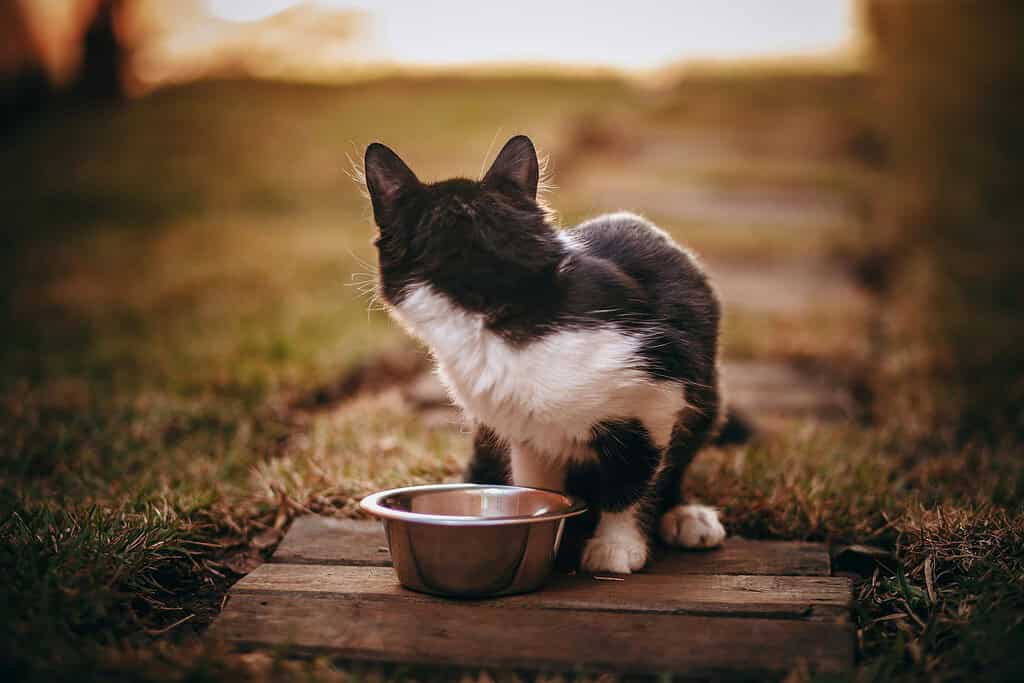
Veterinary nutritionist Cailin Heinze of the Cummings School of Veterinary Medicine at Tufts University recommends canned chunk-light tuna over albacore, which comes from a larger tuna species with mercury levels almost three times higher. The FDA’s fish advice for people, which sorts fish by mercury level, agrees on the ranking: canned light tuna (including skipjack) is in its “Best Choices” group, albacore and yellowfin are “Good Choices,” and bigeye tuna is a “Choice to Avoid” with the highest mercury levels.
Heinze is careful about the evidence. She has never seen a report of mercury poisoning in a cat fed tuna-based commercial cat food, and there’s little data on how much mercury those foods contain. But a cat that eats tuna as its main diet, she reasons, takes in far more mercury for its body weight than a person does, even a person who eats a lot of tuna. Because the signs of mercury poisoning in cats, such as loss of coordination and balance and difficulty walking, can mimic other illnesses, it may go undiagnosed.
Occasional tuna treats are probably safe, but we advise against feeding your cat tuna-based foods on a daily basis.
Cailin Heinze, veterinary nutritionist, Cummings School of Veterinary Medicine at Tufts University
Thiamine, vitamin E and yellow fat disease
Mercury isn’t the only problem with a fish-heavy diet. The Merck Veterinary Manual says thiamine (vitamin B1) deficiency is most common in cats, and lists raw fish diets, which contain thiaminase, among its causes, along with poorly formulated commercial diets. Affected cats show signs of brain dysfunction, from loss of balance and a wobbly gait to seizures, and it can be fatal.
Vitamin E is the other gap. Merck’s guide for cat owners explains that yellow fat disease (steatitis), a painful inflammation of body fat, is thought to come from too many unsaturated fatty acids in the diet combined with too little vitamin E or other antioxidants. Most known cases involved animals whose diet was partly or entirely fish or fish byproducts. PetMD lists steatitis and myopathy, an inflammation of the muscles, among the problems cats can develop when they overeat tuna.
Tuna in oil, water or brine: which is OK for cats?
If you share canned tuna, PetMD’s rule is tuna packed in water, not oil, with no spices or other flavorings. Salt is the next thing to check. International Cat Care lists salty liquids such as brine among the liquids to avoid, while the liquid from a can of tuna in spring water is on its list of drinks worth offering. The ASPCA warns that excessive salt can cause increased thirst and urination and, depending on the amount, abnormal blood electrolytes, so a can labeled no salt added is the better pick.
Fresh tuna should be cooked. PetMD says to cook it to the standard you’d use for people, without butter, oil or spices, then cool it and cut it into bite-sized pieces. Cornell doesn’t recommend raw meat as a food or a treat for cats because it can carry toxoplasmosis and other infectious diseases, and Merck’s thiaminase warning applies to raw fish.
| Tuna | Verdict | Why |
|---|---|---|
| Light tuna in water, no salt added | Occasional treat | Less mercury than albacore, nothing added |
| Albacore (white) tuna | Skip | Almost three times the mercury of chunk light |
| Tuna in oil or brine | Skip | Pick water-packed and unsalted instead |
| Flavored or seasoned tuna | Skip | No flavorings; onion and garlic harm red blood cells |
| Raw tuna | Skip | Raw fish diets are a cause of thiamine deficiency |
| Plain cooked fresh tuna | Occasional treat | No butter, oil or spices |
| Tuna cat food labeled complete and balanced | OK in rotation | Made to be a meal; rotate proteins |
| Tuna for cats labeled for supplemental feeding only | Treat only | Not a complete diet |
Not tagged yet?
A Shiloh’s House smart tag puts your phone number and your cat’s profile and medical notes on their collar, including food allergies or a prescription diet, so whoever finds them knows what not to feed and how to reach you. Any phone can tap it, with no app for the finder, no battery and no subscription.
How much tuna can a cat have?
Less than most cats would like. PetMD’s limit is no more than 1 tablespoon of plain, unseasoned, cooked human-grade tuna once a week for an adult cat, and it suggests a small dollop as a topper on your cat’s regular food. Heinze frames it in calories: tuna should be a rare treat that makes up no more than 10 percent of your cat’s daily calories.
That budget covers every treat, not just tuna. Cornell’s rule of thumb is that treats shouldn’t exceed 10 to 15 percent of a cat’s daily calories, because they usually aren’t a complete and balanced source of nutrition. Our guide to how much to feed a cat has a feeding chart by weight.
Why do cats love tuna so much?
Cats are drawn to the smell and taste of tuna, PetMD says, and if left to their own devices they will overeat it. That appeal is exactly why it can take over a diet. Cornell notes that while many cats are content with a single food, some develop finicky habits and become very selective about what they’ll accept, and that feeding two or three different cat foods adds variety and may keep a cat from developing an exclusive preference for one.
Heinze acknowledges the bind: tuna is in many cat foods, and cats can be very particular about what they’ll eat. Her suggestion is to swap tuna-based foods for ones made from fish with lower mercury, such as salmon. Make any switch gradually, since International Cat Care’s advice is that cats don’t like sudden changes to their food.
Don’t try to starve a tuna fan into eating something else. Cornell warns that a cat that refuses to eat can develop serious medical problems, and that any cat that refuses food and is losing weight should be examined by a veterinarian. If your cat has stopped eating, start with our guide to why a cat won’t eat.
Is tuna cat food different from canned tuna?

Yes, and the label tells you how. AAFCO calls the nutritional adequacy statement perhaps the most important part of a pet food label. A food that’s complete and balanced for your cat’s life stage is formulated to be a meal. A product that says it’s “intended for intermittent or supplementary feeding only” isn’t, and AAFCO’s own example is a can of tuna sold specifically for cats that doesn’t contain the vitamins and minerals needed for complete nutrition.
The name tells you how much tuna is inside. Under AAFCO’s rules, a name like “Tuna Cat Food” means tuna is at least 95% of the product not counting added water, and at least 70% counting it. Words such as dinner, entrée or platter mean at least 25% without the water. “With tuna” requires only 3%, and “tuna flavor” just means a listed ingredient provides the flavor.
Even a complete tuna recipe is best in rotation. PetMD considers tuna made for cats, which is supplemented to be more balanced, fine for daily feeding, while Heinze advises against tuna-based foods every day because of mercury. Rotating proteins is a simple middle ground. Wondering about milk, too? Here’s why most cats shouldn’t drink milk.
Can kittens eat tuna?
No. PetMD says kittens shouldn’t eat tuna because they’re more sensitive to changes in their diet, rely on a careful balance of nutrition to grow their bones and organs, and can be more affected by toxins such as the mercury in tuna. Its advice is to wait until your cat is at least 1 year old.
What kittens need is a food that’s complete and balanced for growth. Cornell notes that cats’ nutritional needs change through life stages and that the label should say which stage a food is complete and balanced for. Our best kitten food guide is the place to start.
When should I call the vet?
A cat that sneaks a bite of plain tuna is very likely fine. The cats to worry about are those that have eaten a lot of tuna over a long time, or anything seasoned or salty. Nervous-system signs are the most urgent: Merck describes thiamine deficiency in cats as loss of balance, head tremor, wobbly walking, depression, a head bent sharply down toward the chest and seizures, and Heinze notes that mercury poisoning looks similar.
Yellow fat disease looks different. Merck lists a dull coat or dry skin early on, then lethargy, lost agility, a very tender back or belly (in advanced cases even a light touch hurts), lumpy fat deposits under the skin, fever and a poor appetite. For other foods to keep off the menu, see our list of foods cats can’t eat.
Frequently asked questions
Can cats eat canned tuna?
Yes, as an occasional treat. Choose light tuna packed in water with no salt, oil or seasoning, skip albacore, and keep it to no more than 1 tablespoon a week for an adult cat, as PetMD advises.
Is tuna in oil or water better for cats?
Water. PetMD says canned tuna for cats should be packed in water, not oil, with no spices or flavorings. Skip tuna in brine too, since International Cat Care lists brine among the salty liquids to avoid.
Can cats eat tuna every day?
Not tuna meant for people. It isn’t a complete diet and is deficient in vitamin E, and Tufts veterinary nutritionist Cailin Heinze advises against feeding tuna-based foods daily because of mercury. Rotate complete and balanced cat foods instead.
Can kittens eat tuna?
No. PetMD advises waiting until a cat is at least 1 year old, because kittens are more sensitive to diet changes and to toxins such as the mercury in tuna.
Can cats eat raw tuna?
It’s best not to. The Merck Veterinary Manual lists raw fish diets, which contain thiaminase, as a cause of thiamine deficiency, and Cornell doesn’t recommend raw meat for cats because of infection risks. Cook fresh tuna plain instead.
Sources
- PetMD — Can Cats Eat Tuna?
- Tufts Now — With Concerns About Mercury Poisoning, Is It Safe to Give Canned Tuna to Cats as a Treat?
- Merck Veterinary Manual — Nutritional Disorders of the Spinal Column and Cord in Animals
- Merck Veterinary Manual — Muscle Disorders in Cats
- Cornell Feline Health Center — Feeding Your Cat
- AAFCO — Reading Labels
- ASPCA — People Foods to Avoid Feeding Your Pets
- U.S. Food and Drug Administration — Advice About Eating Fish
- International Cat Care — How to Encourage Your Cat to Drink