Gotcha Day Ideas: How to Celebrate Your Pet’s Adoption Anniversary
 Shiloh’s House Team
·
·
16 min read
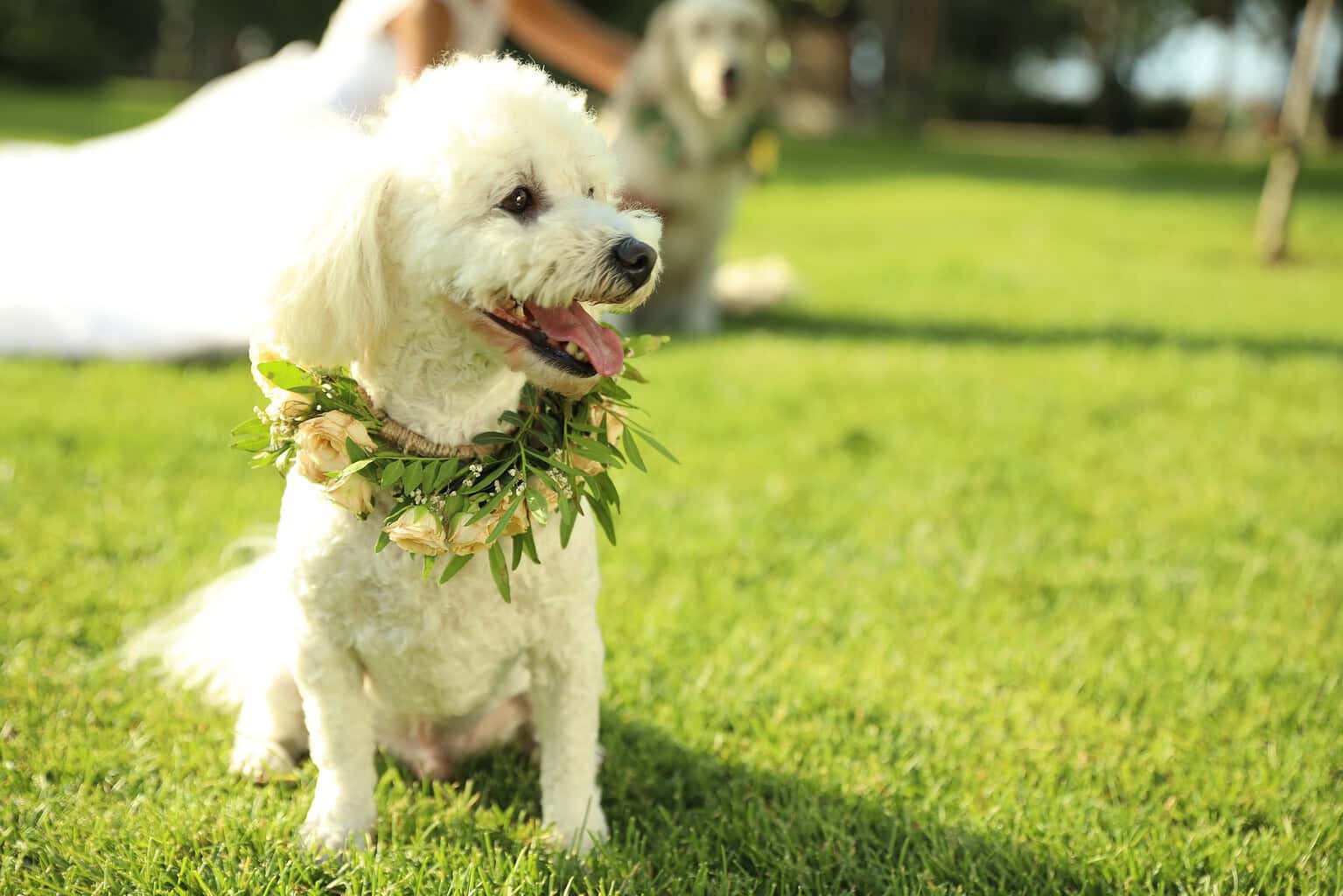
The best way to celebrate a gotcha day is to plan one small thing your pet loves, one thing that gives back to the shelter or rescue that matched you, and one yearly ID check that keeps your pet safe. Add a same-spot photo or a short video so the tradition builds over the years. It does not have to cost much: a long sniff walk, a homemade treat, and an updated microchip record cost almost nothing.
Last updated: November 2025
What is a gotcha day, and what should you call it?
A gotcha day is the anniversary of the day your pet joined your family. For most people it is the date they signed adoption papers or carried a nervous dog or cat through the front door for the first time. Many shelter pets arrive without a known birth date, so the adoption anniversary often becomes the one firm date a family can celebrate every year.
Shelter Animals Count reports that adoption rates rose in 2024 to 57% for dogs and 64% for cats entering shelters and rescues. Each of those adoptions is a future anniversary.
The name is worth a thought. “Gotcha Day” started in human adoption, and many adoptees find it hurtful because it can sound like grabbing a prize and skips over the loss that comes with adoption. Dictionary.com notes that its use for pets is not considered very controversial, but some families prefer “adoption day,” “adoptiversary,” “family day,” or “homecoming day.” If adoptees are part of your family or circle, choosing one of those names is an easy kindness. Your dog will not mind.
A gotcha day is also different from a birthday. Our pet birthday ideas guide covers the cake-and-party side; this guide focuses on the adoption story, the people who cared for your pet before you, and the safety habits that keep that story going.
How do you find your pet’s gotcha day date?
The date is usually on your adoption contract, receipt, or the shelter’s confirmation email. If it has been a few years, look for the first photo of your pet at home on your phone, or call the shelter or rescue; most can look up the date by your name or the pet’s shelter ID.
Sometimes there are two dates. Foster-to-adopt pets often move in weeks before the adoption is final. Pick the date that feels like the beginning to your family; many people choose the first night the pet slept at home.
“Most people who adopt pets don’t know the exact date their pet was born. We wanted to create an opportunity for our adopters to be able to observe their pet’s unofficial birthday.”
Kaya Nielsen, Events & Merchandise Manager, Humane Society of Utah (Humane Society of Utah blog, 2021)
Put the date in your calendar as a yearly event with a reminder a week ahead, so you have time to order a wish-list item or plan an outing. If you are still in the early weeks with a new pet, our first 30 days after adoption checklist will help you build the routines that make the first anniversary feel like a real milestone.
What are the best gotcha day ideas at home?
Build the day around what your pet actually enjoys. Many shelter pets are happiest with a calm, predictable day at home.
- A sniff walk. Take your dog on a slow walk and let them stop and sniff for as long as they want. Sniffing is natural enrichment, and a slow walk is a gentle option for seniors too.
- A treat hunt. Hide small pieces of kibble or treats around one room and let your dog or cat find them. Start easy and make it harder as they figure it out.
- A new puzzle toy or a rotated old one. Bring a stored toy back out, or try a food puzzle or snuffle mat.
- An extra play session for cats. Two or three short wand-toy sessions, ending with a “catch” and a small snack, match how cats naturally hunt.
- A spa hour or trick session. A gentle brushing, or a few minutes practicing a favorite trick, with plenty of praise.
- A letter to your pet. Write a few lines about how they have changed this year and what you are grateful for. Dated and saved, these letters become a family keepsake.
If you want a small party, keep the guest list short and familiar and give your pet a quiet room to retreat to. A quiet evening on the couch counts too.
How can you give back to the shelter or rescue on gotcha day?

An adoption anniversary is a natural moment to say thank you to the people who cared for your pet before you met. Shelters and rescues run on donations, volunteers, and word of mouth, and a little help on your pet’s special day goes a long way. Shelter Animals Count reported that dogs in 2024 were staying in care longer before adoption, with large dogs staying the longest, so shelters are working hard to keep up. Here are the most useful ways to give back, starting with the easiest.
Make a donation in your pet’s name. Even a small gift helps cover food, medical care, and daily operations. Humane World for Animals points out that every shelter and rescue has bills to pay and that donations may cover supplies, staff training, housing upgrades, outreach programs, and enrichment. Pick a fixed amount you can give every year, such as one dollar for every year your pet has been home, and the donation becomes part of the tradition. If your employer matches charitable gifts, ask about it; Best Friends Animal Society notes that many workplace giving programs double or triple employee donations.
Shop the wish list. Most shelters post a wish list on their website or an online store. Common requests include towels and blankets, durable toys, cat litter, treats, and cleaning supplies. If you cannot find a list, call and ask what is running low. Some families let their pet “pick” an item at the pet store to drop off, which turns the shopping trip into part of the celebration.
Volunteer for a shift. Shelters need people to walk dogs, socialize cats, do laundry, help at adoption events, take photos of adoptable animals, and handle office tasks. Skills you use at work, such as carpentry, marketing, or writing, can help too. Most require an orientation first, so sign up a few weeks ahead. Our guide to how to help animal shelters has more ideas, including options that work from home.
Share an adoptable pet. Social media is one of the easiest ways to help. Post your pet’s adoption story and a recent photo, then share a profile of a current adoptable animal from the same shelter. Ask the shelter if they have a hashtag or a page you should tag. Tell the honest version of your story: the first scared nights, the training wins, the moment it clicked. Real stories convince people to visit a shelter more than polished ones do.
Send a thank-you note. Humane World also suggests a simple thank-you: a card, a social media shout-out, or lunch or cookies dropped off for the staff. If you remember the name of the volunteer or foster parent who cared for your pet, send them a photo. People who work in animal welfare rarely hear how their animals are doing years later, and an update can make their week.
Consider fostering. If you have the space and your current pet gets along well with others, fostering gives a shelter animal a break from kennel life while it waits for a home. Foster homes are the backbone of many rescue groups, and many shelters offer short-term options such as weekend sleepovers. Ask what the commitment looks like before you sign up.
You do not need to do all of these. Pick one each year and rotate.
Which gotcha day outings work for dogs and cats?
For dogs who love new places, pick an outing that fits their age, health, and comfort around strangers.
- A new trail or park. Let your dog lead and set the pace. Bring water and a long, light line if your dog is still learning recall.
- A pet store trip. Many pet stores welcome leashed dogs. Let your dog sniff the toy aisle and “choose” a gift.
- A playdate. Invite one or two dog friends your pet already knows and likes, rather than a crowd.
- A visit to the shelter. Some shelters welcome alumni visits, especially for photos or a donation drop-off. Call first, because visiting dogs can stress the animals in the kennels.
Most cats do not enjoy outings, and that is normal. For a cat, the best gotcha day is usually at home: a new cat tree spot by the window, a cardboard box fort, fresh catnip, or a bird-watching station. If your cat is harness-trained and relaxed outside, a short, quiet backyard session can work. Keep any cat outing calm, short, and familiar.
What gotcha day treats are safe for pets?
Homemade treats are easy if you stick to simple ingredients and small portions. The Tufts Petfoodology team at Cummings School of Veterinary Medicine recommends that treats make up less than 10% of a pet’s daily calories; for a 10-pound dog or cat, that is a maximum of about 30 calories. A sliver of a dog cake is plenty.
Simple ideas that work for most healthy dogs:
- Frozen pumpkin and yogurt bites. Mix plain canned pumpkin (not pie filling) with plain nonfat Greek yogurt and freeze small spoonfuls in an ice-cube tray. Tufts lists 2 tablespoons of canned pumpkin and 2 tablespoons of plain nonfat Greek yogurt at about 15 calories each.
- Pumpkin and peanut butter biscuits. The AKC’s recipe uses 2 cups of flour, 1 cup of canned pumpkin puree, and half a cup of peanut butter that does not contain xylitol, baked at 375°F for 12 minutes.
- A fruit and veggie plate. A few blueberries, apple pieces without seeds or core, a strawberry, or baby carrots.
For cats, a tablespoon of plain cooked chicken or turkey breast is plenty. Ask your vet first if your pet has a medical condition.
How do you start a gotcha day photo tradition?
A yearly photo is one of the simplest traditions, and it gets more meaningful every year. The idea is to take the same photo in the same place each anniversary, so you can line them up and watch your pet grow, settle in, and eventually go gray.
Choose a spot you will still have in five years: the front steps, a favorite chair, or a tree in the yard. Stand in the same place, hold the phone at the same height, and use soft window or shade light. Get down to your pet’s eye level and hold a treat just above the lens.
Some families add a prop that stays the same, like a letter board with the year count (“3 years home”) or the toy they came home with. Side by side, the first-day photo and the newest one tell the whole story.
Keep the photos in one album named “Adoption Day.” For help getting a sharp shot, see our tips on how to take good photos of your pet. And if you want to go further, our guide on how to make a video of your pet shows how to turn a year of clips into a short movie with music.
Why should gotcha day include a yearly ID check?
A microchip only helps if the registry has your correct phone number, and a tag only helps if it is attached and readable. The adoption anniversary is an easy yearly reminder to check both.
In a JAVMA study of 7,704 microchipped animals entering 53 U.S. shelters, Linda Lord and colleagues at Ohio State found that when shelters contacted a microchip registry, only 58.1% of the animals were registered in the database. For microchipped animals whose owners could not be found, the most common reason, at 35.4%, was an incorrect or disconnected phone number. Another 17.2% were still registered to another group, such as a shelter or rescue, rather than the owner.
That matters for adopted pets: the American Animal Hospital Association advises adopters of a chipped pet to update the registry contact information themselves. Your yearly ID check, in about ten minutes:
- Find the microchip number on your adoption paperwork or vet records.
- Enter it in the AAHA Universal Pet Microchip Lookup Tool to see which registry holds it.
- Log in to that registry and confirm your name, phone numbers, email, and address. Add a backup contact.
- Ask your vet to scan the chip at the next checkup; the AVMA recommends a scan at least once a year.
- Check the collar tag: is it readable, is the phone number current, and is the ring secure?
- If your pet has a smart tag, open its profile and update contacts, medical notes, and the photo.
Our step-by-step guide on how to check your pet’s microchip registration walks through each registry in more detail.
Give them an anniversary gift that brings them home
A Shiloh’s House Smart Tag lets anyone who finds your pet tap it with a phone and call, text, or get directions to you in one tap, with no app needed. Update the profile any time, so every gotcha day ID check takes seconds.
How do you celebrate gotcha day with the free Lohji app?
If you like turning your pet’s photos into something fun to share, the free Lohji app, available on the App Store and Google Play, fits right into a gotcha day plan. It turns a single photo of your pet into a 3D animated-movie-style character, called a Lohji, and the same app manages the Shiloh’s House Smart Tag profile.
- Make a Base Lohji from one photo. Upload one clear photo, add optional details like eye color or markings, and the app creates your pet’s character. New accounts start with 10 free Lohji Coins, and a Base Lohji uses 2.
- Send a celebration sticker. The seasonal sticker set includes a Birthday design that works well for an adoption anniversary, along with designs for holidays across the year.
- Build a Lohji Slideshow. The free Slideshow mixes your stickers, cards, images, and videos with playful animations and a soundtrack generated in the app in a playful, dreamy, or chill mood. Tap “Share as movie” to save it as a video and send it to family.
- Stitch a Mini Movie. If you have made short Lohji videos over the year, Mini Movie combines 2 to 10 of them into one file for free.
- Make a 4K collector card. Collector cards are trading-card style art with stats and badges, a fun keepsake to add to the yearly photo album.
- Update the Smart Tag profile. Use the day to review Pet Info (medical and behavior notes, vet, reward), Emergency Contacts (a primary guardian plus up to two more), and Voice, where you can record your pet’s name and up to three 15-second voice messages for whoever finds them.
What are gotcha day ideas by budget and time?
Use this table to match a plan to the time and money you have. The pairings and cost estimates are our own suggestions, not data from a study, and prices vary by area.
| Idea | Approx. cost | Time | Best for |
|---|---|---|---|
| Sniff walk or wand-toy play | Free | 30 min | Every pet |
| Yearly ID check | Free in many registries | 10 min | Every pet |
| Same-spot photo | Free | 15 min | Every pet |
| Share an adoptable pet | Free | 10 min | Social sharers |
| Homemade treats | $5 to $10 | 45 min | Food-motivated dogs |
| Wish-list donation | $10 to $50 | 20 min | Giving back |
| New trail or patio outing | $0 to $25 | 2 to 3 hours | Social, healthy dogs |
| Volunteer shift | Free | 2 to 4 hours | Giving back |
| Lohji slideshow movie | Free app, optional coins | 20 min | Family sharing |
Frequently asked questions
What is a gotcha day for a pet?
A gotcha day is the anniversary of the day a pet joined its family, usually the adoption date or the first night at home. Many shelter pets have no known birth date, so the adoption anniversary becomes the date families celebrate each year. Some families prefer the names adoption day, adoptiversary, family day, or homecoming day, because the word gotcha can feel hurtful to people who were adopted themselves.
Is a gotcha day the same as a pet’s birthday?
No. A birthday marks the day a pet was born, while a gotcha day marks the day the pet came home. If you know both dates, you can celebrate both, perhaps keeping the birthday about cake and play and the adoption anniversary about the family story, giving back to the shelter, and checking ID. If the birth date is unknown, many families simply use the adoption anniversary as the main yearly celebration instead.
How do I find out my pet’s adoption date?
Check your adoption contract, receipt, or the confirmation email the shelter or rescue sent you. Your phone’s photo library is another good clue, because the first picture of your pet at home is usually dated. If you still cannot find it, call the shelter or rescue with your name and the pet’s shelter name or ID number, and they can usually look up the date.
What is a safe gotcha day treat for a dog?
Simple homemade treats are usually safest. Frozen bites of plain canned pumpkin mixed with plain nonfat Greek yogurt, or baked biscuits made with flour, pumpkin, and peanut butter that contains no xylitol, work for most healthy dogs. Keep the portion small, since treats should stay under about 10% of daily calories, and never use chocolate, grapes, raisins, macadamia nuts, onion, garlic, or xylitol. Ask your vet first if your dog has health issues.
How can I celebrate my cat’s gotcha day?
Most cats prefer a celebration at home. Try two or three short play sessions with a wand toy, each ending with a small snack, a new window perch or cardboard box fort, fresh catnip, or a quiet brushing session if your cat enjoys it. A tablespoon of plain cooked chicken makes a good treat. Then take a same-spot anniversary photo and spend a few minutes checking the microchip registration and collar tag details.
Why should I update my pet’s microchip on gotcha day?
A microchip only helps if the registry has your current contact details. In a large study of microchipped animals entering U.S. shelters, only 58.1% were found registered when shelters checked, and wrong or disconnected phone numbers were the top reason owners could not be reached. Adopted pets may still be registered to the shelter. A yearly check on the adoption anniversary keeps your information current and takes about ten minutes.
Sources
- 2024 Annual Analysis, Shelter Animals Count, 2025
- SAC Releases 2024 Year End Report, Shelter Animals Count, 2025
- Characterization of animals with microchips entering animal shelters, Lord LK, Ingwersen W, Gray JL, Wintz DJ, Journal of the American Veterinary Medical Association, 2009
- Microchipping: FAQs for pet owners, American Veterinary Medical Association, accessed 2025
- National Check the Chip Day, American Veterinary Medical Association, accessed 2025
- Frequently Asked Questions About Pet Microchipping, American Animal Hospital Association, 2024
- A Gotcha Day Celebration!, Humane Society of Utah, 2021
- Gotcha Day, Dictionary.com, 2019
- People Foods to Avoid Feeding Your Pets, ASPCA Animal Poison Control Center, accessed 2025
- Paws Off Xylitol; It’s Dangerous for Dogs, U.S. Food and Drug Administration, accessed 2025
- Treat Options for Dogs and Cats Without Unbalancing Their Diet, Petfoodology, Cummings School of Veterinary Medicine at Tufts University, 2021
- Easy and Healthy Pumpkin Dog Treat Recipes for Fall, American Kennel Club, 2022
- How to help animals in shelters, Humane World for Animals, 2019
- 25 Ways to Help Save Them All, Best Friends Animal Society, accessed 2025