Can Dogs Eat Watermelon? Seeds, Rind and How Much Is Safe
 Shiloh’s House Team
·
·
14 min read

Yes, dogs can eat watermelon as long as you serve only the seedless red or yellow flesh. Cut away the green and white rind, pick out the hard black seeds, and offer small bite-sized cubes, fresh or partly frozen. Watermelon is mostly water and low in calories, but it still carries natural sugar, so keep it inside the 10% treat rule and ask your vet first if your dog is diabetic or overweight. Skip anything watermelon flavored.
Last updated: November 2026
Can dogs eat watermelon?
Yes. Watermelon is not toxic to dogs, and the American Kennel Club, PetMD, Hill’s and the veterinarians quoted by Great Pet Care, including a Cornell nutrition professor, all agree that the flesh is a safe treat when it is prepared correctly. It is low in calories, has no fat or cholesterol, and carries small amounts of vitamins A, B6 and C plus potassium.
The safe version follows four simple rules:
- Flesh only. The red or yellow fruit is the part your dog can have.
- No rind. The tough green skin and the pale white layer under it are hard to digest.
- No hard seeds. Buy seedless or flick out the black seeds before serving.
- Small amounts. A few cubes, not a whole wedge, and never as a meal replacement.
Most of the trouble with watermelon has nothing to do with the fruit itself. It comes from a dog grabbing a rind off a picnic plate, raiding the compost bin, or getting a watermelon-flavored candy or yogurt that hides xylitol. Each of those gets its own section below.
“The biggest issue is the rind – we have seen more than one dog who has gotten into the rind and eaten chunks of it develop obstructions or vomit up the chunks since they are very hard to digest.”
Dr. Joseph J. Wakshlag, professor of clinical nutrition, Cornell University College of Veterinary Medicine, Great Pet Care (2023)
If watermelon is new to your dog, start with one or two small cubes and watch for loose stool, gas or vomiting over the next day before offering more.

How much watermelon can a dog eat by size?
Veterinarians use the same yardstick for every treat. Snacks of any kind, watermelon included, should make up no more than 10% of your dog’s daily calories, with the other 90% coming from a complete and balanced dog food. The AKC and PetMD both repeat that rule, and Dr. Wakshlag at Cornell frames it the same way.
To turn that rule into something you can use in the kitchen, we estimated daily calories with the formula in the Merck Veterinary Manual (resting energy of 70 times body weight in kilograms to the 0.75 power, times 1.6 for a healthy neutered adult). Then we took 10% of that number and divided it by the USDA figure of about 46 calories per cup of diced watermelon. The serving column is our own suggestion, set well below the ceiling because most dogs get other treats during the day too. These are starting points, not a prescription, and your vet can adjust them.
| Dog weight | Approx. daily calories (neutered adult) | 10% treat ceiling | Watermelon that fills the whole ceiling | Our suggested serving |
|---|---|---|---|---|
| 5 lb | about 210 | about 21 calories | about 1/2 cup | 2 to 3 half-inch cubes |
| 10 lb | about 350 | about 35 calories | about 3/4 cup | 3 to 5 half-inch cubes |
| 20 lb | about 585 | about 59 calories | about 1 1/4 cups | about 1/4 cup |
| 40 lb | about 985 | about 98 calories | about 2 cups | about 1/3 to 1/2 cup |
| 60 lb | about 1,335 | about 133 calories | about 3 cups | about 1/2 to 3/4 cup |
| 90 lb | about 1,810 | about 181 calories | about 4 cups | up to about 1 cup |
Why stay so far under the ceiling? Watermelon is light on calories but heavy on water and sugar, and a big bowl of it is more likely to cause gas, bloating or diarrhea than weight gain. PetMD suggests offering it two to three times a week rather than every day.
What is in watermelon that matters for dogs?
Watermelon earns its reputation as a light treat. Here is what one cup of diced raw watermelon contains, using USDA FoodData Central values (30 calories and 91.45 grams of water per 100 grams, scaled to a 152 gram cup).
| Per 1 cup diced (152 g) | Amount | What it means for your dog |
|---|---|---|
| Calories | 46 | Low, so it fits easily into a treat budget |
| Water | about 139 g | A little extra hydration, never a substitute for the water bowl |
| Total sugars | about 9.4 g | The main reason to keep portions small |
| Carbohydrate | about 11.5 g | Almost all of the calories |
| Fiber | about 0.6 g | Very little, so it is not a fiber source |
| Potassium | about 170 mg | A small bonus mineral |
| Vitamin C | about 12 mg | Dogs make their own, so this is extra, not essential |
| Lycopene | about 6.9 mg | The antioxidant pigment behind the red color |
The takeaway is that watermelon is a fun, low-calorie snack rather than a superfood. A complete dog food already covers your dog’s vitamin and mineral needs, so the real benefits are a cool, juicy texture and a treat that will not blow up the daily calorie count. Compared with fruits like bananas, which are denser in sugar and calories, watermelon gives your dog more volume for fewer calories.
Can dogs eat watermelon seeds or rind, and what if they already did?
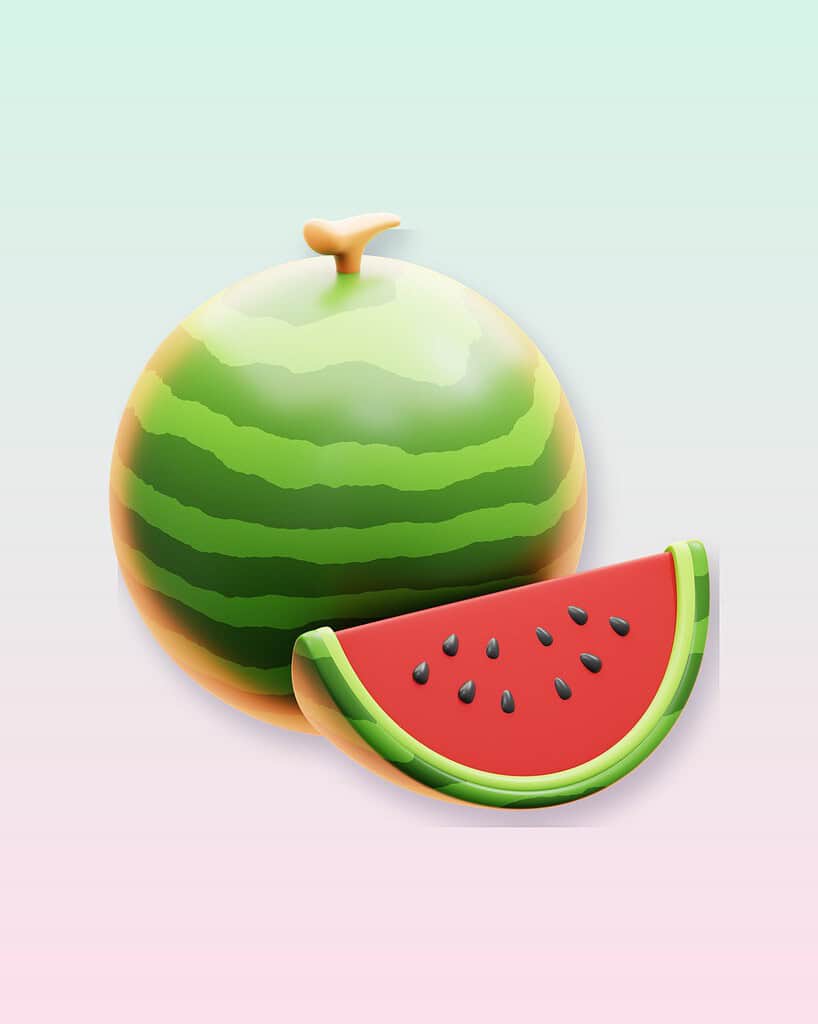
Neither the seeds nor the rind are poisonous. The problem with both is mechanical. They are hard for a dog to break down, and in the wrong amount they can upset the stomach, become a choking hazard or get stuck in the intestines.
Start with the seeds. The hard, mature black seeds are the ones to worry about. Dr. Gabrielle Fadl of Bond Vet told Great Pet Care that seeds are hard to digest and can cause stomach upset, and that a large number of them can cause an intestinal obstruction. The soft white seeds you find in seedless melons are immature and much less of a concern, although she notes that too many of either kind can still cause trouble. Size matters a great deal here. Dr. Wakshlag said obstructions from seeds are unlikely in dogs over 20 pounds, while Hill’s points out that it does not take many seeds to cause a blockage in a small dog. Puppies also have a harder time with seeds, so they should only ever get seed-free pieces. PetMD adds that watermelon seeds contain trace amounts of cyanide compounds, but it is highly unlikely a dog would eat enough for that to matter. A few swallowed seeds are rarely a problem.
The rind is the bigger risk. The green skin and the white layer just beneath it are tough and fibrous. Chewed-off pieces can cause vomiting, diarrhea and stomach pain, and a large swallowed chunk can lodge in the stomach or intestines. That is why veterinarians call watermelon rinds a summer picnic hazard. Dogs find them on paper plates, in open trash bags at the park and in backyard compost piles, and they will often swallow big pieces without much chewing.
If your dog has just eaten some rind or a pile of seeds, take a breath and gather a few facts. How big was the piece compared with your dog? How many seeds, roughly? Did your dog chew it or gulp it? A small nibble of rind in a large dog is very different from a toy breed swallowing a two-inch wedge. When in doubt, call your veterinarian, describe what happened and follow their advice. Do not try to make your dog vomit at home unless a vet tells you to.
For the next 24 to 72 hours, watch closely for the signs PetMD and the AKC list for an intestinal blockage or serious stomach upset:
- Repeated or persistent vomiting, especially if your dog cannot keep water down
- Loss of appetite or refusing favorite treats
- A painful, tense or bloated belly, or a hunched posture
- Weakness or unusual lethargy
- Straining to pass stool, or no stool at all
- Diarrhea that does not settle within a day
Any of those signs means a same-day vet visit. A blockage can turn into an emergency quickly, and the earlier it is caught, the more options your vet has. Our step-by-step guide on what to do when your dog ate something it shouldn’t walks through the phone call, what to bring and what your vet may ask.
The easiest fix is prevention. Buy seedless melons when you can, cut the flesh off the rind in the kitchen rather than handing over a slice, and bag the rinds and bin them right away. At cookouts, ask guests not to share their slices, and keep the trash can lidded or out of reach. Treat the compost bin the same way, since a dog that digs into it can find rinds days after the party is over.
Is frozen watermelon safe for dogs?
Yes, and many dogs love it. The AKC suggests freezing seedless watermelon chunks for a cooling treat on hot days, or blending the fruit into a puree and freezing it in ice cube trays or silicone molds. Dr. Fadl calls these “pupsicles” and says they are a fine option as long as every ingredient is dog safe.
A few tips keep frozen watermelon safe:
- Go partly frozen for small dogs. The Spruce Pets suggests chilling pieces until they are only partly frozen, because rock-hard cubes can be a choking hazard or hard on teeth.
- Keep pieces small. Frozen chunks do not soften as quickly in the mouth, so cut them smaller than you would fresh cubes.
- Stuff a toy. A spoonful of frozen puree inside a rubber enrichment toy slows fast eaters down.
- Check any add-ins. If you blend watermelon with yogurt, the AKC says to use plain, unsweetened yogurt and read the label to make sure it has no xylitol.
Frozen fruit also counts toward the treat budget, so a tray of watermelon cubes is not a free-for-all. You can mix things up with other dog-safe frozen fruits, such as frozen blueberries or sliced strawberries, using the same small portions.
Can puppies and diabetic dogs eat watermelon?
Puppies. Yes, in very small amounts. Dr. Fadl told Great Pet Care that puppies can have treats, including dog-safe fruits, as long as treats stay under 10% of their daily calories. Because their digestive systems are still developing, she suggests sticking to very small amounts so they do not fill up on fruit and skip their balanced puppy food, and avoiding lots of new foods at once. Always remove every seed for a puppy, since young dogs have a harder time passing them. Offer one tiny cube at a time.
Diabetic dogs. Talk to your vet before offering any. PetMD says dogs with diabetes, obesity or sugar sensitivities may not be good candidates for watermelon treats, and Dr. Fadl notes the fruit’s sugar content could make it less than ideal for diabetic dogs. A diabetic dog’s insulin dose is matched to a steady diet, so even a healthy-sounding snack can throw off blood sugar control. If your vet says a little is fine, they will likely want it given at a consistent time and in a measured amount.
Dogs with sensitive stomachs or allergies. Allergies to watermelon are rare, but The Spruce Pets lists itching, swelling, hives, vomiting and diarrhea as possible signs. Introduce one new food at a time so you can tell what caused a flare-up.
Overweight dogs. Watermelon can be a smart swap for a high-calorie biscuit, because a few cubes have only a handful of calories. Just make sure you swap rather than add.
Puppies and curious young dogs are also the ones most likely to wander off chasing a dropped slice at a picnic. A tag with current contact details is the simplest backup plan for those busy summer gatherings.
Picnics, cookouts and open gates
Busy outdoor gatherings are when dogs slip away. A Shiloh’s House NFC Smart Tag lets anyone who finds your dog tap it with a phone and see your contacts, medical notes and directions home, with no app needed for the finder.
Which watermelon products should dogs avoid?
Fresh watermelon and watermelon flavor are two very different things. Dr. Fadl warns that watermelon flavorings can be totally different from the actual fruit and might contain toxic ingredients like xylitol. Everything in this guide applies only to the real fruit.
Skip these:
- Watermelon candy, gum and gummies. These are sugar and flavoring, and sugar-free versions may contain xylitol.
- Sugar-free watermelon drinks and freezer pops. Again, check for xylitol and other sweeteners.
- Canned or syrup-packed fruit. Chewy’s vet sources say to avoid watermelon that is canned, sugared or packed in syrup.
- Seasoned watermelon. Salted, chili-lime or Tajin-style slices and fruit salads with grapes or citrus dressing are not dog snacks.
- Pickled rind. It is still rind, plus salt, sugar and spices.
- Watermelon cocktails or spiked fruit. Any alcohol is dangerous for dogs.
The ASPCA explains that xylitol can cause a sudden drop in blood sugar and possible liver damage in dogs, with early signs like vomiting, lethargy and loss of coordination that can progress to seizures. If your dog ate a product that might contain xylitol, call your vet or ASPCA Animal Poison Control at (888) 426-4435 right away.
Fruit salads deserve a second look too. A bowl of watermelon is often mixed with grapes, which can cause kidney damage in dogs. Our list of foods dogs can’t eat covers the other ingredients that tend to show up at summer parties.
How do you serve watermelon to a dog safely?
Prep takes about a minute:
- Wash the outside. PetMD recommends rinsing the melon first so your knife does not drag dirt or residue into the flesh.
- Cut the flesh away from the rind. Remove both the green skin and the white layer underneath.
- Remove the seeds. Pick out every black seed, and as many white seeds as you can for small dogs and puppies.
- Cube it. Chewy’s guide suggests pieces of about half an inch, and PetMD uses pieces about one inch square and a quarter inch thick. Match the size to your dog.
- Serve plain. No salt, sugar, spice or dressing.
- Store leftovers. Keep cut cubes covered in the fridge and use them within a few days, or freeze them.
Watermelon also works well as a training reward on warm days. Keep a small container of cubes in the fridge and use them for quick recall practice in the yard. If you want variety, other low-calorie fruits that follow the same small-portion approach include apples without the core and seeds, and raspberries in small handfuls.
And if your dog’s face during the first watermelon taste is too good to forget, snap a photo. The free Lohji app (App Store or Google Play) turns one picture of your pet into an animated-movie-style character you can use for phone wallpapers, watch faces and stickers. It is also where you set up the safety profile for a Shiloh’s House Smart Tag.
Frequently asked questions
Is watermelon good for dogs?
In small amounts, yes. The seedless flesh is low in calories, about 91% water and has a little vitamin A, B6, C and potassium. It is a refreshing treat rather than a health food, since a complete dog food already supplies the nutrients your dog needs. Keep it inside the 10% treat rule and always remove the rind and hard seeds first.
Can dogs eat watermelon every day?
Most dogs do better with watermelon a few times a week rather than daily. PetMD suggests two to three times a week, and The Spruce Pets cites a vet who keeps it to two or three bite-sized pieces a day at most. Large daily servings add sugar and can cause loose stool or gas. If your dog has diabetes or is overweight, ask your vet first.
What happens if my dog eats a watermelon rind?
A small piece often passes with nothing more than mild stomach upset, but a large chunk can cause vomiting or an intestinal blockage, especially in small dogs. Call your vet, describe the size of the piece and your dog’s weight, and watch for vomiting, belly pain, appetite loss or straining to poop over the next 24 to 72 hours.
Are white watermelon seeds safe for dogs?
The soft white seeds in seedless melons are immature and much less risky than hard black seeds. A few are unlikely to cause harm. Veterinarians still say either kind can cause trouble if a dog eats a lot of them, so it is worth removing what you can, especially for toy breeds and puppies.
Can dogs drink watermelon juice?
Fresh, plain juice from blended seedless watermelon is safe in small amounts, and frozen in ice cube trays it makes a simple summer treat. Skip store-bought watermelon drinks, which can contain added sugar or sweeteners such as xylitol. Juice also concentrates the sugar without the bulk of the fruit, so keep servings small.
Can dogs eat yellow watermelon?
Yes. PetMD notes that both red and yellow watermelon can offer the same benefits when fed in moderation and prepared properly. Yellow varieties follow the exact same rules as red ones: remove the rind, pick out the hard seeds, cut the flesh into bite-sized cubes and keep the portion inside your dog’s 10% treat budget. Start small the first time.
Sources
- Watermelon, raw (FDC 167765), USDA FoodData Central (2019)
- Can Dogs Eat Watermelon? Benefits, Risks, and Safe Serving Tips, American Kennel Club (2026)
- Can Dogs Eat Watermelon?, PetMD (2025)
- Can Dogs Have Watermelon?, Great Pet Care (2023)
- Daily Maintenance Energy Requirements for Dogs and Cats, Merck Veterinary Manual (2023)
- People Foods to Avoid Feeding Your Pets, ASPCA Animal Poison Control
- Can Dogs Eat Watermelon?, Hill’s Pet Nutrition (2021)
- Can Dogs Eat Watermelon?, The Spruce Pets (2026)
- Can Dogs Eat Watermelon?, Chewy (2025)