Can Dogs Eat Bananas? Peels, Banana Bread & How Much Is Safe
 Shiloh’s House Team
·
·
15 min read

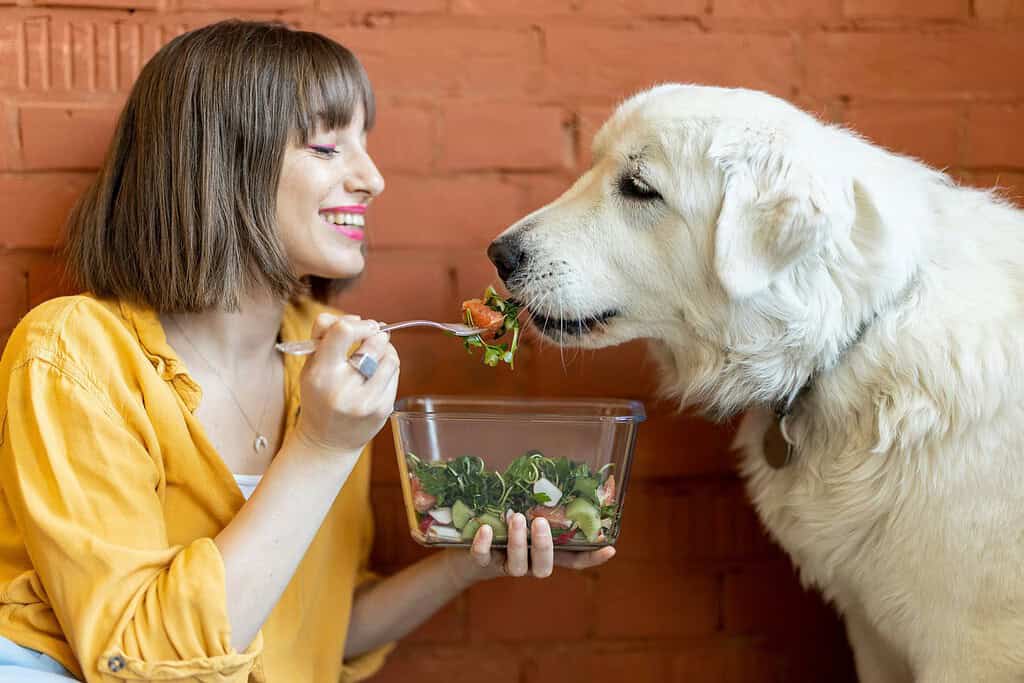
Yes, dogs can eat bananas in moderation, and plain, peeled banana is a safe, soft treat most dogs love. Bananas offer potassium, fiber and vitamin B6, but they are also high in natural sugar, so a few thin slices is plenty for most dogs. Always remove the peel, skip banana chips, banana bread and banana pudding, and ask your vet first if your dog has diabetes, kidney disease or a weight problem. Keep all treats under 10% of daily calories.
Last updated: November 2026
Can dogs eat bananas?
Yes. Bananas are not toxic to dogs, and they are one of the easiest fruits to share. The American Kennel Club answers the question with a plain yes and calls bananas a nutritious treat that provides beneficial vitamins and minerals. The AKC also notes that some veterinarians recommend bananas as a healthier alternative to treats that are high in fat or salt.
The catch is sugar. A medium banana has about 105 calories, and most of that comes from carbohydrates, including roughly 14 grams of natural sugar. For a 10-pound dog, a whole banana would be about a third of the day’s total calories. That is why the AKC says bananas are best reserved as an occasional treat rather than an everyday snack.
Purina’s team makes a related point. Purina nutritionist Karina Carbo-Johnson, MS, says your dog should be eating a complete and balanced dog food, so “you would not need to rely on the banana to supply essential nutrients.” In other words, banana is a fun extra, not a supplement.
So the real questions are how much, in what form, and for which dogs. Nearly every banana problem comes from one of four things:
- Too much. Extra sugar and fiber can mean loose stool, gas or weight gain.
- The peel. It is tough to digest and can cause a blockage.
- Banana products. Chips, bread, muffins and pudding add fat, sugar and sometimes toxic ingredients.
- Health conditions. Dogs with diabetes, kidney disease or obesity may need to skip bananas altogether.
If you are checking several foods at once, our guide to foods dogs can’t eat lists the ingredients that should never reach the dog bowl.

What nutrients does a banana give a dog?
Bananas are mostly water and carbohydrate, with a small but useful set of vitamins and minerals. PetMD lists fiber, vitamin C, vitamin B6, potassium, magnesium and biotin among them. Here is what the USDA reports for raw banana, scaled to one medium fruit.
| Nutrient | Per 100 g raw banana | Per medium banana (118 g) |
|---|---|---|
| Calories | 89 | 105 |
| Carbohydrate | 22.8 g | 27.0 g |
| Total sugars | 12.2 g | 14.4 g |
| Fiber | 2.6 g | 3.1 g |
| Potassium | 358 mg | 422 mg |
| Magnesium | 27 mg | 32 mg |
| Vitamin B6 | 0.37 mg | 0.43 mg |
| Vitamin C | 8.7 mg | 10.3 mg |
Those numbers look healthy, and they are, for a person eating a whole banana. Your dog is eating a few slices, so the nutrient boost is small. PetMD makes the same point: because dogs typically get only small portions, bananas should complement a balanced diet rather than serve as a significant source of nutrition.
The fiber is the part you will notice first. A little can help keep stool regular, but too much at once, especially in a dog that has never had banana, is a common cause of soft stool. Start small and see how your dog does.
For everyday snacking, Tufts lists lower-calorie picks too, such as a quarter cup of chopped apple for about 15 calories.
How much banana can a dog eat by weight?
Treats of all kinds, banana included, should stay under 10% of your dog’s daily calories. Tufts University’s veterinary nutritionists use that rule so treats do not unbalance a complete diet. Their own treat list puts one-eighth of a medium banana (20 grams) at about 15 calories.
The table below estimates daily calories for healthy, neutered adult dogs using the AAHA formula (resting energy times 1.4), then shows the 10% treat budget and how much banana would use up that entire budget. The last column is a more practical serving, based on the slice chart PetMD and Chewy publish, with each slice about a quarter inch thick.
| Dog weight | About daily calories | 10% treat budget | Banana that fills the whole budget | Practical serving |
|---|---|---|---|---|
| 5 lb | 180 | 18 | About 20 g (1/6 banana) | 1 to 2 slices |
| 10 lb | 300 | 30 | About 34 g (1/4 banana) | 1 to 2 slices |
| 20 lb | 510 | 51 | About 58 g (1/2 banana) | 2 to 3 slices |
| 30 lb | 690 | 69 | About 78 g (2/3 banana) | 3 to 6 slices |
| 50 lb | 1,020 | 102 | About 114 g (1 banana) | 3 to 6 slices |
| 75 lb | 1,380 | 138 | About 155 g (1 1/3 bananas) | A handful of slices |
| 100 lb | 1,710 | 171 | About 190 g (1 2/3 bananas) | Up to 1/2 banana |
The middle columns are a ceiling, not a target. They assume banana is the only treat your dog gets all day, which is rarely true once training treats, chews and table scraps are counted. Dr. Albert Ahn, a veterinarian quoted by Chewy, suggests no more than half a banana a day even for a large dog, and only a couple of small slices for small dogs.
Calorie needs vary a lot. Active, intact or young dogs burn more, while seniors and couch potatoes burn less, so treat the table as a starting point and adjust to your dog’s body condition.
How do you serve banana to a dog safely?

Serving banana well takes about a minute. Here are the steps, plus a few treat ideas that stretch one banana across a week.
Start with a ripe banana. A yellow banana is soft and easy to chew, and a brown, overripe one mashes easily for frozen treats.
Peel it completely. Remove the whole peel and the stringy fibers along the sides. PetMD and the AKC both say to always remove the peel before feeding banana, because peels are hard to digest and can cause an intestinal blockage.
Cut it to match your dog. PetMD recommends slices about a quarter inch thick. For toy breeds and small puppies, cut each slice into halves or quarters. Large dogs can have full slices. Avoid handing over big chunks or a whole banana, since dogs who gulp can choke on a large, soft piece.
Introduce it slowly. The first time, offer one small piece and wait. Watch for soft stool, vomiting, gas or itchy skin over the next day or so. PetMD notes that true banana allergies are considered uncommon, but any new food can upset a sensitive stomach. Only add one new food at a time so you know what caused a problem if one appears.
Count it as a treat. Banana calories come out of your dog’s 10% treat budget. On a banana day, give fewer biscuits or cut the meal slightly if your dog is prone to weight gain.
Once you know your dog handles banana well, try a few ways to serve it:
- Fresh slices. The simplest option, and a nice high-value reward for dogs who love sweet flavors.
- Mashed topper. The AKC suggests mashing a little banana into your dog’s food. A teaspoon is plenty for a small dog.
- Frozen bites. Freeze peeled slices flat on a tray, then store them in a bag. The AKC suggests freezing a peeled banana and cutting it into bite-sized pieces. Frozen bites last longer and feel good on hot days.
- Stuffed toy. Mash banana into a rubber food toy and freeze it. Chewy’s vet source, Dr. Ahn, likes this for fast eaters because it slows down how quickly the treat can be eaten.
Two mix-ins work well with banana. The first is plain yogurt. PetMD suggests blending frozen banana with dog-safe fruit such as strawberries and blueberries, then mixing it with plain, sugar-free, xylitol-free yogurt. Tufts lists 2 tablespoons of plain nonfat Greek yogurt at about 15 calories. Keep the amount small, because the ASPCA notes that pets do not make much lactase, so dairy can cause diarrhea in some dogs.
The second is peanut butter. A thin smear inside a frozen banana toy is a classic, but read the label first. Some peanut butters contain xylitol, which is dangerous to dogs. Our guide to peanut butter for dogs explains what to look for on the jar. Plain canned pumpkin is another easy, lower-sugar mix-in.
A simple frozen treat for a medium dog: mash half a ripe banana with 2 tablespoons of plain yogurt, spoon it into an ice cube tray, and freeze. Give one cube at a time. Each cube holds only a fraction of the banana, so a single fruit can cover several days.
Finally, store bananas where your dog cannot reach them. A dog who finds a bunch on a low table may eat several, peels and all.
Can dogs eat banana peels?
No. Banana peels are not toxic, but they are tough, fibrous and hard for dogs to digest. Purina notes that peels are not toxic the way orange peels are, and Carbo-Johnson explains that an unpeeled banana can cause stomach upset because dogs are not used to that much fiber.
The bigger risk is a blockage. PetMD warns that because of their tough texture, peels can sometimes become lodged in the digestive tract, especially when a dog swallows a large piece. PetMD also notes that peels may carry pesticide residue.
Small dogs are at higher risk, simply because a peel takes up more room in a smaller gut. A Labrador who steals one peel may pass it with nothing worse than a soft stool. A Yorkie who eats the same peel could be in real trouble.
Signs of an intestinal blockage, according to PetMD and Chewy, include:
- Vomiting, especially repeated vomiting
- Loss of appetite
- Belly pain
- Weakness or lethargy
- Diarrhea or constipation, or straining with nothing coming out
If your dog ate a peel and seems completely normal, call your vet for advice, mention your dog’s weight and how much was eaten, and watch closely for the next couple of days.
Are banana chips, banana bread and banana pudding safe for dogs?
Plain fresh banana is the only form we recommend. Banana products are a different story, because what gets added to the fruit is what causes trouble.
Banana chips. Most store-bought chips are fried and sweetened. USDA FoodData Central lists banana chips at 519 calories and 33.6 grams of fat per 100 grams, compared with 89 calories and well under 1 gram of fat in the same weight of fresh banana. PetMD adds that dried banana can absorb water and swell if it is not chewed well, which may contribute to an obstruction.
Banana bread and muffins. PetMD warns that banana bread often contains ingredients that can be harmful or toxic to dogs, including raisins, xylitol and nutmeg, and that it is high in sugar and fat. Chocolate chips are another common add-in. The ASPCA warns that grapes and raisins can lead to kidney damage in dogs, and that chocolate’s methylxanthines can cause vomiting, abnormal heart rhythm, tremors and seizures.
Xylitol. Sugar-free and “healthy” banana bread recipes sometimes use xylitol, also sold as birch sugar. Pet Poison Helpline says poisoning is expected at doses as low as 0.1 grams per kilogram of body weight, which causes low blood sugar, and liver damage may develop at 0.5 grams per kilogram and above.
Banana pudding. Chewy says dogs should not eat it. It is loaded with added sugar and ingredients that could be harmful to your dog.
Help your dog get home, snack habits and all
Shiloh’s House Smart Tags are personalized, laser-engraved acrylic tags made in the USA. A finder taps the tag with any phone to see your dog’s profile, call or text you in one tap, and read the medical notes you add, such as “diabetic, no treats.”
Can puppies eat bananas?
Yes, in small amounts. PetMD says puppies can eat bananas in moderation, but they should be introduced slowly and fed smaller portions than adult dogs. Chewy adds that because puppies’ digestive systems are still developing, it is best to give only a very small amount and stop if they get an upset stomach.
The bigger concern is nutrition. Purina points out that puppies need a specific diet for growth and development, and added calories from fruit could interfere. Chewy lists rapidly growing puppies among the dogs that may need sugar limits. Treats should never crowd out a balanced puppy food.
A few puppy-specific tips:
- Wait until your puppy is settled on solid puppy food before trying any fruit.
- Start with a piece smaller than your fingernail, mashed or cut very small.
- Use frozen banana mash in a rubber toy as a soothing chew during teething, and supervise.
- Add only one new food at a time, and stop if you see diarrhea or vomiting.
Puppies are also champion counter-surfers, so keep the fruit bowl, and the trash with its peels, out of reach. Our new puppy checklist has more ideas for puppy-proofing the kitchen.
Should dogs with diabetes or kidney disease eat bananas?
Usually not without your vet’s okay. Banana is safe for healthy dogs, but its sugar and potassium can matter a lot for dogs with certain conditions.
Diabetes. PetMD says dogs that are overweight, have diabetes or are managing other medical conditions should generally avoid bananas and other high-sugar fruits unless a veterinarian approves them. Chewy gives the same advice. With roughly 14 grams of sugar in a medium banana, even a few slices can make blood sugar harder to manage. Tufts lists lower-calorie options such as cucumber and green beans. Our guide to diabetes in dogs covers daily feeding in more detail.
Kidney disease. Potassium is where it gets tricky. VCA explains that dogs with chronic kidney disease often lose too much potassium in their urine, which is why kidney support diets contain extra. But some dogs with kidney disease go the other way. In a study at the University of California, Davis, published in the Journal of Veterinary Internal Medicine, 47% of 152 dogs with chronic kidney disease had at least one episode of high blood potassium, and some needed a potassium-reduced diet to correct it. The same paper notes that ACE inhibitors, a common kidney medication, can raise that risk.
Because potassium can be too low in one kidney dog and too high in another, only your vet’s bloodwork can tell you whether banana fits.
If your dog has a condition like this, make sure anyone who might find them knows it too. In the free Lohji app (App Store, Google Play), you can add medical and behavior notes to your dog’s Smart Tag profile, so a finder who taps the tag sees them right away. And for the dog who stares at you every time you peel a banana, Lohji has a “Hungry” sticker.
What should you do if your dog ate too much banana?
Most of the time, nothing dramatic happens. A dog who eats a whole banana, or a few, will likely have a soft stool, some gas or a bout of diarrhea. Purina advises cutting back and watching your dog, and calling your vet if diarrhea and other symptoms do not resolve within 24 hours.
“Always start any new food in small amounts to see if the dog likes the treat and to see if there are any gastrointestinal complications afterwards, like diarrhea.”
Dr. Jerry Klein, chief veterinary officer, American Kennel Club, quoted in Chewy (2025)
Here is a simple plan if your dog raided the fruit bowl:
- Check for peels. Count what is missing. Peels change the risk, especially for small dogs.
- Check for other foods. Was it banana bread, muffins or pudding? Look at the recipe or label for raisins, chocolate, xylitol or nutmeg.
- Offer water and skip treats for the rest of the day.
- Watch for vomiting, belly pain, weakness or not eating.
PetMD says to seek veterinary care right away for vomiting, severe diarrhea, blood in vomit or stool, weakness or collapse. If xylitol, raisins or chocolate were involved, do not wait for signs. Call your vet, Pet Poison Helpline at (855) 764-7661, or ASPCA Animal Poison Control at (888) 426-4435.
Frequently asked questions
Can dogs eat bananas every day?
Healthy dogs can have a small amount of banana often, but most vets treat it as an occasional snack. PetMD says bananas should be an occasional treat rather than a daily staple because of their natural sugar. If you do offer banana daily, keep it to a slice or two for small dogs and count it toward the 10% treat budget.
Are bananas good for dogs with diarrhea?
Not as a home remedy. PetMD says bananas should not be used to treat diarrhea because they are relatively high in sugar, and Purina notes that more banana does not always help an upset stomach. For mild diarrhea, call your vet for advice, and get help right away if it lasts more than a day or comes with vomiting or blood.
Can dogs eat frozen bananas?
Yes. Frozen banana is a popular summer and teething treat. The AKC says frozen pieces can be refreshing in warm weather as long as they are sized right for your dog. Skip giving a whole frozen banana. PetMD warns the portion is too large and can create choking or blockage risks, so freeze slices or mash instead.
Can dogs be allergic to bananas?
It is possible but uncommon. PetMD says true banana allergies are considered uncommon. Signs of a food reaction can include vomiting, diarrhea, belly pain, itchy skin or repeated ear infections. Offer a tiny piece the first time, watch for a day or two, and stop feeding banana if anything seems off.
How many banana slices can a small dog have?
For dogs under about 20 pounds, PetMD and Chewy suggest one to three quarter-inch slices. A 10-pound dog has a total treat budget of about 30 calories a day, according to Tufts, and one-eighth of a medium banana is about 15 of those. Toy breeds do best with slices cut into smaller pieces.
Can dogs eat dried bananas?
Dried bananas and banana chips are generally not recommended, according to PetMD. Dried pieces can absorb water and swell if a dog does not chew them well, and store-bought versions often add sugar, salt or preservatives. Fresh or frozen plain banana gives your dog the same flavor with far fewer calories per bite and less risk.
Sources
- USDA FoodData Central, Bananas, raw (SR Legacy 173944) (2026)
- USDA FoodData Central, Snacks, banana chips (SR Legacy 168849) (2026)
- American Kennel Club, Can Dogs Eat Bananas? Benefits, Risks, and Safe Serving Tips (2026)
- PetMD, Can Dogs Eat Bananas? (2026)
- Purina, Can Dogs Eat Bananas? A Guide to Safety (2026)
- Chewy, Can Dogs Eat Bananas? (2025)
- Tufts Petfoodology, Treat Options for Dogs and Cats Without Unbalancing Their Diet (2021)
- AAHA, Energy Requirement Calculations, Nutrition and Weight Management Guidelines (2021)
- ASPCA, People Foods to Avoid Feeding Your Pets
- Pet Poison Helpline, Xylitol Is in Everything (2016)
- Segev, Fascetti, Weeth and Cowgill, Correction of Hyperkalemia in Dogs with Chronic Kidney Disease, Journal of Veterinary Internal Medicine (2010)
- VCA Animal Hospitals, Nutrition for Dogs with Chronic Kidney Disease