Best Cat Beds of 2026: Donut, Cave & Heated Picks Cats Actually Sleep In
 Shiloh’s House Team
·
·
5 min read
Shiloh’s House Team
·
·
5 min read
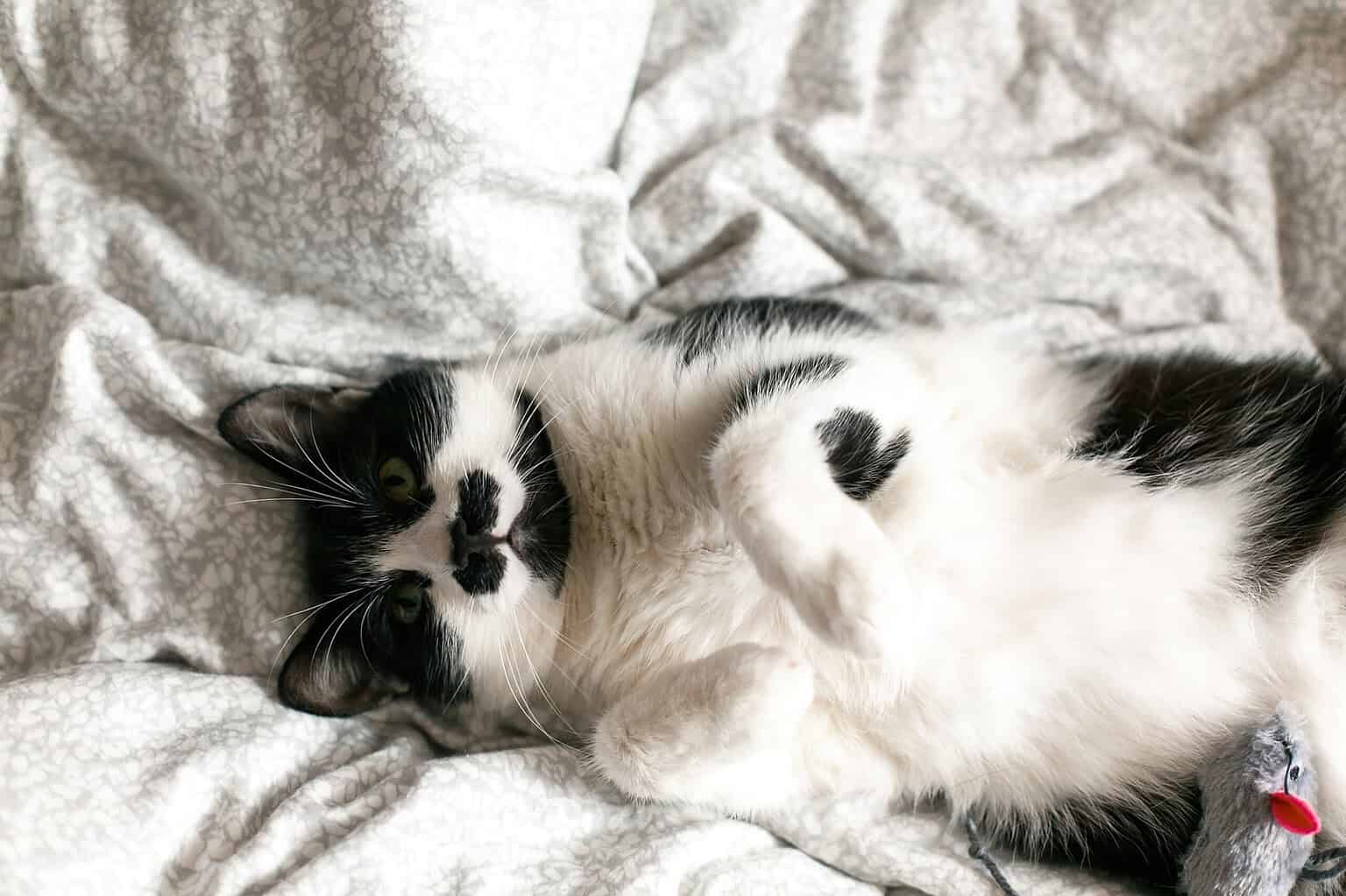
The best cat bed of 2026 for most cats is a donut-style bolster bed like the Best Friends by Sheri Calming Donut — cats sleep curled, and a raised rim gives them something to press their spine against. If your cat hides when guests arrive, buy a covered cave bed instead. If your cat is over ten, buy something orthopedic and low enough to step into. And if your cat refuses every bed you own, put it in a sunny spot and wait a week before you give up.
Quick disclosure: we sell pet ID tags, not cat beds. Nobody paid for a spot on this list.
Best cat beds of 2026: quick comparison
| Bed type | Best for | Popular example | Washable? |
|---|---|---|---|
| Donut / bolster | Most cats, curled sleepers | Best Friends by Sheri Calming Donut | Yes, whole bed |
| Cave / hooded | Shy cats, multi-pet homes | Meowfia felted wool cave | Hand wash only |
| Heated / self-warming | Seniors, arthritis, cold rooms | K&H Thermo-Kitty | Cover only |
| Window perch | Indoor cats who watch birds | Suction-mount window perches | Cover only |
| Orthopedic mat | Older or larger cats | Memory-foam pet mats | Cover only |
| Radiator / hammock | Small apartments | Hanging radiator beds | Cover only |
Cat bed prices swing hard between sizes and sales, so we have skipped exact numbers. Most of these land somewhere between $20 and $70 — check current pricing before you buy.
Donut beds: the safest bet for most cats
A cat in deep sleep curls into a circle and tucks its nose under a paw, and a raised bolster rim gives that curl a wall. The plush-fur donuts are the ones cats knead, and the good ones go in the washing machine whole — which matters more than any design feature, because cat beds get hairy and greasy fast.
Size it small. The single most common cat bed mistake is buying too big; a cat wants a bed that touches them on several sides.
Cave beds: the pick for shy cats
That is not a personality quirk, it is a preference for enclosed, defensible space — and a felted wool cave or a hooded pod gives them one out in the open, which is better for everyone. In houses with a dog or a second cat, a cave bed also lowers the number of daily standoffs.
If your cat also climbs to sleep high, pair the cave with vertical space. We covered that in the best cat trees of 2026.
Heated beds: the pick for senior cats
Buy a heated or self-warming bed if your cat is older, thin, or lives somewhere cold. Cats prefer a warmer ambient temperature than we do, and arthritic joints stiffen in the cold — which is part of why an old cat parks on the radiator. Look for a bed with a thermostat that holds a gentle body-temperature warmth rather than getting hot, and a removable washable cover.
Self-warming beds with a reflective layer need no electricity at all, which is the safer choice if you have a chewer.
Window perches The cheapest quality-of-life upgrade
Buy a window perch if your cat is indoor-only. It is not really a bed, it is entertainment they can nap on — birds, squirrels, weather, sunlight. If you are keeping a cat inside for safety reasons, giving them a window is the fair trade. Check the weight rating and use a perch with proper suction cups or a frame mount; a perch that drops once will never be trusted again.
Why does my cat ignore the bed I bought?
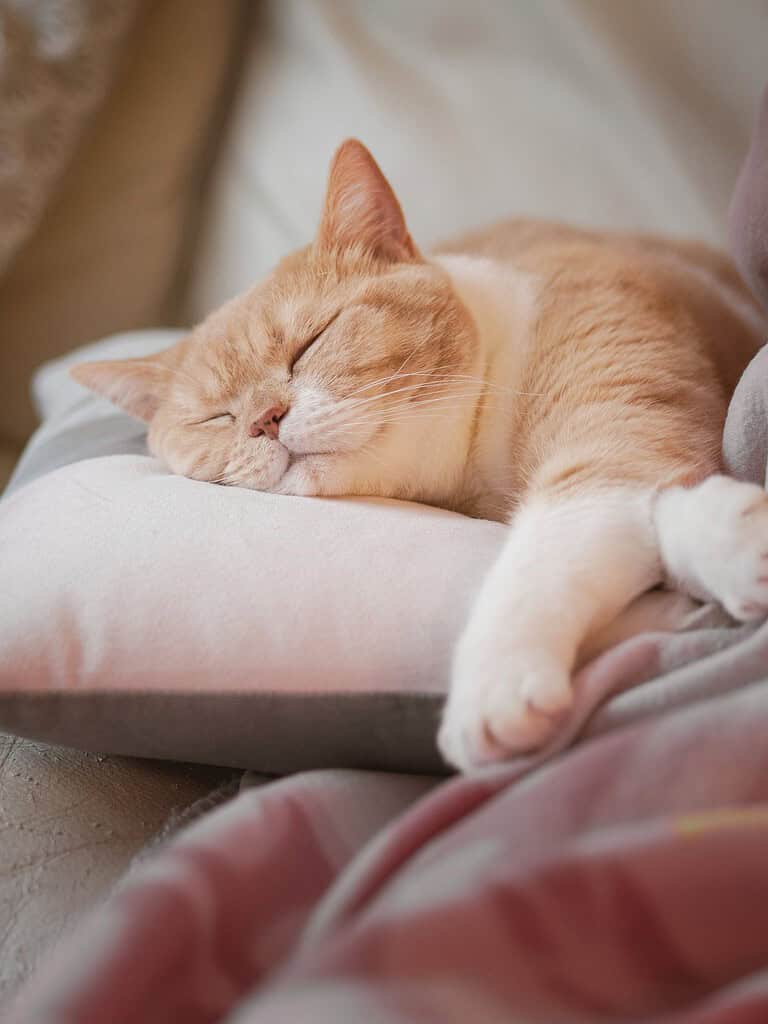
Usually location, size, or smell — in that order. Cats choose sleeping spots by safety and warmth, not by how nice the bed is. Fixes that actually work:
- Move it. Put the bed where your cat already sleeps, not where you want them to sleep.
- Warm it. Sun, a radiator, near a heat vent. Warmth beats plushness every time.
- Scent it. Drop in a worn t-shirt or the blanket they already nap on.
- Wait. Give it a week or two before deciding it failed. Many cats need the new object to become boring first.
- Go smaller. If it looks too big for your cat, it is.
And if your cat is suddenly sleeping far more than usual, that is a different question — we wrote about the line between normal cat sleep and a red flag in why is my cat sleeping so much.
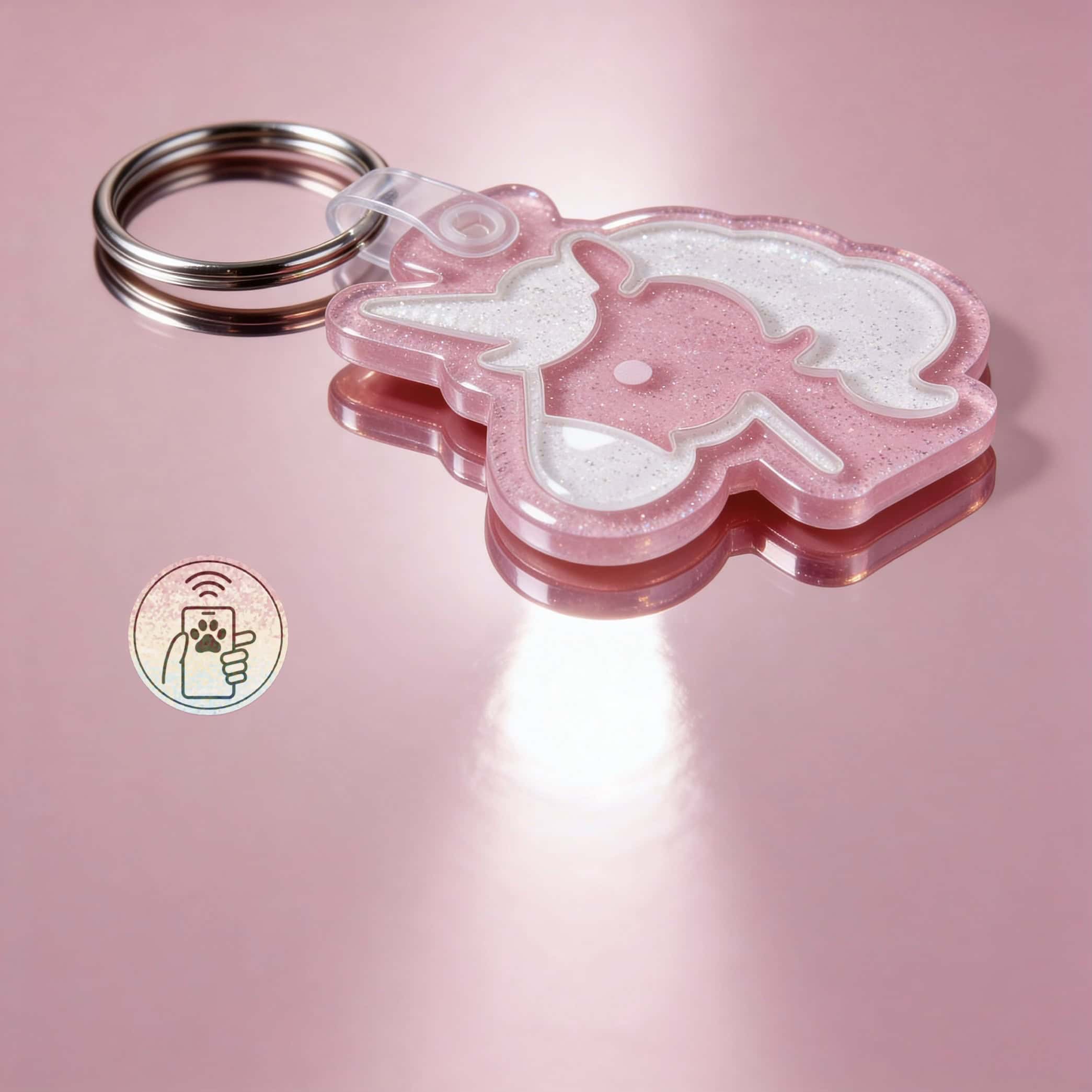
One thing to add to the bed: ID that works on a cat
Indoor cats get out, and they get out from a state of total relaxation. A door held open for groceries is all it takes, and an indoor cat outdoors is disoriented in a way an outdoor cat is not. We make a $38 designer acrylic NFC smart tag: light enough for a cat’s breakaway collar, tapped by any phone with no app on the finder’s end, engraved on the back as backup, no subscription, made in the USA. The free Lohji app stores vaccine records, medical history and voice notes alongside it, in 54 countries and 16 languages.
We are obviously biased here. If you want the argument rather than the pitch, read do indoor cats need ID tags and what cat parents actually need from a tag.
Cat bed FAQ
What size cat bed should I buy?
Measure your cat curled up, not stretched out, and add a couple of inches. Most adult cats do best in a bed 15 to 20 inches across. Too big feels exposed.
Do cats prefer covered or open beds?
It depends on the cat. Confident cats often prefer open donut beds in a warm room; nervous cats, cats in multi-pet homes, and cats new to a house usually prefer covered caves. Buying one of each is a reasonable experiment.
Where should I put my cat’s bed?
Somewhere warm, slightly elevated, with a view of the room and no traffic behind it. Cats do not like to be approached from behind while sleeping.
Are heated cat beds safe?
Reputable heated pet beds with a built-in thermostat are designed to hold a low, body-temperature warmth and are generally considered safe for healthy adult cats. Check the cord condition regularly, do not use them with a cat who chews cords, and ask your vet before using one with a kitten or a cat with a medical condition.
How often should I wash a cat bed?
Every two to four weeks for most homes, more often if anyone in the house has allergies. Unscented detergent — heavily fragranced washes are a common reason a cat abandons a bed it used to love.
Get Your Tag
A cat that never goes outside still needs a way home. One tap, no app for the finder, no subscription.