Best Cat Litter Boxes of 2026: High-Sided, Top-Entry, Covered & XL Picks Compared
 Shiloh’s House Team
·
·
7 min read
Shiloh’s House Team
·
·
7 min read
For most cats in 2026, the best litter box is a large, uncovered, high-sided plastic pan — something like the Frisco High-Sided Cat Litter Box — because it gives cats the room and clear sightlines they instinctively want while still containing the mess. If your cat is an enthusiastic digger, the Modkat Flip adds a lid you can flip open for cleaning. If your cat is large or long-bodied, size up to an extra-large pan or a storage tote before you spend more money on features. And if you are shopping to solve a specific accident problem, the box is only one of several things worth changing.
The short answer: what to buy
Buy the biggest open pan your space allows, with sides at least 6 inches high. That single decision solves more litter box problems than every premium feature combined. Covered boxes, top-entry boxes and self-cleaning boxes all exist to solve human problems — smell, tracking, scooping — and they can work beautifully, but they solve them by adding constraints your cat did not ask for.
How we picked
We ranked boxes on the things cats actually respond to, not the things that photograph well: interior floor space, wall height, entry height, ease of scooping, and how well the shape contains kicked litter. We also weighted long-term cost, because a plastic pan is a consumable — even the good ones get scratched and start holding odor after a couple of years.
We are a pet ID tag company, not a litter brand, and we sell nothing on this list. Our bias is disclosed at the bottom, where we talk about the one safety gap a litter box cannot close.
Best cat litter boxes of 2026: comparison table
| Box | Type | Best for | Watch out for | Price tier |
|---|---|---|---|---|
| Frisco High-Sided Cat Litter Box | Open, high-sided | Most cats, most homes | Entry lip may be high for seniors | $ |
| Modkat Flip | Front-entry with flip lid | Diggers, kickers, small apartments | Smaller interior than a jumbo pan | $$$ |
| Modkat Top-Entry | Top-entry | Tracking control, dog-proofing | Not for seniors or arthritic cats | $$$ |
| Petmate Booda Dome Clean Step | Covered dome | Confident cats, visual discretion | Traps odor inside; single exit | $$ |
| Under-bed storage tote (DIY) | Open, extra-large | Maine Coons, big cats, tight budgets | You cut the entry yourself | $ |
| Litter-Robot 4 / Whisker | Self-cleaning | Hands-off scooping, weight tracking | Cost; some cats refuse it | $$$$ |
Price tiers are relative, not exact. Litter box pricing moves constantly — check current pricing before you buy.
Best overall: Frisco High-Sided Cat Litter Box
Three walls tall enough to catch a vertical pee-er, one lowered entry so your cat can walk in without climbing, and nothing to assemble. There is no lid to trap ammonia, no flap to spook a nervous cat, and no filter to buy. If you are replacing a box that stopped working, start here before you start troubleshooting.
Best for diggers and kickers: Modkat Flip
Modkat reusable liners are the real selling point: they cost more up front and save you a roll of plastic bags a month. The trade-off is interior space, which is tight for cats over about 12 pounds.
Best top-entry: Modkat Top-Entry (or the IRIS if you want cheap)
Top-entry boxes are the most effective tracking control you can buy, because the cat has to step up and out through a grated lid that knocks litter off their paws. They are also the easiest way to keep a dog out of the litter box. Do not buy one for a kitten, a senior, an overweight cat or any cat with diagnosed arthritis — the jump is the whole design, and a cat who cannot make it comfortably will find somewhere else to go.
Best covered box: Petmate Booda Dome Clean Step
The Booda Dome is the covered box we would actually recommend, because the dome shape gives more headroom than a rectangular hood and the stepped entry catches litter on the way out. Covered boxes are a human preference, not a cat preference, and they are the wrong choice in a multi-cat house where one cat likes to ambush another at the exit. If your cat already uses a hood happily, this is a good hood.
Best extra-large on a budget: a plain storage tote
For large-breed cats, the cheapest genuinely correct answer is a 50-quart under-bed storage tote with an entry cut into one long side. It gives more usable floor area than almost any purpose-built box, costs a fraction as much, and can be replaced whenever it gets scratched. Sand the cut edge smooth and you are done. This is the single most common upgrade we hear about from people with Maine Coons, Ragdolls and Bengals.
Best self-cleaning: Litter-Robot 4
If scooping is the reason you are shopping, a self-cleaning box is the honest answer — and the Litter-Robot 4 is still the one to beat. It also weighs your cat on every visit, which is a genuinely useful early-warning signal. We compared the whole category in our guide to the best automatic litter boxes of 2026, including who should skip them entirely.
How big should a litter box be?
A litter box should be at least 1.5 times your cat body length, measured nose to base of tail. For an average 10-pound domestic shorthair, that means roughly 22 to 24 inches long. Most standard boxes sold in grocery stores are 16 to 18 inches, which is too small for a full-grown cat to turn around, dig and cover comfortably. When in doubt, go bigger. Nobody has ever complained that their cat box was too roomy.
How many litter boxes do you need?
The rule veterinary behaviorists use is n+1: one box per cat, plus one spare. Two cats means three boxes. The point is not arithmetic — it is that boxes in different rooms give a cat an escape route if another cat is guarding the hallway. Two boxes side by side count as one location, not two.
Where to put the litter box
Put boxes in quiet, low-traffic spots with two ways out, away from the furnace, the washing machine and the food bowls. Cats avoid eliminating where they eat, and a box that gets ambushed by a spin cycle at 7 a.m. is a box that gets abandoned. In a multi-story home, put at least one box on every floor your cat uses.
What about the litter itself?
The box is half the equation. Most cats prefer a fine-grained, unscented clumping clay at a depth of 2 to 3 inches, and a surprising number of box problems are really litter problems. We broke down the options in our guide to the best cat litter of 2026. If your cat has already started going outside the box, do not shop your way out of it — read why cats pee outside the litter box first, and call your vet, because urinary blockage is a genuine emergency in male cats.
The one thing a litter box cannot do
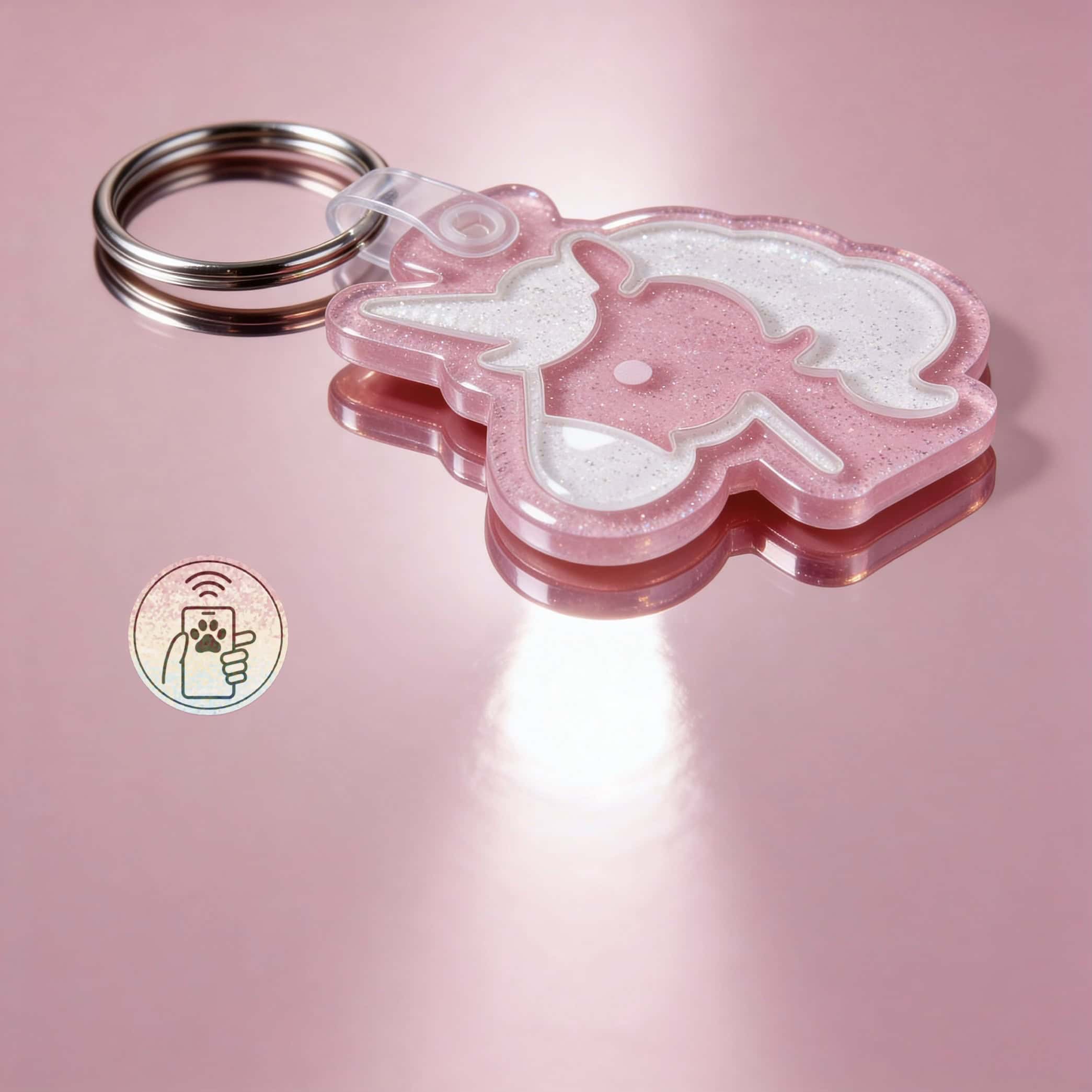
Here is our disclosed bias: we make pet ID tags, and we think the most under-bought piece of cat gear is the cheapest one. Indoor cats are the ones who bolt through a door left open for a delivery, and an indoor cat with no collar and no tag is functionally anonymous to the neighbor who finds her. Our $38 designer acrylic NFC tag is tapped by any phone — no app for the finder — and pulls up your contact details plus anything you have stored in the free Lohji app. It is engraved on the back too, so it still works when a phone battery is dead, and there is no subscription. If you would rather read the case first, we wrote do indoor cats need ID tags and what cat parents actually need on a tag.
Frequently asked questions
Do cats prefer covered or uncovered litter boxes?
Research and shelter experience point the same way: given a choice, most cats show no strong preference — but the cats who do have one lean uncovered, and covered boxes hold odor that people forget to scoop. If you use a hood, scoop twice a day.
How often should you replace a plastic litter box?
Every one to two years for a box in daily use. Scratches from claws and scoops create microscopic channels that hold urine and bacteria, and no amount of scrubbing gets them clean. If you can smell the box right after you wash it, replace it.
What is the best litter box for a cat that pees over the side?
A high-sided open box with walls of at least 10 to 12 inches, or a top-entry box. Vertical pee-ers are usually standing to urinate rather than aiming — the fix is wall height, not a lid.
Can two cats share one litter box?
They can, and many do without incident, but it is the setup most likely to produce accidents and litter box guarding. The n+1 rule exists because the cost of an extra box is far lower than the cost of a behavior problem.
How deep should the litter be?
Two to three inches for clumping clay. Deeper wastes litter and makes clumps harder to lift intact; shallower means urine hits the plastic and the box starts to smell within a day.
Do self-cleaning litter boxes actually work?
For most cats, yes — but a meaningful minority refuse the noise and the motion. Introduce one with the power off for a week before you turn it on, and keep the old box available during the transition.
Get Your Tag
A $38 designer acrylic NFC tag that any phone can tap — no app, no subscription, engraved backup on the back.