Can Dogs Eat Gingerbread? Nutmeg, Xylitol and Safe Amounts
 Shiloh’s House Team
·
·
15 min read
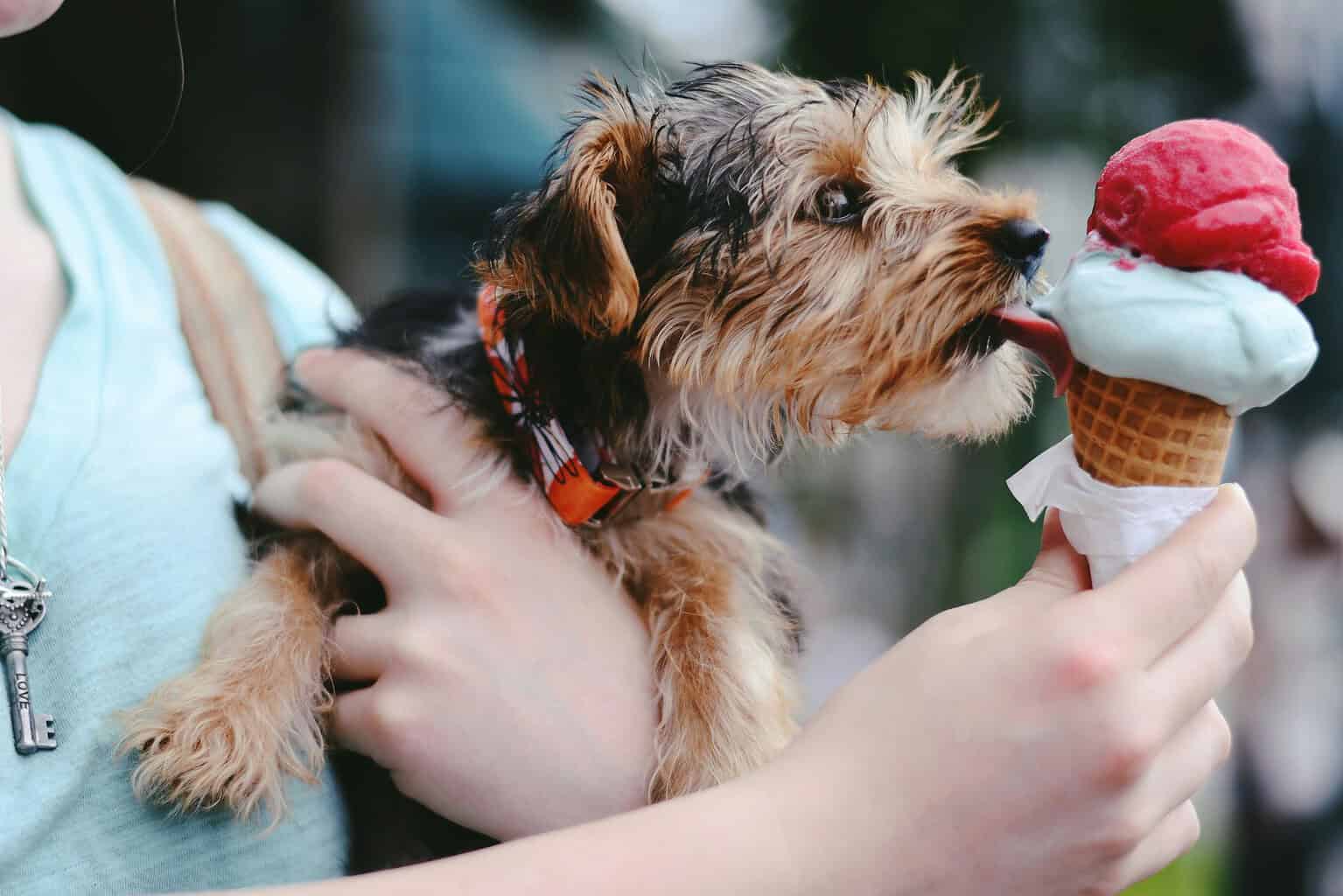
Dogs should not eat gingerbread, but a small bite of a plain, homemade gingerbread cookie is usually not an emergency. The real dangers are hidden ingredients: xylitol in sugar-free recipes and icing, raisins or currants, chocolate decorations, macadamia nuts, and a lot of butter and sugar that can trigger pancreatitis. Nutmeg is only a problem in large amounts. If your dog ate sugar-free gingerbread, or a whole tray or house, call your vet or a pet poison hotline right away.
Last updated: December 2025
Can dogs eat gingerbread cookies?
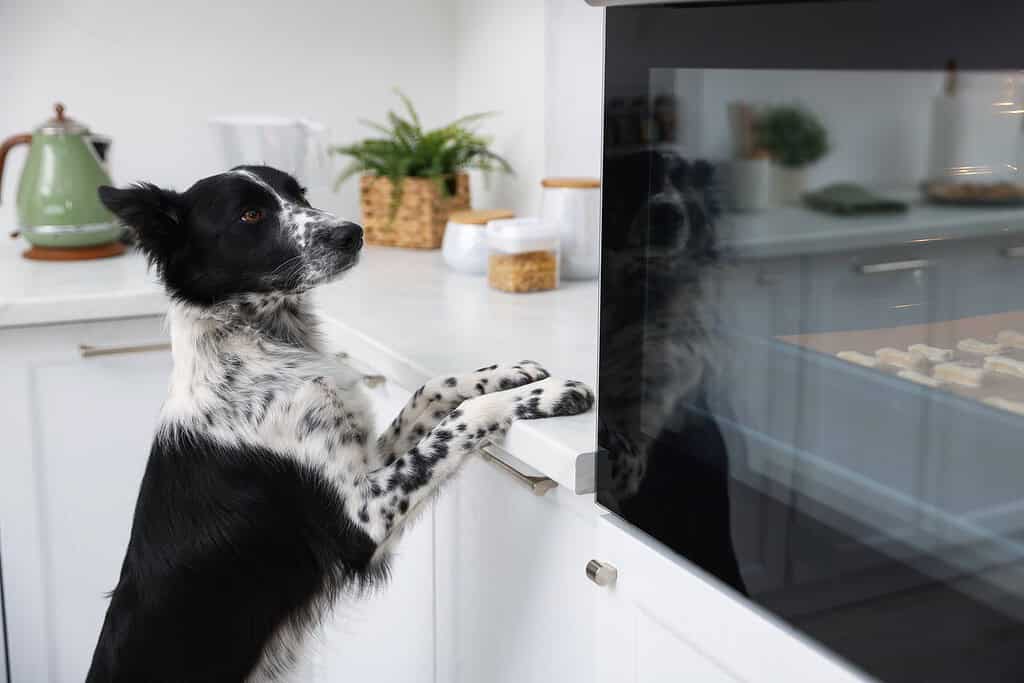
Gingerbread is not on the list of treats veterinarians recommend for dogs. It is not that one cookie is poison. It is that gingerbread is a recipe, not a single food, and the recipe changes from kitchen to kitchen. Your grandmother’s version might be flour, molasses, butter and spice. A store-bought sugar-free version might be sweetened with xylitol. A fancy holiday batch might be studded with raisins, chocolate chips or macadamia nuts.
FirstVet veterinarian Dr. Eve Cohen sums up the plain-cookie case well: a small piece of gingerbread may not cause any problems, but in large amounts it can make a pet sick. Even a baked good with nothing toxic in it can still cause stomach upset and pancreatitis, because it is rich, sweet and fatty.
That matters during the holidays, when counters are covered in cookie tins. In 2024, the ASPCA Animal Poison Control Center responded to more than 451,000 calls, and human food and drink made up 16.1% of all exposures. Xylitol gum, grapes and raisins were among the most common foods in that group, and chocolate added another 13.6% on its own. Gingerbread season brings several of those items onto one plate.
Which gingerbread ingredients are dangerous for dogs?
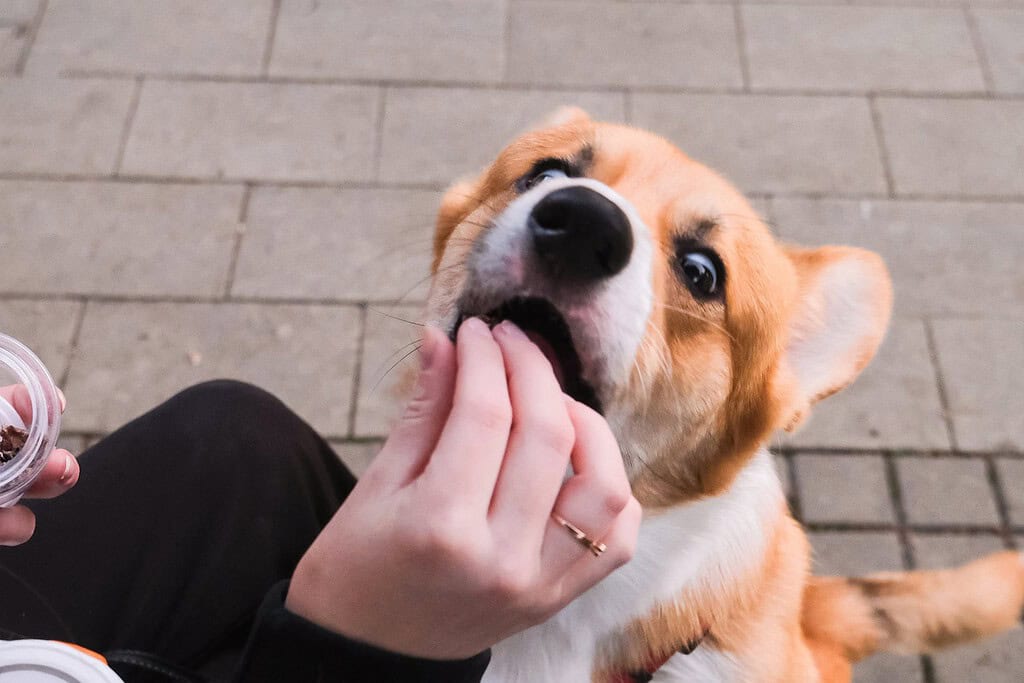
Here is how the ingredients that show up in gingerbread cookies, icing and houses compare. Doses and timing come from the Merck Veterinary Manual, PetMD, Pet Poison Helpline, AAHA and Tufts, listed in the sources below.
| Ingredient | Risk level | Signs to watch for | Timing |
|---|---|---|---|
| Xylitol (sugar-free cookies, icing, candy) | Emergency; low blood sugar above about 100 mg/kg (45 mg/lb), liver injury above about 500 mg/kg | Vomiting, weakness, wobbling, seizures, later yellow gums or eyes | Often within 30 minutes, can be delayed 12 to 18 hours; liver signs at 24 to 48 hours |
| Raisins and Zante currants | High; more than 1 raisin per 10 lb may pose a risk | Vomiting, diarrhea, lethargy, thirst, then little or no urine | GI signs in 6 to 12 hours; kidney failure in 24 to 72 hours |
| Chocolate chips, drizzle or candies | Moderate to high; darker chocolate is worse | Vomiting, restlessness, racing heart, tremors, seizures | 6 to 12 hours |
| Macadamia nuts | Moderate; signs reported from about 2.4 g/kg | Weakness (often back legs), vomiting, tremors, fever | Within 12 hours; usually resolves in 12 to 48 hours |
| Nutmeg | Low in a cookie; toxic from about 1 tsp ground or 2 to 3 whole nutmegs | Upset stomach; at high doses disorientation, fast heart rate, seizures | Signs can last up to 48 hours |
| Butter, sugar and fat | Mild to serious; pancreatitis risk with large amounts | Vomiting, diarrhea, poor appetite, painful belly | Varies; watch closely for the next few days |
Ginger itself, along with flour and molasses, is not on this list for a reason. Those are the low-risk parts of the cookie. The problems come from what gets added to them.
How much nutmeg is toxic to a dog?
Nutmeg gets most of the attention in gingerbread conversations, and it does deserve respect. It contains a compound called myristicin. According to PetMD veterinarian Dr. Barri Morrison, nutmeg poisoning in dogs can occur with as little as 1 teaspoon of ground nutmeg or two to three whole nutmeg seeds. At those doses, signs can include vomiting, disorientation, hallucinations, a fast heart rate, high blood pressure, dry mouth, belly pain, a raised temperature and seizures, and they can last up to 48 hours.
Here is the dose problem, though. A whole batch of gingerbread often uses a teaspoon of nutmeg or less, and that teaspoon is spread across dozens of cookies. FirstVet even notes that nutmeg is not a standard gingerbread spice in every recipe, though many bakers add it. So one cookie holds only a small fraction of a toxic dose. Pet Poison Helpline’s staff veterinarian puts it plainly:
“The small amount of nutmeg used in recipes is very unlikely to cause serious toxicity, though mild stomach upset could occur if a small amount is ingested.”
Dr. Charlotte Flint, Staff Veterinarian, Pet Poison Helpline
The cases that worry vets are different: a dog who chews open the spice jar, eats whole nutmegs left on the counter, or gets into a spice-heavy dough or spice mix. If that happens, note how much is missing and call for advice right away. PetMD warns against making your dog vomit at home unless a veterinarian tells you to, because that can cause more problems than the nutmeg itself.
The same logic applies to cloves, allspice and cinnamon. Pet Poison Helpline notes that it takes more than 1 teaspoon of cinnamon powder to cause problems for most pets, while concentrated cinnamon oil is a bigger concern. The spice in one cookie is rarely the issue. The spice jar, the essential oil and the whole tray are.
Why is sugar-free gingerbread so dangerous for dogs?
Sugar-free gingerbread is the version to treat as an emergency, because it may contain xylitol, a sugar alcohol that is safe for people and dangerous for dogs. FirstVet specifically flags sugar-free gingerbread cookies as a xylitol risk, and the Merck Veterinary Manual lists baked goods, candies, mints and peanut butter among the products that can contain it.
In dogs, xylitol triggers a rapid, dose-dependent release of insulin that can send blood sugar crashing. The Merck Veterinary Manual reports that doses above about 100 mg/kg (45 mg per pound) have been linked to low blood sugar, and some dogs that eat more than 500 mg/kg (227 mg per pound) develop severe liver injury or failure. Signs of low blood sugar can start within 30 minutes or be delayed up to 12 to 18 hours, and signs of liver damage may not appear for 24 to 48 hours.
The trouble is that you usually cannot tell how much xylitol a cookie holds. Pet Poison Helpline notes that xylitol content varies widely from product to product. A small dog that eats two or three sugar-free cookies, or licks a bowl of sugar-free icing, could reach a risky dose, and the first warning sign may be weakness or a seizure.
Check labels on anything sold as “sugar-free,” “low sugar,” “keto” or “diabetic friendly.” That includes gingerbread mixes, decorating icing in tubes, sugar-free candy for gingerbread houses and the peanut butter you might use in a dog treat recipe.
Are gingerbread houses dangerous for dogs?

A gingerbread house can be riskier than a plate of cookies, for three reasons: it is big, it is decorated with a pile of candy, and it often sits out at dog height for weeks. When a dog gets hold of one, it rarely stops at a bite. Think of a house less as a cookie and more as a collection of every holiday food hazard glued together with sugar.
Start with the size. A house built from a full batch of dough, plus its icing and candy, is a lot of sugar and fat for any dog. Tufts University’s Foster Hospital for Small Animals sees a surge in pancreatitis cases around Thanksgiving and Christmas, and the culprit is excess fat from holiday treats. A medium dog who demolishes a whole house is a good candidate for vomiting, diarrhea and a painful belly, even if nothing in it was toxic.
Next, look at the decorations. Gingerbread house kits and homemade houses are covered in gumdrops, peppermints, candy canes, chocolate pieces and sprinkles. Chocolate decorations bring theobromine and caffeine, and AAHA notes that signs of chocolate toxicity can appear 6 to 12 hours later. Any sugar-free candy used for decorating brings xylitol, which is the most urgent concern on the whole house. Some houses use trail mix, nuts or dried fruit for texture, so check for raisins and macadamia nuts as well. Hard candies and candy canes can also be a choking hazard for dogs who gulp, and the wrappers come along for the ride.
Then there is the “glue.” Most houses are held together with royal icing, which is mostly powdered sugar plus egg whites or meringue powder. Some royal icing recipes also call for cream of tartar. That detail matters because an ASPCA case series linked cream of tartar to acute kidney injury in dogs and identified tartaric acid as the likely toxic component in grapes and raisins too. The amount in a smear of icing is small, but if your dog ate a large amount of icing or got into the cream of tartar container, mention it when you call your vet. Display houses are sometimes assembled with hot glue or craft glue instead of icing. Those are not food at all, and pieces can upset the stomach or get stuck.
Finally, check what is holding the house up and lighting it. Builders often use toothpicks or wooden skewers to pin walls and roofs, and some houses sit on foil-wrapped cardboard. A swallowed toothpick or skewer can injure the mouth, throat or gut, and foil and cardboard can cause stomach upset or a blockage if a lot goes down. Battery tea lights placed inside houses are another hidden risk. The ASPCA lists batteries among the most common household products that pets swallow.
When the season is over, break the house up and put it straight into a lidded trash can outside, not the kitchen bin your dog already knows how to open.
The simplest rule is to treat a gingerbread house like a centerpiece, not a snack. Build it on a high counter, display it on a shelf your dog cannot reach even on hind legs, and put it away in a closed room overnight and whenever you leave the house. If your dog does get to it, gather the box, the candy bags and any leftover pieces before you call. Knowing exactly what was on the house, and roughly how much is missing, is what lets your vet or a poison specialist decide whether your dog needs care.
Can dogs have ginger?
Yes. Ginger on its own is one of the safer spices for dogs. The American Kennel Club says that ginger, in small amounts, is safe for dogs and might even be good for them. Fresh ginger root, powdered ginger and ginger juice are all considered safe in moderation, and ginger is best known for easing nausea from motion sickness.
The AKC’s rule of thumb is that a serving should never be more than one-sixteenth of a teaspoon per pound of body weight. To be on the safe side, it suggests no more than one-quarter teaspoon for small dogs and three-quarters of a teaspoon for larger breeds. If you use fresh ginger, peel it and mince it finely before sprinkling a little on your dog’s food.
Ginger is not right for every dog. In large amounts it can cause gas and nausea. The AKC advises avoiding it in dogs with bleeding disorders, dogs scheduled for surgery and dogs taking NSAID pain relievers, because ginger acts as a blood thinner. It can also lower blood pressure and blood sugar, so talk to your vet first if your dog has diabetes or heart disease, and skip it for pregnant or nursing dogs.
Skip pickled ginger, ginger candy and ginger ale. The AKC notes that pickled ginger can contain salt and even xylitol, and candied ginger is mostly sugar. So the ginger in gingerbread is not the problem. The sugar, butter and add-ins around it are.
What should you do if your dog ate gingerbread?
Stay calm and work through these steps. Most dogs who steal one plain cookie will be fine, but a few minutes of detective work tells you whether you need help.
- Take the rest away. Move leftovers, wrappers and the house out of reach so your dog cannot keep eating.
- Find the label or recipe. Look for xylitol (any sugar-free product), raisins or currants, chocolate, macadamia nuts and a lot of nutmeg. Note how many cookies or how much of the house is gone, and your dog’s weight.
- Call right away for the high-risk items. Xylitol, raisins, currants, chocolate, macadamia nuts, a spice jar or a whole tray all justify a call now, before signs appear. Call your vet, an emergency clinic, Pet Poison Helpline at 855-764-7661 or the ASPCA Animal Poison Control Center at 888-426-4435. Both hotlines are open 24/7 and charge a consultation fee. As of 2025, AAHA reports that Pet Poison Helpline charges $89 and the ASPCA charges $95, and many pet insurance plans cover the cost.
- Do not make your dog vomit at home unless a veterinarian tells you to. With xylitol in particular, blood sugar can crash quickly.
- Watch for the next 48 hours if it was a small amount of plain gingerbread. Mild vomiting or loose stool can happen. Repeated vomiting, a painful belly, weakness, wobbling, tremors or a dog who will not eat means it is time to see a vet.
For a step-by-step plan that covers any swallowed food or object, see our guide on what to do when your dog ate something it shouldn’t. Our list of foods dogs can’t eat covers the rest of the holiday table.
How can you make dog-safe ginger cookies?
If your dog loves joining in on holiday baking, bake a separate batch just for them. FirstVet suggests a simple dog-friendly gingerbread recipe that skips the butter, sugar, icing and vanilla extract (which contains alcohol). This version is adapted from it:
- 2 tablespoons molasses
- 1 egg
- 1/3 cup peanut butter, checked to be xylitol-free
- 1 cup whole wheat flour
- 1 teaspoon cinnamon
- 2 teaspoons ground ginger
Preheat the oven to 320°F. Whisk the molasses, egg and peanut butter together, then add the flour, cinnamon and ginger and knead until stiff. Roll the dough to about 0.5 cm thick, cut out little gingerbread dogs or people, and bake for about 15 minutes. Cool completely before serving, and freeze extra dough for later.
Leave out nutmeg, cloves, allspice, raisins, chocolate, nuts, salt and icing entirely. If you want a decorated look for photos, a thin swipe of plain, unsweetened yogurt or xylitol-free peanut butter works, or simply press a paw print into each cookie with a fork.
Serve these like any treat: one small cookie now and then, not the whole batch. Treats should stay a small part of your dog’s daily calories, and the molasses still adds sugar. For small or toy breeds, break a cookie in half. If your dog has diabetes, pancreatitis, food allergies or a sensitive stomach, check with your vet before baking. For more ideas, our roundup of Christmas gifts for dogs includes vet-backed holiday treats you can buy instead.
How do you keep your dog safe during holiday baking season?
Gingerbread is one of many December hazards. A few habits cover most of them:
- Bake behind a gate. Keep your dog out of the kitchen while dough, spices and cooling racks are out.
- Store cookies in closed tins up high. Counter-surfers can reach farther than you think.
- Brief your guests. Ask visitors not to share cookies, and keep bags with gum or candy off the floor.
- Know the rest of the menu. Our guides to cranberries and ham cover two more holiday favorites, and our full Christmas pet safety guide covers trees, plants and parties.
Holiday parties also mean open doors. A dog who slips out while guests arrive needs a fast way home. The free Lohji app from Shiloh’s House (free to download, with optional coins that never expire) holds your dog’s Smart Tag profile with up to three contacts, one-tap call, text and map, medical notes and voice messages. A finder taps the tag with any modern phone, no app needed. The app can also turn one photo of your dog into a 3D animated-movie-style character for Christmas stickers and wallpapers. Get the Lohji app on the App Store or Google Play.
Busy house, open doors, one tap home
If your dog slips out during a holiday party, a Shiloh’s House Smart Tag lets anyone tap it with a phone to see your dog’s profile, including medical notes, and reach you in one tap.
Eggnog is the other holiday treat dogs try to sneak. Read can dogs eat eggnog for what to do if your dog laps up a glass, especially a spiked or sugar-free one.
Frequently asked questions
Can dogs eat gingerbread cookies?
It is best not to share them. A small bite of a plain homemade gingerbread cookie is usually not an emergency, but gingerbread is high in sugar and butter and can upset your dog’s stomach. Sugar-free cookies may contain xylitol, and some recipes include raisins, chocolate or macadamia nuts, which are all dangerous. Bake a dog-safe ginger cookie instead.
Is gingerbread bad for dogs?
Gingerbread is not a healthy food for dogs, and some versions are dangerous. The risk depends on the recipe. Plain gingerbread mainly causes stomach upset and, in large amounts, pancreatitis. Sugar-free gingerbread with xylitol can crash blood sugar and damage the liver. Raisins and currants can harm the kidneys. Always check the ingredients before deciding whether to call your vet.
Can dogs have ginger?
Yes, in small amounts. The American Kennel Club says ginger is safe for dogs and may help with nausea. Keep servings to no more than one-sixteenth of a teaspoon per pound of body weight. Avoid ginger in dogs with bleeding disorders, upcoming surgery, diabetes or heart disease, or dogs taking NSAIDs, and skip pickled or candied ginger.
How much nutmeg is toxic to dogs?
PetMD reports that nutmeg poisoning can occur with as little as 1 teaspoon of ground nutmeg or two to three whole nutmegs. One gingerbread cookie holds far less than that, so it is very unlikely to cause poisoning, though it may upset the stomach. Call your vet if your dog got into the spice jar, whole nutmegs or a large amount of spiced dough.
My dog ate a gingerbread house. What should I do?
Remove what is left, then check every decoration: sugar-free candy, chocolate, raisins, nuts, toothpicks, foil and battery lights. Call your vet, Pet Poison Helpline at 855-764-7661 or the ASPCA at 888-426-4435, since a whole house is a lot of sugar and fat even without toxic decorations. Do not make your dog vomit unless a vet tells you to.
Can dogs eat ginger snaps?
Ginger snaps carry the same risks as gingerbread. They are high in sugar, often contain butter and may include nutmeg, cloves or other spices. One small plain ginger snap is unlikely to cause serious harm, but it can upset your dog’s stomach. Check sugar-free versions for xylitol, and give your dog a dog-safe ginger treat instead.
Sources
- The Official Top 10 Toxins of 2024, ASPCA (2025)
- Can Dogs and Cats Eat Gingerbread Cookies?, FirstVet (2020)
- Can Dogs Have Nutmeg?, PetMD (2023)
- Nutmeg and Cinnamon Toxicity, Pet Poison Helpline (2013)
- Xylitol Toxicosis in Dogs, Merck Veterinary Manual (2024)
- Grape, Raisin, and Tamarind Toxicosis in Dogs, Merck Veterinary Manual (2024)
- Macadamia Nut Toxicosis in Dogs, Merck Veterinary Manual (2024)
- Toxic Component in Grapes and Raisins Identified, ASPCApro (2022)
- Halloween Safety: Chocolate Toxicity in Pets, AAHA (2024)
- ‘Tis the Season for Pancreatitis, Tufts Your Dog (2020)
- Can Dogs Eat Ginger?, American Kennel Club (2025)
- Pet Poison Hotlines Impacted by New Law, AAHA (2025)