Is Ice Melt Safe for Dogs? Sidewalk Salt, Paw Damage & Pet-Safe Picks (2026)
 Shiloh’s House Team
·
·
5 min read
Shiloh’s House Team
·
·
5 min read
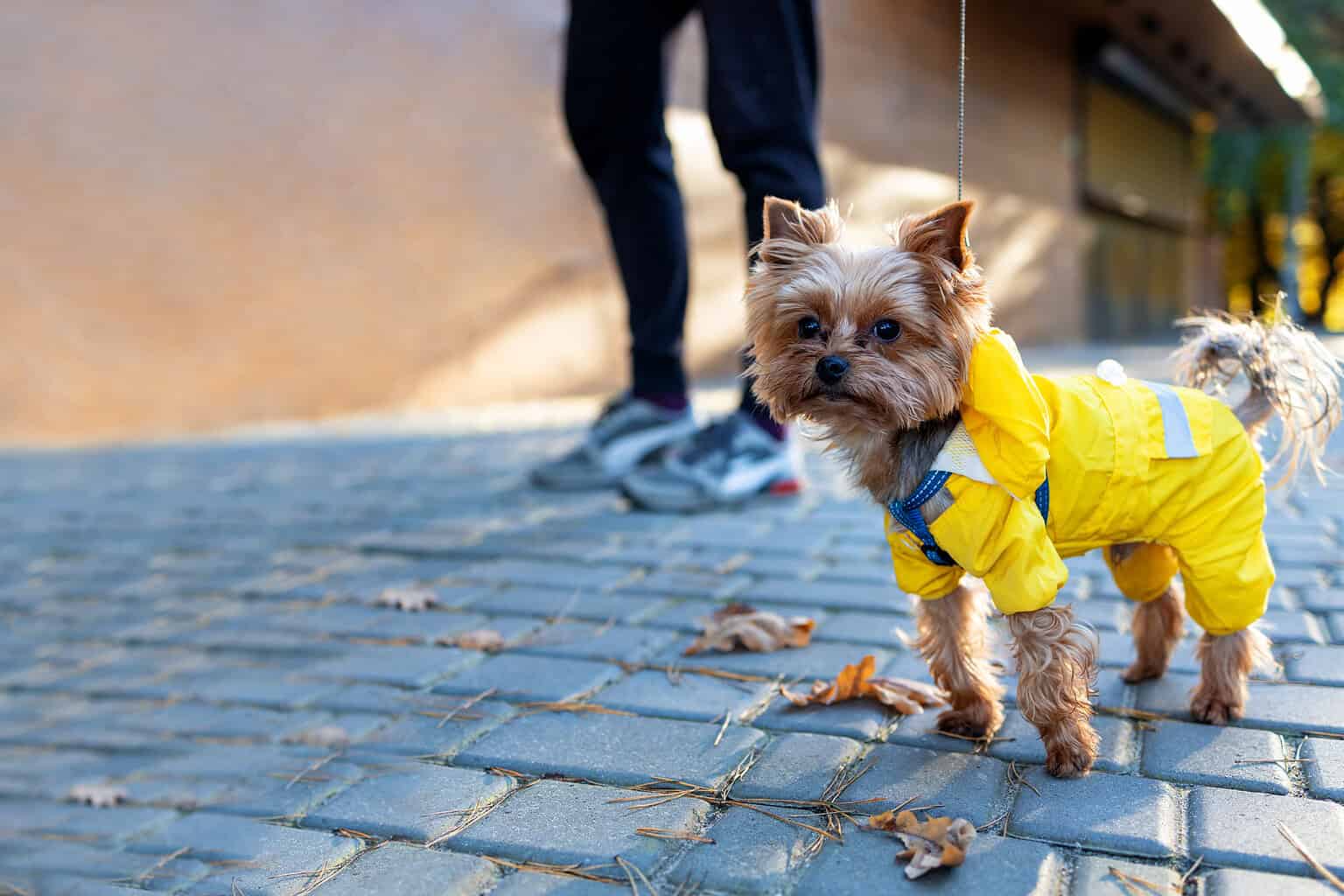
No ice melt is completely safe for dogs, but some are much gentler than others. Standard rock salt — sodium chloride — is the harshest common option: it dries and cracks paw pads, stings any cut it finds, and causes stomach upset when a dog licks it off. Chloride-free products such as Safe Paw and Morton Safe-T-Pet are marketed as the pet-friendlier choice, and they generally are, but “pet safe” is a marketing phrase with no legal definition. The reliable protection is what you do after the walk.
What sidewalk salt actually does to a dog’s paws
On contact, salt and chloride crystals pull moisture out of the pad, leaving it dry and prone to cracking. Crystals also lodge between the toes, where they keep working against the skin every step. Some de-icers generate heat as they dissolve, which is how they melt ice fast and also how they irritate skin.
Then the dog gets home and licks its feet clean. Swallowed de-icer commonly causes drooling, vomiting and diarrhea. A large ingestion — a dog who eats crystals straight off the ground or out of the bag — can cause dangerously high blood sodium, with tremors, weakness and seizures. That one is an emergency.
Ice melt types compared
Here is what is actually in the bag, and how each behaves around dogs.
| De-icer | How it behaves | Risk to dogs |
|---|---|---|
| Sodium chloride (rock salt) | Cheapest, stops working in deep cold | Highest — dry cracked pads, GI upset, sodium risk if eaten |
| Calcium chloride | Works at very low temperatures, releases heat | High — the most irritating to skin and pads |
| Magnesium chloride | Effective, less corrosive than calcium chloride | Moderate — still causes stomach upset if licked |
| Potassium chloride | Weak melter, often blended | Moderate — irritating, and hard on lawns |
| Urea (carbamide) | Slower, works in milder cold only | Lower for paws; still GI upset if eaten |
| Chloride-free blends (Safe Paw, Morton Safe-T-Pet) | Gentler on concrete and metal, costs more | Lowest of the common options — not zero |
Prices and bag sizes vary widely by region and by how bad the winter has been, so compare current listings rather than trusting a number in an article.
What “pet safe” on the bag really means
Almost nothing, legally. There is no standard a product must meet to print “pet safe” or “pet friendly” on the label. In practice it usually signals chloride-free or lower-chloride, which is a genuine improvement for paw contact. It does not mean a dog can eat it. Read the ingredient panel, not the front of the bag — and remember you only control your own driveway. The sidewalk two doors down is rock salt.
How to protect your dog’s paws in winter

1. Wipe every paw after every walk. A damp cloth or unscented pet wipe by the door, toes spread, between each pad. This single habit prevents most salt problems.
2. Use boots if your dog will tolerate them. Boots are the only thing that stops contact entirely; our roundup of the best dog boots covers the brands that actually stay on.
3. Use paw balm before you go out. A wax barrier keeps crystals from lodging in cracks and helps pads stay flexible — see the best dog paw balms for the ones worth buying.
4. Keep the fur between the toes trimmed. Long tufts collect salt and ice balls that are painful to walk on.
5. Store the bag where your dog cannot reach it. Most serious ingestions are not from sidewalks; they are from an open bag in the garage.
6. Rinse if you see limping or licking. Warm water, dry thoroughly, then check for cracks or redness.
The other winter chemical to worry about
Ethylene glycol tastes sweet, dogs and cats drink it willingly, and even small amounts cause kidney failure. If you see a puddle of bright coloured liquid on a driveway, move your dog away from it and treat any suspected ingestion as an immediate emergency. In the US, the ASPCA Animal Poison Control Center is staffed around the clock at (888) 426-4435; a consultation fee may apply.
Signs your dog has had too much salt
Call your vet for repeated vomiting, diarrhea, or unusual thirst after a walk. Go straight to an emergency clinic for wobbliness, tremors, disorientation, weakness or seizures — those can indicate sodium toxicosis, which needs careful hospital correction rather than water at home. On the paws themselves, watch for limping, refusing to walk, chewing at the feet, or pads that look red, raw or cracked.
Frequently asked questions
Is rock salt toxic to dogs?
Rock salt is irritating on contact and harmful when eaten. Small licked amounts usually cause stomach upset; larger ingestions can raise blood sodium to dangerous levels and need veterinary treatment.
Can I use regular ice melt if I wipe my dog’s paws?
You can, and wiping helps a great deal. A chloride-free product on your own property plus a paw wipe after every walk is a reasonable middle ground.
Is Safe Paw actually safe for dogs?
Safe Paw is chloride-free and salt-free, which makes it gentler on paws than rock salt. It is still not food — eating it can upset a dog’s stomach.
Do dog boots really help with sidewalk salt?
Yes, more than anything else, because they stop contact. The practical problem is fit and tolerance; boots that fall off in the first block protect nothing.
How do I treat cracked paw pads from salt?
Rinse with warm water, dry gently, and apply a pet-safe paw balm. Deep cracks, bleeding or limping that lasts more than a day or two should be seen by a vet.
Winter walks and the tag on the collar
Winter is also when dogs disappear into snow with no scent trail to follow and a collar buried under a coat. If your dog wears a jacket — see our winter coat roundup — check that the tag is still visible and readable over it. Ours is a designer acrylic NFC tag: a finder taps it with any phone and gets your details instantly, no app to download, with engraved text on the back if the phone is dead. We build them at Shiloh’s House, so take the recommendation with that in mind; the reasoning behind NFC is laid out in why NFC smart pet ID tags are a game changer.
Get Your Tag
Designer acrylic NFC tags built for winter walks — tap with any phone, engraved backup, no subscription.