Why Does My Dog Eat Poop? 7 Real Reasons (and How to Stop It)
 Shiloh’s House Team
·
·
6 min read
Shiloh’s House Team
·
·
6 min read
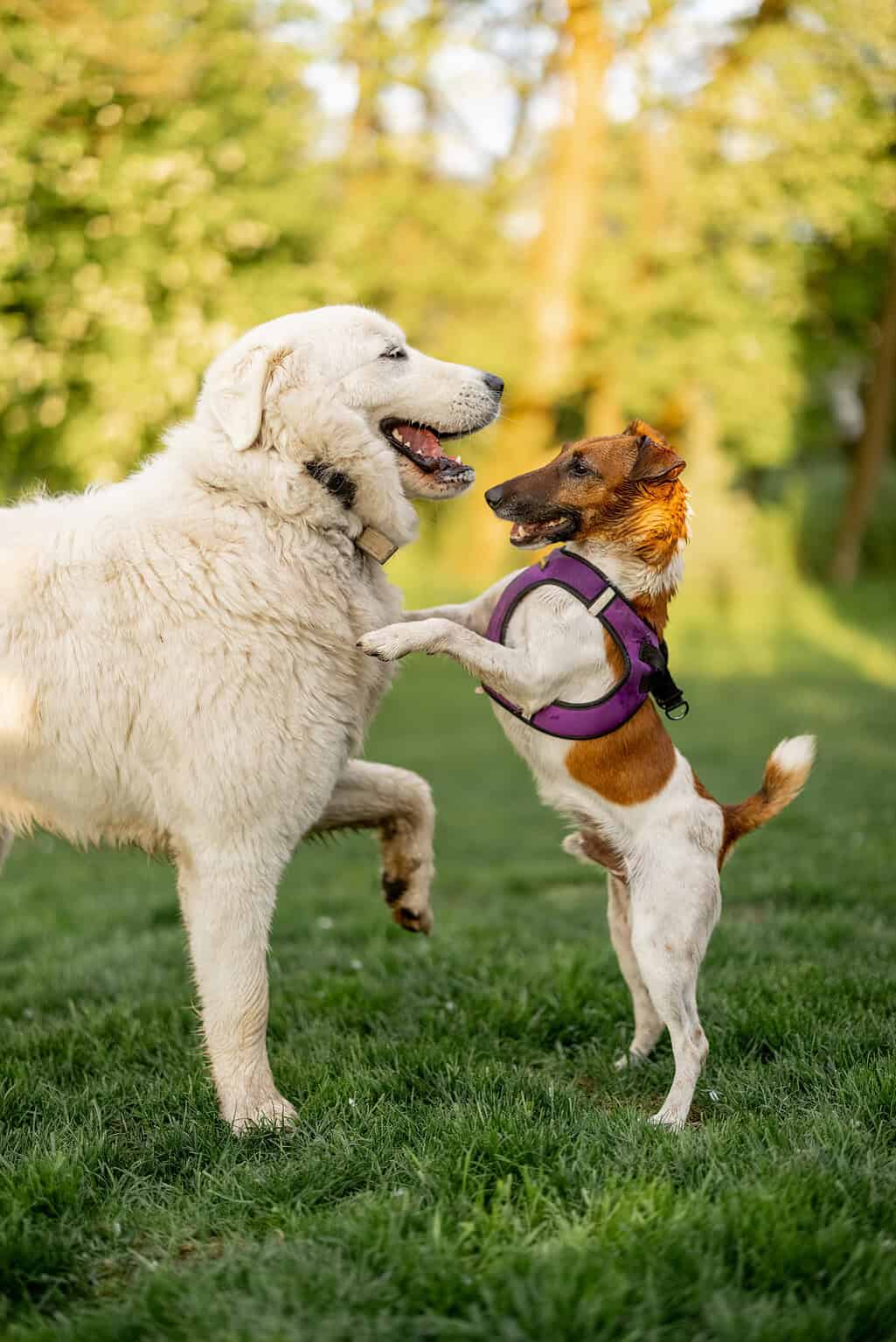
Most dogs eat poop because it is a normal inherited canine behavior — not because something is broken. In the largest survey of coprophagy to date, researchers led by Dr. Benjamin Hart at UC Davis found that about 16% of dogs were “serious” stool eaters (caught five or more times) and roughly 24% had been seen eating stool at least once. Boredom, anxiety, hunger and a short list of medical problems make it worse. The fix is almost always the same three things: rule out illness, remove the opportunity, and out-trade the behavior.
Is it normal for dogs to eat poop?
The Hart research team concluded that eating fresh stool likely reflects an ancestral instinct: wild canids that cleared fresh droppings from the den area reduced the risk of parasite larvae hatching nearby. That is why the behavior clusters around fresh stool (usually under two days old) and why it shows up in otherwise healthy, well-fed dogs.
Normal does not mean harmless. Stool can carry parasites, giardia and bacteria, so it is still worth stopping.
7 real reasons dogs eat poop
Here is how each one looks in real life and what actually helps.
| Reason | What it looks like | What helps most |
|---|---|---|
| Ancestral instinct | Only fresh stool, healthy dog, no other symptoms | Immediate cleanup + “leave it” |
| Boredom or under-exercise | Happens in the yard when left alone | More sniff walks, chew and puzzle enrichment |
| Genuine hunger or under-feeding | Scavenges everything, ribs easily felt | Recheck portions and calorie density with your vet |
| Stress or confinement | Crate or kennel only, often with pacing | Shorter confinement, decompression, vet behaviorist |
| Punished house-training | Hides to potty, then eats the evidence | Stop all punishment, reward outdoor potties |
| Learned from another dog | Started after a new dog arrived | Supervise potty breaks, separate yard access |
| Medical cause | New behavior + weight loss, vomiting or ravenous appetite | Vet exam and fecal test, first |
When poop-eating is a medical red flag
Call your vet if the habit is brand new in an adult dog, or if it comes with any other symptom. Intestinal parasites, exocrine pancreatic insufficiency, malabsorption, diabetes, thyroid disease and some medications (steroids in particular) can all drive an unusual appetite. A dog who is suddenly starving, losing weight, or producing greasy, voluminous stool needs a workup before you try any behavior plan.
A basic fecal test is cheap and rules out the most common culprit. If you are weighing whether a diagnostic workup is affordable, our honest look at whether pet insurance is worth it in 2026 walks through the real numbers.
How to stop your dog from eating poop
The single most effective step is removing access — pick up stool the moment it hits the ground. Dogs cannot practice a behavior they never get to rehearse, and coprophagy is strongly self-reinforcing. Everything else is support.
- Clean immediately. Walk out with your dog and bag it right away. Most dogs target stool that is less than two days old.
- Leash potty breaks for two weeks. A 6 ft leash lets you interrupt before the decision happens instead of after.
- Teach a paid recall. Reward your dog for trotting back to you the second they finish. The stool becomes the cue for a treat, not a snack.
- Train “leave it” properly. Start indoors with low-value items, then generalize outdoors. A high-value reward matters here — see our picks in the best dog treats of 2026.
- Add enrichment. A sniffy 20-minute walk, a stuffed chew or a puzzle feeder does more for yard scavenging than any supplement.
- Block the litter box. Cat stool is high in protein and irresistible to many dogs. A baby gate with a cat door or a top-entry box solves it.
- Check the food. Under-feeding and poorly digestible diets both raise the odds. Our best dog food guide covers what to look for on a label.
Do poop-eating deterrents actually work?
Mostly no — deterrent products have a poor track record in the research. In the UC Davis survey, owners reported success rates in the single digits to low teens for the popular additives (products containing MSG, yucca, papain, and similar ingredients). They are cheap and generally safe to try, but do not build your plan around them.
The two things that reliably work in that same data set: physical prevention and consistent reward-based training. Boring, but true.
What about puppies?
Most puppies grow out of it by about nine months. Puppies explore with their mouths, and mother dogs clean up after their litters, so the behavior is normal early on. Manage it the same way — supervise, clean fast, reward the recall — and resist scolding, which mostly teaches puppies to eat faster and hide. If you are still in the early weeks, our new puppy checklist covers the rest of the setup.
Frequently asked questions
Why does my dog eat poop and then lick me?
Licking is a normal affiliative behavior and is not related to the coprophagy itself — it just makes the timing unfortunate. Wash up, and read why dogs lick so much if it is constant.
Can eating poop make my dog sick?
It can. Fresh stool can transmit roundworms, hookworms, whipworms, giardia, coccidia and some bacteria. Keep parasite prevention current and mention the habit at your dog’s next exam.
Does pineapple stop dogs from eating poop?
There is no good evidence for it. The idea is that pineapple enzymes make stool taste bad, but controlled data does not support it and large amounts can upset your dog’s stomach.
Why does my dog eat cat poop specifically?
Cat food is higher in protein and fat than most dog food, and that carries through to the litter box. It is not a nutritional deficiency — it just tastes good. Restricting access is the only reliable fix.
Is poop-eating a sign of a nutritional deficiency?
Rarely. In the UC Davis data, stool eaters were no more likely to be on a poor diet than non-eaters. Still worth ruling out with your vet if the behavior is new.
Will my dog grow out of it?
Puppies usually do. Adult dogs who have practiced it for years often need management for life — which is fine, because immediate cleanup is a permanent solution.
One last safety note
Dogs who scavenge are dogs who wander. A scavenging nose is the number one reason a dog blows past a recall and ends up two streets over. Every dog who goes outside should be wearing visible ID that a stranger can act on in seconds — that is exactly why we make Shiloh’s House NFC smart tags: one tap with any phone opens your pet’s profile, no app needed for the finder, with your number engraved on the back as a backup. Full disclosure, we make them, and we think the free Lohji app that pairs with them (medical records, vaccine history, voice notes) is worth having even if you buy a tag somewhere else. If you want the checklist version, see what to put on a dog ID tag.
Get Your Tag
A $38 designer acrylic NFC tag any phone can tap — engraved backup, made in USA, no subscription, ever.