Why Does My Dog Lean on Me? What It Means and When to Worry
 Shiloh’s House Team
·
·
10 min read
Shiloh’s House Team
·
·
10 min read
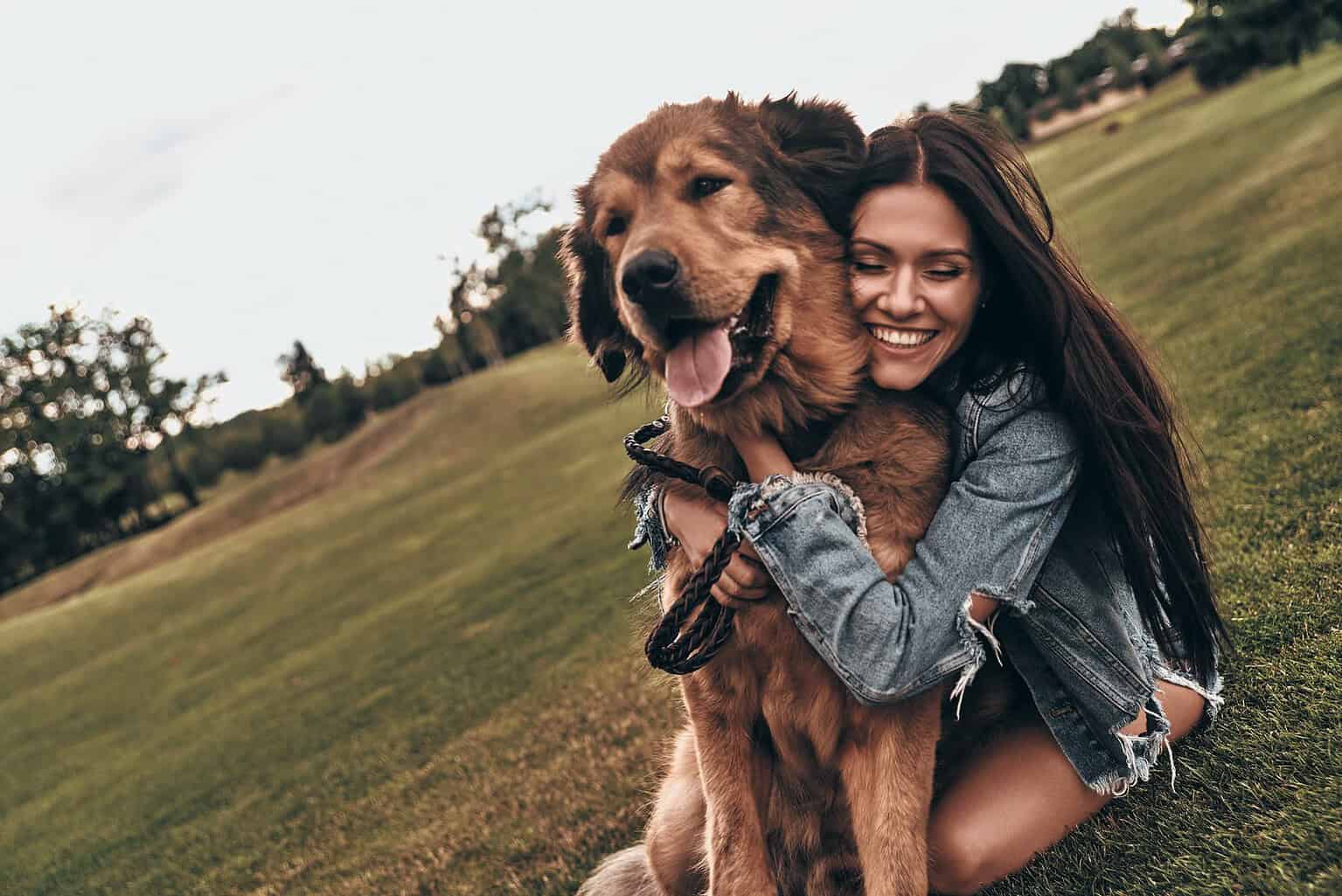
Why does your dog lean on you? Usually because they like you. Leaning is how dogs show affection and seek comfort, so it often means your dog feels safe with you, wants reassurance in a stressful moment, or has learned that a lean earns a scratch. It isn’t a dominance move. Sudden leaning with a head tilt or stumbling needs a vet.
Why does my dog lean on me? Usually, it’s affection
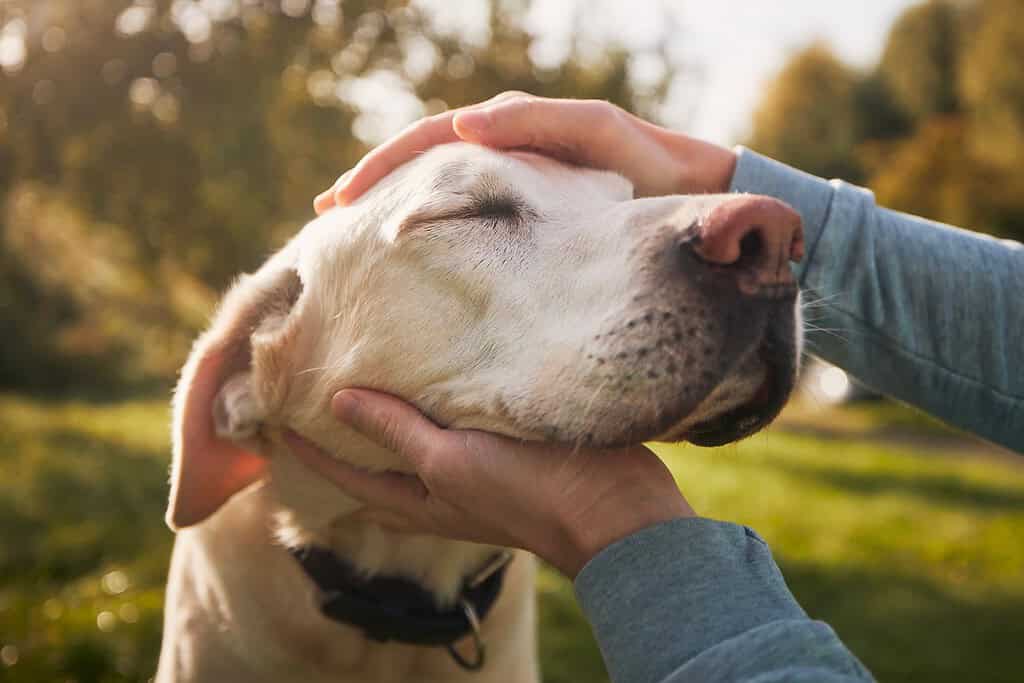
Dogs can’t hug, so they lean. Veterinary behaviorist Dr. Sagi Denenberg describes leaning as an affiliative behavior, one of the ways dogs build social and emotional bonds. “Dogs don’t hug, kiss or pet,” he told Reader’s Digest. “These are human ways of showing affection. Dogs lean or huddle.”
The AKC’s Dr. Mary Burch, a certified applied animal behaviorist who directs the AKC Family Dog Program, agrees that dogs who sit on your feet and lean on your legs usually just want to be close. “Think of your dog sitting on your feet as the canine version of a hug or cuddle,” she says.
Dogs do it with each other, too. Certified behavior consultant Valerie Balwanz notes that dogs who like each other hang out together and sometimes press up against each other while sitting or sleeping, and because dogs include people in their social circle, they extend that contact to us. On cold, damp days, Burch adds, dogs also get close to your body simply to stay warmer.
Dog trainer Devan Amundsen compares it to holding hands: sometimes it’s nerves, sometimes contentment, and sometimes there’s a lot going on and you don’t want to lose track of each other. Most everyday leaning is the content kind. If your dog also trails you from room to room, see our guide to why dogs follow you everywhere.
Leaning for reassurance when your dog is anxious
The second big reason is worry. The AKC lists new places, separation, vet visits and loud noises like fireworks, thunder or construction among the things that send anxious dogs to their people, because staying close gives them security. Burch’s own Welsh Springer Spaniel, Sarge, would pant, back up and sit between her legs with his front paws on her feet at vet checkups until the panting eased.
Contact also lets a nervous dog keep tabs on you without watching you. Denenberg says an anxious dog leans on its attachment figure for comfort and mostly “to know where the person is while keeping their eyes on someone else or sleeping.” Dogs with separation distress take it furthest. “The best way to sleep is to lean against the owner,” he says. “It is an alarm system; the owner cannot move without the dog knowing.” Our guide to separation anxiety in dogs covers what helps.
Pressure itself can be soothing. Balwanz notes that steady pressure comforts some dogs, the idea behind snug-fitting anxiety shirts; we compared those, plus pheromones and supplements, in our guide to dog calming aids.
One practical note from our side: if your dog leans hardest during thunderstorms or fireworks, those are the nights to check that their collar and ID tag are on before the noise starts.
Leaning that gets rewarded with attention
Dogs repeat what works. “If a dog has learned that leaning on you makes you pet them or give belly rubs, then leaning is a behavior they will repeat in the future,” Balwanz says. The AKC makes the same point: the move usually wins extra petting and ear rubs, and that attention makes a dog more likely to do it again.
That isn’t a problem in itself. Amundsen points out that people miss a lot of what dogs tell us, so dogs learn signals we can’t miss, and a lean is one. “It’s usually pretty clear communication from the dog that they’d like a little bit of physical contact right now,” he says.
It becomes a problem when the lean is heavy, constant, or aimed at someone who can’t take it, like a toddler or an unsteady older guest. Amundsen suggests teaching your dog a different way to ask for attention, and how to ask for less of it, too. That fits the guidance from the American Veterinary Society of Animal Behavior (AVSAB): reinforce the behavior you want often and consistently enough that it becomes a habit, and avoid reinforcing the one you don’t. Our guide to stopping a dog from jumping on people uses the same approach.
Is my dog leaning on me to show dominance?
No. The idea that a leaning dog is “claiming” you or pulling rank comes from dominance theory, and AVSAB has a position statement pushing back on it. It defines dominance as a relationship between animals established by force or aggression and submission, to decide who gets priority access to resources such as food, resting spots and mates, and it says dominance theory should not be used as a general guide for behavior modification.
Most unwanted behaviors in pets, the statement says, come from accidentally rewarding them, not from a bid for rank. Its myths section asks whether a dog that jumps up and tries to climb into your lap to be petted is showing dominance, and answers “No.” Dogs do it because when they do, they get attention. A lean for petting fits the same pattern.
Body language agrees. “When dogs lean against people, they often show very relaxed or vulnerable body posture and language,” Denenberg says, “not confident and aroused,” the opposite of how dogs look when they compete for status. In his view, a pet dog’s relationship with its person is usually about attachment, not hierarchy.
Not tagged yet?
A Shiloh’s House smart tag puts your phone number, your dog’s profile and their medical notes one tap away for anyone who finds them, with your number laser-engraved on the back as a backup. No battery, no subscription, and the finder doesn’t need an app. For a dog who would rather be glued to your side, it’s the plan for the day they aren’t.
Why big dogs like Great Danes lean so much
Size seems to matter. Hepper’s vet-reviewed guide to the breed says leaning is very common in bigger dogs, and that Great Danes commonly lean when they want attention, affection or comfort, or because the owner has reinforced it. Some lean simply because they’re tired of standing, and others because they’re scared or anxious; the guide notes that a lack of socialization can lead to excessive fear. It’s also clear that a leaning Dane isn’t trying to exert dominance.
The catch is the weight. Hepper warns that a Dane’s lean can surprise people and even knock some over, especially when the dog does it too enthusiastically, and suggests training the dog to do something else when they want attention. With a dog that size, it’s worth managing around kids and unsteady guests, even when it’s pure affection. And a big dog who suddenly leans more than usual, or seems to lean because standing has become hard, deserves the same medical look as any other dog.
When leaning means something is physically wrong
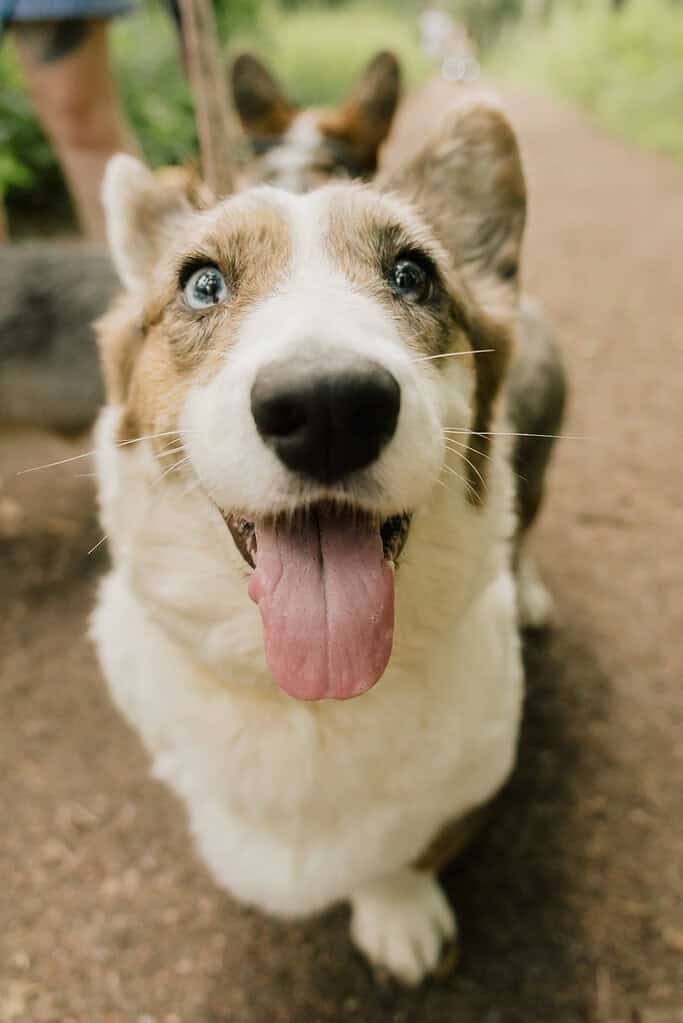
A dog that leans because it can’t stand steadily is a different story. “If you feel your dog is unsteady on their feet and leaning on you for support, it’s best to consult your vet,” Balwanz says.
Pain can look like leaning, too. Preventive Vet notes that dogs with pain or weakness often shift weight away from the sore area without realizing it, standing with more weight on the front legs or one side, or struggling to hold a steady sit or stand. The AKC adds that arthritic dogs may prefer perching on your feet because they don’t have to bend down to sit.
In older dogs, sudden leaning can mean vestibular disease, a problem with the balance system in the middle and inner ear. When no cause turns up it’s called idiopathic vestibular disease, nicknamed “old dog” vestibular disease because it mostly affects seniors, and the AKC calls it one of the most common neurological disorders in veterinary medicine. PetMD notes it comes on suddenly, signs are worst in the first 48 hours, and dogs typically improve over two to three weeks.
Most dogs will be reluctant to walk or stand and will often fall or lean in the direction of the head tilt.
Dr. Jerry Klein, AKC Chief Veterinarian, American Kennel Club
The AKC’s list of signs: loss of balance and falling over, a head tilt, stumbling or staggering, rapid jerking eye movements, circling in one direction, disorientation, and sometimes nausea or vomiting. Ear infections, hypothyroidism, and tumors or polyps in the middle ear are among the causes, and the AKC’s advice is to contact your veterinarian immediately if you see these signs. Our guide to why dogs tilt their heads covers when a tilt is a warning.
One look-alike is worth knowing. PetMD notes that a dog pressing their head into you during petting is ordinary affection, but a dog pressing their forehead into a wall, corner or furniture is usually showing a sign of neurological disease and needs a vet immediately.
What to do when your dog leans on you
Most leaning needs nothing from you but a scratch behind the ears. Use the rest of your dog’s body, and the timing, to work out which kind of lean you’re getting.
| What you see | What it usually means | Your move |
|---|---|---|
| Relaxed, loose body; leans while resting next to you | Affection and closeness | Enjoy it |
| Leans while drooling, shaking or panting, tail tucked, ears back | Fear or anxiety | Find the trigger and ease off it; get help if it’s frequent |
| Leans whenever you sit down, and usually gets petted for it | Learned attention-seeking | Teach a sit for petting and reward that instead |
| Sleeps leaning against you; can’t settle when you leave | Possible separation distress | Talk to your vet or a behavior professional |
| Leans to take weight off a leg; struggles to sit or stand | Possible pain or weakness | Book a vet visit |
| Sudden leaning with a head tilt, stumbling, circling or darting eyes | Possible vestibular disease or another neurological problem | Call your vet now |
Frequently asked questions
Is it a good sign when a dog leans on you?
Usually, yes. Leaning is one of the ways dogs show affection and seek comfort, and a relaxed lean generally means your dog feels safe with you. If it comes with trembling, panting, a tucked tail or ears pulled back, your dog is asking for reassurance instead.
Do dogs lean on people to show dominance?
No. The American Veterinary Society of Animal Behavior says most unwanted behaviors in pets come from accidental rewards, not a bid for rank, and veterinary behaviorist Dr. Sagi Denenberg notes that leaning dogs often look relaxed, even vulnerable, not tense like dogs in a status contest.
Why is my senior dog suddenly leaning and wobbly?
Sudden leaning with a head tilt, stumbling, circling or darting eyes can be vestibular disease, which is most common in older dogs. It often improves within a few weeks, but ear infections and other causes look similar at first, so call your vet right away.
Why does my Great Dane lean on me so much?
Leaning is very common in big dogs. A vet-reviewed Hepper guide says Great Danes commonly lean for attention, affection or comfort, or because the habit has been rewarded. Because a Dane’s lean can knock people over, it’s worth teaching a polite alternative, like a sit.
Sources
- American Kennel Club — Why Does My Dog Sit on My Feet and Lean on My Legs?
- Reader’s Digest — Why Do Dogs Lean on You? (reviewed by Wailani Sung, PhD, DVM, DACVB)
- American Veterinary Society of Animal Behavior — Position Statement on the Use of Dominance Theory in Behavior Modification of Animals
- Hepper — Why Does My Great Dane Lean on Me? (vet-reviewed)
- American Kennel Club — Vestibular Disease in Dogs: Signs, Symptoms, Treatment
- PetMD — Vestibular Disease in Dogs
- PetMD — Head Pressing in Dogs: Causes, Diagnosis, and Treatment
- Preventive Vet — Posture and Neurologic Changes in Dogs: Signs of Pain You Can’t Ignore