Why Does My Dog Follow Me Everywhere? 7 Real Reasons (and When to Worry)
 Shiloh’s House Team
·
·
4 min read
Shiloh’s House Team
·
·
4 min read
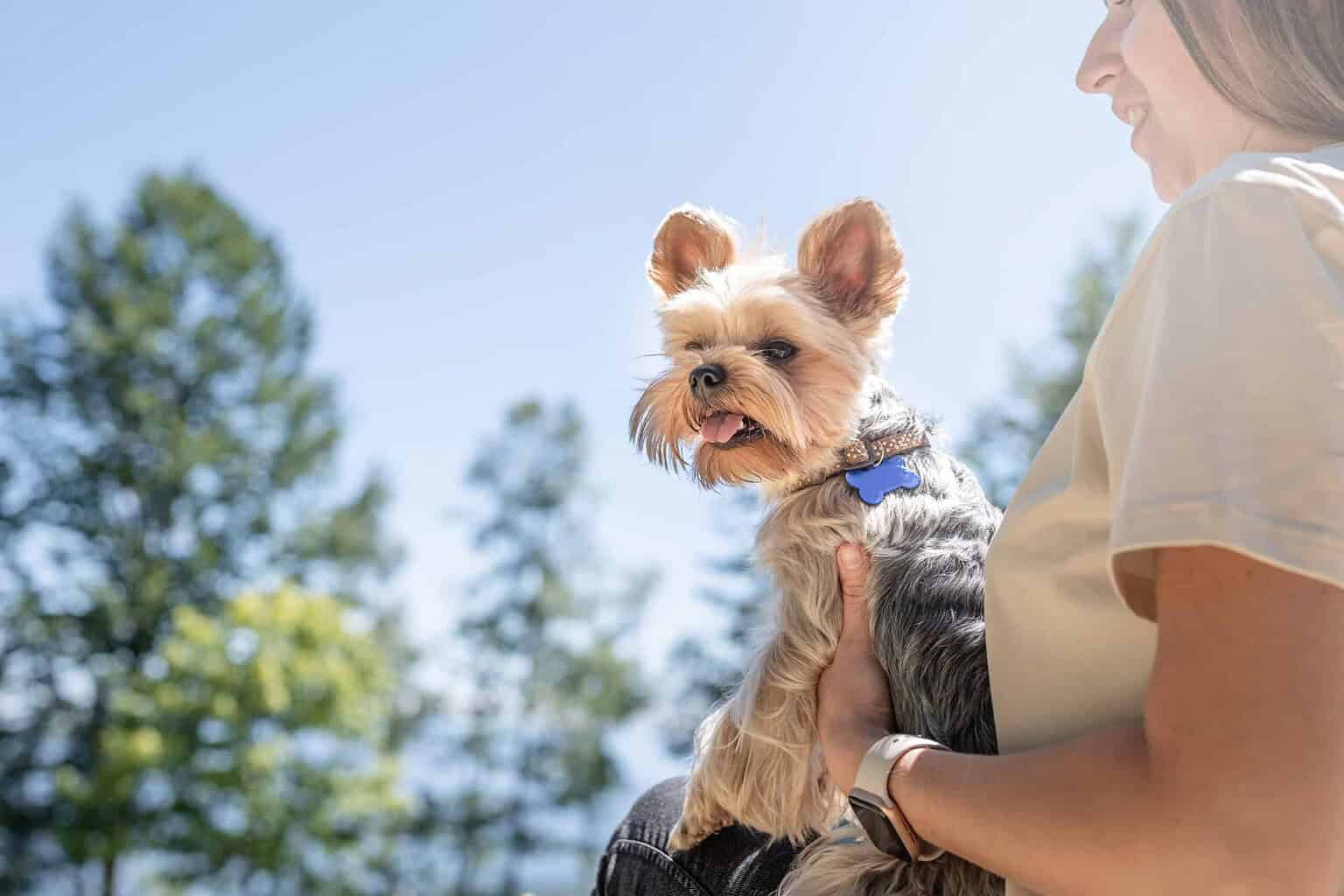
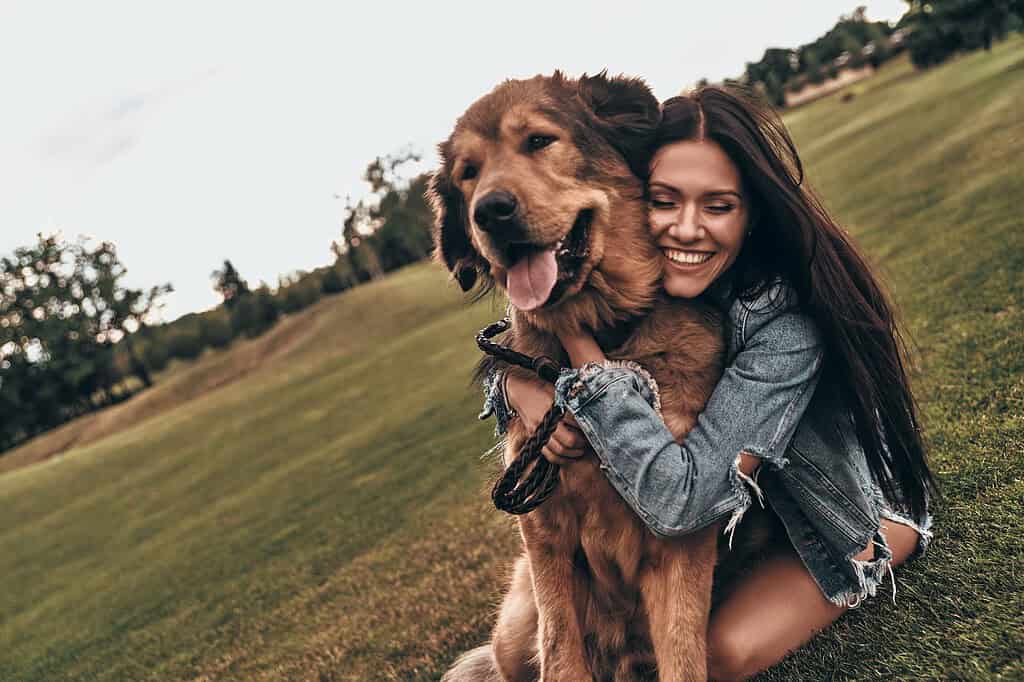
Your dog follows you everywhere because you are their social group, their food source, and the most interesting thing in the house — and thousands of years of breeding made sticking close to humans literally rewarding for them. For most dogs it’s healthy attachment, not a problem. The exception is when following comes with panic the moment you leave — that’s separation anxiety, and it needs a different response. Here are the seven real reasons behind “velcro dog” behavior.
1. It’s in Their Genes
Dogs were selectively bred for millennia to work alongside humans — herding at our heels, hunting at our side, guarding our camps. Companion and working breeds (Labs, Goldens, shepherds, spaniels, and nearly every lap breed) carry the strongest “stay with your person” wiring. Your Vizsla shadowing you into the bathroom is running exactly the program we wrote.
2. You’re the Sun in Their Solar System
You control food, walks, play, door-opening, and affection. From your dog’s perspective, staying near you is simply good strategy: all good things originate from your general direction. Behaviorists call this a learned association; your dog calls it common sense.
3. Reinforcement You Didn’t Notice
Every time your dog followed you and got a smile, a treat crumb, or a head scratch, the behavior was reinforced. Following you is a slot machine that keeps paying out. This is harmless — just know that you built it, one absent-minded ear rub at a time.
4. Curiosity and FOMO
Dogs are social observers. When you get up, something might happen — food, a walk, a delivery driver to supervise. Following you is how they make sure they don’t miss it. Dogs with less daily enrichment follow harder because you’re the only show in town, which is fixable with more exercise, sniff walks, and puzzle feeders.
5. Breed-Typical Herding or Guarding
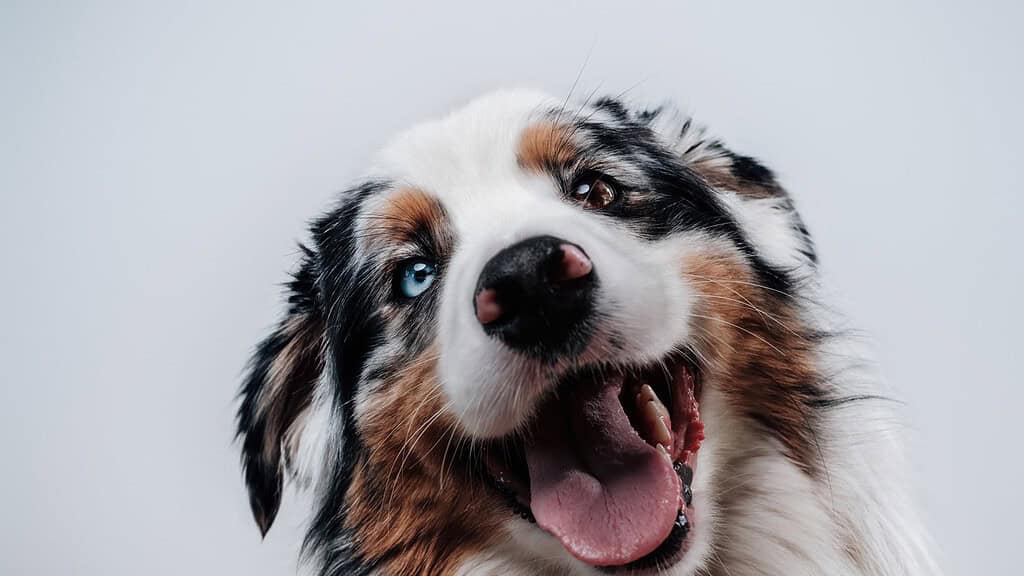
Herding breeds don’t just follow — they position, circling to keep their flock (you, your kids) grouped. Guardian breeds patrol between you and doors. If your Aussie leans into your legs at the park, that’s a professional on the clock.
6. Age: Puppies and Seniors Stick Closest
Puppies follow because you’re their surrogate mother and the world is enormous. Senior dogs often begin shadowing more as hearing and vision fade — you become their navigation system. A sudden increase in clinginess in an older dog is worth a vet visit, since it can accompany pain or canine cognitive decline.
7. Something Feels Off
Dogs also cling when scared (storms, fireworks, houseguests) or unwell. A normally independent dog who suddenly won’t leave your side is communicating. Check for the obvious stressors first; if it persists, call the vet.
When Following Becomes Separation Anxiety
Direct answer: following you around while you’re home is fine; falling apart when you leave is not. Warning signs include pacing and drooling as you grab keys, howling or destruction that starts within minutes of your exit, and accidents from a house-trained dog only when alone. That’s not disobedience — it’s panic, and it responds to gradual desensitization training, not punishment. Our guide to back-to-school separation anxiety covers the step-by-step protocol.
The Velcro Dog Paradox Every Owner Should Know
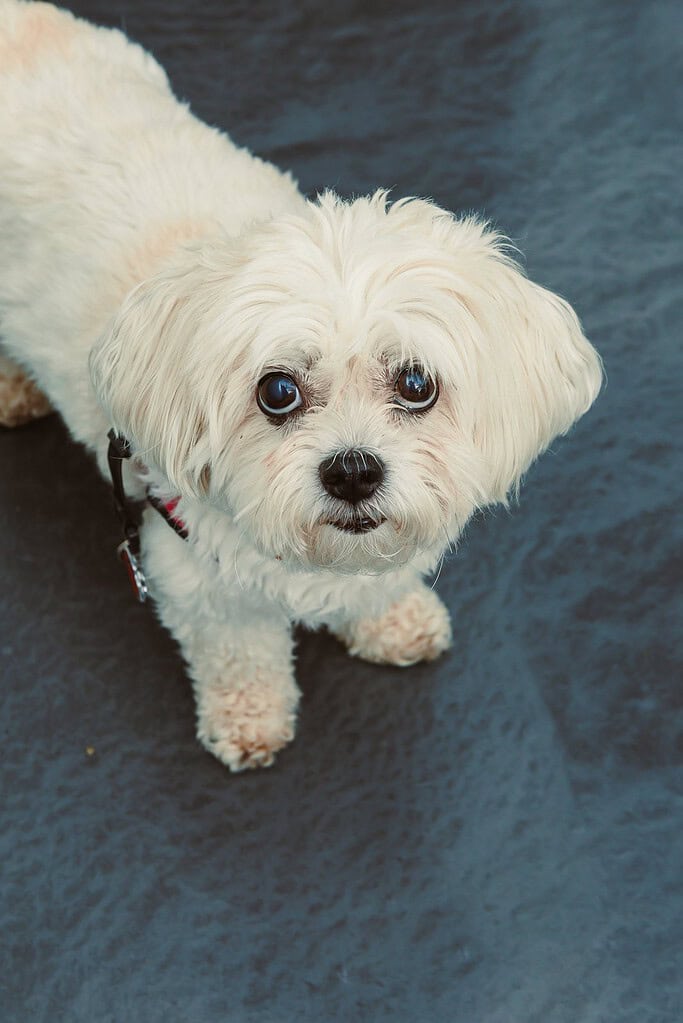
Here’s the counterintuitive part: the clingiest dogs are often the likeliest to bolt when genuinely panicked — a firework, a slammed door, a dropped leash — because they’re trying to find you. Full disclosure, this is the Shiloh’s House blog, so ID is our obsession: a dog that never leaves your side still needs a tag, because the day they run is the day nothing about their routine applies. Our $38 acrylic NFC smart tags let anyone who finds them tap the tag with a phone — no app — and reach you in seconds, with engraved backup built in. If the worst happens, our first-60-minutes lost dog guide is the one to have bookmarked.
FAQ: Velcro Dogs
Why does my dog follow me and not my partner?
Dogs typically shadow the person who feeds, trains, and walks them most — plus whoever’s daily rhythm is most interesting. It’s resource logic and habit, not a ranking of love.
Why does my dog follow me into the bathroom?
Your dog doesn’t have a privacy concept — you’re leaving the group, so they come along. Closed doors are also mildly suspicious events that require investigation.
Should I stop my dog from following me everywhere?
Only if it’s driven by anxiety or you need them to be comfortable alone. Teaching a solid “place” command and rewarding calm independence gives clingy dogs an off switch without damaging the bond.
Do dogs follow you more when they get older?
Often, yes. Fading senses make seniors rely on you for orientation. Gradual increases are normal aging; sudden clinginess warrants a vet check.
Get Your Tag
They follow you everywhere. Make sure the way back to you is one tap away — no app, no subscription, $38.