Why Is My Cat Sneezing? 8 Real Reasons (and When to Call the Vet)
 Shiloh’s House Team
·
·
6 min read
Shiloh’s House Team
·
·
6 min read
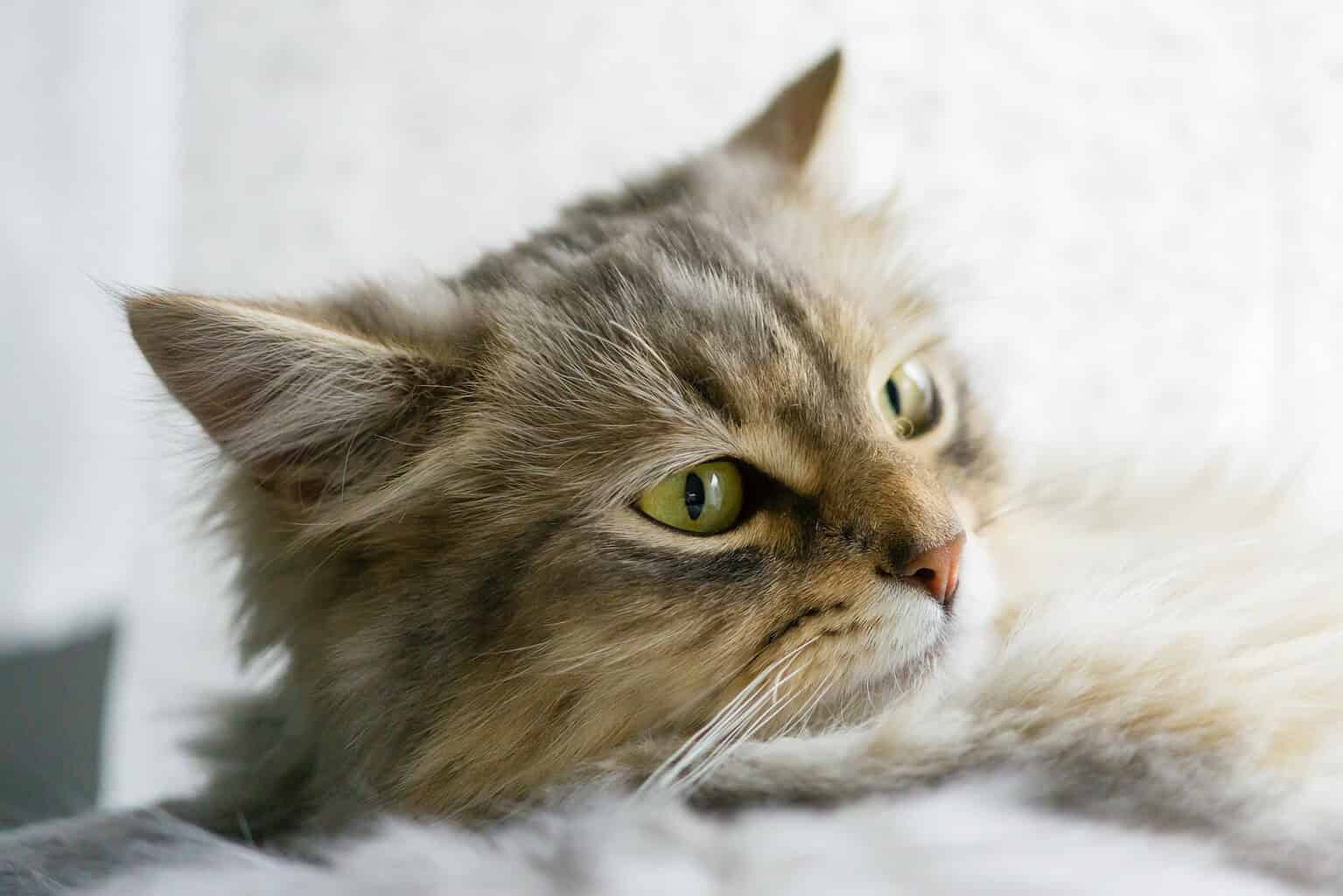
An occasional sneeze is normal in cats – it usually means dust, litter particles, perfume or a stray whisker tickled the nose. Sneezing becomes a problem when it lasts more than a few days, comes in long fits, or arrives with discharge from the nose or eyes, squinting, appetite loss or lethargy. The single most common medical cause is a feline upper respiratory infection, and in adult cats that is very often a flare of a herpesvirus the cat has carried since kittenhood. Here are the eight causes worth knowing, and the line between “wait and watch” and “call today.”
1. Dust, litter and household irritants
Dusty clay litters throw fine particles up into a cat’s face every time they dig. So do scented litters, and so do air fresheners, candles, cleaning sprays, hairspray and cigarette smoke.
The test is easy: switch to a low-dust, unscented litter for two weeks and stop using aerosols in the room where the box lives. If the sneezing stops, you have your answer and it costs nothing further.
2. Feline upper respiratory infection
The picture looks like a bad cold: repeated sneezing, watery or thick nasal discharge, runny or squinty eyes, sometimes a mild fever and reduced appetite.
Most healthy adult cats recover in one to two weeks with supportive care. Kittens, seniors and cats with other illnesses are the ones who get into trouble, and they should be seen early rather than late.
3. A herpesvirus flare-up in a cat who already had it
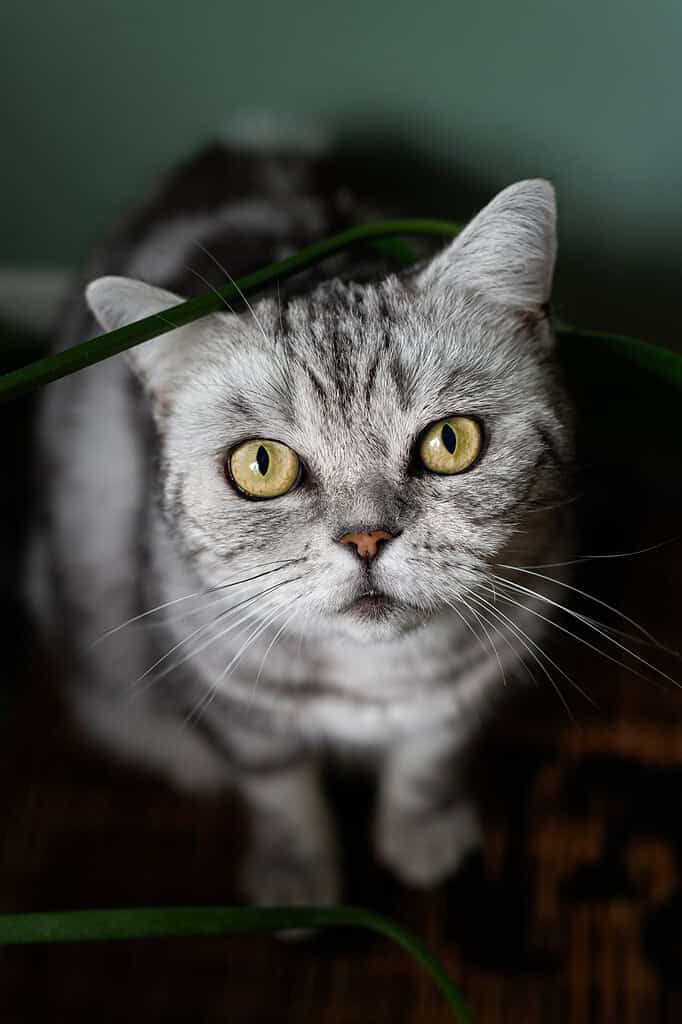
Cats who have had herpesvirus once carry it for life, and stress reactivates it – which is why sneezing so often starts a few days after a move, a boarding stay, a new pet or a schedule change. The flare typically looks milder than the original infection and settles on its own, but recurrent episodes are worth discussing with your vet, because there are supportive options and because repeated flares can damage the nasal passages over time.
If you can identify the stressor, that is half the management. Environmental stability, hiding spots and predictable routine do real work here, and the same tools that help an anxious cat often reduce flare frequency.
4. Allergies – less common than people assume
True inhaled allergies do cause sneezing in cats, but they are a less frequent cause than most owners expect; allergic cats more often present with itchy skin and overgrooming. When allergy is the driver, the sneezing tends to be seasonal or tied to a specific exposure – a new plant, a new detergent, spring pollen coming in an open window.
Persistent one-sided nasal discharge is not typical of allergy. That pattern points elsewhere, and it is worth mentioning specifically to your vet.
5. Something stuck in the nose
Sudden, violent, repetitive sneezing that starts out of nowhere in an otherwise well cat suggests a foreign body – a grass seed, a blade of grass, a piece of litter. The giveaway is intensity and abruptness: not a sneeze here and there over days, but a burst of frantic sneezing and pawing at the face within minutes.
Do not go digging with tweezers. Cats have delicate nasal passages and a frightened cat moves fast. This one needs a vet.
6. Dental disease
The roots of a cat’s upper teeth sit directly against the nasal cavity, so an abscessed tooth or advanced periodontal disease can cause chronic sneezing and one-sided discharge. This is a commonly missed cause, particularly in cats over about seven, and it often comes with bad breath, dropping food, or chewing on one side.
Dental care is unglamorous and genuinely preventive. Our guide to cat dental treats and toothpaste covers the at-home end of it, but an established abscess needs veterinary treatment.
7. Nasal polyps, masses and fungal infection
Chronic sneezing that only ever affects one nostril, gets progressively worse, or comes with noisy breathing or facial swelling needs imaging rather than another round of guessing. Benign inflammatory polyps are relatively common in young cats. Fungal infections such as cryptococcosis and, in older cats, nasal tumors are less common but real.
None of these resolve on their own, and all of them are more treatable when caught early.
8. Post-vaccination sniffles
A small number of cats sneeze for a few days after an intranasal upper respiratory vaccine, which is an expected and self-limiting reaction. If sneezing starts within a couple of days of a vaccine and clears within about a week, that is almost certainly what happened. Longer than that, call the clinic.
Wait and watch, or call the vet?
| What you are seeing | Likely fine to monitor | Call the vet |
|---|---|---|
| How often | A few sneezes a day, no pattern | Repeated fits, or daily for more than a week |
| Discharge | None, or brief and clear | Yellow, green, bloody, or from one nostril only |
| Eyes | Clear and open | Squinting, redness, thick discharge |
| Appetite | Normal | Eating less, or not at all for 24 hours |
| Breathing | Quiet, easy, through the nose | Open-mouth breathing, wheezing, effort – urgent |
| Energy | Normal play and routine | Hiding, lethargic, hunched |
Open-mouth breathing or visible effort to breathe is an emergency in a cat, not a sneezing question. Go now. The same is true of panting, which cats do not do casually the way dogs do.
What you can do at home
Humidity, hydration and a clean nose cover most of the supportive care for a mild upper respiratory episode. Sitting with your cat in a steamy bathroom for ten minutes loosens congestion. Warm, strong-smelling wet food helps a congested cat who cannot smell their dinner keep eating – and a cat who stops eating for a day is a genuine problem, not a minor one. Wipe discharge from the nose and eyes gently with a warm damp cloth.
Never give human decongestants or pain relievers. Many are toxic to cats at ordinary human doses.
Frequently asked questions
Why is my cat sneezing a lot but acting normal?
Most often an irritant – dusty litter, a scented product, dry air – or a mild herpesvirus flare. If the cat is eating, playing and breathing easily, it is reasonable to remove obvious irritants and watch for a few days.
Can cats catch colds from humans?
No. Human cold viruses do not infect cats. Cat upper respiratory viruses spread between cats, which is why a new cat in the house or a boarding stay often precedes an outbreak.
How long should cat sneezing last?
An irritant sneeze resolves in hours. An uncomplicated upper respiratory infection usually improves within seven to ten days. Anything beyond two weeks counts as chronic and needs a diagnosis.
Do I need to separate a sneezing cat from my other cats?
If you have a multi-cat household and one cat has a suspected infection, separating them and washing your hands between cats reduces spread. Herpesvirus and calicivirus are highly contagious between cats.
Is sneezing with blood serious in cats?
Yes. Blood in nasal discharge warrants a same-week vet appointment, and sooner if it is more than a fleck. It can indicate a foreign body, fungal infection, dental disease or a mass.
One practical note about vet trips
Any sneezing workup means a carrier, a car, and a waiting room – the exact sequence during which indoor cats slip out of doors that are open more than usual. It is worth checking your cat’s collar and ID before the appointment, not after. We make lightweight acrylic NFC tags sized for cat collars: a finder taps it with any phone to reach your pet’s profile, no app needed on their end, with your details engraved on the back as backup. We are openly biased about our own tags – but a cat with any legible ID gets home far more often than one without.
Get Your Tag
Designer acrylic NFC pet ID tags with engraved backup contact info. One tap, any phone, no subscription.