Best Cat Brushes for Shedding in 2026: FURminator vs Hertzko vs Safari vs ZoomGroom
 Shiloh’s House Team
·
·
7 min read
Shiloh’s House Team
·
·
7 min read
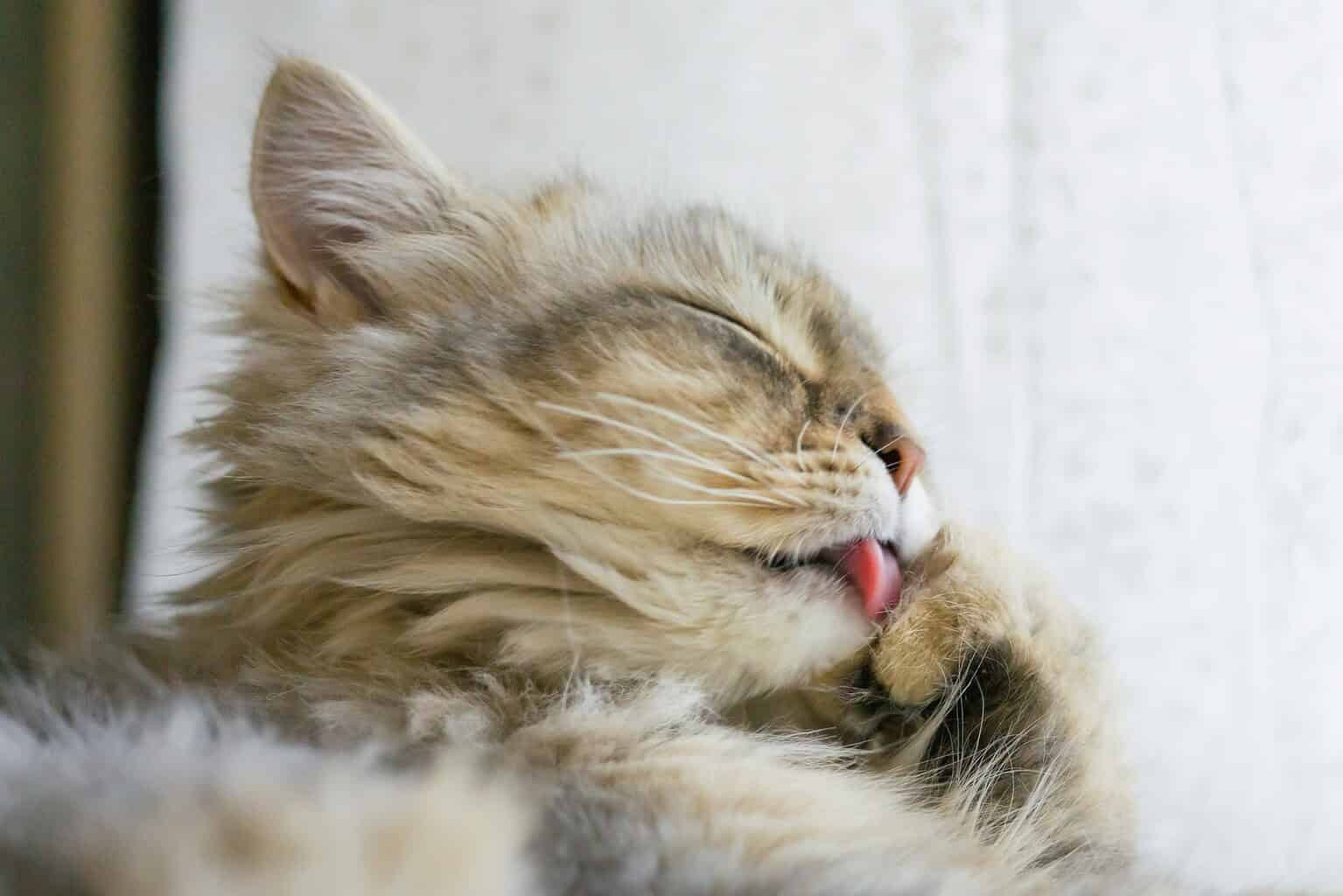
The best cat brush for shedding is the FURminator deShedding Tool for Cats if your cat tolerates it, and a Hertzko self-cleaning slicker brush if you want one tool that handles both loose fur and light mats. For cats who hate being brushed at all, grooming gloves or a KONG ZoomGroom rubber brush will get more fur off in practice, because the brush your cat actually sits still for beats the one that is technically more efficient. Spring is when this stops being optional — most cats blow their winter undercoat between March and May.
What is the best brush for a shedding cat?
It depends almost entirely on coat length and on how much handling your cat tolerates. Here is the short version before the detail.
| Brush | Type | Best for | Watch out for |
|---|---|---|---|
| FURminator deShedding Tool for Cats | Deshedding blade | Heavy shedders, thick undercoats, long hair | Easy to overdo — can irritate skin if you press or repeat |
| Hertzko Self-Cleaning Slicker Brush | Slicker (retracting pins) | All-round use, gentle detangling, long hair | Fine pins can scratch if you use it flat on the skin |
| Coastal Pet Safari Cat Slicker Brush | Slicker | Small cats, budget pick, quick daily passes | Smaller head means longer sessions on a big cat |
| Greyhound-style steel comb | Comb | Finding mats early, armpits, britches, behind ears | Slow — it is a finishing tool, not a bulk-fur tool |
| KONG Cat ZoomGroom | Rubber nub brush | Short hair, kittens, brush-averse cats | Will not reach a dense undercoat |
| Grooming gloves (HandsOn, Delomo) | Glove | Skittish cats who accept petting but not tools | Light-duty — think maintenance, not deshedding |
| Double-sided pin and bristle brush | Pin / bristle | Short-haired cats, finishing and shine | Minimal effect on real seasonal shedding |
Best overall: FURminator deShedding Tool for Cats
The blade slips through the topcoat and catches the dead fluff underneath, which is the layer responsible for tumbleweeds under the sofa and for hairballs. Grooming experts consistently pick it for long-haired and heavy-shedding cats.
Two rules keep it safe. Use zero downward pressure — let the weight of the tool do it. And stop at a few passes per area, once or twice a week during a shed; repeated passes over the same spot are how cats end up with irritated skin and thin patches. Choose the short-hair or long-hair version to match your cat, not the dog version.
Best all-rounder: Hertzko Self-Cleaning Slicker Brush
The fine bent pins lift loose fur and work through small tangles before they become mats, and the retract button dumps the fur in one press — which sounds trivial until you have tried to peel a fur pad off a slicker with one hand while a cat leaves. The flexible head follows the curve of a cat’s back and sides better than a rigid one.
Technique matters: angle the pins so the tips graze rather than dig, and go with the lie of the coat.
Best budget pick: Coastal Pet Safari cat slicker
A small curved slicker does 80% of the job for a fraction of the price. The thin pins loosen knots and pull dead hair out of a short or medium coat, and the compact head suits small cats and faces. It is the brush to keep on the coffee table for the two-minute passes that actually add up.
Best for mats: a greyhound-style steel comb
A comb is how you find a mat while it is still the size of a pea. Slicker brushes glide over mats; a steel comb stops dead on them. Work the wide-tooth end through the armpits, behind the ears, along the britches and at the base of the tail — the four places mats always start — then finish with the fine end.
If you hit a mat that has already tightened to the skin, do not cut it out with scissors. Cat skin is thin and lifts with the mat; this is the most common way owners cause a wound that needs stitches. Use a mat splitter carefully or book a groomer or vet.
Best for cats who hate brushes: ZoomGroom or grooming gloves
For a cat who bolts at the sight of a brush, the rubber nub brush and the grooming glove are the only tools that work, because they feel like petting. The KONG Cat ZoomGroom’s soft rubber fingers gather loose hair while massaging, and gloves let you groom a skittish cat who will sit in your lap but not tolerate a handle. Neither reaches a dense undercoat, so on a long-haired cat treat them as a bridge to real brushing, not a replacement.
How often should you brush a cat?
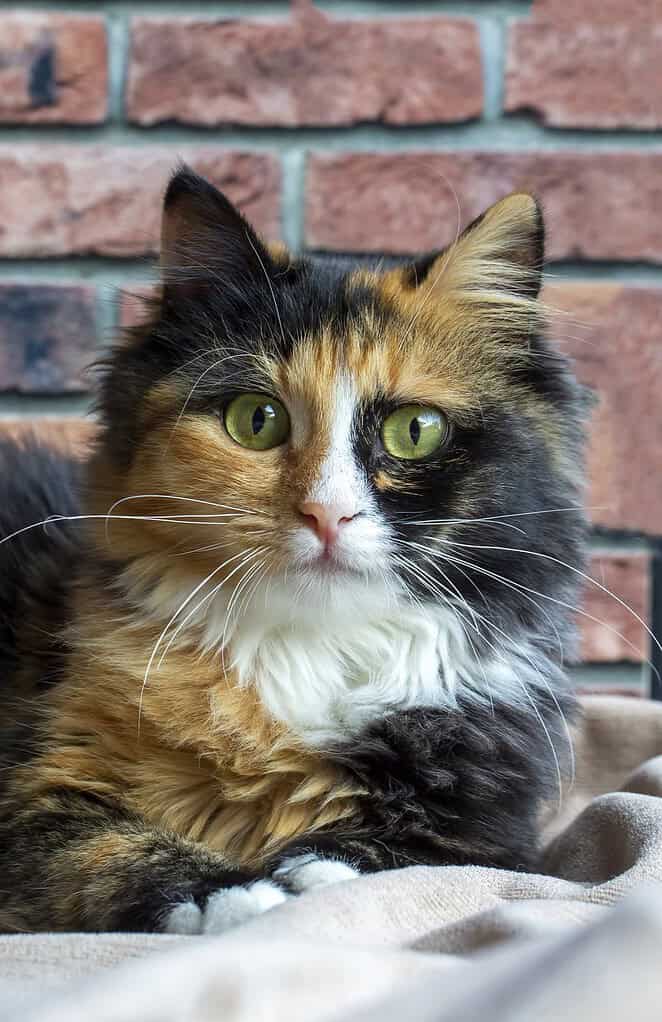
Short-haired cats: two or three times a week. Long-haired cats: every day, especially in spring and fall. Daily is not about perfection — two focused minutes beats a twenty-minute wrestling match once a week, and it is the schedule that prevents mats rather than treating them.
- Brush before, not after, a nap. A relaxed cat tolerates twice as much.
- Follow the direction the fur grows. Against the grain is how sessions end early.
- Stop while it is still going well. Ending on a good note is the whole training strategy.
- Pay them. A lickable treat during brushing changes a cat’s opinion of the tool faster than anything else.
- Skip the belly early on. Start with cheeks, chin and shoulders — the places cats already like being touched.
Why cats shed more in spring
Shedding is driven mostly by daylight, not temperature. As days lengthen through March and April, cats drop the dense winter undercoat they grew in autumn. Indoor cats under artificial light shed at a lower level year-round instead, which is why the house never quite stops producing fur. Dogs do the same thing on the same schedule — we covered the canine version in why dogs shed so much and rounded up tools in the best dog brushes for shedding.
Sudden, patchy or excessive shedding is different. Bald spots, scabs, over-grooming in one place or a dull, greasy coat can point to fleas, allergies, thyroid disease or pain, and those need a vet rather than a better brush.
Frequently asked questions
Is the FURminator bad for cats?
Used correctly, no — used with pressure or repeated passes over the same spot, it can irritate skin and thin the coat. Light strokes, a few per area, once or twice a week during a shed.
What brush is best for a long-haired cat?
A slicker for daily fur removal, a steel comb to catch mats, and a deshedding tool once or twice a week in shedding season. Long coats genuinely need all three.
How do I brush a cat that hates being brushed?
Start with a grooming glove during normal petting, keep sessions under two minutes, pay with a lickable treat, and stop before your cat asks you to. Build up to a slicker over a few weeks.
Does brushing reduce hairballs?
Yes. Hairballs come from swallowed loose fur, so every gram you remove with a brush is a gram your cat does not ingest. Regular brushing is the single most effective at-home hairball measure.
Can I use a dog brush on my cat?
Sometimes, but cat skin is thinner and cat versions have shorter, finer pins for a reason. A dog slicker with long stiff pins is the wrong tool for a cat.
Should I bathe my cat to reduce shedding?
Rarely necessary. Most cats groom themselves effectively and bathing is more stressful than it is worth. Brushing does far more for shedding than washing does.
One brushing-session bonus
Grooming time is the best two minutes of the week for a body check — lumps, scabs, ticks, sore spots — and for the thing owners forget entirely: checking that your cat’s collar still fits and the ID on it is still current. Only about 3% of lost cats that reach a shelter are reunited with their owners, and an out-of-date phone number is a big part of why. That is why we make Shiloh’s House NFC smart tags: any phone taps the tag and opens your cat’s profile, no app needed for the finder, with your number engraved on the back as a backup, and you can update the details without buying a new tag. Full disclosure, they are ours. If you are still deciding what a cat tag needs to say, we wrote the cat ID tag guide for exactly that. And if your cat is a scratcher as well as a shedder, see the best cat scratching posts.
Get Your Tag
A $38 designer acrylic NFC tag any phone can tap — engraved backup, made in USA, no subscription, ever.