Best Cat Dental Treats & Toothpaste of 2026: Greenies, Virbac C.E.T., DentaLife & PlaqueOff Compared
 Shiloh’s House Team
·
·
6 min read
Shiloh’s House Team
·
·
6 min read
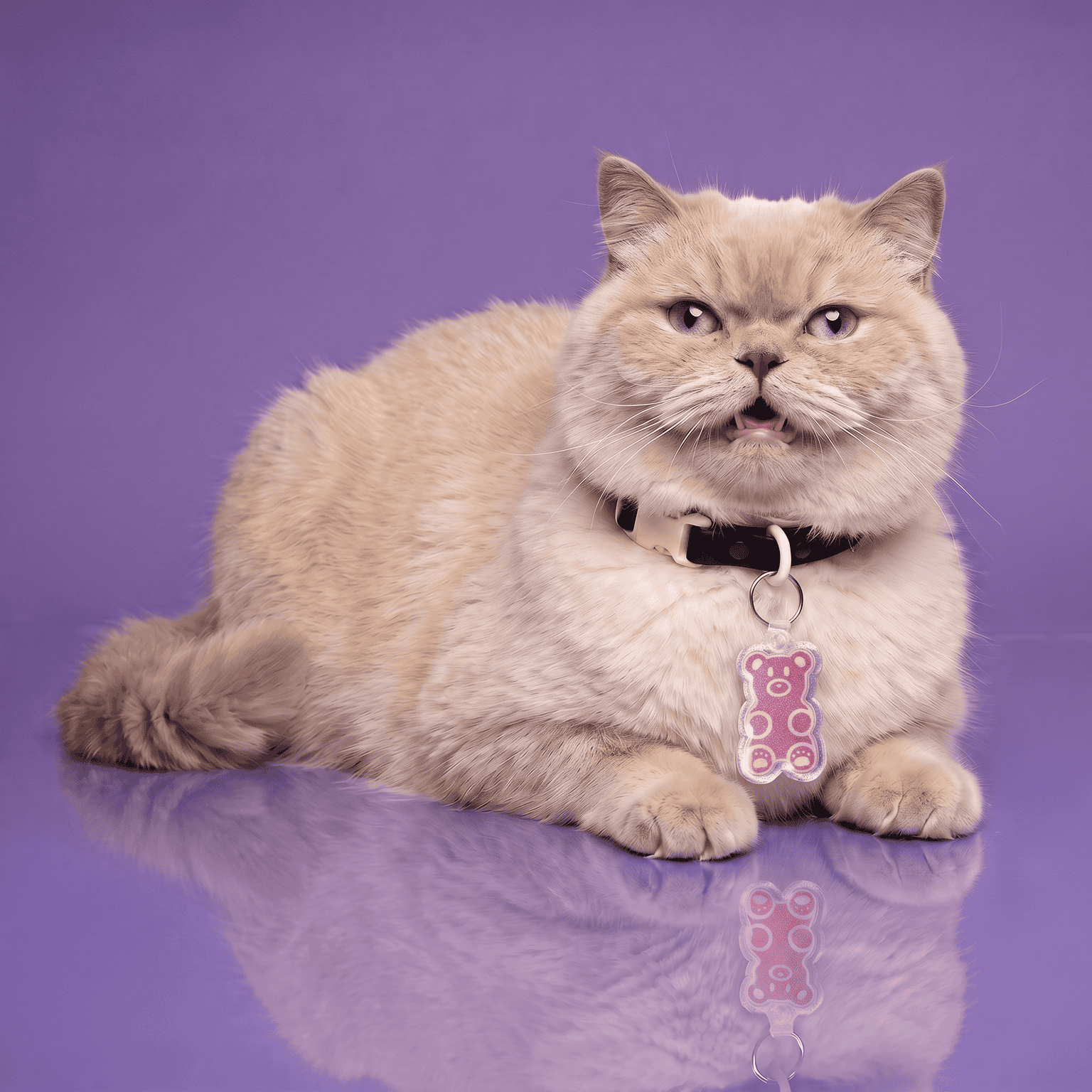
The best cat dental routine in 2026 is brushing with an enzymatic cat toothpaste such as Virbac C.E.T., backed up by a VOHC-accepted dental treat like Feline Greenies or Purina DentaLife. Treats alone will not keep a cat’s mouth healthy, but they are far better than nothing, and they are what most cat parents will actually keep doing. If your cat will not tolerate a brush at all, a VOHC-accepted powder such as ProDen PlaqueOff or a prescription dental diet is the realistic fallback. None of it replaces a veterinary cleaning under anesthesia when your vet says one is due.
Why cat dental care matters more than most owners think
Cats are also uniquely prone to tooth resorption, a painful condition where the tooth structure breaks down from the inside. Nothing in this article prevents resorption — only your vet can find and treat it. And cats hide oral pain almost perfectly, which is why owners so often say their cat “acted totally normal” right up to the extraction.
What the VOHC seal actually means
It is a voluntary program, not a government approval, and it does not measure taste or safety — but it is the only independent filter available to a shopper, and it separates products with real data from products with nice packaging. The accepted list changes, so check vohc.org for the current one before you commit to a bag.
Best cat dental products of 2026 at a glance
| Product | Type | Best for | Effort level |
|---|---|---|---|
| Virbac C.E.T. Enzymatic Toothpaste | Toothpaste (poultry, malt, seafood) | The gold standard, if your cat allows it | High |
| Feline Greenies Dental Treats | Crunchy treat | Most cats; the easiest daily habit | Very low |
| Purina DentaLife Cat Treats | Porous crunchy treat | Cats who turn their nose up at Greenies | Very low |
| ProDen PlaqueOff Powder | Seaweed powder on food | Cats who refuse brushing entirely | Very low |
| Hill’s Prescription Diet t/d Feline | Therapeutic dental kibble | Cats with a real dental history | Low (vet authorization needed) |
| Royal Canin Feline Dental | Therapeutic dental kibble | Alternative when a cat dislikes t/d | Low (vet authorization needed) |
| Water additives and gels | Added to the bowl or wiped on | A small extra layer, not a plan | Minimal |
Several of these carry VOHC acceptance for plaque or tartar control — verify the specific product and flavor on the current VOHC list, because acceptance applies to exact formulations, not whole brands.
Virbac C.E.T. Enzymatic Toothpaste: the one that actually works
Brushing is the only home routine that physically removes plaque before it hardens, and enzymatic cat toothpaste is what makes it possible. C.E.T. comes in poultry, malt and seafood flavors, needs no rinsing, and is designed to be swallowed. Never use human toothpaste on a cat — fluoride and xylitol do not belong in a cat’s stomach. Pair it with a finger brush or an ultra-soft cat brush.
Realistic expectations: aim for daily, accept every other day, and start by letting your cat lick the paste off your finger for a week before a brush ever appears. Thirty seconds on the outer surfaces of the upper teeth does most of the work.
Feline Greenies The easiest habit to keep
If you are going to do exactly one thing, make it a VOHC-accepted crunchy dental treat every day. Feline Greenies are the best known, come in flavors most cats take instantly, and are small enough to use as a daily ritual rather than a fight. Count them toward your cat’s daily calories — dental treats are still treats, and an overweight cat trades one health problem for another.
Purina DentaLife: the backup when Greenies fail
Cats are individuals, and plenty of them simply reject one texture and love another. DentaLife uses a porous, airy shape designed to let teeth sink in rather than shatter it on contact. Functionally it is in the same tier as Greenies; the deciding factor is your cat.
ProDen PlaqueOff: for cats who will never be brushed
A seaweed-based powder sprinkled on food is the lowest-effort option that still has data behind it. It works systemically rather than mechanically, and it is a sensible choice for a fractious cat, a senior with a sore mouth, or a multi-cat house where brushing every mouth is fantasy. It will not remove tartar that is already there.
Dental diets: worth it for the right cat
Therapeutic dental kibbles use larger, fibrous pieces that scrub the tooth as the cat bites through instead of crumbling. They need veterinary authorization, they cost more than standard food, and they are aimed at cats with a documented dental history rather than at every cat. If you are still choosing an everyday diet, start with our guides to the best kitten food of 2026 and work up from there.
What none of this replaces
A professional cleaning under general anesthesia is the only way to clean below the gumline and to x-ray for tooth resorption. Be wary of anesthesia-free dental services: they polish the visible surface and can leave real disease undiagnosed. Watch for drooling, dropping food, chewing on one side, pawing at the mouth, a sudden preference for wet food, or breath that has genuinely turned. Any of those earns a vet visit, not a bigger bag of treats.
Frequently asked questions
Do cat dental treats actually work?
VOHC-accepted ones have met a measured standard for reducing plaque or tartar, so yes, within limits. They reduce buildup; they do not remove existing tartar and they do not treat disease under the gumline.
How often should I brush my cat’s teeth?
Daily is the goal because plaque begins hardening into tartar within a couple of days. Every other day still helps meaningfully. Once a week is mostly a habit-keeper.
Can I use human toothpaste on my cat?
No. Human toothpaste is meant to be spat out, and cats swallow everything. Fluoride and xylitol are the specific problems. Use an enzymatic toothpaste made for cats.
What age should I start dental care?
As a kitten, so the routine is normal before there is anything to fix. Older cats can absolutely be trained to it too — it just takes weeks of patience rather than days.
My cat has bad breath. Is that just normal cat breath?
No. Genuinely foul breath in a cat usually means dental disease, and sometimes kidney or metabolic disease. It is a symptom, not a personality trait.
Do dental treats help with tooth resorption?
No. Resorption is a structural disease of the tooth itself, it is common in cats, and it is diagnosed with dental x-rays and treated by extraction. It is one of the main reasons regular veterinary dental exams matter.
A note on ID while your cat is at the vet
Disclosure first: we make NFC smart pet ID tags, so we are not neutral here. But dental day is a real-world escape risk — carriers open, doors open, and a groggy cat bolts. A lightweight acrylic smart tag from Shiloh’s House shares your phone number on any phone that taps it, no app needed for whoever finds your cat, with your details engraved on the back as backup. The free Lohji app is a handy place to keep dental x-ray dates, extraction history and post-op medication notes so you are not reconstructing them at the next appointment. More on collars and tags cats will tolerate in cat ID tags: what cat parents actually need, and if you are building out the rest of the setup, see the best cat litter of 2026 and the best cat toys.
Get Your Tag
Designer acrylic NFC tags light enough for cats, engraved on the back, made in the USA. One tap, no app for the finder, no subscription.