For most cats, the Trixie Activity Fun Board is the best cat puzzle feeder to start with: five puzzle styles on one non-slip board for about $16. Beginners and wet-food eaters do better with a simple maze bowl like the Petstages Kitty Slow Feeder, and the PetSafe SlimCat is the best rolling feeder. Start easy and raise the difficulty slowly.
Why are food puzzles good for cats?
Cats are built to work for their food. A 2016 review in the Journal of Feline Medicine and Surgery (JFMS) by Leticia Dantas, Mikel Delgado, Ingrid Johnson and Tony Buffington notes that cats in nature eat multiple small meals a day, and that hunting cats make several attempts daily, only about half of which succeed. Most pet cats simply eat from a bowl, with little to no effort.
The authors note that indoor housing has been linked to more obesity, type 2 diabetes, joint problems and chronic lower urinary tract signs. A food puzzle, meaning any object that releases food when the cat works at it, puts part of the hunt back into mealtime.
Their case files include cats that lost 11 to 32 percent of their body weight over 12 to 18 months, and cats whose aggression, fear or litter box problems improved, though often alongside other changes. For weight loss, pair a puzzle with the right food from our best cat food for weight loss guide.
Food puzzles are relatively easy to implement, and there are few risks associated with their use.
Dantas et al., Journal of Feline Medicine and Surgery
Stationary vs. mobile puzzles: which suits your cat?
The review sorts puzzles into two families. Mobile puzzles are usually balls, eggs or tubes your cat rolls with a paw or nose until dry food or treats drop out; some have adjustable openings. Stationary puzzles are larger, with sturdy bases and holes, cups or channels your cat paws kibble out of, or wells of wet food it licks clean.
The authors’ starter checklist is practical: wet food works best in stationary puzzles, dry food works in either, mobile puzzles scatter more food, and stationary or soft-plastic puzzles are quieter at night. Cats who push toys with their nose usually do best with a mobile puzzle first. Homemade works too: the review suggests cutting holes in yogurt containers or toilet paper rolls.
How we picked
We chose puzzles that cover both families, start easy, can get harder and are simple to clean. All were for sale when we checked; specs come from each maker’s or retailer’s page, and prices will move.
Not tagged yet?
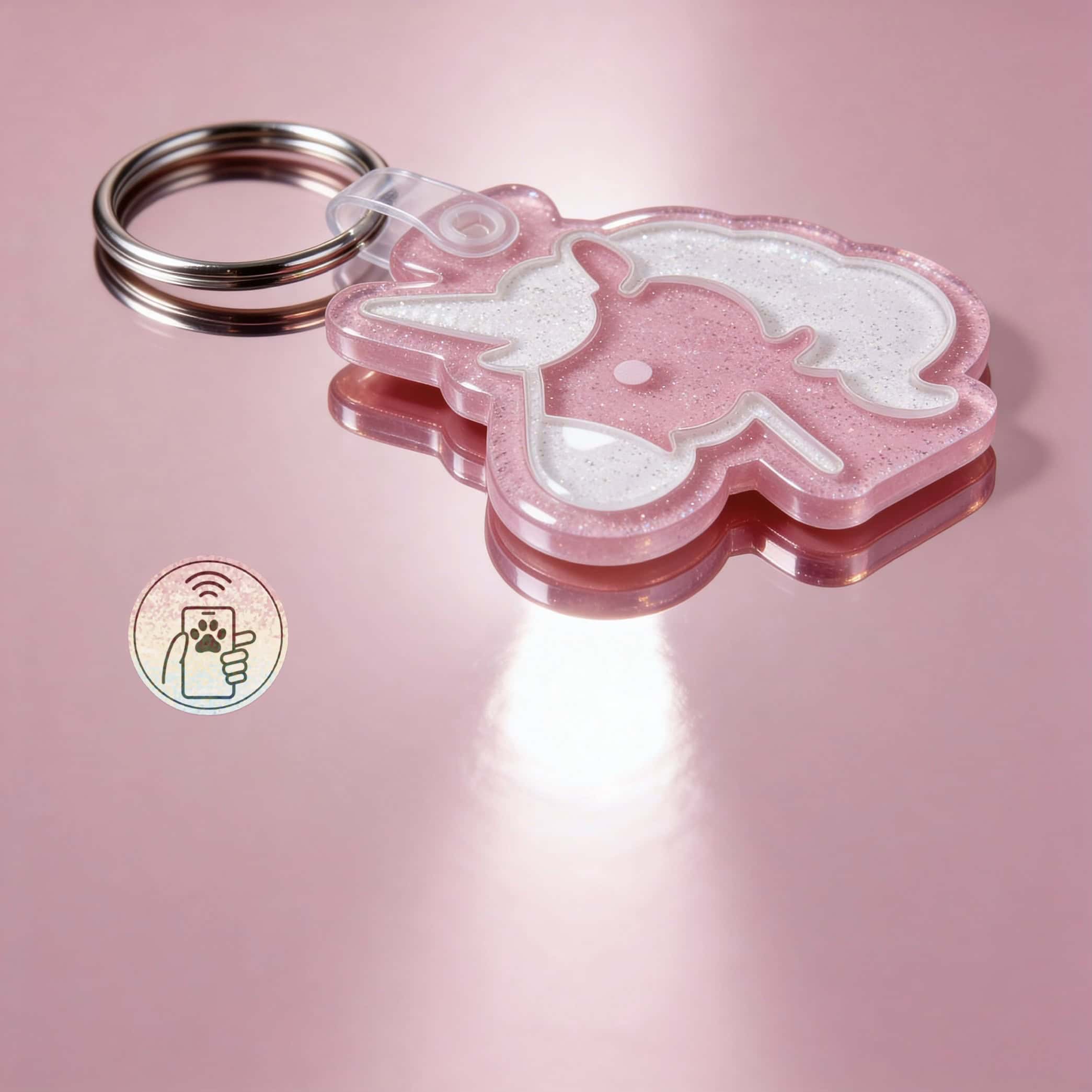
Indoor cats slip out too. A Shiloh’s House smart tag lets anyone who finds your cat tap it with any phone, no app needed, to see your contact info and your cat’s medical notes, like a special diet. No battery, no subscription, and your number is laser-engraved on the back as a backup.
Trixie Activity Fun Board Best overall
Five puzzle types share one base: fish bowl style globes, pegs, an alley, a tongue and a tunnel. That variety matters, because the JFMS authors recommend trying several puzzle types to learn what your cat prefers.
Non-slip rubber feet keep it in place, and Chewy’s Q&A lists it as dishwasher safe. Chewy recommends dry treats but says regular dry food works too, which helps prevent overfeeding. It is sized for cats of roughly 6 to 11 pounds. It was about $16 at Chewy when we checked, rated 4.3 stars from more than 1,200 ratings.
Buy this one if you want several kinds of challenge in one puzzle and mostly feed dry food.
Petstages Kitty Slow Feeder Best for beginners and wet food
If your cat has never worked for a meal, start here. This maze bowl holds up to 3/4 cup of wet or dry food, so it is only a little harder than a bowl, which is what the review says a first puzzle should be.
Outward Hound says it is BPA, PVC and phthalate free, top-rack dishwasher safe and slip resistant, and claims it keeps cats engaged up to 10 times longer at mealtime. It is for cats only and is not a chew toy. We saw it for $3.50 at Outward Hound, down from $6.99.
Buy this one if your cat eats wet food, eats too fast or needs an easy first win.
PetSafe SlimCat Best rolling feeder
This is the classic rolling feeder: a ball that drops kibble or treats as your cat bats it around. PetSafe says it holds a whole meal (2/3 cup) and has adjustable openings, so you can start wide open, as the review advises, and close them down later.
It is BPA-free plastic and top-rack dishwasher safe. Rolling feeders are noisier than stationary ones, so the review suggests keeping them away from the bedroom at night. It was $7.95 at PetSafe.
Buy this one if your cat loves to bat things around, pushes toys with its nose or needs to move more.
Catit Senses 2.0 Digger Best step-up puzzle
This stationary puzzle is built around tubes: you drop kibble or treats in, and your cat sniffs them out and paws them free. It comes with five tubes, three short and narrow and two long and wide, and Catit says swapping them changes the difficulty.
It measures 18.3 by 18.3 by 4.2 inches, sits on a stable sloped base and is BPA-free. Catit says the rounded tube ends are easy to clean, but its page lists no dishwasher rating and no price.
Buy this one if your cat already scoops things out with a paw and has outgrown an easy bowl.
Doc & Phoebe’s Indoor Hunting Feeder Best for natural hunting
This kit swaps one puzzle for a hunt: three feeders with fabric skins, a scoop and a trainer feeder. You fill them with dry food or treats, hide them around the house morning and evening, and your cat finds them by smell and paws out the kibble.
Chewy calls it veterinarian-designed; the BPA-free feeders are top-rack dishwasher safe and the skins are machine washable. It is dry food only and, per Chewy’s FAQ, meant for cats with a dog-free place to hunt. Reviews are mixed, at 3.7 stars from more than 600 ratings. It was about $16 at Chewy, down from $24.99.
Buy this one if your cat is a confident eater who loves to stalk, and you’re happy to hide feeders twice a day.
Cat Amazing Classic Best advanced puzzle
You drop food, treats or a small toy into this cardboard maze, and your cat fishes them out through holes that Chewy’s Q&A puts at about 1.5 to 2 inches across. Chewy says it offers multiple difficulties.
It is 30 percent recycled cardboard printed with certified metal-free inks, which Chewy says makes it safe to chew. Cardboard can’t be scrubbed, so keep it to dry food and treats. It was $15.95 at Chewy, rated 3.9 stars from 943 ratings.
Buy this one if your cat clears other puzzles in minutes.
The six picks at a glance
| Puzzle | Type | Food | Our difficulty rating | Price when we checked |
|---|---|---|---|---|
| Trixie Activity Fun Board | Stationary, five activities | Dry treats or kibble | Easy to moderate | About $16 at Chewy |
| Petstages Kitty Slow Feeder | Stationary maze bowl | Wet or dry, up to 3/4 cup | Easy | $3.50 at Outward Hound |
| PetSafe SlimCat | Mobile ball | Dry food or treats, 2/3 cup | Easy to moderate (adjustable) | $7.95 at PetSafe |
| Catit Senses 2.0 Digger | Stationary tubes | Kibble or treats | Moderate to hard (swap tubes) | Varies by retailer |
| Doc & Phoebe’s Indoor Hunting Feeder | Mobile, hidden around the house | Dry food or treats only | Moderate | About $16 at Chewy |
| Cat Amazing Classic | Cardboard maze | Food, treats or a small toy | Hard | $15.95 at Chewy |
How to introduce a puzzle so your cat doesn’t give up
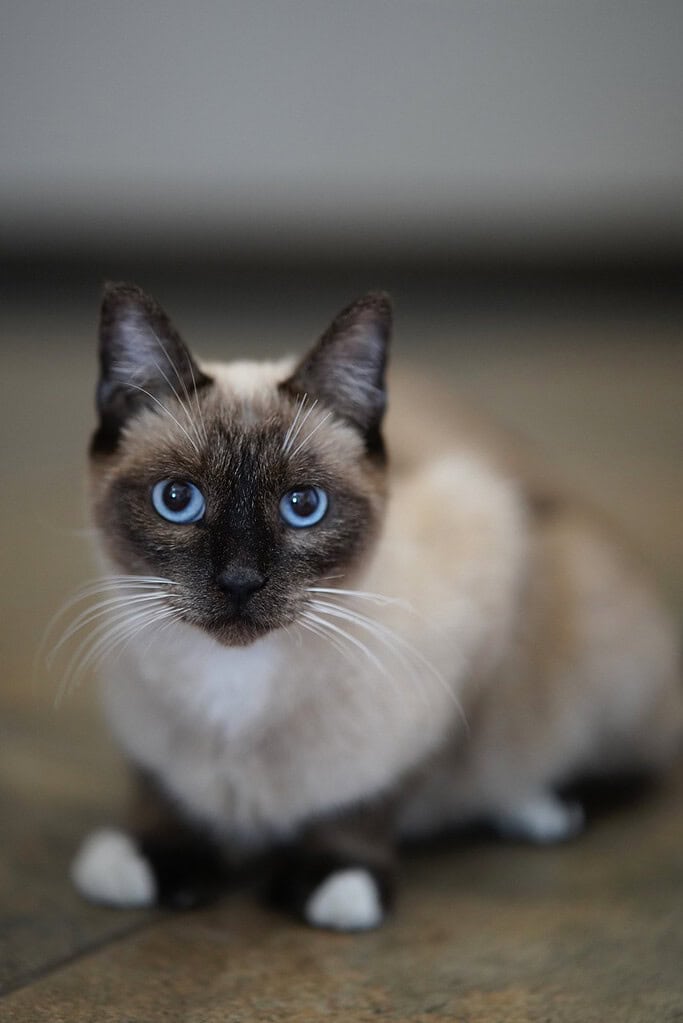
Make the first try as easy as the bowl. Dantas and colleagues say the cat should do very little work at first: fill the puzzle as full as possible, open the largest holes, choose one that rolls easily, and let stationary cups overflow.
Offer it when your cat is likely to be hungry, with a favorite treat inside to build interest, then switch to the regular food once your cat gets the idea. For dry-food puzzles, scatter some kibble around the puzzle so your cat bumps it while eating and learns that moving it releases food.
Keep the bowl in the picture. The authors suggest setting the puzzle next to the usual bowl with the usual food, then moving more of each day’s ration into puzzles once your cat succeeds without signs of stress. Nervous cats may prefer a quiet room. For slow starters, leave handfuls of dry food where your cat already spends time, like cat condos, windowsills and beds.
Raise the difficulty only when the current setup looks easy. The review warns that frustration can push some animals toward fear or aggression when a problem seems impossible, while tasks that are too easy can lead to boredom. Fewer or smaller holes, carpet instead of a hard floor, or a small puzzle inside a bigger one all add challenge. The authors recommend puzzles as one part of a wider enrichment plan, so keep up play too; our guide to the best cat toys can help.
Overweight cats, seniors and homes with other pets
AAHA notes that puzzle feeders make mealtime more engaging and physically stimulating. But AAHA advises that cats lose no more than 1 to 2 percent of body weight per week, and warns that they are particularly susceptible to hepatic lipidosis (fatty liver disease), which can be life-threatening. Measure the day’s food, then split it between puzzles; our guide on how much to feed a cat has the amounts.
The JFMS authors warn that missing several meals could be dangerous for vulnerable cats, particularly overweight ones, so watch closely while a puzzle is new. Until your cat adapts, feed part of the ration from a bowl, or wet food from a dish and dry food from puzzles.
Keep puzzles on open floor for older, arthritic cats, since the review notes that tubs and bins can be hard for cats with mobility problems. Give each cat in the house its own puzzle so no one has to compete or eat side by side. With a dog, use a baby gate the cat can jump over or crawl under but the dog can’t, and give the dog its own foraging toy from our best dog puzzle toys list.
How to clean a cat puzzle feeder
Treat a puzzle like a bowl. The FDA advises washing pet food bowls and utensils with soap and hot water after each use and promptly refrigerating or throwing out leftover canned food, which matters most with wet food stuck in ridges and wells.
Four of our six picks can go in the dishwasher; wash the Digger by hand and keep the cardboard Cat Amazing for dry food. To save time, the review suggests filling a week of dry-food puzzles at once and storing them in airtight bins.
Frequently asked questions
Are puzzle feeders good for cats?
For most cats, yes. A 2016 review in the Journal of Feline Medicine and Surgery calls food puzzles relatively easy to use with few risks, and its authors saw weight loss and calmer behavior in cats they treated, often alongside other changes.
Can my cat eat every meal from a puzzle feeder?
Yes, eventually. Food puzzle researchers say the goal is for all daily food to come from puzzles once your cat uses them reliably without signs of stress. Get there gradually and keep some food in the bowl at first.
Do slow feeders help cats that eat too fast?
They can. A maze bowl like the Petstages Kitty Slow Feeder makes a cat work food out of ridges, and researchers have reported food puzzles slowing cats’ eating. If your cat often vomits after meals, see your vet.
Can kittens and senior cats use food puzzles?
Yes. Researchers have seen kittens, senior cats, three-legged cats and blind cats use food puzzles. Start with an easy design and raise the difficulty slowly.
Sources
- Journal of Feline Medicine and Surgery — Food puzzles for cats: Feeding for physical and emotional wellbeing (Dantas, Delgado, Johnson & Buffington, 2016)
- American Animal Hospital Association — Feline Fitness: How to Help Your Cat Lose Weight
- U.S. Food and Drug Administration — Tips for Safe Handling of Pet Food and Treats
- Chewy — TRIXIE Activity Fun Board 5-in-1 Activity Strategy Game Cat Toy
- Outward Hound — Petstages Kitty Slow Feeder Cat Bowl
- PetSafe — SlimCat Interactive Feeder
- Catit — Catit Senses 2.0 Digger
- Chewy — Doc & Phoebe’s Cat Co. Indoor Hunting Cat Feeder Kit
- Chewy — Cat Amazing Interactive Treat Maze & Puzzle Cat Toy