Why Does My Dog Eat Dirt? Causes, Risks and How to Stop It
 Shiloh’s House Team
·
·
10 min read
Shiloh’s House Team
·
·
10 min read
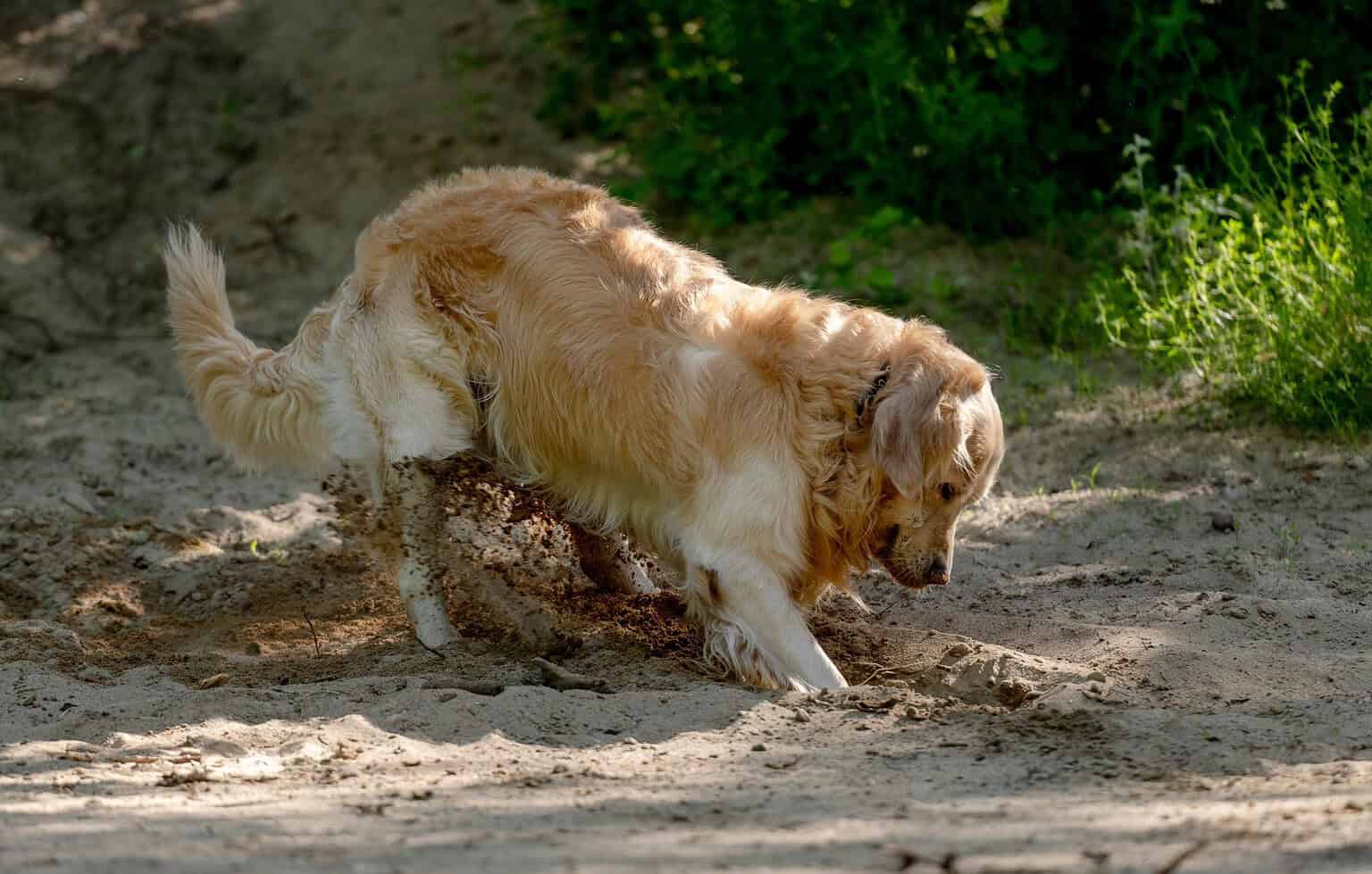
Dogs eat dirt out of boredom or anxiety, because their diet is missing something, because of a medical problem such as anemia, or to deal with an upset stomach, and puppies do it while exploring. A mouthful once or twice is unlikely to hurt, but dirt can hide parasites, pesticides and rocks. Eating dirt often, suddenly or in large amounts calls for a vet visit.
Why does my dog eat dirt?
You’re not the only one asking. Hill’s calls dirt eating a fairly common behavior in dogs, and vets file it under pica, the habit of eating things that aren’t food. PetMD calls the dirt-and-mud version geophagia.
Dirt eating is a form of what is termed ‘pica,’ the ingestion of nonfood materials. There are many causes, including nutritional, behavioral, and physical. Stress or boredom can also lead to eating all sorts of things, including dirt.
Laurie S. Coger, DVM, holistic veterinarian, via the American Kennel Club
That’s the useful way to think about it: the dirt is a symptom, and the fix depends on the cause. A bored dog needs more to do, a dog on an incomplete diet needs a better bowl, and a dog with anemia or a stomach problem needs a vet.
Age gives you a first clue. VCA notes that eating non-food items can be a normal part of how puppies explore. An adult dog that suddenly starts eating dirt is a different story, and PetMD treats a sudden or frequent habit as a reason to see the vet. For seniors, PetMD lists cognitive decline, a reduced ability to absorb nutrients with age, and medications that increase hunger as possible causes.

Boredom, anxiety and good smells
Start with behavior. PetMD says dogs that don’t get enough exercise or enrichment may eat dirt to occupy their time, and that anxiety can drive it too. Dr. Coger names stress and boredom, and VCA adds anxiety and frustration to its list of behavioral causes of pica.
Some dogs are after something in the dirt rather than the dirt itself. Hill’s says a dog may have smelled something tasty mixed into the mud. Gardens add temptation: the AKC notes that organic fertilizers such as bone meal, blood meal, fish emulsion and manure can be appetizing for dogs, and that the smell of moldy compost can be tempting too.
Habits also spread. Dr. Coger notes that dogs learn from other dogs in the house, and she advises acting quickly on any new behavior like dirt eating, both because of possible underlying causes and before it becomes a habit.
Is my dog eating dirt because of a deficiency?
It can be. PetMD says dietary deficiencies can lead dogs of any age to eat dirt to get minerals such as sodium, iron and calcium, and that underfed dogs may eat dirt and other objects out of hunger. The AKC’s list of possible causes includes nutritional imbalances or deficiencies, especially in minerals, and low-quality food, and VCA counts malnutrition or an imbalanced diet among the medical causes of pica.
Don’t guess. Start with the food: PetMD suggests one that meets World Small Animal Veterinary Association (WSAVA) guidelines, is made by an experienced and reputable manufacturer, and is AAFCO compliant. If you suspect a nutritional problem, the AKC’s advice is to talk to your vet about your dog’s diet and whether it needs to change. VCA adds that a higher-fiber diet may help some dogs feel fuller and less driven to look for other things to eat.
Bloodwork can help. Dr. Coger notes that bloodwork to look for underlying abnormalities may help pinpoint a cause, and Hill’s points out that blood work is the only reliable way to diagnose anemia.
Anemia, an upset stomach and other medical causes
Anemia, a low red blood cell count, is on the AKC, PetMD and VCA lists. PetMD says anemic dogs may seek out minerals in dirt, and names hookworms, flea infestations, tick-borne disease, cancer, immune-mediated diseases and bleeding disorders among its causes. VCA lists pale gums and weakness as possible signs.
There’s a loop worth knowing about. Hookworm larvae live in soil, and the Companion Animal Parasite Council (CAPC) says dogs can swallow them while eating dirt. Hookworms then feed on blood, causing internal blood loss. So a dirt-eating dog can pick up the very parasite that leads to anemia, which can drive more dirt eating.
An upset stomach is another trigger. PetMD says dogs with gastritis sometimes eat dirt or grass to try to make themselves vomit, though Dr. Coger notes that dogs with stomach trouble are more likely to seek out grass than dirt; our guide to why dogs eat grass covers that habit. VCA’s list of medical causes of pica also includes inflammatory bowel disease, intestinal parasites, liver shunts, exocrine pancreatic insufficiency, diabetes, Cushing’s disease, and drugs such as corticosteroids and phenobarbital.
Not tagged yet?
A Shiloh’s House smart tag lets anyone who finds your dog tap it with any phone, no app needed, and see your contact info plus the medical notes you keep in the free Lohji app. If your dog will eat anything off the ground, or has a condition like anemia, one line there tells a finder what to watch for. No battery, no subscription.
Is it bad for dogs to eat dirt?
A little, once or twice, will likely not harm your dog, PetMD says, but it should still be discouraged because of what dirt can carry. The AKC calls intestinal impaction the main risk when a dog eats a lot at once, and impaction often means surgery. Rocks can damage teeth or cause an obstruction anywhere from the throat down, and sharp sticks can puncture the mouth, throat, stomach or intestines.
Parasites are the quieter risk. PetMD lists Capillaria, Giardia, hookworms, roundworms and whipworms among the soil-dwelling parasites dirt-eating dogs can pick up, and CAPC notes that roundworm eggs can build up in large numbers in soil where pets defecate. CAPC recommends removing feces regularly; if your dog eats poop as well as dirt, see our guide to why dogs eat poop. Our guide to fall plants and yard hazards covers what else to watch for in the garden.
| What’s in the dirt | Why it matters | What to do |
|---|---|---|
| Parasites (hookworm larvae, roundworm eggs, whipworms, Giardia) | Hookworms cause internal blood loss; heavy roundworm infections can cause diarrhea, vomiting and weight loss, especially in puppies | Year-round parasite prevention and regular fecal checks with your vet |
| Lawn pesticides | Most cause stomach upset, but organophosphate or carbamate products can cause serious neurologic signs | Keep your dog off treated grass until it’s completely dry; read labels |
| Fertilizers | Usually an upset stomach; large amounts can cause severe vomiting, diarrhea and neurologic signs, and iron-rich ones such as blood meal can cause organ damage | Apply carefully, store bags out of reach, and call a poison line if your dog eats some |
| Moldy compost | Can contain tremorgenic mycotoxins; even a small amount can cause fast-acting tremors and seizures | Keep the bin closed or fenced; treat any ingestion as an emergency |
| Cocoa bean mulch | Contains theobromine, the ingredient that makes chocolate dangerous for dogs, plus caffeine | Choose another mulch, such as pine straw |
| Slug and snail bait | Metaldehyde, the common active ingredient, is toxic to dogs and can be fatal without early treatment | Don’t use it; see a vet immediately if your dog eats any |
| Rocks, sticks and large amounts of dirt | Can break teeth, cause choking, or block or puncture the digestive tract | Call your vet right away if you suspect a blockage |
When to call the vet about a dog eating dirt
PetMD’s list of reasons to see the vet: eating dirt frequently or suddenly, a decreased appetite, straining to poop or irregular bowel movements, lethargy, pale gums (a sign of anemia), and vomiting multiple times in 24 hours, especially soon after eating or drinking. Dr. Coger adds dirt eating that’s intense or manic or involves large quantities, and changes in stool.
VCA says the vet will review your dog’s history, diet and behavior and do a physical exam. The workup can include X-rays to look for an obstruction and blood, urine and fecal tests for an underlying disease. If no medical cause turns up, VCA says your vet may refer you to a veterinary behaviorist.
How to stop your dog eating dirt

Rule out medical causes first, then work on the behavior. For boredom, the AKC’s fix is more physical and mental exercise. PetMD recommends plenty of exercise, toys and puzzles, and VCA suggests serving meals in feeding toys instead of a bowl. Our roundup of the best dog puzzle toys is a good place to start.
Supervise outdoors. PetMD suggests keeping your dog on a leash and harness on walks and teaching “leave it,” and VCA recommends positive-reinforcement training with “drop it” and “leave it.” Skip punishment: VCA warns it can increase anxiety and make the behavior worse. Hill’s suggests interrupting with a verbal command or offering a chew toy instead.
Block the buffet. Dr. Coger says denying access to favorite dirt-eating areas may be required, and VCA mentions physical barriers. In practice, that can mean a low fence around garden beds and a closed compost bin, and Hill’s suggests moving houseplants out of reach. If your dog digs as well as eats, our guide to why dogs dig covers the digging side.
Stay on top of parasite prevention. PetMD calls year-round heartworm and flea and tick prevention a must, and CAPC notes that most monthly heartworm preventives also treat and prevent hookworms. For anxious dogs, PetMD says your vet may recommend medication or a behaviorist. For determined scavengers, VCA notes that some dogs can be trained to wear a basket muzzle.
Frequently asked questions
Is it bad for dogs to eat dirt?
A small amount once or twice will likely not harm your dog, PetMD says, but it should still be discouraged. Dirt can carry parasites, pesticides, fertilizers and other toxins, and rocks or sticks in it can break teeth, cause choking or block the gut.
What deficiency makes dogs eat dirt?
PetMD says dogs with dietary deficiencies may eat dirt to get minerals such as sodium, iron and calcium, and anemic dogs may seek out minerals in dirt too. Ask your vet to review your dog’s diet and run bloodwork before changing foods or adding supplements.
Why is my puppy eating dirt?
VCA notes that eating non-food items can be a normal part of how puppies explore. Supervise outdoor time, reward “drop it” and “leave it,” and keep deworming on schedule; CAPC recommends treating puppies for hookworms and roundworms at 2, 4, 6 and 8 weeks of age.
Why is my senior dog suddenly eating dirt?
PetMD lists cognitive decline, a reduced ability to absorb nutrients with age, and medication side effects that increase hunger or trigger odd cravings. Any sudden new habit in an older dog is worth a vet visit.
Why does my dog eat dirt and grass?
Both can follow an upset stomach. PetMD says dogs with gastritis sometimes eat dirt or grass to try to make themselves vomit, though a veterinarian cited by the AKC says dogs with stomach trouble are more likely to seek out grass. See your vet if either habit is frequent or comes with vomiting.
Sources
- American Kennel Club — Why Does My Dog Eat Dirt?
- PetMD — Why Do Dogs Eat Dirt?
- VCA Animal Hospitals — Pica in Dogs
- Hill’s Pet Nutrition — Why Is My Dog Eating Dirt?
- American Kennel Club — How to Keep Your Dog Safe in Your Yard
- ASPCA — Can You Dig It? Compost and Fertilizer Pet Safety Tips
- Companion Animal Parasite Council (Pets & Parasites) — Hookworms
- Companion Animal Parasite Council (Pets & Parasites) — Roundworms