Super Bowl Party Pet Safety: Foods, Noise and Open Doors
 Shiloh’s House Team
·
·
16 min read
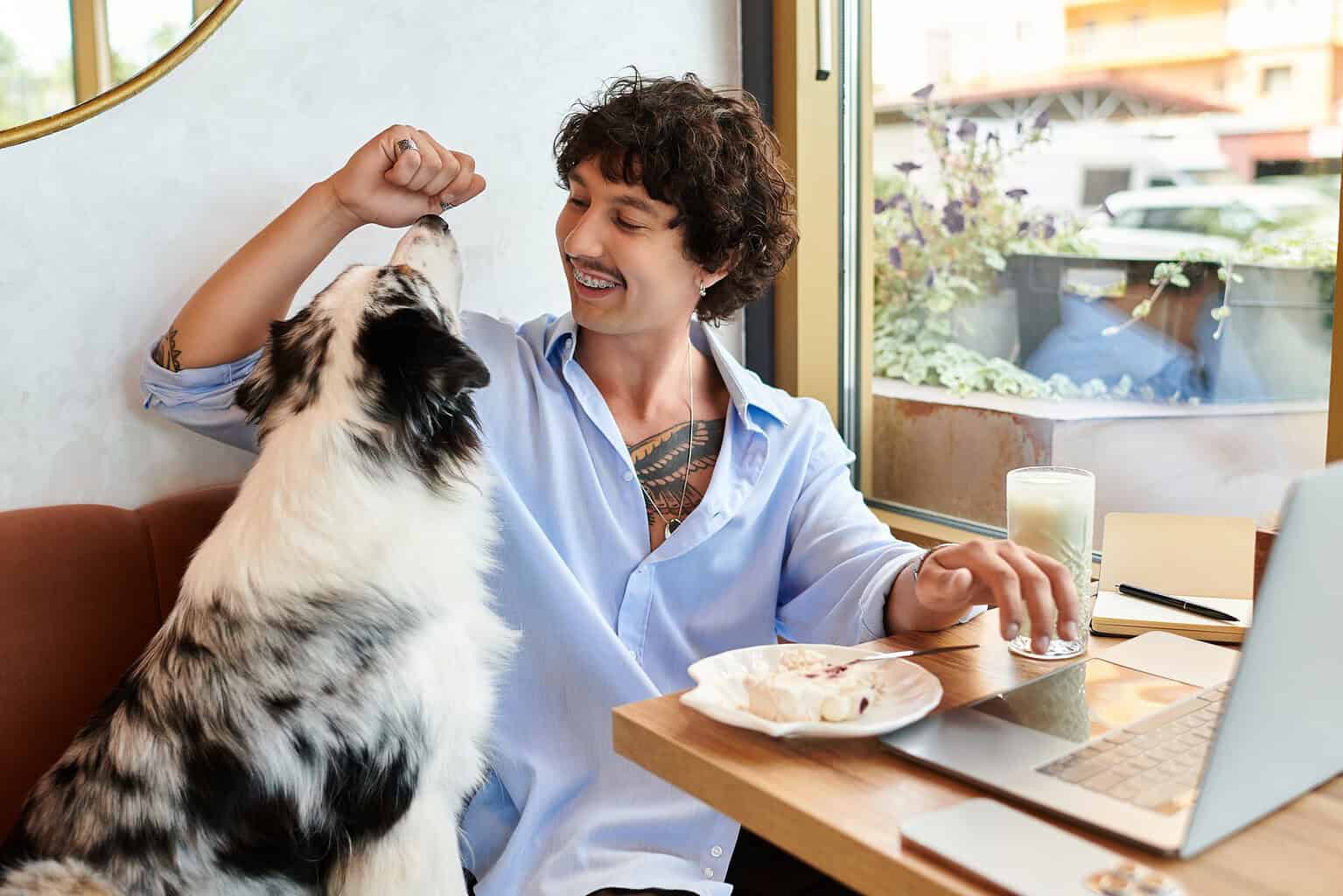
The safest Super Bowl party for a pet is one where the food, drinks and trash stay out of reach and the pet stays in a quiet room wearing ID. Game-day spreads are full of real hazards, from cooked wing bones and corn cobs to onion dips, chocolate, xylitol and alcohol. Guests add a second risk: a front door that keeps opening. If your pet eats something worrying, call your vet or a pet poison hotline right away.
Last updated: January 2026
Super Bowl LX kicks off on Sunday, February 8, 2026, at Levi’s Stadium in Santa Clara, California, with kickoff set for 6:30 p.m. Eastern. For millions of households that means a living room full of friends, a coffee table full of wings and dip, and a lot of cheering. For dogs and cats, it means a long evening of tempting smells, unattended plates, loud noise and strangers walking in and out.
The good news is that almost every game-day emergency is preventable with a little planning. Below we walk through the foods that cause the most trouble, a quick-reference table of what each one does and what to do about it, how to stop a door-dash before it starts, how to keep anxious pets calm, and exactly who to call if something goes wrong. There is also a pre-party checklist you can run through on Sunday afternoon.
Which Super Bowl foods are dangerous for dogs and cats?
Human food is one of the most common reasons pet owners call poison control in any month, and a Super Bowl party puts more of it within reach than almost any other day. Based on the calls it receives, the ASPCA Animal Poison Control Center (APCC) has named the five most common Super Bowl Sunday exposures: alcohol, garlic and onion, cannabis, rich food and human medications. One APCC consulting veterinarian put it bluntly: “We see a large number of drunk dogs.”
The usual game-day lineup that worries veterinarians includes:
- Chicken wings and ribs. Cooked bones splinter, and the sauces and fat upset stomachs.
- Guacamole. Avocado can cause stomach upset in dogs and cats, the pit can block the intestines, and avocado is dangerous for pet birds.
- Onion and garlic dips. Raw, cooked or powdered, these can damage red blood cells. Cats are especially sensitive.
- Chocolate desserts. Brownies and cookies contain theobromine and caffeine. The darker the chocolate, the more dangerous it is.
- Sugar-free desserts and gum. Xylitol can crash a dog’s blood sugar and damage the liver.
- Alcohol. Beer, cocktails and spiked punch are absorbed quickly and can be life-threatening.
- Raw pizza or bread dough. Yeast dough rises in the stomach and produces alcohol as it ferments.
- Chips, pretzels and salty snacks. Large amounts of salt can cause sodium toxicity.
- Grapes, raisins and macadamia nuts. Often hiding in fruit trays, trail mix and cookies.
- Pizza, cheese dip and fried food. High-fat food is a classic trigger for pancreatitis.
It is not only the food on the table. The ASPCA notes that pets often find leftover edibles, drinks and snacks the Monday after the game, when guests have left something behind and the house is quiet.
How risky is each game-day food, and what should you do?
Not every stolen chip is an emergency. This table sums up what veterinary toxicologists at the ASPCA, VCA Animal Hospitals and Cornell say about the most common Super Bowl foods. When in doubt, call.
| Food or item | Main risk | When signs show up | What to do |
|---|---|---|---|
| Cooked chicken wing or rib bones | Splinters that puncture the gut, choking, blockage | Hours to a few days | Call your vet; do not make your pet vomit |
| Corn cobs, avocado pits, skewers, toothpicks | Intestinal obstruction or perforation, often needing surgery | Hours to days (vomiting, straining, belly pain) | See a vet promptly, even if your pet seems fine |
| Onion, garlic, chives (dips, wings rubs, pizza) | Red blood cell damage and anemia; cats most sensitive | Stomach upset early; anemia can lag by days | Call poison control with the amount eaten |
| Chocolate (brownies, cookies, cocoa) | Vomiting, racing heart, tremors, seizures; about 1 oz of dark or baker’s chocolate can affect a mid-sized dog | Usually within hours | Note the type and amount, call right away |
| Xylitol (sugar-free gum, candy, baked goods) | Low blood sugar, then possible liver damage | Can be fast; liver damage within 12–24 hours | Emergency: call and head to a vet |
| Alcohol and raw yeast dough | Wobbliness, low blood sugar and temperature, breathing trouble; dough can bloat the stomach | Fast, often within an hour | Emergency: call and head to a vet |
| Grapes and raisins | Kidney injury in dogs | Vomiting early; kidney damage can follow | Call right away, even for a few |
| Macadamia nuts | Weakness, wobbly hind legs, tremors, fever | Within about 12 hours; recovery in 24–72 hours | Call your vet or poison control |
| Wings, pizza, cheese dip, chips | Stomach upset, pancreatitis, salt toxicity in large amounts | Hours to a day or two | Watch closely; call if vomiting, belly pain or lethargy |
| Guest medications, cannabis edibles | Wide range, from sedation to organ damage | Often within hours | Bring the package or bottle and call immediately |
Watch the harmless-looking items: fruit trays often include grapes, and sugar-free desserts and gum may contain xylitol. If your pet is a confirmed food thief, it is worth reviewing which fruits are actually safe, like the guidance in our article on whether dogs can eat apples, so you have a safe snack to offer instead.
Why are chicken wing bones, skewers and corn cobs so dangerous?
Toxins get most of the attention, but the injuries emergency vets see on game day are often mechanical. Cooked bones become brittle. VCA Animal Hospitals explains that cooked chicken bones can break into shards that puncture the esophagus, stomach or intestines, or lodge in the gut and cause a blockage. A dog that finds a plate of wing bones on a low coffee table can swallow a dozen before anyone notices.
Corn cobs are a classic. Cornell’s Riney Canine Health Center calls corn cobs one of the most common causes of intestinal blockage in dogs, and VCA notes they are the perfect size and shape to plug the intestines completely. Avocado pits from the guacamole bowl are another smooth, swallowable object. Wooden skewers and toothpicks from sliders and appetizer bites can pierce through the gut wall, and even foil or plastic wrap with grease on it is tempting enough to swallow.
“Super Bowl celebrations are lots of fun for us, and usually our pets, but do include some unusual dangers or risks. Primarily we see cases of dietary indiscretion with intentional or accidental feeding of people food to pets resulting in gastroenteritis, pancreatitis and gastrointestinal foreign bodies.”
Kevin Kelley, DVM, senior emergency clinician, BluePearl Specialty and Emergency Pet Hospital, quoted in dvm360
The trash is where many of these items end up, which is why it is the most dangerous object in the house by halftime. Use a can with a locking lid, or put the trash bag in a closed pantry or garage. Take full bags out to the outdoor bin during the game rather than leaving them by the back door.
What can go wrong when guests keep opening the front door?
A Super Bowl party is a parade of arrivals: guests with coolers, trips to the car for ice, halftime breaks outside and the pizza delivery. Each is a few seconds when the door is open and nobody is watching the pet. A dog excited by the crowd, or startled by a touchdown roar, can be down the street before anyone looks up.
February adds to the risk. In much of the country it is dark and cold by kickoff, and cats that bolt tend to hide nearby in silence. The plan is to make an escape unlikely and, if it happens anyway, make it easy for a stranger to get your pet home.
Set up a safe room before the first guest arrives
For most pets, the single most effective step is a closed room away from the front door. A bedroom, office or laundry room works well. Put in your pet’s bed, water, a favorite toy or food puzzle, and for cats a litter box and a hiding spot. Play white noise or soft music to cover the cheering. Move your pet in before people arrive, not after the doorbell has already started ringing, and put a simple sign on the door so guests do not wander in looking for the bathroom.
If your dog is social and you want them at the party, keep them on a leash or behind a baby gate during arrival times and halftime, which are the busiest door moments. Assign one person, not “everyone,” to watch the dog for each quarter.
Make sure your pet is wearing current ID
Your pet should be wearing a collar with an ID tag that has your cell phone number on it, even indoors, during any party. Collars come off at home more than people admit, and a pet that escapes without one is anonymous to whoever finds it. Our checklist for what to put on a dog ID tag covers the details: your pet’s name, a mobile number you will actually answer, and a backup contact if you have room.
A microchip is the permanent backup, but only if the registration is current. In a study of more than 7,700 microchipped animals entering 53 shelters, published in the Journal of the American Veterinary Medical Association, stray dogs with microchips went home 52.2 percent of the time, compared with 21.9 percent for strays overall. For cats the gap was even wider, 38.5 percent versus 1.8 percent. The catch is that only 58.1 percent of the chips checked with a registry were actually registered, and the most common reason owners could not be found was a wrong or disconnected phone number. Take two minutes this week to confirm your number with the registry. Our guide on microchips versus smart tags explains why the two work best together.
Why a tap-to-call tag helps on a busy night
A microchip needs a scanner at a shelter or clinic, which may be closed on a Sunday night. A smart tag lets the neighbor who catches your dog tap it with a phone and call or text you right away. If you are comparing options, our breakdown of the best smart pet tags covers NFC, QR and GPS styles.
Finally, tell guests the house rules: close the door behind you, do not let the dog follow you out, and leave the safe room door shut.
How do you keep a dog or cat calm during a loud party?
Even pets that love people can be overwhelmed by a full house, sudden shouting and a TV turned up for the halftime show. Board-certified veterinary behaviorist Dr. Wailani Sung, writing for PetMD, notes that some stressed pets have episodes of vomiting or stress colitis for several days after a gathering, and some hide until they are sure the strangers are gone.
Signs that a dog is struggling include panting, pacing, drooling, yawning, lip licking, a tucked tail, barking at guests or frantic, over-the-top excitement. Cats show stress by hiding, flattening their ears, twitching their tails or swatting at hands. The American Kennel Club points out that the jumping and yelling that a close game inspires can feel threatening to dogs, and advises giving an over-aroused dog a break rather than scolding them.
- Give your dog a long walk or play session before guests arrive so they are ready to rest.
- Practice sending your pet to their safe space with a cue and a treat in the days before the game.
- Offer a long-lasting food puzzle or lick mat in the safe room. Skip rawhide and cooked bones.
- Check on a stressed pet every 30 to 60 minutes, as Dr. Sung suggests, and spend a few calm minutes with them.
- Ask guests, especially children, to let cats approach on their own terms and to leave a hiding pet alone.
If your pet becomes very anxious around guests every time, talk to your veterinarian before the next big event. There are behavior plans and medications that can help.
Are football jerseys and costumes safe for pets?
A tiny team jersey makes a great photo, but only for pets that genuinely tolerate clothing. The ASPCA recommends that any pet outfit should not restrict movement, sight, hearing or the ability to breathe, bark or meow. Check for small, dangling or easily chewed pieces such as buttons, numbers that peel off or tassels, which can become choking hazards. Ill-fitting outfits can twist or catch on furniture, so have your pet try it on before Sunday and never leave a dressed-up pet unattended.
If your pet freezes, scratches at the outfit, walks low to the ground or tries to hide, take it off. A team-colored bandana is an easy compromise. Keep human party accessories like noisemakers, foam fingers and face paint out of reach too. If you dressed your pet up in October, the same rules from our Halloween pet safety guide apply here.
One practical note: make sure the jersey or bandana does not cover or replace the collar with your pet’s ID tag. The outfit is decoration. The tag is what gets a lost pet home.
Game day ID that works at any hour
Open doors and dark February nights are when pets slip away. A Shiloh’s House Smart Tag is laser-engraved with your pet’s name, phone and address, and anyone who finds your pet can tap it with a modern phone to open a live profile with one-tap call, text and directions, medical notes and multiple emergency contacts. No app needed to scan it. $38, made in the USA.
What should you do if your pet ate something at the party?
First, stay calm and move your pet away from whatever they got into. Then gather the facts poison control will ask for: what was eaten, roughly how much, when it happened, and your pet’s weight. Save the wrapper, the label or a photo of the dish. For guest medications, get the bottle so you know the drug and strength.
Next, call. You have three options, and all of them are open on Super Bowl Sunday:
- Your veterinarian or the nearest 24-hour emergency clinic. Look up the emergency clinic’s number and address before the party, so no one has to search for it in a panic.
- ASPCA Animal Poison Control Center, (888) 426-4435. Open 24 hours a day, 365 days a year. A consultation fee applies, about $95 as of early 2026.
- Pet Poison Helpline, (855) 764-7661. Also open around the clock, with a per-incident fee of about $89 as of early 2026 that includes follow-up calls.
Do not try to make your pet vomit with hydrogen peroxide, salt or anything else unless a veterinarian or poison control specialist tells you to. Vomiting can make some situations worse, especially with sharp bones, skewers or a pet that is already drowsy.
Keep a basic kit on hand, too. Our pet first aid kit checklist lists the supplies worth having, and our pet emergency preparedness plan explains how to keep your vet records and contacts in one place.
What should be on your pre-party pet safety checklist?
Run through this list on Sunday afternoon, before the first guest arrives:
- Safe room ready with water, bed, toys, litter box for cats and white noise.
- Pet wearing a collar with a current ID tag; microchip registration confirmed.
- Vet, emergency clinic and both poison control numbers saved in your phone.
- Food served on counters or a high table, not the coffee table.
- Trash can with a locking lid, or the bag behind a closed door.
- A labeled bowl of pet-safe treats for guests to share.
- Guest coats, purses and backpacks in a closed room, since bags often hold medications and gum.
- Drinks kept in hands or on high surfaces, never on the floor.
- One person assigned to watch the pet or the door each quarter.
- A quick sweep of the floor, yard and couch cushions after the party and again Monday morning.
Frequently asked questions
Can my dog eat chicken wings if I take the meat off the bone?
A small piece of plain, unseasoned chicken meat is not dangerous for most dogs. The trouble with wings is the cooked bones, which can splinter, and the sauces and rubs, which are often fatty, spicy or made with garlic and onion. Wing meat with sauce can cause stomach upset or pancreatitis. Plain cooked chicken breast is a better choice.
Is guacamole toxic to dogs and cats?
The ASPCA says avocado can cause stomach upset in dogs and cats, and the fat can contribute to pancreatitis if enough is eaten. The bigger concerns are the pit, which can block the intestines, and the onion and garlic often mixed into guacamole. Avocado is much more dangerous for pet birds, rabbits and horses.
What happens if my dog drinks beer at a party?
Alcohol is absorbed quickly in dogs. The ASPCA warns it can cause vomiting, wobbliness, low body temperature, breathing trouble and, in large amounts, coma or death. Small dogs are at higher risk because a few laps is a big dose for their size. Call your vet or a poison hotline right away, even if your dog seems only a little unsteady.
How much does pet poison control cost?
Both main US hotlines charge a fee because they do not receive government funding. As of early 2026, ASPCA Animal Poison Control at (888) 426-4435 charged about $95 per case, and Pet Poison Helpline at (855) 764-7661 charged about $89 per incident, including follow-ups. Fees can change, and some pet insurance plans reimburse them.
Should I put my dog in another room during the Super Bowl?
For most dogs, yes, at least during guest arrivals, halftime and the end of the game. A quiet room with water, a bed, a chew toy and white noise keeps your dog away from food, open doors and sudden cheering. Very social dogs can join the party on a leash or behind a gate, with one person assigned to watch them.
Do cats need protecting during Super Bowl parties too?
Yes. Cats are especially sensitive to onion and garlic, and they can lick dips, chew string or swallow skewers. Many cats are frightened by crowds and noise and may dash out an open door or hide for hours. Give your cat a closed room with a litter box, water and a hiding spot, and make sure they wear ID.
Sources
- Game Day Do’s and Don’ts to Keep Your Pets Safe!, ASPCA, 2025
- Have a Pet-Safe Super Bowl Sunday with These Tips!, ASPCA, 2022
- Top 5 Exposures on Super Bowl Sunday, ASPCApro, 2017
- People Foods to Avoid Feeding Your Pets, ASPCA, accessed 2026
- The Official Top 10 Toxins of 2024, ASPCA, 2025
- Dos and don’ts for a dog-safe game day, VCA Animal Hospitals, accessed 2026
- Top five BBQ foods that cause bowel obstructions in dogs, VCA Animal Hospitals, accessed 2026
- Dogs and Barbeques, Riney Canine Health Center, Cornell University, 2024
- Pet safety for this Super Bowl Sunday, dvm360, 2023
- Pet poison hotlines impacted by new law, AAHA Trends Magazine, 2025
- How to Keep Your Pet Calm During Social Gatherings, PetMD, 2022
- Big Game Safety Tips for Dog Owners, American Kennel Club, 2023
- Characterization of animals with microchips entering animal shelters, Journal of the American Veterinary Medical Association, 2009
- Don’t Get Tricked by These Pet Hazards This Halloween, ASPCA, 2025
- Super Bowl LX Event Info Overview, NFL.com, 2026