Diabetes in Dogs: Signs, Causes, Treatment and Daily Life
 Shiloh’s House Team
·
·
15 min read
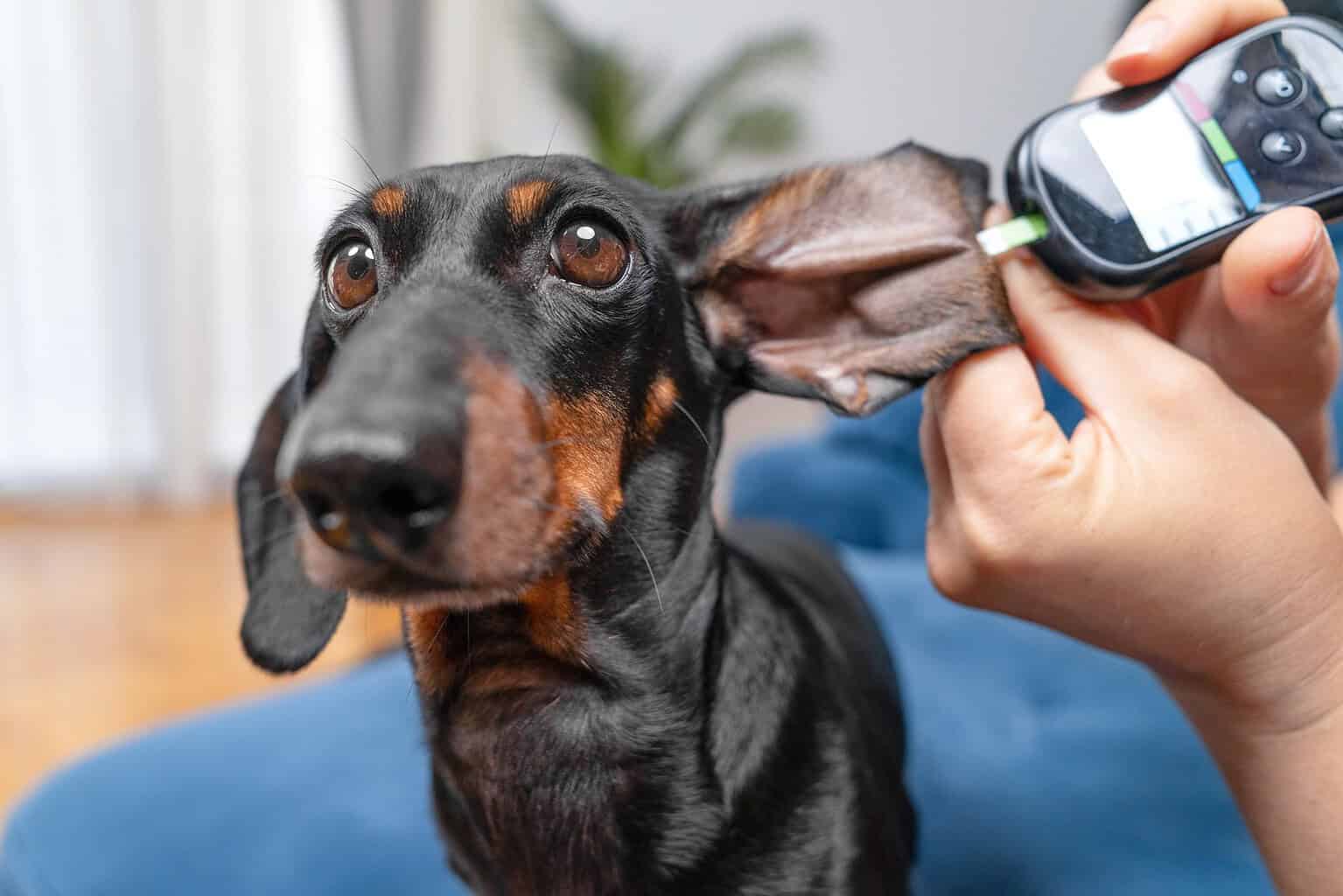
Diabetes in dogs is a lifelong condition, but most dogs live well with it once they are on twice-daily insulin and a steady routine. The disease happens when the pancreas stops making enough insulin, so sugar builds up in the blood. Early signs include drinking and peeing more, losing weight despite a big appetite, and cloudy eyes. Your vet confirms it with blood and urine tests, then builds a plan around insulin, consistent meals, consistent exercise and regular glucose checks.
Last updated: February 2026
What is diabetes in dogs?
Diabetes mellitus is a disease of the pancreas. Special cells in the pancreas, called beta cells, make insulin, the hormone that moves glucose (sugar) out of the bloodstream and into the cells that need it for energy. When those cells are damaged or destroyed, insulin runs short, glucose piles up in the blood, and the body’s tissues go hungry even while the dog is eating plenty.
Most dogs have what VCA Animal Hospitals describes as insulin-dependent, or type 1, diabetes, where most or all of the insulin-producing cells are gone. That is the key difference from many people with type 2 diabetes: dogs rarely get the type that responds to pills, so the treatment is insulin injections, usually for life. Cornell’s College of Veterinary Medicine notes that, left uncontrolled, high blood sugar can lead to cataracts or to diabetic ketoacidosis (DKA), a life-threatening emergency in which the blood becomes too acidic.
The good news is that diabetes is very manageable. Cornell says dogs with diabetes generally need lifelong insulin, but the disease “can be successfully managed to give the dog a good quality of life.”

What are the signs of diabetes in dogs?
The early signs of diabetes in dogs are easy to miss because they creep in over weeks. The classic four, according to VCA, are increased thirst, increased urination, weight loss and increased appetite. Extra glucose spills into the urine and pulls water with it, so the dog pees more and drinks more to keep up. Meanwhile the cells are starved of fuel, so the body breaks down fat and muscle, and the dog gets thinner even while acting ravenous.
| Dog diabetes symptom | What you might notice at home | How urgent |
|---|---|---|
| Drinking more | Water bowl empties faster; dog drinks from toilets or puddles | Book a vet visit within days |
| Peeing more | More trips outside, accidents in a house-trained dog, larger puddles | Book a vet visit within days |
| Weight loss with a big appetite | Ribs or spine easier to feel; begging, food stealing | Book a vet visit within days |
| Cloudy eyes | White or blue-white haze, bumping into things | See your vet soon; ask about an eye specialist |
| Repeat infections | Urinary tract or skin infections that keep coming back | Mention it at the next visit; ask about glucose testing |
| Vomiting, weakness, not eating | Lethargy, dehydration, sweet-smelling breath | Same-day or emergency vet (possible DKA) |
If thirst is the first thing you notice, our guide on why your dog is drinking so much water walks through the other common causes, such as kidney disease and Cushing’s disease, so you know what your vet will be ruling out. Repeated skin trouble is another clue worth raising; see our notes on dry skin and red flags in dogs.
Which dogs are most at risk of diabetes?
Any dog can develop diabetes, but some groups show up more often. Age is the biggest one. In the UK study by Mattin and colleagues, the median age at diagnosis was 9.9 years, and Cornell lists middle-aged dogs as the typical patients.
- Breed. Cornell names Samoyeds, Miniature Schnauzers and Poodles among predisposed breeds and calls Tibetan Terriers and Cairn Terriers high-risk. The UK study found Yorkshire Terriers had higher odds than crossbreds, while German Shepherds and Golden Retrievers had lower odds.
- Unspayed females. Female dogs carry a higher risk, and Cornell notes that heat cycles change insulin needs, which is why vets generally recommend spaying an intact diabetic female.
- Pancreatitis. Repeated bouts of pancreatic inflammation can destroy insulin-producing cells. A pancreatitis diagnosis was linked to diabetes in the UK data.
- Obesity. Overweight dogs were more likely to be diagnosed in the same study, and extra weight makes insulin work less well.
- Long-term steroids and other hormone problems. Cornell flags dogs treated with glucocorticoids for long periods, plus dogs with Cushing’s disease (hyperadrenocorticism) or hypothyroidism.
You cannot change your dog’s age or breed, but keeping a healthy weight and talking with your vet about the risks of any long-term steroid course are practical steps. If your dog is in a higher-risk group, ask whether a urine glucose check makes sense at annual wellness visits.
How do vets diagnose diabetes in dogs?
Diagnosis starts with the history you give: more drinking, more peeing, weight changes and appetite. From there, your vet will usually run three kinds of tests.
Blood glucose. A blood panel shows whether glucose is persistently high. VCA notes that diabetes is the only common disease that raises blood glucose substantially, so a high reading paired with the classic signs is a strong clue.
Urinalysis. Healthy kidneys hold on to glucose until blood levels climb very high. When they cannot keep up, sugar spills into the urine. Finding glucose in the urine supports the diagnosis, and your vet will also look for ketones, a warning sign of DKA, and may run a urine culture to check for infection.
Fructosamine. Stress from a car ride or a clinic visit can push blood sugar up temporarily. Cornell explains that a blood fructosamine test, which reflects average glucose over the previous couple of weeks, helps separate a stress spike from true diabetes.
Some dogs are diagnosed only after they become very sick with DKA, which may mean several days in the hospital before insulin treatment at home can begin. Catching the early signs is the best way to avoid that path.
How is diabetes in dogs treated?
Treatment rests on three pillars: insulin, food and routine. The aim, in the words of the 2018 AAHA Diabetes Management Guidelines, is to reduce the clinical signs of diabetes while avoiding hypoglycemia. In practical terms, that means a dog who drinks, pees and eats normally again and never has a dangerous low.
Insulin for dogs. Most diabetic dogs get an insulin injection under the skin twice a day, about 12 hours apart, at mealtimes. Cornell lists two insulins that are FDA-approved for dogs: porcine lente insulin, sold as Vetsulin (Caninsulin in many countries outside the US), and protamine zinc insulin, sold as ProZinc. Vets also use some human insulins off-label with good results, including NPH (Humulin N or Novolin N), detemir and glargine. Your vet chooses the type and the starting dose and adjusts it over time. Never change a dose on your own. Dosing depends on the individual dog, the insulin, the glucose curve and other health conditions, and only your veterinarian can weigh all of that.
Many owners worry about the injections more than anything else. VCA points out that the needles are extremely fine and sharp and that most dogs barely notice. Your vet team will show you how to mix the insulin (some types are rolled gently rather than shaken), how to match the syringe to the insulin concentration (U-40 and U-100 syringes are not interchangeable), how to store it in the refrigerator without freezing it, and how to dispose of needles safely. A small reward after each shot helps most dogs settle into the routine within days.
Diet. There is no single best food for every diabetic dog. VCA notes that the feeding routine usually matters more than the food itself. Diabetic dogs should eat two measured meals a day, timed with their insulin, rather than grazing. Cornell adds that higher-fiber diets can help some dogs, but many do well on any complete and balanced food they reliably eat, because a dog that refuses dinner cannot safely get a full insulin dose. Treats between meals should be minimal and approved by your vet, and highly digestible, sugary foods can cause spikes followed by drops. Dogs with a history of pancreatitis may need a low-fat diet.
Exercise. The AKC stresses a moderate but consistent exercise routine. A dog who walks 20 minutes on Monday and hikes for three hours on Saturday will burn very different amounts of glucose, and that swing can push blood sugar too low. Keep walks similar in length and intensity from day to day, and talk to your vet before starting a much more active season, such as agility, hunting or a long summer vacation.
Treating what travels with diabetes. Cornell notes that infections, Cushing’s disease, hypothyroidism, obesity and heat cycles can all make insulin work less well. Treating those problems, spaying intact females and helping overweight dogs slim down can make blood sugar far easier to control.
Expect the first month or two to involve trial and adjustment. VCA says it may take a month or more to reach good regulation, with frequent rechecks along the way. Once a dog is stable, many settle into a simple twice-a-day rhythm that becomes as automatic as the morning walk.
How do you monitor a diabetic dog at home?
Monitoring tells you and your vet whether the insulin dose is right. The main tool is a blood glucose curve: glucose is checked every one to two hours over 12 to 24 hours to see when insulin starts working, when it peaks and when it fades. Cornell recommends a new curve whenever the dose changes or signs come back.
Curves can be done at the clinic, but many vets now encourage home monitoring because readings taken in your dog’s own environment are less affected by stress. Options include:
- Home glucometers. Veterinary meters such as AlphaTrak use a tiny drop of blood, often from the ear or lip. VCA says you will collect samples every one to two hours over a 12 to 24 hour period.
- Continuous glucose monitors. Vets increasingly use human sensors such as the FreeStyle Libre. VCA describes a small sensor placed on the dog’s skin that stays in place for up to 14 days and tracks glucose every minute, read with a scanner several times a day.
- Urine glucose strips. Cheap and easy, but less precise. They are mostly useful for spotting a trend or a problem between visits.
Day to day, the simplest monitoring is observation. VCA suggests weighing your dog at least monthly on the same scale and watching appetite, water intake and urination. If your dog starts drinking and peeing more again, that is a sign regulation has slipped.
What should you do if your diabetic dog has low blood sugar?
Hypoglycemia, or low blood sugar, is the most dangerous short-term risk of insulin treatment. VCA warns that blood glucose below 40 mg/dL can be life-threatening. It usually happens when a dog gets its usual insulin but eats less than normal, vomits, exercises much harder than usual, or receives a double dose by mistake.
According to Cornell, signs to watch for include weakness, poor appetite, confusion, trembling and, in severe cases, seizures.
A few habits lower the risk. Feed first, then give insulin, so you know the meal went down. Cornell says that if your dog skips a meal, you should not give the insulin dose without guidance; call your vet instead. Use one household log, such as a whiteboard or shared phone note, so two family members never both give the evening shot. Keep corn syrup in your diabetic dog’s kit along with the items on our pet first aid kit checklist.
What happens if a diabetic dog gets lost?
Every dog owner fears a slipped leash or an open gate. With a diabetic dog, the stakes rise because the routine stops. VCA notes that a dog can usually go a day or so without insulin without a crisis, but that it should not happen regularly. A lost dog also misses meals, may get stressed, and may be fed by a kind stranger who has no idea the dog is diabetic. And if someone finds your dog weak and confused, they will not know that low blood sugar could be the reason.
That is why the information on your dog’s tag matters so much. A finder needs to reach you fast, and they need to know, in plain words, “diabetic, needs insulin, call my vet.” Our guide on what information to include on your pet’s ID tag covers the basics, and a medical alert line belongs near the top for any dog on daily medication.
A Shiloh’s House Smart Tag holds far more than an engraved tag can. A finder taps the NFC tag with any modern phone, no app needed, and your dog’s live profile opens in the browser with one-tap Call, Text, Email and Map buttons for up to three contacts, plus medical and behavior notes. You manage that profile for free in the Lohji app (App Store and Google Play), where you can add medical notes, your veterinarian, and contacts with a relationship label such as Vet or Pet Sitter. Write something like “Diabetic on twice-daily insulin. Please do not give food or medicine; call us or Dr. Smith right away.” If your dog’s dose or vet changes, you update the profile and the change shows on the tag instantly.
Make sure a finder knows your dog needs insulin
A Shiloh’s House Smart Tag opens your dog’s live profile with medical notes and one-tap calling to you and your vet. It is waterproof, quiet and laser engraved with your dog’s name and your phone number.
How much does it cost to treat a diabetic dog?
Costs vary widely with your dog’s size, the insulin chosen, how you monitor and whether complications appear. Treat the ranges below as rough US estimates from veterinary sources, not quotes, and ask your clinic for its own prices.
| Cost item | Approximate range | Source |
|---|---|---|
| Initial diagnosis and stabilization | About $500 to $3,000 | Dr. Patty Khuly, Embrace Pet Insurance |
| Ongoing care (insulin, syringes, monitoring, food) | About $100 to $200 per month | Dr. Patty Khuly, Embrace Pet Insurance |
| Glucose curve at the clinic | About $150 to $500 | Dr. Hanie Elfenbein, Great Pet Care |
| Home glucometer | About $50 to $100, plus test strips | Dr. Hanie Elfenbein, Great Pet Care |
| Cataract surgery | About $2,700 to $4,000 | Dr. Rhiannon Koehler, PetMD |
The first few months usually cost the most, because of diagnostics, rechecks and curves while the dose is fine-tuned. A dog who arrives in DKA can need intensive care, which pushes the bill much higher. Home monitoring can trim clinic costs over time, and an online pharmacy may lower the price of insulin and supplies with your vet’s prescription.
How long can dogs live with diabetes?
Yes, dogs can live with diabetes, and many live well. VCA says that once diabetes is properly regulated, the prognosis is good if treatment and monitoring are consistent, and most controlled dogs have a good quality of life with few symptoms.
Diabetic dog life expectancy depends heavily on age and other illnesses. In the UK study, median survival after diagnosis was 17.3 months, but that group was mostly older dogs, with a median age at diagnosis of almost 10. Older age and a pancreatitis diagnosis were linked to shorter survival, while neutered and insured dogs had a lower risk of death. Cornell adds that dogs over 10, overweight dogs, and dogs with pancreatitis or Cushing’s disease tend to be harder to manage. Early diagnosis and a steady routine give any dog the best odds.
Cataracts are the most common long-term complication. Cornell estimates that about 75 to 80% of diabetic dogs develop cataracts within the first year of diagnosis, regardless of how well their diabetes is controlled. These cataracts can form quickly and trigger painful inflammation and glaucoma. Surgery (phacoemulsification) replaces the cloudy lens with an artificial one, and Cornell reports success rates as high as 80 to 90% for ideal candidates.
“The ideal time to perform cataract surgery is prior to the cataract becoming mature, as more advanced cataracts (mature and hyper-mature) are more likely to cause lens-induced intraocular inflammation, lens instability, and loss of lens capsule integrity.”
Dr. Kelly Knickelbein, assistant clinical professor of ophthalmology, Cornell University College of Veterinary Medicine
Ask your vet early about a referral to a veterinary ophthalmologist, even before the eyes look cloudy. Good overall care matters too, from weight control to dental hygiene, so keep up habits like brushing your dog’s teeth as part of the routine.
Frequently asked questions
What are the first signs of diabetes in dogs?
The first signs are usually drinking more water, peeing more often or having accidents, and losing weight even though your dog is hungrier than usual. Some dogs also develop cloudy eyes or repeated urinary or skin infections. If you notice them, book a vet visit for blood and urine tests.
Can dogs live with diabetes?
Yes. Most diabetic dogs need insulin for life, but with consistent injections, steady meals, regular exercise and vet monitoring, many enjoy a good quality of life for years. The first months take the most work while your vet finds the right dose. After that, care usually settles into a twice-daily routine that fits around normal family life.
Can a diabetic dog miss an insulin shot?
VCA notes that a dog can usually go a day or so without insulin without a crisis, but it should not become a habit. Never double up the next dose to make up for a missed one. If your dog did not eat, Cornell advises against giving insulin without guidance. Call your veterinarian for instructions any time a dose or meal is missed.
Can dogs take pills instead of insulin for diabetes?
Generally, no. Dogs almost always have insulin-dependent diabetes, in which the insulin-producing cells are destroyed, so oral drugs used for type 2 diabetes in people do not work well. VCA says dogs rarely develop the type 2 form. Insulin injections, usually twice a day with meals, remain the standard treatment that your vet will prescribe.
What should I feed a diabetic dog?
There is no single best diet. Your vet may suggest a prescription or higher-fiber food, but many dogs do well on any complete and balanced food they eat reliably. What matters most is feeding the same measured amount at the same times, usually two meals about 12 hours apart, and keeping treats minimal. Dogs with a pancreatitis history may need low-fat food.
Is diabetes in dogs curable?
In most dogs, no. Cornell says diabetic dogs generally need lifelong insulin. Diabetes linked to a heat cycle or pregnancy in an intact female can sometimes improve after spaying, and treating related problems like infections or Cushing’s disease can make the disease easier to control. Ask your vet whether anything in your dog’s case could change long-term insulin needs.
Sources
- Veterinary Record (Mattin et al.) — An epidemiological study of diabetes mellitus in dogs attending first opinion practice in the UK (2014)
- AAHA — 2018 AAHA Diabetes Management Guidelines for Dogs and Cats (2018, updated 2022)
- Cornell University College of Veterinary Medicine — Diabetes in dogs
- Cornell University College of Veterinary Medicine — Managing canine diabetes
- Cornell University College of Veterinary Medicine — Canine cataracts
- VCA Animal Hospitals — Diabetes Mellitus in Dogs: Overview (2024)
- VCA Animal Hospitals — Diabetes Mellitus: Insulin Treatment in Dogs
- VCA Animal Hospitals — Diabetes Mellitus: Principles of Treatment in Dogs
- American Kennel Club — Diabetes in Dogs: Symptoms, Causes, Diagnosis, and Treatment (2022)
- Embrace Pet Insurance (Dr. Patty Khuly) — Diabetes Mellitus in Dogs and Cats (2021)