Can Dogs Eat Green Beans? Safe Types, Diet and Casserole Risks
 Shiloh’s House Team
·
·
13 min read
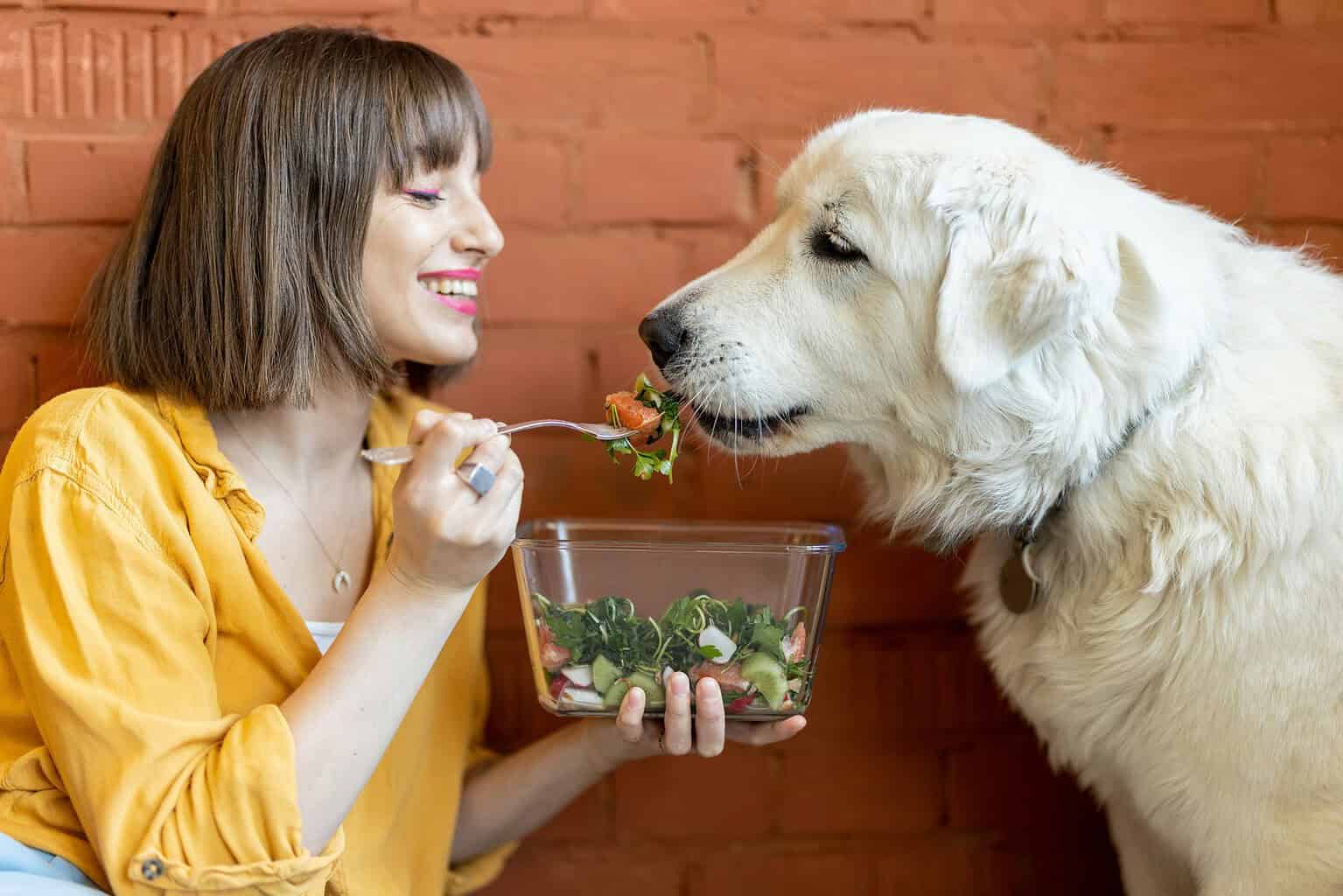
Yes, dogs can eat green beans, and plain ones make one of the best low-calorie treats you can offer. Raw, steamed, boiled, frozen or no-salt-added canned beans are all fine when served plain and cut into small pieces. Green bean casserole is a different story: it is made with fried onions and a cream soup that contains garlic, both toxic to dogs, plus fat and plenty of salt. Keep the beans for your dog and the casserole for the people.
Last updated: November 2026
Can dogs eat green beans?
Green beans are safe for dogs. They are not toxic, they are mostly water and fiber, and a handful barely dents a dog’s daily calorie budget. That combination is why veterinarians so often suggest them as a swap for store-bought biscuits.
The American Kennel Club spoke with Dr. Karen Cantor, Director of Veterinary Medicine at Westside Veterinary Center in New York City, who says green beans are safe for dogs to eat in moderation. She notes that fresh green beans are rich in vitamins A, C and K, along with iron and magnesium. Tufts University’s Cummings School of Veterinary Medicine also lists green beans among the fruits and vegetables that make great treats for dogs.
The safety depends on what goes on the beans, not the beans themselves. Three things cause nearly all the problems:
- Seasoning. Butter, garlic, garlic salt and onion turn a healthy vegetable into a risky one. The AKC says never to feed dogs green beans cooked with garlic or garlic salt.
- Salt. Regular canned green beans are packed in salted water, which adds a lot of sodium to a small serving.
- Size and amount. Whole beans can be a choking risk for small dogs, and too many at once can mean gas or diarrhea from the fiber.
Get those right and green beans are a treat you can feel good about. If you are checking several foods before a holiday meal, our guide to foods dogs can’t eat covers the ingredients that should never reach the dog bowl.

Are raw, cooked, frozen or canned green beans best for dogs?
All four work. The differences come down to sodium, digestibility and how easy each form is to chew.
PetMD notes that raw and cooked green beans are both safe and nutritious. Cooking can lower some vitamins, such as folate and vitamin C, but cooked beans are easier to digest, which helps dogs with sensitive stomachs. Frozen beans are a crunchy favorite for many dogs, though PetMD warns that frozen pieces can become a choking hazard and should be chopped small and given under supervision.
Canned beans are where owners slip up. Nutritionally they are close to fresh, but regular canned green beans carry far more sodium. This table compares USDA values per 100 grams, about one cup.
| Green bean form (per 100 g) | Calories | Sodium | For dogs |
|---|---|---|---|
| Raw | 31 | 6 mg | Good, cut small |
| Boiled, drained, no salt | 35 | 1 mg | Good, easiest to digest |
| Boiled, drained, with salt | 35 | 239 mg | Skip the salt |
| Frozen, boiled, no salt | 28 | 1 mg | Good |
| Canned, regular pack, drained | 21 | 268 mg | Not for regular use |
| Canned, no salt added, drained | 22 | 2 mg | Good, convenient |
Regular canned beans have more than 40 times the sodium of raw beans, by our math from the USDA figures. That matters most for dogs with heart or kidney disease, which Tufts nutritionists flag as needing careful sodium control. If canned is easiest for you, buy cans labeled “no salt added” and check that green beans and water are the only ingredients.
Is green bean casserole safe for dogs?
No. The beans are fine, but almost everything else in a classic green bean casserole is a problem for dogs.
Look at the original recipe from the Campbell’s Test Kitchen, created in 1955. It calls for condensed cream of mushroom soup, milk, soy sauce, cooked green beans and French fried onions. Campbell’s lists dried garlic among the soup’s ingredients, and the topping is onions fried in oil. Per serving, the company lists 151 calories, 10 grams of fat and 513 milligrams of sodium.
The onion and garlic are the biggest concern. The Merck Veterinary Manual explains that onions and garlic, members of the Allium family, damage red blood cells and can cause a type of anemia. Garlic is 3 to 5 times more toxic than onion. Dogs have shown signs after eating 15 to 30 grams of raw onion per kilogram of body weight, and Merck notes that concentrated forms such as dried flakes and powders are most often to blame. Cooking does not make them safe.
Signs are delayed, which fools owners. Merck says signs of anemia usually appear a few days after eating, and may include weakness, lethargy, pale gums, fast breathing, yellowing and collapse.
Calories are a second issue. One serving of Campbell’s casserole is about half the roughly 300 calories Tufts says an average 10-pound dog needs in a whole day. Our Thanksgiving with pets guide walks through the rest of the holiday table, and our post on whether dogs can eat turkey covers the main course.
What is the green bean diet and does it work for dogs?

The green bean diet is a weight-loss trick that has circulated among dog owners for years. It uses the bulk of green beans to stretch out smaller portions of regular dog food, so a dog eats fewer calories without feeling quite as hungry. The idea has some science behind it, but veterinarians warn that the way most people do it at home can cause new problems.
How the green bean diet works
Veterinarian Ken Tudor described the usual method for PetMD. Owners replace 10 percent of the volume of a dog’s regular meal with canned green beans. Every 2 to 3 days, they swap out another 10 percent, until meals are half regular food and half green beans. The dog stays on that mix until it reaches its target weight, then slowly goes back to its normal food.
The logic is about fullness. Dr. Tudor explained that when the stomach and intestines stretch during a meal, they release hormones that signal the brain to stop eating. Fiber adds volume without adding many calories, so it helps trigger that signal sooner. He noted that studies in people, cats and dogs support adding fiber to calorie-restricted weight-loss programs, and that a can of green beans has only about 50 calories.
Why vets urge caution
The trouble is what gets taken away. Regular dog food is balanced for a normal amount of food. When you cut that amount in half, you also cut the protein, vitamins and minerals in half. Dr. Tudor pointed out that dieting dogs actually need extra protein to limit the muscle they lose, which is why prescription weight-loss diets are fortified to make up for fewer calories. He also wrote that high dietary fiber interferes with the absorption of some essential fats, calcium, zinc and iron, which can make shortfalls worse over a long diet.
A 50 percent drop in calories can also be too steep. Dr. Tudor warned that putting a pet on such a program without veterinary supervision or lab work could lead to serious problems, especially in dogs with undiagnosed liver, kidney or heart disease, diabetes or hypothyroidism. PetMD’s 2022 guide is blunter, calling the green bean diet not a valid weight-loss diet for dogs and noting that metabolism adapts during weight loss, so dogs can quickly regain weight when their food returns to normal.
A safer way to use green beans for weight loss
Green beans still earn a place in a weight plan. Dr. Tudor said he uses them with his own weight-loss patients, who like them, and that they reduce begging between meals. The difference is that they sit alongside a vet-guided plan instead of replacing half the food.
Here is how to put that into practice:
- Ask your vet for your dog’s target weight and daily calorie goal before you change anything.
- If your vet recommends a weight-loss food, use it instead of simply feeding less of the regular food.
- Swap high-calorie biscuits for green bean pieces as the daily treat.
- Keep all treats, green beans included, within 10 percent of the day’s calories.
- Weigh your dog every 2 to 4 weeks, or as often as your vet suggests, and adjust the plan together.
Our guide to the best dog food for weight loss compares the therapeutic and over-the-counter diets vets most often recommend, and our dog feeding chart by weight helps you check whether portions have crept up over time.
How many green beans can a dog eat a day?
Use the 10 percent rule. Veterinary nutritionists at Tufts recommend that treats and table food make up less than 10 percent of a dog’s daily calories, with the other 90 percent coming from a complete and balanced food.
Tufts gives reference points: a 10-pound dog averages about 300 calories a day, a fairly active 25-pound dog about 600, a less active 25-pound dog about 400, and an average 75-pound dog about 1,400. Tufts also lists 8 raw green beans, about half a cup or 45 grams, at 15 calories. Here is how the treat budget converts into green beans.
| Dog | Daily calories (Tufts) | 10% treat budget | Raw green beans that use the whole budget |
|---|---|---|---|
| 10 lb dog | about 300 | 30 calories | about 16 beans (1 cup cut) |
| 25 lb dog, less active | about 400 | 40 calories | about 21 beans |
| 25 lb dog, active | about 600 | 60 calories | about 32 beans (2 cups cut) |
| 75 lb dog | about 1,400 | 140 calories | about 75 beans |
These are our calculations from the Tufts figures. They are ceilings, not targets. Calories are rarely the limit with green beans; fiber is. PetMD’s practical guide is far smaller: 1 to 2 one-inch pieces for dogs up to 20 pounds, 5 to 6 pieces for 31 to 50 pounds and a small handful for 51 to 90 pounds. Start there and work up only if your dog’s stool stays normal.
Dr. Angela Burrington explained to the AKC why vets like them as a swap.
“The added bulk and fiber help the dog feel full, while not adding much in the way of calories.”
Dr. Angela Burrington, Medical Director and Chief of Staff, Veremedy Pet Hospitals, American Kennel Club (2026)
Remember that the budget covers every treat in the day. If your dog also gets a dental chew and training treats, green beans fill whatever is left.
Can green beans cause choking, gas or pancreatitis in dogs?
Choking and gas are the realistic risks. Pancreatitis comes from what is served with the beans, not the beans.
Choking. A whole raw or frozen bean is long, firm and slippery, which is a poor match for a small dog who gulps. PetMD recommends cutting beans into small, bite-size pieces and supervising frozen treats, since frozen pieces can become a choking hazard or cause an intestinal blockage.
Gas and loose stool. Too many green beans at once can cause gas, diarrhea or vomiting from the fiber, according to PetMD. Introduce them slowly and cut back if you notice changes.
Pancreatitis. Plain green beans are nearly fat free, at 0.2 grams of fat per cup in the USDA data. The risk comes from holiday versions cooked with butter, bacon or cream sauce. In a 2008 JAVMA study by Lem and colleagues, dogs exposed to at least one inappropriate dietary factor, such as table scraps or trash, in the week before admission were 2.9 times as likely to have pancreatitis.
Signs that need a call to your vet include repeated vomiting, a painful or bloated belly, refusing food, lethargy or diarrhea lasting more than a day. If your dog got into the holiday leftovers, our guide on what to do when a dog ate something it shouldn’t lays out the next steps.
Holiday guests at the door? Keep their ID one tap away
Thanksgiving means open doors and busy kitchens. Shiloh’s House Smart Tags let anyone who finds your dog tap the tag with a phone, no app needed, to call or text you in one tap and see notes like “no table scraps, pancreatitis history.”
Can puppies eat green beans?
Yes, in small amounts. PetMD calls green beans a good low-calorie treat choice for adult dogs and puppies, with one caution: puppies have more sensitive stomachs, and too much fiber can upset them.
Puppies also need complete and balanced nutrition for growth, so treats should stay a small slice of the day. Offer one or two soft, cooked, finely chopped pieces at first, and avoid whole or frozen beans until your puppy chews well. Cooked green beans also work as a light, crunchy reward during crate training or handling practice.
Ask your vet before adding vegetables if your puppy has had diarrhea, is on a special diet or is a toy breed that struggles to keep weight on.
How do you serve green beans to a dog safely?
Keep them plain and small. The AKC recommends boiling or steaming green beans in water with no added salt, butter or garlic. PetMD suggests washing fresh beans, removing stems and strings and cutting them into bite-size pieces.
A few easy ways to serve them:
- Food topper. Stir chopped steamed beans into the bowl to add crunch and volume without many calories.
- Training reward. Raw one-inch pieces work for dogs who like crunch.
- Frozen snack. Freeze chopped, plain beans for a cool treat, and always supervise.
- Puzzle filler. Mix a few pieces with kibble in a puzzle toy or lick mat.
Green beans pair well with other safe Thanksgiving sides. Plain cooked sweet potatoes and plain canned pumpkin can share the plate in small amounts, as long as they skip the butter, sugar and marshmallows.
Holidays also bring guests who may not know your dog’s food rules. In the Lohji app (App Store or Google Play), you can add medical and behavioral notes, your veterinarian and up to 3 emergency contacts to your dog’s free safety profile. Paired with a Smart Tag, anyone who taps it sees those details right away, and you can update the profile any time.
Frequently asked questions
Are green beans good for dogs every day?
Yes, for most healthy dogs, as long as they stay plain and fit within the 10 percent treat budget. Start with a few small pieces and watch for gas or loose stool. Dogs on prescription diets or with kidney, heart or digestive problems should get their veterinarian’s approval before green beans become a daily habit.
Can dogs eat canned green beans?
Only the no-salt-added kind for regular use. USDA data show regular canned green beans have about 268 milligrams of sodium per 100 grams, compared with about 2 milligrams in no-salt-added cans. A taste of regular canned beans is not an emergency, but salty beans should not become a daily treat, especially for dogs with heart or kidney disease.
What happens if my dog ate green bean casserole?
Call your veterinarian or the ASPCA Animal Poison Control Center at (888) 426-4435. The casserole contains onions and garlic, which can damage red blood cells, and signs of anemia often appear a few days later. Have the recipe ready, estimate how much was eaten and note your dog’s weight before you call.
Is the green bean diet safe for dogs?
Not as a do-it-yourself plan. Replacing half of a dog’s regular food with green beans also cuts protein, vitamins and minerals, and the calorie drop can be too steep. Green beans work well as low-calorie treats within a weight-loss plan your veterinarian designs, ideally alongside a food made for weight loss.
Can dogs eat raw green beans?
Yes. Raw green beans are safe and keep more vitamin C and folate than cooked ones. Wash them, remove the stems and strings and cut them into small pieces to prevent choking. Cooked beans are easier to digest, so steamed or boiled may suit dogs with sensitive stomachs better than raw.
Can dogs eat green beans with butter or garlic?
No. The American Kennel Club advises never feeding dogs green beans cooked with garlic or garlic salt, and recommends skipping butter as well. Garlic is several times more toxic to dogs than onion, according to the Merck Veterinary Manual. Set aside plain, unseasoned beans for your dog before adding any seasoning.
Sources
- American Kennel Club — Can Dogs Have Green Beans? (2026)
- PetMD — Can Dogs Eat Green Beans? (2022)
- PetMD — The Green Bean Diet: Is It Good Enough for Your Dog?, Ken Tudor, DVM (2012)
- Tufts Petfoodology — Treat Options for Dogs and Cats Without Unbalancing Their Diet (2021)
- Tufts Petfoodology — The Most Popular Holiday Foods That Your Pet Should Avoid (2023)
- Merck Veterinary Manual — Garlic and Onion (Allium spp) Toxicosis in Animals (2024)
- JAVMA — Associations Between Dietary Factors and Pancreatitis in Dogs, Lem et al. (2008)
- Campbell’s — Campbell’s Iconic Green Bean Casserole (2026)
- Campbell’s — Condensed Cream of Mushroom Soup, Ingredients and Nutrition (2026)
- GetFoodFacts — Snap Beans Nutrition, USDA FoodData Central Data (2026)