Thanksgiving With Pets: Food, Guests and a Calm Holiday Plan
 Shiloh’s House Team
·
·
16 min read
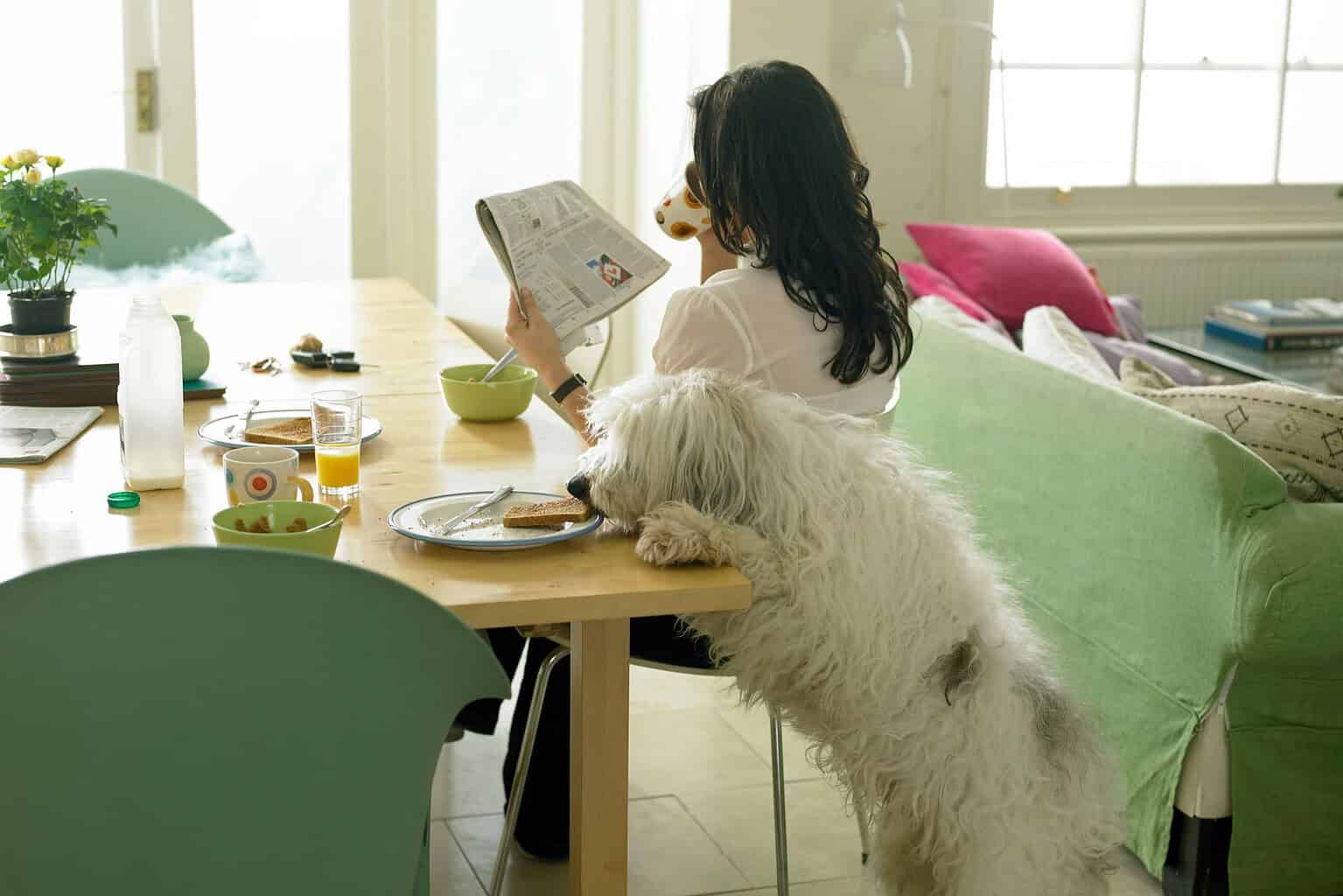
You can include your pet in Thanksgiving safely if you keep their share small and plain and keep the risky stuff out of reach. A few bites of plain, boneless, skinless turkey, plain green beans, plain sweet potato or pure pumpkin are fine for most dogs. Stuffing, gravy, turkey skin, bones, onions, garlic, grapes, raisins, chocolate, xylitol, raw dough and alcohol are not. The other big risks are open doors, an unguarded trash can and a stressed pet with nowhere quiet to go.
Last updated: November 2026
Why is Thanksgiving such a risky day for pets?
Thanksgiving packs rich food, distracted hosts, new people and constantly opening doors into one long afternoon. Vets see the results within a day or two. Petfolk, a veterinary clinic network, compared every completed visit over Thanksgiving weekend last year with the four weekends before, and the pattern was clear.
On a normal November Friday, about 40 percent of its visits were for a sick pet. On the Friday after Thanksgiving, that share rose to 52 percent. Pancreatitis tests, the blood test vets run when a dog shows vomiting and belly pain after fatty food, peaked on the Sunday after the holiday, three days after the meal.
| Measure (Petfolk clinics, last Thanksgiving) | Normal November | Thanksgiving weekend |
|---|---|---|
| Share of Friday visits for a sick pet | 40% | 52% |
| Share of Saturday visits for a sick pet | 47% | 55% |
| Share of all weekend visits for a sick pet | 45% | 50% |
| Pets given a pancreatitis test | 2.5% | 3.9% |
| Pancreatitis tests (index, normal = 100) | 100 | 166 |
A test is not a diagnosis, but the jump shows how many pets came in sick after the feast, and it lines up with what the American Veterinary Medical Association (AVMA) warns: gravy, dressing and poultry skin are hard for pets to digest, and sometimes even a small amount can cause pancreatitis.
Thanksgiving falls on Thursday, November 26 this year, so the riskiest window runs from Thursday afternoon through Sunday night. The rest of this guide is a plan for that window.
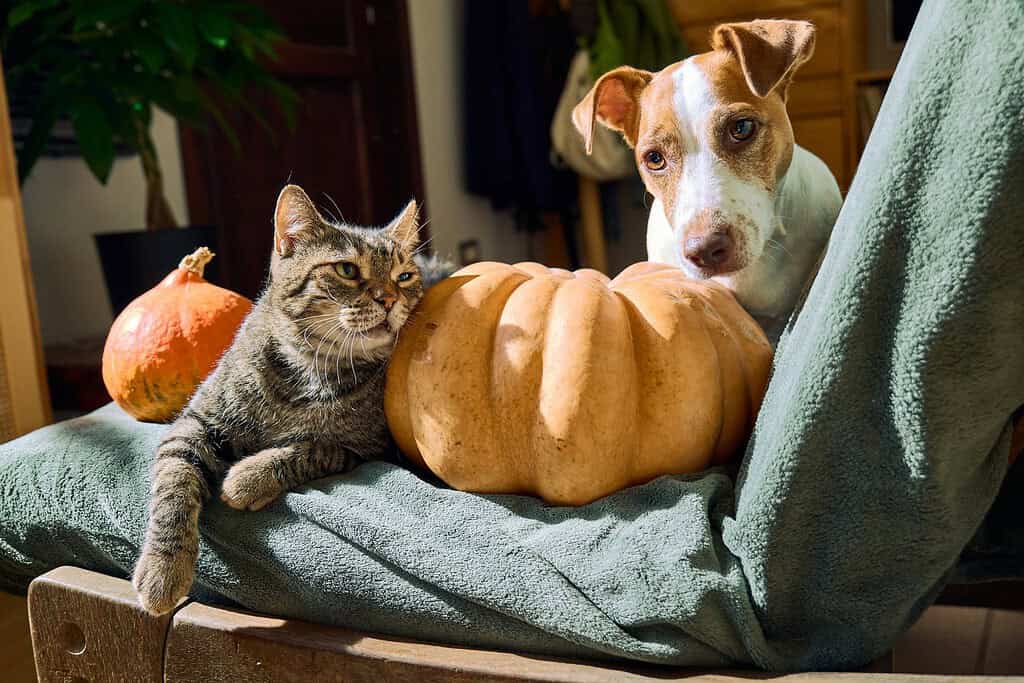
Which Thanksgiving foods can dogs eat, and how much?
Several Thanksgiving foods are safe for dogs as long as they reach the bowl plain. The American Kennel Club (AKC) lists sweet potatoes, plain potatoes, apples, turkey meat without bones or skin, green beans, plain peas and pumpkin as reasonable choices in small portions. The trouble is that holiday versions of these foods are rarely plain.
| Food | OK for dogs? | How to serve it |
|---|---|---|
| Turkey breast | Yes, small amounts | Cooked through, no skin, bones, gravy or seasoning |
| Sweet potato | Yes | Plain and cooked, no marshmallows, butter or brown sugar |
| Green beans | Yes | Plain, set aside before the casserole is made |
| Pumpkin | Yes | Pure puree only, never pie filling or pie |
| Apple | Yes | Fresh slices with the core and seeds removed |
| Cranberries | Small amounts | Plain berries, not sugary sauce or mixes with raisins |
| Mashed potatoes | No | Butter, cream and often garlic or onion |
| Stuffing and gravy | No | Fat, salt, onion, garlic and sometimes raisins |
How much is “a little”? Tufts University’s veterinary nutrition team says treats, including table food, should stay under 10 percent of daily calories. For a 10-pound dog that is only about 30 calories, and for a 75-pound dog about 140 calories. A few thumb-sized bites of turkey and a spoonful of sweet potato can use up a small dog’s whole allowance.
Turkey gets its own guide, including white versus dark meat and what to do about a swallowed bone, in can dogs eat turkey. For the side dishes, see can dogs eat cranberries and can dogs eat pumpkin.
Which Thanksgiving foods are dangerous for dogs and cats?
The most dangerous Thanksgiving foods are the ones hiding inside other dishes. Pet Poison Helpline’s top holiday toxin list is chocolate, xylitol, grapes and raisins, onions and garlic, bread dough and marijuana, and several of those show up on a typical Thanksgiving table at once.
Stuffing is the classic example. Dr. Renee Schmid, a senior veterinary toxicologist at Pet Poison Helpline, calls it “a potential trifecta of dangers” because most recipes contain onions and garlic, and some add raisins. Onions and garlic can damage red blood cells in both dogs and cats, and grapes and raisins can cause kidney failure in dogs.
Desserts are next. The ASPCA warns that xylitol, a sweetener used in sugar-free baked goods, can cause low blood sugar, liver damage or death, and that chocolate can cause vomiting, a racing heart, tremors and seizures. Trupanion’s insurance data shows November is the second-worst month of the year for chocolate toxicity claims, behind only December.
A few less obvious items round out the list:
- Raw yeast dough. It expands in the warm stomach and produces alcohol, which can cause bloat and drunkenness.
- Bouillon and gravy bases. The ASPCA notes they are very high in sodium, which can cause stomach trouble and even seizures.
- Raw batter. Raw eggs can carry salmonella.
- Alcohol. Unattended drinks on low tables are easy targets.
- Table decor. The AVMA warns that corn cobs, pine cones and gourds can cause choking or intestinal blockage.
For the full list of foods to keep off the floor, see our guide to foods dogs can’t eat.
How do you keep pets safe when guests arrive and doors keep opening?
Plan for the front door before the first car pulls up. The AVMA points out that while you are welcoming guests and collecting coats, your pet may make a break for it. The American Animal Hospital Association (AAHA) adds that unfamiliar guests and a broken routine make some pets more likely to hide, bolt or wander.
“One of the biggest results of stress in a pet is trying to hide or leave the home, so beware of doors that are left open as people enter and exit.”
Dr. Lori Teller, clinical professor, Texas A&M College of Veterinary Medicine & Biomedical Sciences, Texas A&M Pet Talk
A few simple steps cover most of the risk:
- Put your pet in a quiet, closed room or behind a baby gate during arrivals and departures.
- Assign one person to watch the door and the dog during the busiest hour.
- Ask guests, especially kids, not to feed your pet from their plates.
- Make sure your pet wears a collar with readable ID and that the microchip registration has your current phone number.
Watch for stress signs too. Dr. Teller lists trembling, lip licking, yawning and avoiding people as signs a dog has had enough. If your dog barks or bolts every time the doorbell rings, the training steps in our doorbell anxiety guide work just as well for Thanksgiving guests.
If your pet does slip out, the person who finds them needs your number fast, not a hunt for a vet clinic that is closed for the holiday.
Doors opening all day? Keep their info one tap away
A Shiloh’s House Smart Tag opens a live profile when a finder taps it with a phone, with one-tap call or text, multiple contacts and medical notes you can update anytime in the free Lohji app.
What does a calm Thanksgiving plan for your pet look like?

A calm Thanksgiving for your pet comes down to keeping their day as normal as possible while yours is anything but. Pets do best when meals, walks and bathroom breaks happen at the usual times, and when they can step away from the noise whenever they want. Here is a simple plan for a dog or a cat.
Start the morning with exercise. Dr. Lori Teller of Texas A&M suggests a long walk before guests arrive to tire your dog out and lower stress for both of you. For cats, a play session with a wand toy or laser pointer does the same job. A tired pet is less likely to beg, jump on visitors or pace by the door.
Next, set up the quiet room before you start cooking. Pick a bedroom or office away from the kitchen and front door. Put in your pet’s bed, a favorite blanket, fresh water, a couple of toys and, for cats, a litter box. AAHA recommends calming music or a white noise machine to soften the sound of a full house. Close the door and add a sign so guests know not to go in. This room is not a punishment. It is a place your pet can choose, and many pets will happily nap there once they learn the party will not follow them in.
While you cook, keep pets out of the kitchen. Dropped food is a real risk. A dog can swallow a chunk of onion, a fallen roll or a slice of buttered skin before anyone reacts. A baby gate across the kitchen doorway is often enough. Keep foil, string and oven bags off the counter edge, since they smell like turkey and can cause blockages.
Feed your pet’s regular dinner at the regular time, before your own meal starts. A pet with a full stomach is less frantic about the table. If you want to share, add a few bites of plain turkey or vegetables to their bowl now, so there is no reason to slip scraps later. A food puzzle or a stuffed, frozen treat toy given just as guests sit down can keep a dog busy for the length of the meal.
During dinner, give your pet a job or a break. Calm, social dogs can settle on a mat near the table with a chew. Nervous dogs and most cats are happier in the quiet room. Take dogs out on a leash after the meal, since a guest may have left the yard gate open.
End the day with a familiar routine: a calm evening walk, the usual bedtime and a quick look at your pet for anything unusual. Remember that stomach trouble often shows up a day or two later. The vet data showing the pancreatitis peak on Sunday is a good reason to keep watching your dog through the whole weekend, not just Thursday night.
If your pet struggles with even small gatherings, talk to your veterinarian before the holiday. Dr. Teller notes that some pets do better staying at a boarding facility or a friend’s quiet home, and that a vet can discuss short-acting anti-anxiety medication for pets with mild party stress. Do not wait until Wednesday to ask, since many clinics book up before the long weekend.
How should you handle the turkey carcass, leftovers and trash?
Treat the turkey carcass like a hazard, because it is one. Cooked poultry bones splinter, and a carcass also carries skin, fat and drippings, the exact mix vets link to pancreatitis.
The AVMA’s advice is specific: put the carcass, bones and related trash in a tightly secured bag, then place it in a closed container outdoors or behind a securely closed door. A kitchen trash can with a swing lid is not enough for a determined dog. Neither is a bag set by the back door “to take out later.”
A simple cleanup routine helps:
- Strip the meat you want to keep, then bag the carcass right away.
- Double-bag anything with bones, string, foil or skewers.
- Take it straight to the outdoor bin, and check that the lid latches.
- Store leftovers in sealed containers pushed to the back of the fridge shelf.
Leftovers keep the risk going for days. Stuffing, gravy and pie often sit out to cool, and dogs remember where they are. Plan to refrigerate food within a couple of hours and keep counters clear through the weekend.
Pet Poison Helpline shared the story of a dog named Rocky who ate a small amount of stuffing with raisins that fell on the floor while his family was packing up leftovers. He spent two nights in veterinary care before recovering. His owner’s advice was simple: keep pets out of the kitchen while you cook and clean, because things drop and pets are fast.
Should you travel with your pet or board them over Thanksgiving?
Thanksgiving is one of the busiest travel weekends of the year, so decide early whether your pet comes along or stays behind. Either choice can work well. The worst outcome is a last-minute plan.
If your pet travels with you, the AVMA says to restrain them in the car with a secure, fitted harness or a properly sized carrier, placed away from airbags. That protects your pet in a crash and keeps them from distracting the driver. If you are crossing state lines, your pet may need a health certificate from a veterinarian, and each state sets its own rules and timeframes. If you are flying, talk to your vet first, since the AVMA notes short-nosed breeds can struggle with air travel.
Pack as if the host’s home has no pet supplies at all: food for every day plus extra, bowls, medications, a leash, a familiar bed and a copy of vaccine records. Bring a baby gate if your host’s home has open stairs or an open front door. Our pet travel checklist covers the full list.
If your pet stays home, book boarding or a sitter now, since holiday spots fill weeks ahead. The AVMA recommends talking with your vet about protection from contagious diseases and making sure vaccines are current, because most kennels require proof. Our dog boarding checklist lists the questions to ask.
A friend’s calm home can also work for anxious pets. Whichever option you choose, a tag with your current phone number goes with your pet, because a new place is exactly where escapes happen.
What should you do if your pet eats something they shouldn’t?
Call for help right away instead of waiting for symptoms. Many Thanksgiving poisonings, including xylitol, raisins and onions, can do damage before your pet looks sick, and early treatment is easier and cheaper than late treatment.
Before the holiday, save these numbers in your phone and post them on the fridge:
- Your regular veterinarian, plus their holiday hours
- The nearest 24-hour emergency veterinary hospital and its address
- ASPCA Animal Poison Control: 888-426-4435
- Pet Poison Helpline: 855-764-7661
Both hotlines are open around the clock, and the AVMA notes that a fee may apply. AAHA recommends confirming your clinic’s Thanksgiving hours and the location of the nearest emergency hospital before the day, not during a crisis.
When you call, have ready what your pet ate, how much, when it happened and your pet’s weight.
Do not make your pet vomit unless a professional tells you to. Pet Poison Helpline warns that some materials cause more harm coming back up, and says cat owners should never induce vomiting at home, since there is no safe way to do it and hydrogen peroxide can seriously injure a cat’s digestive tract.
Watch for signs over the next few days, not just hours. The AVMA lists sudden behavior changes, depression, pain, vomiting and diarrhea. Petfolk’s list adds a painful belly, a “praying” pose with the front end down, refusing food and diarrhea that does not stop. Any of those after a holiday meal deserves a call.
How can the Lohji app make Thanksgiving easier?
The Lohji app helps with two Thanksgiving jobs: sharing some gratitude and keeping your pet’s safety information current while doors are opening all day. It is free with optional in-app purchases, on the App Store and Google Play, with no ads.
Start with one photo of your pet. The app turns it into a 3D, animated-movie-style character, your pet’s Lohji. From there you can send stickers in iMessage, including a Thanksgiving design in the seasonal collection, which makes a fun “happy Thanksgiving” or “thankful for you” message to the family group chat. The sticker library has 191 designs, including 43 seasonal ones.
The free Slideshow feature is a nice table moment. It shuffles the creations you have made of your pet, adds animations and an app-generated soundtrack in a playful, dreamy or chill style, and “Share as movie” exports an MP4 you can send to relatives or play on a phone at the table.
The practical side matters more. Before guests arrive, open your pet’s free Smart Tag profile in the app and check it:
- Up to three emergency contacts, with one-tap call, text, email and map. Add the person hosting if you are traveling.
- Up to three voice messages of 15 seconds each, so a finder hears your voice and your pet’s name.
- Medical notes and behavioral notes, such as “don’t feed table scraps,” “on a special diet” or “nervous with strangers.”
- Rabies vaccine ID and your vet’s details.
Changes show up on the profile immediately, so you can add a holiday address in a minute. New accounts start with 10 free Lohji Coins for creative extras, and the coins never expire.
Frequently asked questions
What Thanksgiving foods can dogs eat?
Dogs can eat small amounts of plain Thanksgiving foods: cooked, boneless, skinless turkey breast, plain sweet potato or potato, plain green beans and peas, pure pumpkin puree and fresh apple slices without the core. Skip anything with butter, cream, gravy, sugar, onion, garlic or spices, and keep all treats under about 10 percent of your dog’s daily calories.
Can dogs eat stuffing?
No. Most stuffing contains onions and garlic, which can damage red blood cells in dogs and cats, and some recipes add raisins, which can cause kidney failure in dogs. Pet Poison Helpline calls stuffing a potential trifecta of dangers. If your dog ate stuffing, call your vet or a pet poison hotline and say what was in it.
Can dogs eat turkey skin or turkey bones?
No. Turkey skin is fatty and usually coated in butter, oil and seasoning, which can trigger vomiting, diarrhea or pancreatitis. Cooked turkey bones can splinter and cause choking, mouth injuries or intestinal blockage. Offer only plain, cooked, boneless and skinless turkey meat in small bites, and throw the carcass away in a sealed bag in an outdoor bin with a closed lid.
How long after eating Thanksgiving food will a dog get sick?
Mild stomach upset from rich food often shows up within several hours. Pancreatitis can take a day or two, and one clinic network saw pancreatitis testing peak on the Sunday after Thanksgiving. Some toxins act faster, such as xylitol, which can drop blood sugar quickly. Watch your dog through the whole weekend and call your vet about repeated vomiting, belly pain or refusing food.
How do I keep my dog from escaping when guests arrive?
Put your dog in a closed room or behind a baby gate during arrivals and departures, and ask one person to watch the door. Make sure your dog wears a collar with current ID and that the microchip registration has your phone number, so a finder can reach you quickly.
Is it better to board my pet over Thanksgiving?
It depends on your pet. Calm, social pets often do fine at a small gathering, while anxious pets may be happier at a boarding facility, with a sitter or at a friend’s quiet home. Book early because holiday spots fill fast, confirm vaccines with your vet and ask about staffing on the holiday. Leave your contact details and a backup contact.
Sources
- Petfolk — The Day After Thanksgiving Is a Sick Day for Pets (2026)
- American Veterinary Medical Association — Thanksgiving pet safety (2026)
- ASPCA — Thanksgiving Safety Tips (2026)
- American Animal Hospital Association — Thanksgiving Pet Safety Tips: Food, Guests, Decorations, and Stress (2026)
- Pet Poison Helpline — Holiday Pie of Pet Dangers (2026)
- Texas A&M College of Veterinary Medicine — Thanksgiving Pet Safety Tips To Keep Your Pets Happy & Healthy (2025)
- American Kennel Club — Which Thanksgiving Foods Can I Give My Dog? (2025)
- Tufts Petfoodology — Treat Options for Dogs and Cats Without Unbalancing Their Diet (2021)
- Trupanion — Chocolate Toxicity Affects Nearly 8,300 Pets (2025)