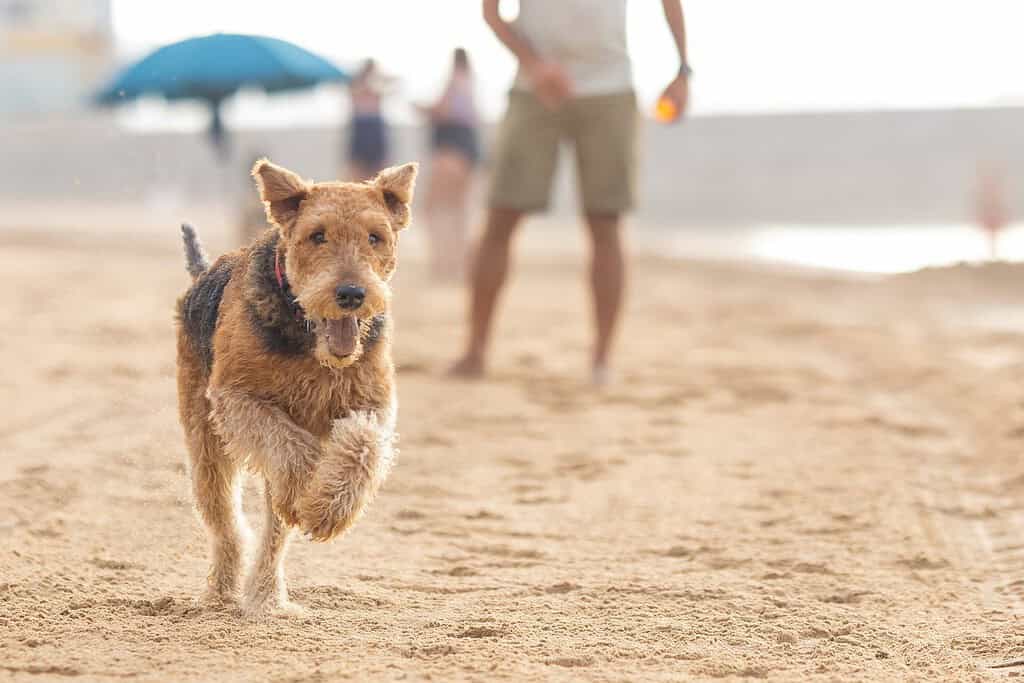
Hiking With a Dog: A Vet-Backed Checklist for Safe Trail Days
 Shiloh’s House Team
·
·
16 min read
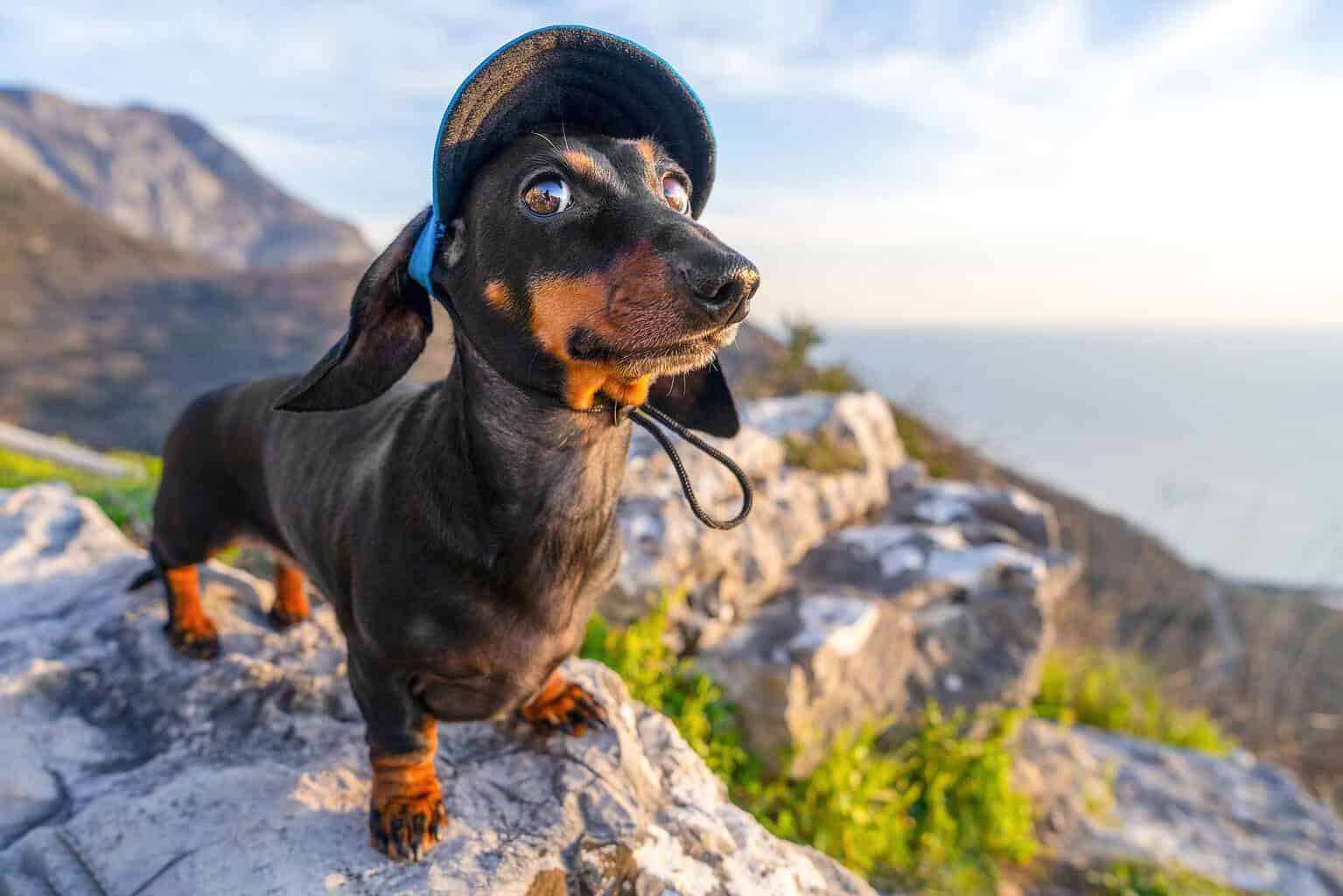
Hiking with a dog is safe when your dog is fully grown, conditioned and well prepared. Carry at least 8 ounces of water per dog for every hour on the trail, keep your dog on a leash no longer than 6 feet, and pack ID, a first aid kit and waste bags. In fall, add blaze orange during hunting season, plan around shorter days, and watch for ticks, wild mushrooms, acorns and cold water. Stop early if your dog limps or struggles to recover during breaks.
Last updated: November 2025
How much water does a dog need on a hike?
Water is the most important thing you carry for your dog. The American Hiking Society’s dog gear list says to carry at least 8 ounces of water per dog per hour of hiking, and to keep your dog from drinking out of puddles and ponds, where bacteria and parasites can make a dog sick.
That hourly figure sits on top of what your dog drinks on a normal day. REI’s guide to hiking with dogs says larger dogs might drink 0.5 to 1.0 ounces of water per pound per day, while dogs 20 pounds and lighter will be closer to 1.5 ounces per pound. So a 60-pound dog may already drink 30 to 60 ounces on a quiet day at home, and a 15-pound dog about 22 ounces, before any climbing starts.
| Time on the trail | Minimum water per dog | About how much in liters |
|---|---|---|
| 1 hour | 8 oz | 0.24 L |
| 2 hours | 16 oz | 0.47 L |
| 3 hours | 24 oz | 0.71 L |
| 4 hours | 32 oz | 0.95 L |
| 6 hours | 48 oz | 1.42 L |
Treat these as floors, not targets. Big dogs, warm afternoons, steep climbs and dry trails all push the number up. REI suggests offering water often, especially on hot days, and notes that a dry nose is a sign you are under-hydrating your dog. If you plan to refill from streams, REI’s advice is to treat water for both you and your dog, since dogs are susceptible to most of the same waterborne pathogens people are.
Is your dog ready to hike?
Before your first big trail day, book a quick vet visit. REI recommends asking three things: whether your dog is physically ready, whether it needs specific vaccines or preventive medicines for outdoor areas (for example, protection against leptospirosis or giardia picked up from lakes and ponds), and whether a young dog’s immune system is ready for the trail.
Puppies and growth plates
Puppies grow from growth plates, which VCA Animal Hospitals describes as soft, rubbery cartilage near the ends of the bones. Strenuous exercise can injure them, leading to developmental problems and pain. VCA recommends waiting until a puppy reaches maturity before long hikes or jogs. For small dogs, that may be a little after 6 months of age. For giant breeds, it may be closer to 18 months. REI gives a similar ballpark: wait until bones are fully developed, which might be around a year of age, plus or minus several months depending on size.
Short, easy walks and free play are still fine, and VCA’s advice is to let a puppy set its own pace.
Building up an adult dog
A dog that naps on the couch all week is not ready for a 10-mile ridge walk. REI suggests starting with hikes of an hour or so, then watching your dog’s energy afterward. If your dog is still bouncing around, add time on the next outing. Working up slowly also toughens soft city paws. Senior dogs deserve the same slow build, plus your vet’s input.
What should you pack for a day hike with your dog?
The American Hiking Society’s list of dog hiking gear is a good starting point, and REI’s guide fills in the details. Here is what we put in our own packs, and why each item earns its weight.
- Collar or harness that fits. The American Hiking Society says you should be able to slip a finger under the collar, but it should not be so loose it slips off. Never use a choke collar on the trail, because it could catch on a low branch. If you are choosing one, our guide to the best dog harnesses compares trail-ready options.
- A durable leash. Leather and nylon both hold up well. If you use a retractable leash, keep it short enough to keep control.
- ID tag and a registered microchip. More on this below.
- Water and a collapsible bowl. Use the table above.
- Snacks. Small amounts more often are easier on a dog than one big meal before exercise.
- Waste bags or a small trowel. For packing out or burying waste.
- A dog first aid kit. Include tweezers, gauze, bandages and a spare sock or bootie for an injured paw. REI adds that clean wool socks can be taped on as a bandage in a pinch. Our pet first aid kit checklist covers the rest.
- A towel and a light. One for drying a wet dog, one for keeping track of your dog after sunset.
- Weather gear. Booties for rough or icy ground, and an insulating coat for short-haired dogs on cold days.
If your dog carries its own pack, REI calls 25 percent of body weight a rough maximum and says to build up to it gradually.
What fall hazards should you watch for on the trail?

Fall is a great season to hike with a dog, but autumn trails bring risks that are easy to miss if you mostly hike in summer.
Hunting season
Fall is hunting season across much of the country. In New Hampshire, for example, fall seasons opened on September 1, and the popular deer season follows later in the fall. New Hampshire Fish and Game’s 2025 fall safety advice is a good model for anywhere: know the hunting season dates in your area, stick to established and well-used trails, and wear bright blaze orange. The department specifically says not to forget to put some orange on the family dog, and to consider keeping the dog on a leash at all times. An orange vest or bandana works.
Timing helps too. New Hampshire Fish and Game notes that wildlife, and therefore hunters, are most active at dawn and dusk, and that legal hunting hours there run from half an hour before sunrise to half an hour after sunset. Midday hikes are the better choice in fall, and the department suggests making noise as you walk, including a bell on your dog’s collar.
Shorter days
A hike that felt easy in July can end in the dark in November. Check the sunset time and set a turnaround time you will keep. New Hampshire’s hiker responsibility advice includes turning back if you are running out of daylight. Pack a headlamp for yourself and a clip-on light for your dog. REI calls a safety light a great way to keep tabs on your dog after sunset. Our guide to walking your dog in the dark covers lights and reflective gear in more detail.
Cold water
REI warns that in cool temperatures wet fur can chill your dog, and says not to let even a strong swimmer cross whitewater. Lift and carry your dog instead, and dry your dog after any swim.
Ticks
Ticks do not disappear when the weather cools. The University of Illinois College of Veterinary Medicine notes that the blacklegged tick, which can carry Lyme disease, is most active during the fall and can be present through winter and spring as well. Keep your dog on its preventive and do a full tick check after every hike.
Wild mushrooms
Damp fall weather brings mushrooms to the trail edge. Some are dangerous, and the ASPCA says they are hard for an untrained eye to identify. Liver-toxic species such as the death cap are the most concerning, and the ASPCA notes their symptoms can be delayed 8 to 24 hours, which can fool owners into thinking their dog is fine. If your dog eats a wild mushroom, call your vet or the ASPCA Animal Poison Control Center at (888) 426-4435 right away, and take a photo of the mushroom if you can.
Acorns
Oak-lined trails are carpeted with acorns in fall. Texas A&M’s veterinary college says acorns are generally not toxic in small amounts, but they can cause vomiting and diarrhea, they can obstruct the digestive tract or cause choking if swallowed whole, and rare cases of liver and kidney damage have been reported. A solid “leave it” is your best tool. Our full guide answers are acorns bad for dogs and what to do if yours eats one.
Does your dog need to be on a leash on the trail?
Almost always, yes. REI notes that leashes are mandatory almost everywhere, and that most U.S. national parks do not allow even a leashed dog on their trails, while many national forests and state and local parks do. Check the rules before you go.
Where dogs are allowed in national parks, the National Park Service’s BARK Ranger program sums up the rules in four letters:
- Bag your pet’s waste. The NPS says dog poop is not a natural fertilizer and can carry diseases into wildlife and pollute water sources.
- Always wear a leash. Pets must be on a leash no longer than 6 feet. The NPS says leashes protect your pet from getting lost, getting too close to others and dangers such as porcupines.
- Respect wildlife. Dogs can chase and threaten animals and scare them away from nesting, feeding and resting sites.
- Know where you can go. Pets are allowed in many areas, but not everywhere.
Colorado Parks and Wildlife gives the same advice for state parks and trails: keep dogs on a short, six-foot leash, which helps protect both dogs and owners from wildlife.
Trail etiquette and Leave No Trace
Being leashed is only part of it. REI says to step off the trail to yield to hikers, horses and bikes, and to keep your dog calm as people and other dogs pass. On day hikes, always pack out filled poop bags, and never leave them beside the trail for later. On overnight trips, REI says dogs follow the same Leave No Trace rule as people: bury waste in a 6- to 8-inch hole at least 200 feet from trails, camps and water.
How do you handle coyotes, snakes and porcupines?
Your leash is your best defense against wildlife. Colorado Parks and Wildlife warns that moose, deer, elk and coyotes may see dogs as predators and can be dangerous if your dog gets too close. The agency advises being extra cautious at dawn and dusk, when most wildlife is active, picking up small pets if confronted, and discouraging an animal’s approach by yelling, stomping your feet or tossing small sticks or rocks toward it. Our guide on how to protect your dog from coyotes breaks down each season.
Snakes
The University of Florida’s small animal hospital says to take your pet to the nearest animal hospital immediately after a possible venomous snakebite, keep your pet calm, and skip home remedies. Do not try to catch or kill the snake. Signs of a pit viper bite, such as from a rattlesnake, copperhead or cottonmouth, include local swelling, bleeding from the fang wounds and quiet or lethargic behavior. Before you hike, look up which vet clinics near the trailhead treat snakebites.
Porcupines
Porcupine quills have barbs that work them deeper into tissue rather than out, according to VCA Animal Hospitals. Removing them is extremely painful, and a struggling dog may bite. VCA also says cutting quills makes them splinter and harder to remove.
How do you protect your dog’s paws and check for ticks after a hike?
Rocky trails, thorns, ice and grit are hard on paw pads. Conditioning helps, since REI notes that gradually lengthening hikes toughens up paws. Booties add protection from sharp rocks, thorns and snow, but REI warns that dogs commonly lose one, so pack spares and give your dog time to get used to them before a big hike. We compared the top brands in our guide to the best dog boots.
At every break, glance at your dog’s feet. Look for cuts, cracked pads, burrs or anything wedged between the toes. A limp is a reason to stop and check, and REI says it is a sign to end the day.
Once you are back at the car, do a full body check. Run your hands over your dog from nose to tail, feeling for small bumps, and look closely at the spots ticks like most.
“Ticks seek out crevices and places that are hard to find, such as under the collar, in the ears, between the toes, and between the legs.”
Holly Black, veterinary student, University of Illinois College of Veterinary Medicine, quoted at Veterinary Medicine at Illinois (2024)
Remove any attached tick with tweezers, and keep an eye on your dog over the following weeks. The Illinois article lists fever, loss of appetite, lethargy, joint stiffness and enlarged lymph nodes among the possible signs of a tick-borne illness, and notes that some infected animals show no signs at all.
What are the signs your dog is overdoing it?
REI suggests watching how quickly your dog’s breathing and heart rate return to normal during breaks. If recovery seems slow, take more breaks or shorten the hike. Limping is another sign to stop for the day.
Heat is still a risk on sunny fall afternoons, especially for thick-coated dogs working hard uphill. REI notes that dogs can only pant and sweat through their pads to cool off, and that a dog that keeps lying down in shady spots needs rest, water and cooling.
Cold can be a problem on the other end of the day. A wet, tired dog cools quickly once you stop moving, which is why REI suggests bringing a towel and a coat for dogs without thick fur when temperatures are low.
What ID should your dog wear on the trail?
In August 2025, Cowboy State Daily reported on Beo, a 7-year-old Siberian husky who went missing during a family camping trip in Wyoming’s Wind River Mountains. He was off-leash and crossed a river, and his family believes he could not or would not cross back. At least one person got close enough to grab his collar, but Beo darted off. A week later, two hikers he had attached himself to called his family by satellite phone, and he was reunited with them more than 55 miles from where he went missing, according to the report.
Beo’s story is a good reminder that the finder needs a way to reach you. The American Hiking Society recommends both a microchip and an ID tag. Register the microchip and keep your contact details up to date, and use an engraved tag too, since anyone can read a tag without a scanner. It also advises attaching tags with a durable split ring, which is more secure than an S-hook. If your dog hikes in a harness, read our guide on putting a dog ID tag on a harness, and keep a tagged collar on as well in case the harness comes off.
That is where the free Lohji app comes in. When you sync a Shiloh’s House Smart Tag in the app, you build the public profile a finder sees after tapping the tag with a phone, no app needed on their end. It can show up to three contacts with one-tap call, text and map buttons, medical and behavior notes, a reward, and up to three 15-second voice messages in your own voice to help calm your dog. You can edit it anytime, so you can add your trailhead or campsite details before a trip. The same app turns a photo of your trail buddy into a cartoon Lohji character for stickers and phone wallpapers. Get it on the App Store or Google Play.
Give your trail dog a tag built for the outdoors
The Shiloh’s House Smart Tag is waterproof, scratch-resistant acrylic, and one tap of a phone shows a finder how to call, text or map their way to you.
Hiking in autumn? Our list of 25 fall activities to do with your dog pairs foliage hikes, leaf-pile play and pumpkin-patch trips with the season’s specific hazards: acorns, wild mushrooms, moldy leaves and ticks that stay active above 40°F.
Frequently asked questions
How far can a dog hike in a day?
There is no single number. REI suggests starting with hikes of about an hour, watching your dog’s energy afterward, and adding time gradually until you reach the distance you want. If your dog’s breathing is slow to recover during breaks or it starts limping, the day is over, whatever the mileage.
At what age can a puppy go hiking?
Short, easy walks are fine for puppies, but long or strenuous hikes should wait until the growth plates close. VCA Animal Hospitals says that may be a little after 6 months for small dogs and closer to 18 months for giant breeds. REI gives a ballpark of around a year, plus or minus several months. Ask your vet about your puppy specifically.
Can my dog drink from streams and lakes?
It is safer not to let it. The American Hiking Society warns that bacteria and parasites in puddles and ponds can make dogs sick, and REI notes dogs are susceptible to most of the same waterborne pathogens as people. Carry fresh water, or treat stream water for your dog the same way you treat your own. Ask your vet about leptospirosis vaccination if you hike often.
Should my dog wear orange during hunting season?
Yes. State wildlife agencies such as New Hampshire Fish and Game recommend that hikers wear blaze orange in fall and put some orange on the family dog too, such as a vest or bandana. They also suggest keeping your dog leashed, hiking at midday rather than dawn or dusk, and making noise, for example with a bell on your dog’s collar.
Do dogs need booties for hiking?
Not always, but they help on sharp rock, thorny brush, ice and snow. REI notes that dogs commonly lose booties, so pack spares, and give your dog time to get used to wearing them before a long hike. Many dogs do fine with conditioned paws and regular checks.
What should I do with dog poop on the trail?
On day hikes, bag it and carry it out. REI and the American Hiking Society both say not to leave bags beside the trail for later. The National Park Service says dog waste is not a natural fertilizer and can spread disease and pollute water. On backpacking trips, REI says you can bury it in a 6- to 8-inch hole at least 200 feet from trails, camps and water.
Sources
- American Hiking Society, Gear for Hiking with a Dog (2013)
- REI Expert Advice, Hiking or Backpacking with Your Dog
- National Park Service, BARK Ranger (2022)
- VCA Animal Hospitals, How Exercise Can Damage Puppy Growth Plates
- New Hampshire Fish and Game Department, Share the Forest: Hiking and Outdoor Recreation During Hunting Season (2025)
- University of Illinois College of Veterinary Medicine, Prevent Tick Bites for Pets and People (2024)
- ASPCA, Not-So-Magic Mushrooms: Tips to Keep Your Pets Safe (2017)
- Texas A&M College of Veterinary Medicine & Biomedical Sciences, What To Know About Dogs And Acorns (2025)
- Colorado Parks and Wildlife, Protecting Pets from Wildlife (2023)
- University of Florida Small Animal Hospital, Developing a Plan for Pets: Preparing for Venomous Snake Bites
- VCA Animal Hospitals, Porcupine Quills in Dogs and Their Dangers
- Cowboy State Daily, Husky Lost For 7 Days In Rugged Wind River Wilderness Is Back Home in Cheyenne (2025)