Can Cats Eat Blueberries? Safe Amounts, Real Benefits and Better Treats
 Shiloh’s House Team
·
·
17 min read
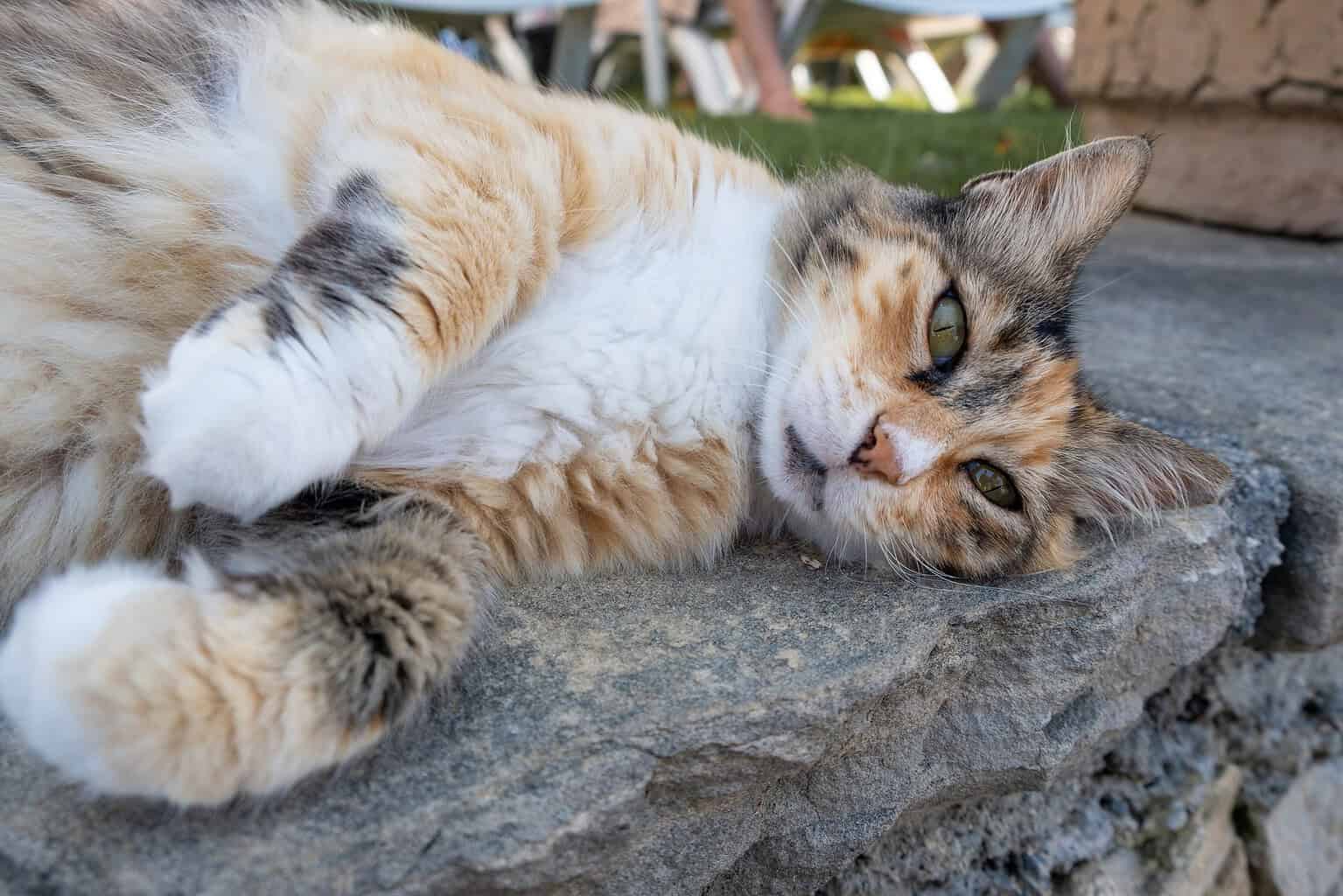
Yes, cats can eat blueberries. They are non-toxic and safe for most cats in tiny amounts, two or three berries at a time, but cats are obligate carnivores that cannot even taste sweetness, so a blueberry is a novelty treat rather than a health food. The real risks are a whole berry lodging in a kitten’s throat, loose stools from too many, and blueberry muffins, pie, jam or dried sweetened berries. Wash, halve, offer one, and keep all treats under 10 percent of daily calories.
Last updated: October 2025
Can cats eat blueberries safely?
Blueberries are one of the few people foods every veterinary source we opened agrees on. PetMD’s Sandra C. Mitchell, DVM, DABVP, calls them perfectly safe for most cats in small quantities, and the Cornell Feline Health Center’s toxic-food list (grapes, raisins, onions, avocado, chocolate and anything with xylitol) does not include them. Our guide to foods cats cannot eat covers the fruits that are dangerous.
The odd part is that your cat does not experience a blueberry the way you do. In 2005, a team led by Xia Li at the Monell Chemical Senses Center sequenced the two genes that make up the mammalian sweet receptor in domestic cats, a tiger and a cheetah. Tas1r3 was intact. Tas1r2 had a 247-base-pair deletion and a string of stop codons, and the researchers found no trace of its protein in cat taste buds. Without that half of the receptor, a cat cannot detect sweetness, which is why yours may bat a blueberry around the floor, crunch one for the texture, or ignore it completely.
So blueberries will not hurt a healthy cat, and they will not do much for one either. A few berries a week are a snack you share because your cat is curious, not because they help.

Are blueberries good for cats?
For people, blueberries have a well-earned reputation. For cats, built to run on animal protein and fat rather than fruit sugar, the numbers read differently. Here is what USDA FoodData Central reports for raw blueberries (SR Legacy, FDC ID 171711), per 100 grams and per cup (148 g), with a single berry worked out from the USDA measure of 50 berries weighing 68 grams.
| Nutrient (raw blueberries) | Per 100 g | Per 1 cup (148 g) | Per berry (about 1.4 g) |
|---|---|---|---|
| Calories | 57 kcal | 84 kcal | About 0.8 kcal |
| Water | 84.2 g | 125 g | 1.1 g |
| Total sugars | 9.96 g | 14.7 g | About 0.14 g |
| Dietary fiber | 2.4 g | 3.6 g | 0.03 g |
| Vitamin C | 9.7 mg | 14.4 mg | 0.13 mg |
| Potassium | 77 mg | 114 mg | About 1 mg |
| Phosphorus | 12 mg | 17.8 mg | Under 0.2 mg |
Two things jump out. First, the sugar. Nearly 10 grams per 100 grams is a lot for an animal that evolved on mice and birds, and PetMD lists it as the main reason blueberries can be a problem for diabetic or overweight cats. Second, the calories per berry are tiny: three berries come to about 2.3 calories, less than one commercial cat treat.
The fiber and vitamin C are real but trivial at the amounts a cat should eat. Cats make their own vitamin C, so that line is for you. The fiber in a quarter cup of berries is enough to loosen stools in a cat not used to fruit, which is the real reason to keep servings small even though the calorie math allows more.
How many blueberries can a cat eat?
The guardrail every veterinary nutrition source repeats is the same: treats and table food together should stay under 10 percent of daily calories. The Tufts Clinical Nutrition Service puts it in cat terms. A 10-pound cat typically needs just over 200 calories a day, so no more than 20 calories should come from treats. The Merck Veterinary Manual supplies the formula: resting energy requirement equals 70 times body weight in kilograms raised to the 0.75 power, times 1.0 for an indoor or overweight-prone cat and 1.2 for a neutered adult.
We ran that formula for four cat weights, took 10 percent as the treat budget and converted it to blueberries at about 0.8 calories per berry. The table is our suggestion, not a prescription. Calories are never the limit with blueberries; your cat’s gut is, which is why PetMD caps servings at three berries a few times a week and Cats.com’s Dr. Joanna Woodnutt suggests one or two a day at most.
| Cat weight | Daily treat budget (10% of Merck RER x 1.0 to 1.2) | Blueberries if they were the only treat | Our suggested serving |
|---|---|---|---|
| 8 lb (3.6 kg) | About 18 to 22 kcal | About 23 to 28 berries | 1 to 2 berries, halved |
| 10 lb (4.5 kg) | About 22 to 26 kcal | About 28 to 33 berries | 2 to 3 berries, halved |
| 12 lb (5.4 kg) | About 25 to 30 kcal | About 32 to 38 berries | 2 to 3 berries, halved |
| 15 lb (6.8 kg) | About 30 to 35 kcal | About 38 to 45 berries | 3 berries, halved |
Two or three times a week is plenty, and the first time should be a single berry followed by a day of watching the litter box. Berries share the treat budget with everything in our roundup of the best cat treats, so a blueberry day should be a lighter day for the rest.
Do blueberries really give cats antioxidants?

This is where most articles about cats and blueberries get ahead of the evidence, so it is worth slowing down. Blueberries are rich in anthocyanins, the pigments that make them blue, and anthocyanins are antioxidants, which is where the superfood label in human nutrition comes from. The question for a cat parent is whether any of that transfers to a five-kilogram carnivore eating two berries on a Tuesday, and the plain answer is that nobody has studied it.
The animal study that gets cited most often did not involve cats at all. In 2006, Kriya Dunlap and colleagues at the University of Alaska Fairbanks published a trial in Comparative Biochemistry and Physiology in which racing Alaskan sled dogs ate a performance diet with 2 percent of its weight, roughly 20 grams a day, replaced by wild blueberries for two months. After two days of hard running, the blueberry-fed dogs had significantly higher total antioxidant power in their plasma than dogs on the plain diet. That sounds like a win, and in a narrow sense it was. But the same study found that the blueberries did nothing measurable for muscle damage. Creatine kinase, the enzyme that leaks from stressed muscle, rose just as much in the blueberry group as in the runners who ate none, and the blueberry dogs stayed elevated longer. Isoprostane, a marker of oxidative damage, did not change in any group. The authors wrote that the extra antioxidants in the blood did not combat the muscle damage associated with exercise.
Translate that to your cat and the gap widens. Those were athletic dogs eating about 20 grams of berries daily for eight weeks, roughly fifteen berries a day. A cat following the serving guidance above eats two or three berries a few times a week. Dogs are also omnivores whose digestive systems handle plant material far better than a cat’s does. There is no feline trial showing that this amount of blueberry changes antioxidant status, inflammation, joint comfort, urinary health or anything else you can measure. Claims that blueberries boost a cat’s immune system or protect its joints are extrapolations from human and dog data, not findings in cats.
That does not mean the antioxidant story is fiction. It means the dose and the species are different, and the benefit, if there is one, is unproven and almost certainly small. The one place blueberries show up in feline nutrition with any regularity is as a minor ingredient in commercial cat foods and treats, usually as extract or dried powder, often marketed for antioxidant or urinary support. Those products are formulated to be complete and balanced, with the blueberry dose set by a nutritionist rather than by how many berries fall off your spoon. If you want blueberries in your cat’s diet for health reasons, a food that includes them is a more sensible route than hand-feeding fruit.
What a fresh blueberry offers a cat, realistically, is a low-calorie, low-salt, low-fat bit of enrichment. It is something new to sniff, paw at and crunch, it costs less than a calorie, and it will not add fat the way deli meat or cheese would. That is a perfectly good reason to share one. Just keep your expectations in the right place. A cat that eats three blueberries a week is getting a toy it can swallow, not a health intervention, and for a healthy cat that is fine.
Which blueberry foods are a real no for cats?
The fruit is safe. Almost everything people do to the fruit is not. Blueberry muffins, pancakes, scones and pie are the obvious offenders. The berries are the least of the problem; the butter, sugar and refined flour around them are what matter. A single muffin can hold more calories than a 10-pound cat should eat in a day, and the fat alone can trigger vomiting, diarrhea or pancreatitis in a sensitive cat. Baked goods also sometimes contain nutmeg or raisins, both on the toxic list.
Dried and sweetened blueberries concentrate the sugar into a small chewy package, often coated in added sugar or oil. PetMD names jam and pie filling as the forms to skip, and Cats.com adds canned berries and anything old or moldy, since moldy fruit can carry mycotoxins. Flavored blueberry yogurt adds lactose, which most adult cats cannot digest well.
Then there is xylitol. Sugar-free blueberry syrups, protein bars and baked goods are often sweetened with it, and the Cornell Feline Health Center lists anything containing xylitol among the foods that are off-limits for cats. Its severe, rapid toxicity is best documented in dogs, and cats appear less sensitive, but no veterinary source we opened considers it acceptable for a cat. If a blueberry product says sugar-free, it stays on your side of the counter.
Put your cat’s diet and allergies where a finder can read them
Shiloh’s House Smart Tags pair a laser-engraved name and number with a tap-to-open profile listing your contacts, medical notes and feeding rules, so whoever takes in your diabetic cat does not hand it the wrong snack. $38 one-time, no subscription, made in the USA.
How should you serve blueberries to a cat?
Preparation takes a minute and removes the two risks that matter. Rinse the berries under running water to clear dirt and pesticide residue, pull off any stem or leaf, then halve or mash each berry. PetMD recommends organic berries when you can get them, but a thorough rinse of conventional fruit is fine.
The cutting step is not fussiness. PetMD warns that whole berries can lodge in the windpipe or esophagus of small cats and kittens that try to swallow them without chewing. Cats do not grind food; their teeth are built for shearing, so a smooth round berry can slip straight back. Halving it solves the problem and releases the scent, which is what most cats are curious about anyway.
From there you have options. A halved berry from your fingers is simplest, and a mashed berry stirred into wet food works for cats that like the taste but not the texture. In summer, a frozen blueberry, thawed for a minute and then halved, makes a cool treat; PetMD and Cats.com both approve frozen berries as long as they are plain and not served rock-hard and whole. Daily Paws suggests pieces roughly the size of your cat’s kibble.
Kittens can have blueberries once fully weaned onto solid food, but they need the smallest pieces and portion: half a berry, mashed, once or twice a week at most. Their stomachs are tiny, so every bite of fruit displaces a bite of kitten food they need.
Serve it plain every time, and if your cat sniffs the berry and walks away, do not push it. Plenty of cats have no interest, and that is the carnivore in them doing exactly what it should.
Which cats should skip blueberries?
For a healthy adult cat, two or three berries a week are a non-event. These are the cats for whom we would ask the vet first.
Diabetic cats. This is the clearest no. Cats cannot taste sugar, but their bodies still process it, and PetMD notes that the sugar in blueberries can spike blood glucose in a diabetic cat. A cat on insulin is managed around a controlled diet, and unplanned carbohydrates make dosing less predictable. If your cat is drinking and urinating more than usual, our guide to why a cat drinks so much water covers the signs that warrant a glucose check.
“If your cat likes them, blueberries are fine to feed healthy cats. But because of blueberries’ sugar content, it’s best to avoid feeding them to cats with medical conditions such as diabetes.”
Theresa Entriken, DVM, veterinary consultant, quoted by Daily Paws (2020)
PetMD singles out inflammatory bowel disease and pancreatitis as conditions to clear with the vet first. Fiber and fruit sugar that are harmless to most cats can tip a reactive gut into diarrhea, and a cat on an elimination diet for food allergies should get nothing outside it.
Cats with kidney disease. People often worry about potassium here, so we checked. Kidney diets restrict phosphorus, protein and sodium, and according to the ISFM consensus guidelines on feline chronic kidney disease, low blood potassium is the more common problem in these cats, so renal diets are supplemented with it. Blueberries carry 77 mg of potassium and 12 mg of phosphorus per 100 grams, so a couple of berries add roughly 2 mg of potassium and well under half a milligram of phosphorus. On paper that is nothing. In practice, the vet managing the diet should decide what else goes in the bowl.
The same goes for any cat on a prescription diet. PetMD’s standing rule is that cats on veterinary diets should not get treats outside the diet unless the veterinarian says so.
If your cat falls into one of these groups, write it down where other people will see it. In the free Lohji app from Shiloh’s House, the pet profile behind a Shiloh’s House Smart Tag has a medical-notes field for conditions and feeding rules, so a finder who taps the tag sees “diabetic, prescription food only” before offering a snack, and the Share Profile card sends the same notes to a sitter. Get the app on the App Store or Google Play.
How do blueberries compare with other cat-safe fruits?
Blueberries sit in the middle of the pack, with more sugar per gram than melon or pumpkin and less than banana, and they win on portion control because a single berry is a natural serving. Here is how the common cat-safe fruits compare per 100 grams, raw, from USDA FoodData Central.
| Fruit (raw, per 100 g) | Calories | Total sugars | Fiber | USDA FDC ID |
|---|---|---|---|---|
| Blueberries | 57 kcal | 9.96 g | 2.4 g | 171711 |
| Banana | 89 kcal | 12.2 g | 2.6 g | 173944 |
| Pumpkin | 26 kcal | 2.76 g | 0.5 g | 168448 |
| Watermelon | 30 kcal | 6.2 g | 0.4 g | 167765 |
| Cantaloupe | 34 kcal | 7.86 g | 0.9 g | 169092 |
Banana is the sugar heavyweight, with more calories and sugar per gram than anything else here, which is why a thin slice goes a long way; see our guide to bananas for cats. Plain pumpkin is the outlier in the other direction, and the one fruit here veterinarians actually reach for, as a fiber source for constipation or loose stools; pumpkin for cats explains the canned-versus-pie-filling rule. Watermelon and cantaloupe are mostly water, and all of them follow the same rule: seedless, skinless, tiny and occasional.
If you also have a dog, the math is friendlier. Dogs are omnivores, can taste sweetness and can safely eat a small handful of berries, and our guide to blueberries for dogs covers portions by weight. For the cat, the dog’s handful is a week’s supply. If you are unsure how many calories your cat needs, how much to feed a cat walks through the numbers.
Strawberries follow the same rules with a little more sugar per bite; our guide to whether cats can eat strawberries covers hulling, serving sizes by weight and why jam and yogurt stay off the menu.
Frequently asked questions
Can kittens eat blueberries?
Yes, once a kitten is fully weaned onto solid food, but with extra care. Whole berries are a choking hazard for small mouths, so mash or quarter them, offer half a berry at most, and keep it to once or twice a week. Kittens have high calorie needs and tiny stomachs, so fruit should never displace kitten food.
Can cats eat frozen blueberries?
Yes. Plain frozen blueberries with no added sugar make a cool summer treat. Let them thaw for a minute so they are not rock-hard, then cut them in half, since a frozen whole berry is harder to chew and easier to swallow whole. Skip any frozen blueberry product with syrup or sweetener mixed in.
How many blueberries can I give my cat a day?
Our suggestion is one to two halved berries for cats under 10 pounds and two to three for larger cats, no more than two or three times a week. PetMD caps servings at three berries a few times weekly. Calories are not the limit, since three berries carry about 2.3 calories; your cat’s digestion is.
Can diabetic cats eat blueberries?
Not without the vet’s approval. Blueberries carry nearly 10 grams of sugar per 100 grams, and PetMD notes that sugar can spike blood glucose in a diabetic cat. A couple of berries add under half a gram of sugar, but a cat on insulin is managed around a predictable diet, and unplanned carbohydrates make dosing harder.
Can cats eat blueberry muffins or blueberry yogurt?
No. A blueberry muffin is mostly butter, sugar and flour, and one can exceed a 10-pound cat’s daily calorie need while risking vomiting or pancreatitis. Flavored yogurt adds lactose most adult cats cannot digest, and sugar-free versions may contain xylitol, which Cornell lists as off-limits for cats. Give plain, fresh berries or nothing.
Do blueberries have real health benefits for cats?
Not proven. The antioxidant research is in people and dogs, and the best-known animal trial, in Alaskan sled dogs, raised blood antioxidant levels without reducing muscle damage. No study has measured any health effect of blueberries in cats, and cats cannot even taste the sweetness. Think of a blueberry as low-calorie enrichment rather than a supplement.
Sources
- U.S. Department of Agriculture, “Blueberries, raw (SR Legacy, FDC ID 171711)”, USDA FoodData Central, 2019 — https://fdc.nal.usda.gov/food-details/171711/nutrients
- U.S. Department of Agriculture, “Bananas, raw (SR Legacy, FDC ID 173944)”, USDA FoodData Central, 2019 — https://fdc.nal.usda.gov/food-details/173944/nutrients
- U.S. Department of Agriculture, “Pumpkin, raw (SR Legacy, FDC ID 168448)”, USDA FoodData Central, 2019 — https://fdc.nal.usda.gov/food-details/168448/nutrients
- U.S. Department of Agriculture, “Watermelon, raw (SR Legacy, FDC ID 167765)”, USDA FoodData Central, 2019 — https://fdc.nal.usda.gov/food-details/167765/nutrients
- U.S. Department of Agriculture, “Melons, cantaloupe, raw (SR Legacy, FDC ID 169092)”, USDA FoodData Central, 2019 — https://fdc.nal.usda.gov/food-details/169092/nutrients
- Xia Li, Weihua Li, Hong Wang, Gary K. Beauchamp, Joseph G. Brand et al., “Pseudogenization of a Sweet-Receptor Gene Accounts for Cats’ Indifference toward Sugar”, PLoS Genetics, 2005 — https://journals.plos.org/plosgenetics/article?id=10.1371/journal.pgen.0010003
- Sandra C. Mitchell, DVM, DABVP (reviewed by Jennifer Coates, DVM), “Can Cats Eat Blueberries?”, PetMD, 2025 — https://www.petmd.com/cat/nutrition/can-cats-eat-blueberries
- Lisa M. Freeman, DVM, PhD, DACVIM (Nutrition), “The Most Popular Holiday Foods That Your Pet Should Avoid”, Tufts Petfoodology, Cummings School of Veterinary Medicine, 2023 — https://sites.tufts.edu/petfoodology/2023/12/08/the-most-popular-holiday-foodsthat-your-pet-should-avoid/
- Sherry Lynn Sanderson, DVM, PhD, DACVIM, “Nutritional Requirements of Small Animals”, Merck Veterinary Manual, 2024 — https://www.merckvetmanual.com/management-and-nutrition/nutrition-small-animals/nutritional-requirements-of-small-animals
- Kriya L. Dunlap, Arleigh J. Reynolds and Lawrence K. Duffy, “Total antioxidant power in sled dogs supplemented with blueberries and the comparison of blood parameters associated with exercise”, Comparative Biochemistry and Physiology Part A, 2006 — https://pubmed.ncbi.nlm.nih.gov/16520073/
- Daily Paws (with Theresa Entriken, DVM), “Can Cats Eat Blueberries? What to Know About This Superfood”, Daily Paws, 2020 — https://www.dailypaws.com/cats-kittens/cat-nutrition/what-can-cats-eat/can-cats-eat-blueberries
- Joanna Woodnutt, MRCVS, “Can Cats Eat Blueberries? A Vet Weighs In”, Cats.com, 2025 — https://cats.com/can-cats-eat-blueberries
- Cornell Feline Health Center, “Common Cat Hazards”, Cornell University College of Veterinary Medicine, accessed 2025 — https://www.vet.cornell.edu/departments-centers-and-institutes/cornell-feline-health-center/health-information/feline-health-topics/common-cat-hazards-0
- Andrew H. Sparkes et al., “ISFM Consensus Guidelines on the Diagnosis and Management of Feline Chronic Kidney Disease”, Journal of Feline Medicine and Surgery, 2016 — https://pmc.ncbi.nlm.nih.gov/articles/PMC11148907/