Can Cats Eat Cheese? Lactose, Safe Types and How Much
 Shiloh’s House Team
·
·
14 min read
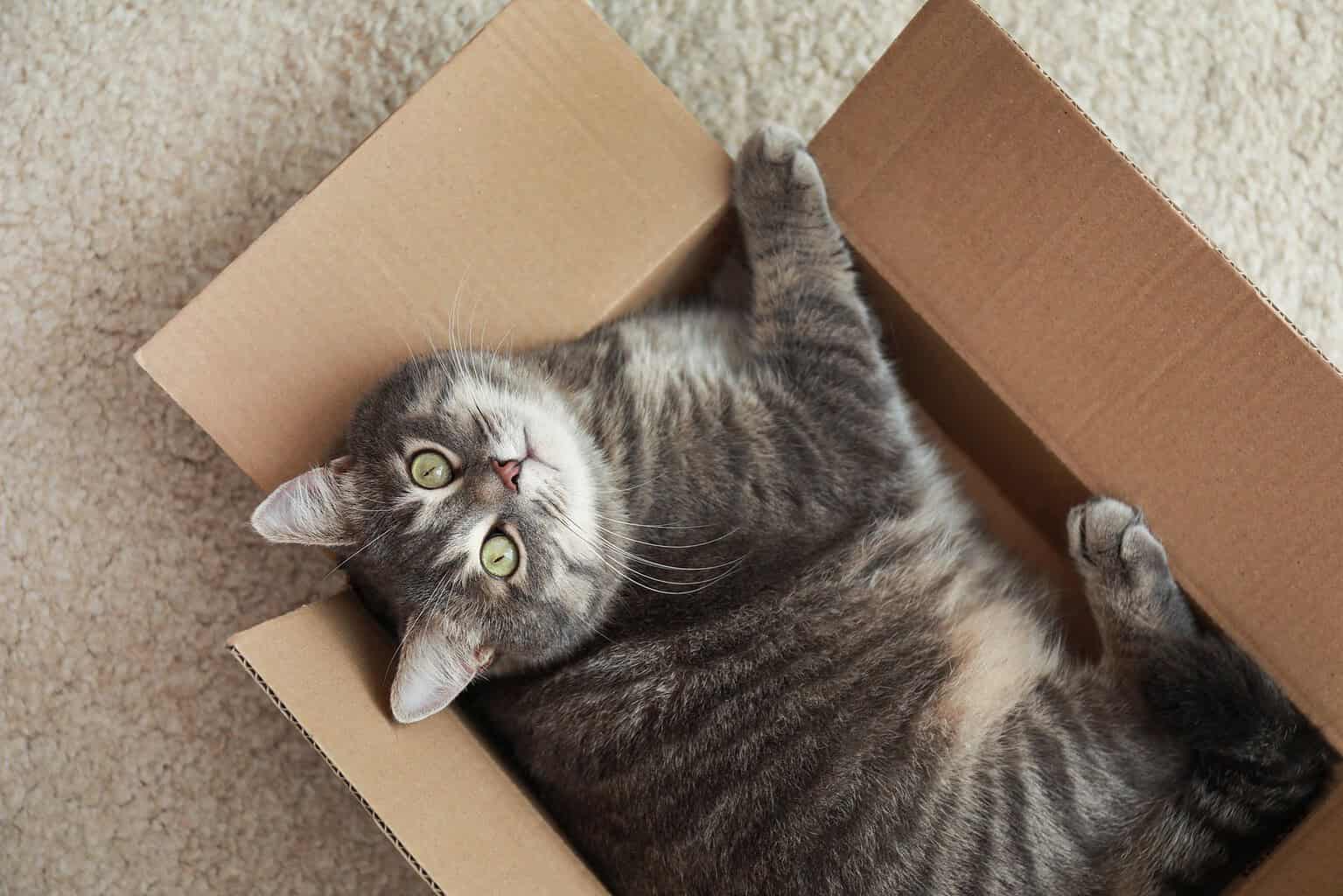
Yes, most healthy adult cats can have a tiny bite of plain, hard cheese like cheddar or Swiss, because cheese is not toxic to cats. It is also not something they need. Many adult cats are lactose intolerant, and cheese is high in fat, salt and calories for an animal that weighs ten pounds. Skip soft cheeses, blue cheese and anything with garlic, onion or chives, and ask your vet first if your cat has kidney disease or another condition.
Last updated: October 2025
Can cats eat cheese safely?
Cheese sits in an odd middle ground. It is not on the list of foods that poison cats, the way onions, garlic, grapes or chocolate are. Veterinarian Sandra C. Mitchell, writing for PetMD, puts it plainly: cheese is not toxic to cats, and it is high in protein and calcium. A cat that steals a corner of your sandwich is very unlikely to need an emergency vet.
But “not toxic” is a low bar. The same PetMD article notes that many, perhaps most, cats either have lactose intolerance or a dairy allergy, and that cheese is very high in calories. Vets Now, a UK emergency veterinary group, goes further and says cheese and dairy are simply not good for cats, even though they aren’t poisonous.
So the honest answer depends on three things:
- The cat. A healthy adult that has eaten dairy before without trouble is a very different case from a cat with kidney disease, diabetes, pancreatitis or a sensitive stomach.
- The cheese. Aged, hard cheeses carry far less lactose than soft, fresh ones, and some cheeses come with seasonings that are genuinely dangerous.
- The amount. A crumb the size of a pea is a treat. A one-ounce slice is a meal’s worth of calories for a small animal.
Cats are obligate carnivores and get everything they need from a complete and balanced cat food. Cheese adds nothing they are missing. If you share it, share it because your cat enjoys it, keep it rare and keep it tiny. If you are wondering about the classic saucer of milk too, our guide to whether cats can drink milk covers the same lactose problem in liquid form.
Why are so many adult cats lactose intolerant?
Kittens are built to drink milk. While they nurse, their small intestine makes plenty of lactase, the enzyme that splits lactose (milk sugar) into simpler sugars the body can absorb. Vets Now explains that lactase production slows once weaning starts, usually around four weeks of age, so by the time most kittens go to new homes at about eight weeks they may already be less able to handle dairy.
When an adult cat without much lactase eats dairy, the undigested lactose moves on to the large intestine. There, gut bacteria ferment it, and the sugar pulls water into the bowel. The result is the familiar set of signs:
- Diarrhea or loose stool
- Gas and bloating
- Vomiting or stomach upset
- Belly discomfort, sometimes with a cat that seems restless or hunched
Vets Now notes that diarrhea from lactose intolerance can show up eight to twelve hours after a cat eats dairy, which is why owners often don’t connect the litter box mess with the cheese from last night’s dinner.
Lactose intolerance is not the same as a dairy allergy. An intolerance is a digestion problem. An allergy is an immune reaction to milk proteins, and PetMD groups the two together as reasons a cat may react badly to even a small amount of cheese. Either way, a cat that gets sick after dairy should stop getting dairy.
Which cheeses are safest for cats, and which should they avoid?
Cheesemaking removes most of the lactose with the whey, and aging lets bacteria use up much of what is left. That is why vet sources such as PetMD point to firm, plain cheeses like cheddar, Swiss, Parmesan, provolone and Gouda as the better options, and steer cats away from soft, fresh cheeses such as cottage cheese, cream cheese, mozzarella and brie. Blue cheese is on the avoid list too, not for lactose but because it is very salty and Vets Now warns that its mold can be toxic to cats.
The table below uses USDA FoodData Central values per 100 grams and our own conversion to a 5-gram “small cube,” which is roughly the size of a standard die. The verdicts combine those numbers with the vet guidance above.
| Cheese (FDC ID) | Lactose level | Sodium per 5 g cube | kcal per 5 g cube | Verdict |
|---|---|---|---|---|
| Cheddar (173414) | Low (0.12 g per 100 g) | 33 mg | 20 | OK as a crumb, rarely |
| Swiss (171251) | Very low (0 g listed) | 9 mg | 20 | Best of the bunch, still rare |
| Parmesan, hard (170848) | Very low | 59 mg | 20 | Low lactose but salty |
| Mozzarella, whole milk (170845) | Higher (soft, fresh) | 24 mg | 15 | Skip |
| Feta (173420) | Low | 57 mg | 13 | Skip, very salty |
| Cream cheese (173418) | High (3.76 g per 100 g) | 16 mg | 18 | Skip |
| Cottage cheese, creamed (172179) | High (2.67 g per 100 g) | 16 mg | 5 | Skip |
| Blue cheese (172175) | Low | 57 mg | 18 | Avoid, mold and salt |
| Brie (172177) | Higher (soft-ripened) | 31 mg | 17 | Skip |
Lactose levels for cheeses where FoodData Central does not report lactose are described from vet guidance rather than measured values. Notice that a single die-sized cube of most hard cheeses lands right around 20 calories, which is the whole daily treat budget for an average indoor cat.
Beyond plain cheese, watch for anything flavored or processed. Garlic-and-herb spreads, chive cream cheese, onion dips, cheese sauces, pizza and mac and cheese all bring in either Allium vegetables, extra salt and fat, or both. The Merck Veterinary Manual says cats are the most susceptible species to garlic and onion poisoning, and that toxicosis has been reported in cats after less than a teaspoon of cooked onion. Our full list of foods cats can’t eat covers the rest of the kitchen.
How much cheese can a cat have?
Treats, including any people food, should make up less than 10 percent of a cat’s daily calories. Tufts Petfoodology, run by the board-certified nutritionists at Tufts’ Cummings School of Veterinary Medicine, says a 10-pound cat typically needs just over 200 calories a day, which means no more than about 20 calories from treats. PetMD’s guidance for cheese specifically is no more than a dice-sized piece, only once or twice a week.
“Owners often underestimate, or ignore, calories that come from treats.”
Dr. Cailin Heinze, veterinary nutritionist, Tufts Catnip (2015)
The table below is our own suggestion, not a veterinary standard. We estimated daily calories with the common resting energy formula vets use as a starting point for indoor, spayed or neutered adults (70 times body weight in kilograms to the 0.75 power), took 10 percent as the treat budget, and converted that to grams of cheddar using the USDA value of 403 calories per 100 grams. Your cat’s real needs may be higher or lower, so check with your vet.
| Cat weight | Est. daily kcal | 10% treat budget | Cheddar that uses the whole budget | Our suggested cheese bite (max 1 to 2 times a week) |
|---|---|---|---|---|
| 6 lb | about 150 | 15 kcal | 3.7 g | 1 g, about a pea |
| 8 lb | about 185 | 18 kcal | 4.6 g | 1.5 g |
| 10 lb | about 220 | 22 kcal | 5.4 g | 2 g, about a half-inch cube |
| 12 lb | about 250 | 25 kcal | 6.2 g | 2 g |
| 14 lb | about 280 | 28 kcal | 6.9 g | 2.5 g |
| 16 lb | about 310 | 31 kcal | 7.7 g | 2.5 g, only if not overweight |
We keep the suggested bite well under the full budget on purpose, so cheese never crowds out the cat’s regular treats or nudges a cat toward weight gain. If your cat is overweight, the right amount of cheese is none. Our guide to feeding cats eggs walks through the same treat math for a higher-protein option.
Is cheese a good way to give a cat pills?

Hiding a tablet in a bit of cheese is one of the oldest tricks in the book, and for a healthy cat on a short course of medication it can work. The trouble starts when the trick turns into a routine. A cat that needs a pill twice a day for weeks, months or the rest of its life is getting cheese every single day, and that changes the math completely.
Start with calories. A one-ounce slice of cheddar has about 114 calories, and even a half-inch cube is around 9. Wrap a pill twice a day and you can easily add 15 to 20 calories daily, which is the entire treat allowance Tufts suggests for a 10-pound cat. Over months, that is the kind of quiet surplus that leads to weight gain, and extra weight raises the risk of problems like diabetes and joint pain.
Then think about who usually needs long-term pills. Often it is an older cat with a chronic condition, and those are exactly the cats for whom cheese is the worst fit.
- Kidney disease. Tufts nutritionists point out that dogs and cats with kidney disease need to be careful with several nutrients, including phosphorus, which is high in meat and dairy, and sodium. Cheddar carries about 455 mg of phosphorus and 653 mg of sodium per 100 grams, according to USDA FoodData Central. Kidney diets are deliberately restricted in phosphorus, and a daily cheese habit can work against the very diet your vet prescribed.
- Heart disease and high blood pressure. Tufts also flags sodium as a concern for pets with heart disease. Many hard cheeses, Parmesan and feta in particular, are very salty for an animal this size.
- Pancreatitis, IBD and sensitive stomachs. PetMD advises calling your vet before any symptoms develop if a cat with inflammatory bowel disease, diabetes, liver disease or pancreatitis eats cheese. High-fat foods are a common trigger for flare-ups in sensitive cats.
- Diabetes. Diabetic cats depend on steady, predictable meals that match their insulin. Extra snacks make that harder to manage.
There is also a practical problem. Cats are sharp about tastes and smells, and some learn to eat the cheese and spit out the tablet, or start refusing cheese altogether once they associate it with medicine. That can leave you without a backup plan when the medication really matters. A few drugs can also interact with calcium-rich foods, so always ask your vet or pharmacist whether a specific medication should be given with food, and with which foods.
Better options exist. Commercial pill pockets made for cats are portioned and labeled with calories. Many vets will show you how to give a pill directly, followed by a small treat or a syringe of water. A dab of your cat’s own wet food, or a tiny piece of plain cooked chicken, often works just as well as cheese. For cats on a kidney diet, ask your vet whether the prescription food comes in a treat form or can be used to wrap pills. Some medications can also be compounded into a flavored liquid or a chew, which may be easier for both of you.
The point is not that one cheesy pill will hurt your cat. It won’t. The point is that a habit should be chosen with the same care as the medication it delivers, and for most cats on long-term treatment, cheese is the wrong vehicle.
What should you do if your cat ate cheese?
First, figure out what and how much. A nibble of plain cheddar or Swiss is a very different situation from half a tub of garlic-and-herb spread or a slice of pizza. PetMD notes that most healthy cats who eat a small amount of cheese will be fine, apart from perhaps a bit of stomach upset, and that monitoring at home is usually reasonable.
Here is a simple plan:
- Remove the rest and check the label for garlic, onion, chives, leeks or onion powder.
- Make sure fresh water is available. Salty cheese can make a cat thirsty, and diarrhea can dehydrate a small animal quickly.
- Watch for the next 12 to 24 hours for vomiting, diarrhea, gas, a tender belly or a cat that hides and won’t eat.
- Call your vet if signs are more than mild, if they last beyond a day, or if your cat has an existing health condition.
Kittens deserve extra caution. They are smaller, dehydrate faster and, as Vets Now notes, the fat and salt in cheese are an even bigger risk for them than for adult cats. If a young kitten eats more than a crumb and develops diarrhea, call your vet rather than waiting it out.
What are better treats than cheese for cats?
If your cat loves cheese, it is probably the smell of fat and protein that draws it in. You can satisfy that craving with foods that suit a carnivore better and are easier on the stomach. Tufts Petfoodology lists portions of everyday foods that land around 15 to 20 calories, including one tablespoon of diced, plain cooked chicken or turkey breast (about 15 calories) and a quarter of a hard-boiled egg (about 20 calories).
Good swaps include:
- Plain cooked chicken or turkey. No skin, no seasoning, no bones. Our guide on whether cats can eat chicken covers safe prep and portions.
- A little cooked egg. Scrambled or hard-boiled with nothing added.
- Commercial cat treats with calories printed on the bag, so you can count them against the daily budget.
- Freeze-dried single-protein treats, broken into pieces to stretch them further.
- Play. Tufts reminds owners that many pets enjoy attention, games and brushing just as much as food.
If you share a home with both species, note that dogs and cats have different limits. Our guide to cheese for dogs explains how the math changes for a bigger animal.
Food rules are also worth writing down for anyone who cares for your cat. If your cat can’t have dairy, has a kidney diet or takes daily pills, put that in your cat’s profile in Lohji, Shiloh’s House’s free app for pet parents. The same app turns a pet photo into a cartoon avatar, called a Lohji, for stickers, slideshows and collector cards, and it holds the profile a Shiloh’s House smart tag opens when a finder taps it, with your contacts and medical and behavior notes. It’s free on the App Store and Google Play.
Diet notes that travel with your cat
A Shiloh’s House smart tag is laser-engraved premium acrylic with a “Tap Phone Here” NFC back. If your cat slips out, a finder taps it with any phone, no app needed, and sees your contacts plus medical notes like “kidney diet, no dairy.” Made in the USA, $38, with 35 designs.
Frequently asked questions
Is cheese bad for cats?
Cheese is not toxic to cats, but it isn’t good for them either. Many adult cats are lactose intolerant, and cheese is high in fat, salt and calories for a small animal. A crumb of plain hard cheese now and then is unlikely to hurt a healthy adult cat, while regular servings can cause stomach upset and weight gain. Cats with health problems should skip it unless their vet agrees.
How much cheese can a cat have?
Very little. PetMD suggests no more than a dice-sized piece once or twice a week, and Tufts recommends keeping all treats under 10 percent of daily calories, about 20 calories for a 10-pound cat. Since one die-sized cube of cheddar is around 20 calories, we suggest a smaller bite, about 1 to 2 grams for an average cat, broken into crumbs.
Are cats lactose intolerant?
Most adult cats are, at least partly. Kittens make lactase to digest their mother’s milk, but production drops after weaning starts at about four weeks. Without enough lactase, dairy can cause diarrhea, gas, bloating or vomiting, often eight to twelve hours later. Some cats tolerate small amounts, but there is no easy way to know in advance, so dairy is best kept rare.
Can kittens eat cheese?
It’s best not to give cheese to kittens. Vets Now notes that lactase production falls once weaning begins, so many kittens are already losing the ability to digest dairy by the time they go home. Kittens are also small and dehydrate quickly from diarrhea, and the fat and salt in cheese are a bigger risk for them. Stick to a complete kitten food and kitten treats.
Can cats eat cream cheese or cottage cheese?
These are better skipped. Soft, fresh cheeses keep more of their lactose, and USDA data show cream cheese at about 3.8 grams of lactose per 100 grams, roughly thirty times as much as cheddar. That makes stomach upset more likely. Flavored cream cheeses can also contain chives, garlic or onion, which are toxic to cats, so check any label before your cat licks a bagel.
Can I use cheese to give my cat a pill?
For a healthy cat on a short course, an occasional small piece is usually fine. For daily, long-term medication, cheese adds up to a lot of calories, fat, salt and phosphorus, which is especially unhelpful for cats with kidney disease, heart disease or pancreatitis. Ask your vet about cat pill pockets, a dab of wet food or a flavored compounded version of the medication instead.
Sources
- Can Cats Eat Cheese?, PetMD (2023)
- Cheese, cheddar (FDC ID 173414) and related cheese entries, USDA FoodData Central (2019)
- The Most Popular Holiday Foods That Your Pet Should Avoid, Tufts Petfoodology, Cummings School of Veterinary Medicine (2023)
- Treat Options for Dogs and Cats Without Unbalancing Their Diet, Tufts Petfoodology (2021)
- Cat Treat Math: The 10% Calorie Solution, Tufts Catnip (2015)
- Can Cats Eat Cheese, Milk and Dairy Products?, Vets Now (2021)
- Garlic and Onion (Allium spp) Toxicosis in Animals, Merck Veterinary Manual (2024)