Can Dogs Eat Eggs? Raw vs Cooked, Eggshells and How Much Is Safe
 Shiloh’s House Team
·
·
15 min read
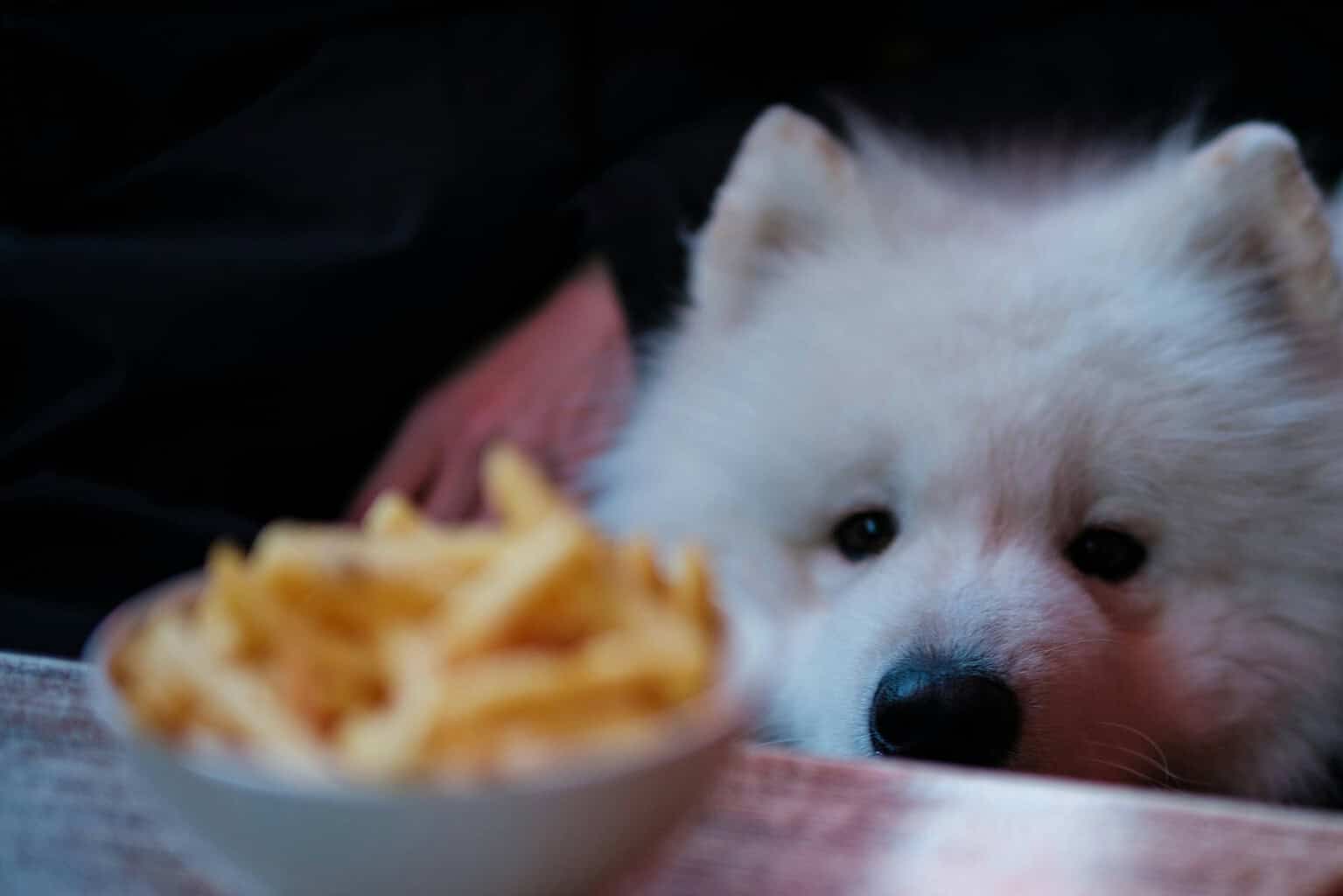
Yes, dogs can eat eggs, as long as they are fully cooked and served plain. Hard-boiled, scrambled or poached eggs with nothing added are a safe, protein-rich treat for most healthy dogs. Skip raw eggs, which can carry Salmonella, and skip eggs cooked with butter, salt, onion, garlic or cheese. One large egg has about 78 calories, so a small dog needs only a bite or two. Keep eggs, like all treats, under 10% of daily calories.
Last updated: November 2025
Can dogs eat eggs?
Eggs are safe for dogs. They are not toxic, they are made of the same protein and fat that already fill most dog foods, and plenty of commercial dog foods and treats list egg as an ingredient. PetMD, in an article by veterinarian Dr. Hector Joy, puts it simply: dogs can eat eggs when they are fully cooked and served plain.
That nutrition is the reason eggs show up so often on vet-approved treat lists. A large egg brings high-quality protein, healthy fats, vitamin A, several B vitamins, selenium and choline. The clinical nutrition team at Tufts University’s Cummings School of Veterinary Medicine includes hard-boiled egg on its list of healthy, relatively low-calorie treat options, at about 20 calories for a quarter of a large egg.
The problems almost never come from the egg itself. They come from three things around it:
- Raw eggs. Raw egg can carry Salmonella, and raw egg white interferes with a B vitamin called biotin.
- Add-ons. Butter, oil, salt, onion, garlic, chives and cheese turn a healthy snack into an upset stomach or worse.
- Amount. Eggs are calorie-dense for their size, so a whole egg can be most of a small dog’s treat budget for the day.
If you are checking several foods before a holiday meal, our guide to foods dogs can’t eat covers the ingredients that should never reach the dog bowl.

Why shouldn’t dogs eat raw eggs?
Raw eggs carry the same food-safety risk for dogs that they carry for people. The U.S. Food and Drug Administration warns that fresh eggs, even those with clean, uncracked shells, may contain Salmonella bacteria. When the FDA wrote its egg safety rule for large egg farms, it estimated the rule would prevent about 79,000 illnesses and 30 deaths a year caused by eggs contaminated with one strain, Salmonella Enteritidis.
“Feeding raw eggs to dogs has the same risks as people eating raw eggs.”
Dr. Jerry Klein, chief veterinary officer of the American Kennel Club, Chewy (2025)
Dogs that eat a contaminated egg can develop vomiting, diarrhea and dehydration, according to PetMD. Many healthy adult dogs shrug off a small exposure, but puppies, seniors and dogs with weaker immune systems are more likely to get sick.
There is a second reason vets steer people away from raw-egg diets: the risk travels. The FDA’s Center for Veterinary Medicine tested commercial pet foods for two years and found raw pet food was more likely to carry disease-causing bacteria than other types. In that study, 15 of 196 raw dog and cat food samples tested positive for Salmonella, while none of the 120 dry dog food samples did. The FDA notes that owners who handle raw pet food may have a higher risk of getting infected themselves.
Cooking solves both problems at once. Heat kills Salmonella, and it also switches off the egg white protein that blocks biotin, which we cover next.
Does raw egg white really cause biotin deficiency in dogs?
It can, but only in unusual circumstances. Raw egg white contains a protein called avidin, which binds tightly to biotin, a B vitamin dogs need for healthy skin, coat, metabolism and digestion. Bound biotin cannot be absorbed, so a dog fed a lot of raw egg white over time can run short.
PetMD notes that avidin can interfere with nutrient absorption when raw egg white is fed regularly, and that cooking neutralizes it. Chewy’s vet-reviewed guide adds a useful detail: egg yolks are a good source of biotin, so feeding whole eggs rather than whites alone is helpful. Whole Dog Journal makes the same point, calling biotin deficiency theoretically possible but rare in dogs.
So what does that mean at home?
- A dog who licks up one dropped raw egg is not going to develop a biotin problem from it. Watch for stomach upset instead.
- The real risk is a routine of raw egg whites, for example a protein-boosting habit of cracking raw whites over the food bowl every day.
- Signs that could point to a long-term deficiency are skin and coat changes such as hair loss, a dull coat or flaky skin. Those have many other causes, so talk to your vet rather than guessing.
Cooked eggs remove the question entirely. Once the white is firm, avidin no longer binds biotin, and your dog gets the yolk’s biotin too. That is one more reason every vet source we reviewed lands in the same place: cook the egg.
How many eggs can a dog eat?
Eggs count as a treat, and treats of any kind should make up no more than 10% of a dog’s daily calories. Tufts’ veterinary nutritionists use that rule so extras do not unbalance a complete diet. Their examples: a 10-pound dog needs about 300 calories a day, leaving about 30 for treats, while an average 75-pound dog needs about 1,400, leaving about 140.
The table below estimates daily calories for a neutered adult dog using the formula in the American Animal Hospital Association’s nutrition guidelines (70 times body weight in kilograms to the 0.75 power, times 1.4). Egg math uses 78 calories for a large hard-boiled egg, from USDA data. Real dogs vary, so treat these as starting points.
| Dog weight | Approx. daily calories | 10% treat budget | Ceiling in egg (78 cal each) | Sensible serving |
|---|---|---|---|---|
| 5 lb | 180 | 18 | Just under 1/4 egg | 1 to 2 teaspoons of chopped egg |
| 10 lb | 300 | 30 | About 1/3 egg | 1/4 egg |
| 20 lb | 510 | 51 | About 2/3 egg | 1/4 to 1/2 egg |
| 30 lb | 690 | 69 | Almost 1 egg | 1/2 egg |
| 50 lb | 1,020 | 102 | About 1 1/3 eggs | 1/2 to 1 egg |
| 75 lb | 1,380 | 138 | About 1 3/4 eggs | 1 egg |
| 100 lb | 1,710 | 171 | About 2 eggs | 1 to 1 1/2 eggs |
The ceiling column assumes egg is the only treat that day, which is rarely true. How often matters too. PetMD’s guide suggests eggs one to two times a week at amounts similar to the serving column, and Chewy’s vet-reviewed guide reports Dr. Klein recommends starting at once a week to make sure your dog’s stomach handles it.
How do you cook eggs for a dog safely?

The safest egg for a dog is the plainest one. Every vet source we reviewed gives the same core advice: cook the egg all the way through and add nothing. Here is how to get it right with the methods most kitchens already use.
Hard-boiled eggs are the easiest. Place eggs in a pot, cover them with water, bring it to a boil and cook until both the white and the yolk are completely firm. The FDA’s advice for people, cook eggs until both the yolk and the white are firm, is the right standard for dogs too. Cool the egg, peel it completely, and chop it into pieces that suit your dog’s size. Peeling well matters, because stray bits of shell have sharp edges.
Scrambled eggs work well if you skip the usual extras. Whisk the egg with a splash of water instead of milk, and cook it in a nonstick pan with no butter, oil or salt. Stir until no wet, glossy egg remains. The FDA says scrambled eggs should not be runny, and a dog’s portion is no exception.
Poached eggs are fine as long as the yolk is cooked firm. A soft, runny poached egg is still partly raw, so leave it in the water a few minutes longer than you would for yourself.
Baked eggs in a muffin tin are handy for batch prep. Crack eggs into a lightly lined tin with nothing added, bake until firm throughout, cool and store.
Fried eggs are the one common method to avoid. Frying adds oil or butter, and PetMD notes that egg yolks are already high in fat. For dogs with a history of pancreatitis or a sensitive stomach, the extra fat is a real problem.
Size the pieces for your dog. For toy breeds, crumble egg finely or mash it with a fork. Small dogs do well with pea-size pieces. Medium and large dogs can usually handle slices or quarters of a hard-boiled egg, though fast eaters do better with smaller bits.
A few ways to serve it that dogs love:
- Crumble a little hard-boiled egg over your dog’s usual food as a topper.
- Spread a spoonful of plain scrambled egg on a lick mat for a slow, calming snack.
- Stuff plain scrambled egg into a rubber food toy and freeze it for a longer challenge.
- Use tiny cubes of hard-boiled egg as a high-value training reward.
Food safety still applies after cooking. The FDA advises using hard-cooked eggs within one week, eating leftover cooked egg dishes within three to four days, and never leaving cooked eggs out of the refrigerator for more than two hours, or one hour when it is above 90 degrees. Bacteria grow quickly at room temperature, and a dog’s bowl sitting in a warm kitchen counts.
Finally, wash your hands, the cutting board and any utensils after handling raw eggs, before you touch your dog’s food or bowls. Salmonella on a counter can reach a dog as easily as it reaches you.
If you introduce eggs for the first time, start with a small piece and wait a day. Watch for vomiting, loose stool, gas or itching before offering more. Most dogs handle cooked egg easily, and once you know yours does, it becomes one of the simplest healthy treats you can make.
Are scrambled eggs with butter, salt or onion OK for dogs?
A bite of your breakfast eggs is unlikely to be an emergency, but it is not the same as a plain egg. How you cook eggs for yourself changes the fat, the sodium and, sometimes, the safety.
Health Canada’s nutrient tables, which list eggs as typically prepared, show the difference clearly:
| Egg as prepared | Calories | Fat | Sodium |
|---|---|---|---|
| 1 large hard-boiled egg | 78 | 5 g | 62 mg |
| 1 large poached egg | 74 | 5 g | 147 mg |
| 2 large fried eggs | 173 | 14 g | 322 mg |
| Scrambled eggs, made with 2 eggs | 189 | 14 g | 476 mg |
| Cheese omelet, made with 2 eggs | 273 | 20 g | 890 mg |
Two plain hard-boiled eggs come to about 124 mg of sodium. The same two eggs scrambled the usual way carry nearly four times that, and a cheese omelet roughly seven times. Fat climbs too, and PetMD warns that dogs with a history of pancreatitis, obesity or a low-fat diet may be at risk for flare-ups from extra fat.
Onion, garlic and chives are the bigger concern. The Merck Veterinary Manual says dogs have been poisoned by raw, cooked, dehydrated and granulated onion and garlic, that garlic is three to five times more toxic than onion, and that signs of anemia often take several days to appear. A forkful of omelet with a little onion is not the same as a large dose, but if your dog eats a whole veggie scramble or a dish heavy with onion or garlic powder, call your vet.
If cheese is the add-on, our guide on whether dogs can eat cheese covers which kinds are safest.
Can dogs eat eggshells?
Technically yes, but most dogs should not. Eggshells are mostly calcium carbonate, and Whole Dog Journal reports that one shell contains about 2,000 milligrams of elemental calcium, enough to meet the daily needs of an 85-pound dog. That is a lot of calcium in a very small package.
For a dog eating a complete and balanced commercial food, extra calcium is not a benefit. Whole Dog Journal warns that eggshell powder should never be added to the diet of dogs already eating a nutritionally complete commercial diet, because they will get far too much calcium. Large-breed puppies are the most vulnerable, since excess calcium can harm their developing skeletons during the rapid growth of the first months.
Shells also carry two practical risks:
- Sharp edges. Pieces of shell can scratch the mouth, throat or digestive tract.
- Bacteria. Salmonella can live on the outside of the shell, so raw shells carry the same risk as raw egg.
PetMD says eggshells can be used when prepared properly, baked or boiled and ground to a fine powder, but only under a veterinarian’s guidance. In practice, that mostly applies to dogs on a home-cooked diet formulated by a veterinary nutritionist who has specified a calcium source and amount.
If your dog swipes a whole egg off the counter, shell and all, it is usually a stomach-upset situation rather than an emergency. Watch for vomiting, belly pain or blood in the stool, and call your vet if any appear or if your dog is very small.
Holiday guests, open doors, one tap home
A Shiloh’s House Smart Tag lets anyone who finds your dog tap the tag with a phone, no app needed, to call or text you, get directions and read your dog’s medical notes.
Can dogs eat deviled eggs, quiche and other holiday egg dishes?
Holiday tables are full of eggs, and almost none of them are dog-friendly as served. The egg is fine. Everything mixed into it is the problem.
- Deviled eggs. The filling is egg yolk mixed with mayonnaise, mustard, salt and often paprika, relish, chives or onion. Expect high fat and salt, and possibly Allium. One stolen half is usually a stomach-upset risk. A tray is a call to your vet.
- Quiche and egg casseroles. These pack cream, cheese, butter crust and often bacon, sausage, onions or leeks. The fat load is high, and onion and leek are both Allium plants.
- Egg salad. Mayonnaise plus onion or celery salt makes it a pass.
- Eggnog. Often made with raw eggs, plus sugar, nutmeg and sometimes alcohol. Our guide on whether dogs can drink eggnog covers what to do if your dog laps some up.
- Stuffing, breads and baked goods. Eggs bind them, but onion, garlic, raisins and rich fat are the real risks.
The easy fix is to set aside a plain hard-boiled egg for your dog before you season anything. A few chopped pieces next to plain, skinless turkey or a spoonful of plain potato gives your dog a holiday plate without the risk. If you like baking for your dog, our homemade dog treat recipes use egg as a simple binder.
Busy holidays also bring open doors and visiting guests. Make sure your dog’s ID is current before the crowd arrives.
Can dogs be allergic to eggs?
Yes, though egg allergy is uncommon. In a 2016 review in BMC Veterinary Research, dermatologists Ralf Mueller, Thierry Olivry and Pascal Prélaud pooled studies of 297 dogs with confirmed food allergies. Egg was the culprit in 11 dogs, about 4%. Beef (34%), dairy (17%), chicken (15%) and wheat (13%) were far more common.
Food allergies in dogs usually show up as skin and ear problems rather than a dramatic reaction. PetMD lists chronic ear infections, itchy or inflamed skin around the ears, paws or face, and vomiting or diarrhea. Those signs build over time, which is why it helps to introduce eggs one small serving at a time and change nothing else that week.
A sudden reaction, such as hives, facial swelling or trouble breathing, is rare but needs emergency care.
If your dog has a confirmed food allergy, your vet may recommend a strict diet with no extras at all, and that includes eggs. Peanut butter, another popular topper, has its own rules, covered in our guide to peanut butter for dogs.
Allergies and special diets are worth writing down where a stranger can see them, too. If your dog ever gets lost, the person who finds them may try to help with a snack. With a Shiloh’s House Smart Tag, the free Lohji app (App Store, Google Play) lets you add medical and behavior notes to your dog’s tag profile, so a finder who taps the tag sees “no eggs” or “low-fat diet only” right next to your phone number.
Frequently asked questions
Can dogs eat eggs every day?
Most healthy dogs do not need eggs daily. PetMD suggests eggs one to two times a week, and Chewy reports Dr. Jerry Klein recommends starting at once a week. A large dog can occasionally have more if the calories fit its 10% treat budget, but daily eggs add up fast. Ask your vet if you want eggs to be a regular part of your dog’s diet.
Can puppies eat eggs?
Yes, puppies can have small amounts of fully cooked, plain egg once they are eating solid food. Keep portions small, since growing puppies need their balanced puppy food for the right mix of nutrients. Never give eggshell powder to a puppy, especially a large-breed puppy, because Whole Dog Journal warns that extra calcium can harm developing bones.
What should I do if my dog ate a raw egg?
Do not panic. Most healthy adult dogs who eat one raw egg are fine. Watch for vomiting, diarrhea, fever, lethargy or loss of appetite over the next few days, and call your vet if any appear. Clean up carefully and wash your hands, because a dog can shed Salmonella in saliva and stool even without looking sick.
Are egg whites or egg yolks better for dogs?
Both are safe once cooked. The white is mostly protein and very low in fat, while the yolk holds the fat, vitamins and biotin. For most dogs, a whole cooked egg is best. For dogs on a low-fat diet or with a history of pancreatitis, PetMD suggests egg whites only or skipping eggs, so check with your vet.
Do eggs help a dog’s upset stomach?
Plain cooked egg is gentle and easy to digest, which is why some people offer it to a dog recovering from a mild stomach upset. Keep it plain, small and fully cooked, with no butter or salt. If your dog is vomiting repeatedly, has diarrhea for more than a day, or seems lethargic, call your vet before feeding anything.
Can dogs eat eggs from backyard chickens?
Yes, if they are fully cooked. Backyard eggs are not covered by the FDA rule that requires large farms to test for Salmonella and refrigerate eggs, so treat them with the same care. Collect eggs often, refrigerate them, discard cracked or dirty ones, and cook every egg your dog eats until the white and yolk are firm.
Sources
- USDA FoodData Central, Egg, whole, cooked, hard-boiled (SR Legacy 173424) (2019)
- Whole Dog Journal, Are Eggs Good for Dogs? (2022)
- U.S. Food and Drug Administration, What You Need to Know About Egg Safety
- U.S. Food and Drug Administration, Egg Safety Final Rule
- U.S. Food and Drug Administration, Get the Facts! Raw Pet Food Diets Can Be Dangerous to You and Your Pet
- Chewy, Can Dogs Eat Eggs? (2025)
- PetMD, Can Dogs Eat Eggs? Benefits, Risks, and Feeding Tips (2025)
- Tufts Petfoodology, Treat Options for Dogs and Cats Without Unbalancing Their Diet (2021)
- AAHA, Energy Requirement Calculations, Nutrition and Weight Management Guidelines (2021)
- Health Canada, Nutrient Value of Some Common Foods, Eggs and Egg Dishes (2008)
- Merck Veterinary Manual, Garlic and Onion (Allium spp) Toxicosis in Animals (2024)
- Mueller, Olivry and Prélaud, Common Food Allergen Sources in Dogs and Cats, BMC Veterinary Research (2016)