Waterproof Dog Tags: Which ID Tags Survive Rain, Mud and Swimming?
 Shiloh’s House Team
·
·
15 min read
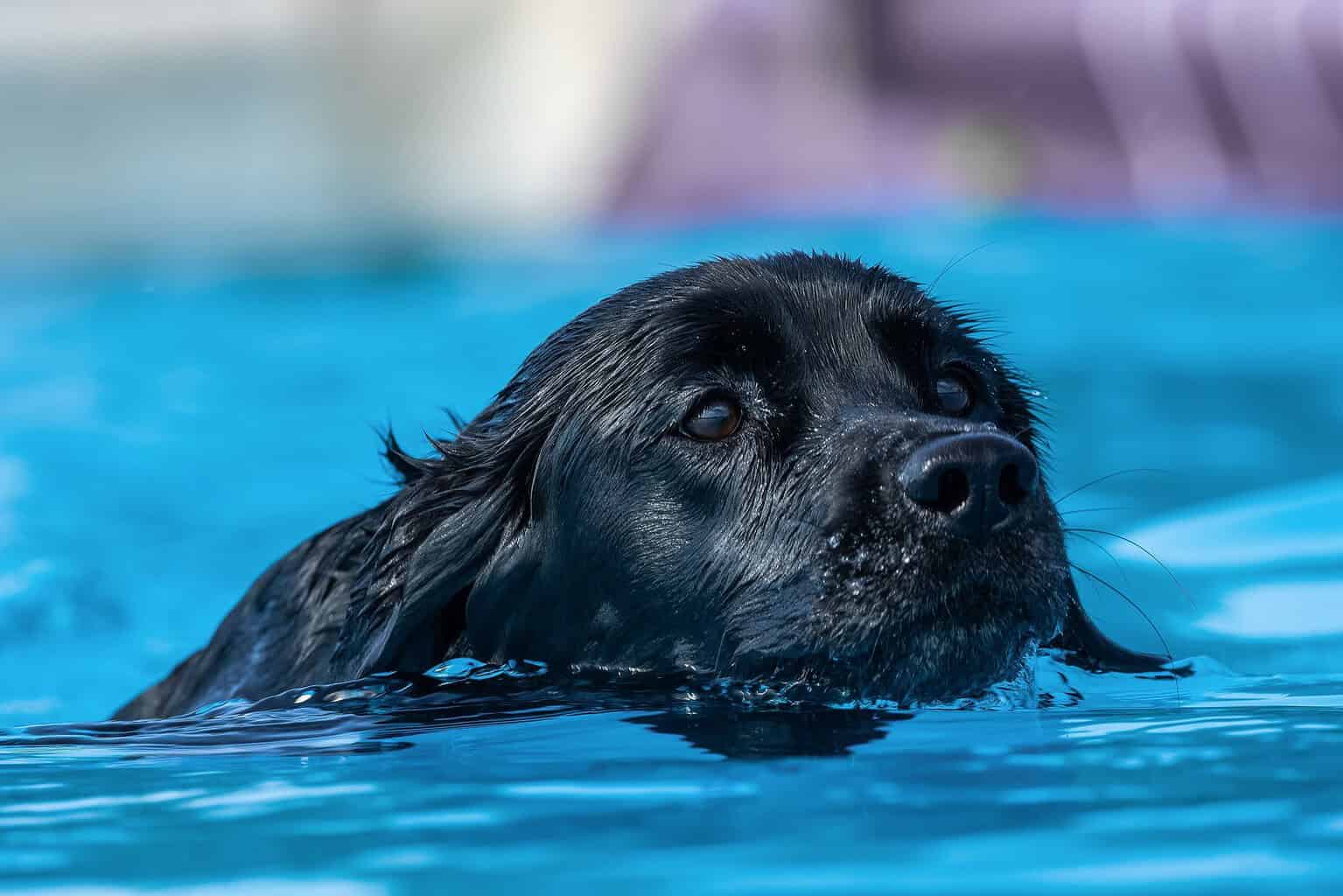
Acrylic, silicone and 316 stainless steel tags all shrug off rain, mud and swimming, while brass, bare aluminum and painted or epoxy finishes wear faster in saltwater and sun. In practice the tag itself is rarely what fails. The split ring corrodes, the paint fill fades, or the tag hides under a life jacket. Rinse tags in fresh water after the beach or pool, dry an NFC tag before tapping it, and check the ring every month.
Last updated: November 2025
Which ID tag materials are actually waterproof?
“Waterproof” on a pet tag can mean two different things. It can mean the material does not dissolve, rust or swell in water. Or it can mean the whole tag, including the printing, paint, chip and ring, comes through years of wet walks still readable. Most tags pass the first test. Fewer pass the second.
Start with the body of the tag. Acrylic is a solid plastic that takes on very little water. In a 2020 study, researchers kept acrylic samples submerged in tap water and seawater for up to 36 months. After eight months the seawater samples had gained only about 0.7% in weight. After 19 months it reached roughly 1.5%, which the authors describe as the saturation level. The same study found that strength and stiffness did drop slowly with very long immersion. A dog tag that goes swimming on Saturday and dries out by Sunday faces far less than that.
Silicone is also very hard to hurt with water. Shin-Etsu, a major silicone maker, says silicone rubber can sit in cold, warm or boiling water for long periods, absorbing about 1% water with virtually no effect on its strength. The company also reports that wind, rain and UV leave its physical properties almost unchanged.
Metals depend on the alloy. Stainless steel forms a thin protective oxide layer that heals itself. Aluminum and brass are less forgiving in saltwater, as the next section shows. So the honest answer is that several materials are waterproof. The real differences show up with salt, chlorine, sun and friction, and in the parts bolted onto the tag. For a side-by-side look at the two most popular quiet options, see our silicone vs acrylic pet tags comparison.

How do tag materials compare in rain, saltwater and chlorine?
The table below pulls together what materials data says about each common tag type. Where no tag-specific study exists, we say so and give general guidance. “Readability” means how well the phone number stays legible over time, not how it looks on day one.
| Tag type | Rain and fresh water | Saltwater and pool | Readability and noise |
|---|---|---|---|
| Acrylic, laser engraved | Excellent. About 1.5% water uptake even after 19 months submerged | Very good. Low uptake in a 36-month seawater study. Pool water: no known harm (general); rinse anyway | Engraving lasts; paint fill can wear. Silent |
| Silicone | Excellent. About 1% water absorption, strength virtually unchanged | Good (general). Material resists weather; printed ink is the weak point | Printed or molded text varies. Silent |
| 304 stainless steel | Excellent | Fair. Can pit and stain with chlorides and road salt | Deep engraving lasts; shallow etch wears. Jingles |
| 316 stainless steel | Excellent | Very good. 2 to 3% molybdenum adds chloride resistance | Same as 304. Jingles |
| Anodized aluminum | Good | Fair. Anodizing cut corrosion about 13-fold in one seawater test; scratches expose bare metal (general) | Color layer scratches. Light, some jingle |
| Brass | Fair. Tarnishes | Poor to fair. High-zinc brass can dezincify in seawater | Text dulls as it tarnishes. Heavy, jingles |
| Epoxy-domed or printed tags (incl. many QR tags) | Good when new | Fair. Conventional epoxy chalks and discolors in months of sun | Print and codes can scuff or fade. Varies |
Two patterns stand out. Salt is harder on metals than plain water, and sunlight is harder on coatings than water is. If your dog lives near the coast or in a road-salt state, those two facts matter more than the word “waterproof” on the package. Our acrylic vs metal dog tags guide covers weight, noise and chewing in more detail.
Why do split rings and S-hooks fail before the tag does?
Most tag makers talk about the tag body and say little about the small piece of metal holding it on. Yet that ring takes the most wear, sits in the wettest spot under the chin, and is often the cheapest part of the setup.
Here is what the stainless steel industry says about salt. The Specialty Steel Industry of North America (SSINA) explains that grade 304, the basic “18-8” stainless, has excellent corrosion resistance in most uses. Grade 316 adds at least 2% molybdenum, which significantly increases resistance to salt corrosion, including in seawater. SSINA also notes that places within five to ten miles of salt water are generally considered at risk, and that winter deicing salt can be just as corrosive. One case study shows 304 railings corroding after a single winter of road-salt mist in Pittsburgh.
When stainless does corrode, it usually pits, and SSINA warns about crevice corrosion where something tight against the surface, like a washer, starves it of oxygen. A split ring is two coils pressed tightly together, so it is easy to see why salt and grime love it. Plated steel rings are worse, because once the plating wears through, the steel underneath rusts.
S-hooks have a different weakness. They stay closed only because the metal is bent shut. Every snag, swim and pull can open the gap a little, and a wet, slippery tag can work its way out.
Does an NFC tag still work when it gets wet?
Usually, yes, as long as water cannot get inside the tag. NFC runs at 13.56 MHz, the same high-frequency band as many RFID systems. Xerafy, an RFID tag maker, notes that HF tags are affected by liquid and metal environments, but can be shielded if necessary. A 2014 IEEE study of 13.56 MHz tags found that read rate and distance dropped near metals and liquids. How much depended heavily on where the metal sat relative to the tag and reader.
The bigger risk is water getting into the chip. Researchers Jukka Voutilainen and Leena Ukkonen tested HF tags exposed to moisture in 2013. As moisture soaked into a tag, it shifted the tag’s tuning and reduced its sensitivity, which hurts wireless performance. That is why sealing matters more than what happens on the surface. A chip enclosed in a waterproof body is protected. An exposed sticker or paper inlay is not.
What does that mean on a walk? A sealed tag with raindrops on it will usually still open when tapped. If a finder’s phone hesitates, wiping the tag on a sleeve and holding the phone flat against it for a second or two is the simplest fix. We cover what happens on the finder’s side, including whether they need an app or signal, in do NFC pet tags work without internet.
Metal is worth thinking about too. Because metal near an NFC tag can affect reads, it helps to keep a stack of metal license and rabies tags from lying flat against the tap side of a smart tag.
Why does paint fill fade, and does engraving depth matter?
Most colorful tags put the phone number in two layers. First the text is cut or engraved into the tag. Then the groove is filled with paint or enamel so the number stands out. The groove is usually what lasts. The color is what wears.
Water on its own is rarely the culprit. The damage comes from friction, sun and grit. A tag rubs against the collar, the bowl, other tags and the ground thousands of times a day, and sand and dried salt act like fine sandpaper. Sunlight attacks many coatings. Researchers Narayani Rajagopalan and A.S. Khanna noted in 2014 that conventional epoxy coatings exhibit chalking and discoloration outdoors and lose most of their gloss within three to six months. That matters for epoxy-domed tags, printed tags and printed QR codes, where the readable layer is the coating itself.
Depth helps in a simple, mechanical way. A deeper groove holds more fill and keeps the paint below the surface that takes the rubbing. Even when the fill wears, the outline of the number is still cut into the tag and can be read at an angle. A shallow surface mark has nothing left once the top layer is gone. No public test compares engraving depths on pet tags, so treat this as general guidance rather than a measured number.
If your tag is already getting hard to read, our guide on why pet ID tags fade explains what is happening and when to replace it.
A tag built for wet walks
The Shiloh’s House Smart Tag is waterproof, UV-stable premium acrylic with a laser-engraved front and an NFC “Tap Phone Here” back that opens your dog’s live profile on a finder’s phone, no app needed. Made in the USA, with 30-day returns.
How should you care for an ID tag after swimming or the beach?

None of the care below takes more than a couple of minutes. The goal is to get salt, chlorine, sand and grime off the tag and ring before they dry in place, then make sure nothing has loosened. The stainless steel industry makes a similar point about railings and fittings. SSINA’s coastal handbook notes that a rough finish holds salt on the surface and makes corrosion worse, and the coils of a split ring are about as rough and salt-trapping as hardware gets.
Right after the swim
- Rinse with fresh water. When you rinse your dog’s coat after the ocean or pool, run water over the collar, ring and tag too. Seawater leaves salt behind as it dries. Pool water leaves chlorine and other chemicals.
- Work the ring. Rotate the split ring under the water so the rinse gets between the coils, where salt and sand collect.
- Dry it. Pat the tag and hardware with a towel. For a smart tag, a dry surface gives the best tap if someone needs to read it soon.
- Let the collar dry. A soaked nylon collar holds moisture against the ring for hours. If your dog has a second collar, swap it on while the first one dries.
Once a week in swim season
- Wash the tag with warm water and a little mild dish soap, using your fingers or a soft brush. Skip scouring pads, which scratch acrylic and polished metal.
- Keep solvents such as acetone and nail polish remover away from acrylic, since they can cloud or craze the surface. Plain soap and water is all a tag needs.
- Look closely at the paint fill. If any digit is starting to look patchy, note it now rather than in a year.
Once a month, year-round
- Read the tag out loud. Hold it at arm’s length in normal light. If you have to guess any digit, so will a finder.
- Test the ring. Look for rust, dark pits, a widening gap or a ring that has started to straighten.
- Check the hole. On acrylic or silicone tags, check the hole the ring passes through for cracks or stretching.
- Tap your smart tag. Tap it with your own phone and make sure the profile still opens and your numbers are current.
- Check S-hooks. Confirm an S-hook is still squeezed fully closed, or replace it with a split ring.
After a beach trip or a winter of road salt
Give everything a slightly deeper clean. Soak the tag and ring in warm, soapy water for a few minutes, then rinse well and dry. If a ring shows rust, do not try to scrub it back to health. Rings are cheap, and corrosion often goes deeper than it looks. Replace it, and keep a spare in your dog bag. A small pair of split-ring pliers makes the swap easy on a wet beach and saves your thumbnails. If your dog swims every day in summer, consider a fresh ring at the start of each season, whether the old one looks tired or not.
Different materials need slightly different handling. Our step-by-step guide on how to clean a pet ID tag covers metal, acrylic and smart tags separately.
Where should the tag go under a raincoat or life jacket?
A perfectly waterproof tag is not much use if a finder can’t see it. Rain gear and flotation vests often cover the collar, and some dogs wear a harness under a life jacket, so the tag ends up buried under several layers.
Before you buy, check where the neck opening and chest panel sit on your dog. Many raincoats and life jackets have a leash ring or opening near the neck. If the collar tag is hidden, a second ID tag on the outside gear makes sense, as long as it doesn’t dangle where it can catch. A life jacket should fit snugly, so a bulky tag stack under it can rub. Our roundups of dog raincoats and dog life jackets cover fit and attachment points for popular models.
Gear also traps water. A wet coat or vest pressed against a collar keeps the ring damp long after the walk, which is another reason to rinse and dry hardware afterward.
Is one waterproof tag enough to get a lost dog home?
A tag is the fastest way for a neighbor to reach you, but it can come off. Collars slip off in water and catch on brush, and rings fail. That is why veterinarians and shelters recommend pairing a visible tag with a registered microchip, so there is a backup if the collar is gone.
“Willow’s story points out why microchipping is a good thing, but shouldn’t be the only thing you do.”
Dr. Emily Weiss, vice president of shelter research and development, ASPCA, quoted in The New York Times (2011)
Dr. Weiss was speaking about a microchipped cat found 1,800 miles from home five years after she vanished. The same article noted that 80% of pet owners say ID tags are important, but only one in three say their pets always wear them. A tag that survives water is the one your dog can keep on every day, swims included.
If you choose a smart tag, the profile behind it matters as much as the material. On the Shiloh’s House Smart Tag, a finder who taps the tag sees your dog’s profile, built in the free Lohji app (App Store, Google Play). It has one-tap call, text and map buttons for up to three contacts, plus medical and behavior notes, such as “nervous around water” or “on daily medication.” You can record up to three short voice messages so your dog hears a familiar voice. You can edit everything anytime, which matters when you change numbers or head to a lake house for the week. And after a good beach day, Lohji can turn a photo of your soggy swimmer into a cartoon character for stickers and phone wallpapers.
Being honest about our own tag: acrylic is not chew-proof, the paint fill on any engraved tag can wear over years of rubbing, and NFC works best on a dry tag. Check the ring and read the tag monthly, no matter which brand is on your dog’s collar.
Frequently asked questions
Are acrylic dog tags waterproof?
Yes. Acrylic is a solid plastic that absorbs very little water. In a long immersion study, acrylic samples took on only about 1.5% of their weight after 19 months fully submerged in seawater. It does not rust or tarnish. The parts to watch are the paint fill in the engraving, which can wear with friction, and the metal ring holding the tag, which can corrode.
Can my dog swim in the ocean with an ID tag on?
Yes, as long as the collar fits well and the hardware is sound. Saltwater is harder on metal than fresh water, so choose 316 stainless hardware if you can, and rinse the tag and ring in fresh water after every ocean swim. Check that the ring is closed and the tag is readable before the next outing.
Does chlorine damage pet ID tags?
Normal pool water is unlikely to harm acrylic, silicone or stainless tags in the short term, but no study tests pet tags in pools specifically. Chlorine and other pool chemicals can dry onto hardware and dull coatings over time. Rinsing the collar, ring and tag with fresh water after swimming is a simple habit that limits buildup.
Will an NFC pet tag work after it gets wet?
A sealed NFC tag with water on its surface will usually still read, though water and nearby metal can shorten read distance. Research shows the real damage happens when moisture gets inside a tag and detunes the chip. If a phone struggles, wipe the tag dry and hold the phone flat against it for a second or two.
What is the best split ring for a dog that swims?
A sturdy stainless steel split ring is the usual choice, and 316 stainless is the better pick near saltwater because its molybdenum adds resistance to chloride corrosion. Avoid plated steel rings, which rust once the plating wears. Whatever you use, rinse it after swims and replace it at the first sign of rust, pitting or a gap.
How often should I replace my dog’s ID tag?
Replace it when any digit becomes hard to read, when you change phone numbers, or when the tag cracks, tears at the hole or corrodes. There is no fixed schedule. Water dogs and beach dogs tend to wear tags faster, so a monthly check matters more for them. Replace rings more often than tags, since they usually fail first.
Sources
- Kaddouri et al., Frattura ed Integrità Strutturale, Experimental Analysis of the Physical Degradation of Polymers: The Case of Polymethyl Methacrylate (2020)
- Shin-Etsu Chemical, Characteristic Properties of Silicone Rubber Compounds (undated catalog)
- Specialty Steel Industry of North America, Designer Handbook: Stainless Steel for Coastal and Salt Corrosion (posted 2025)
- Shin et al., Journal of Surface Science and Engineering, Effect on Anodizing Oxide Film for Aluminum 6061-T6 Alloy on Corrosion and Stress Corrosion Cracking in Seawater (2020)
- Copper Development Association, Copper Alloys for Marine Environments (undated)
- Canadian Conservation Institute, Preventing and Treating the Dezincification of Brass, CCI Notes 9/13 (undated)
- Rajagopalan and Khanna, Effect of Methyltrimethoxy Silane Modification on Yellowing of Epoxy Coating on UV (B) Exposure (2014)
- Voutilainen and Ukkonen, PIERS Proceedings, Characterization of HF RFID Tags Exposed to Moisture Based on Threshold Power Measurement (2013)
- Periyasamy and Dhanasekaran, IEEE ICCSP, Assessment and Analysis of Performance of 13.56 MHz Passive RFID in Metal and Liquid Environment (2014)
- Xerafy, RFID Frequencies 101: UHF, HF, NFC, LF (2023)
- The New York Times, The Importance of Pet Tags (2011)