Why Does My Dog Lick Me So Much? 7 Real Reasons (and When to Worry)
 Shiloh’s House Team
·
·
5 min read
Shiloh’s House Team
·
·
5 min read

Your dog licks you mainly because it is a social bonding behavior they learned as puppies, because your skin tastes interesting (salt, lotion, food residue), and because licking gets a reaction from you. It can also be a self-soothing habit when a dog is anxious, a leftover appeasement signal from puppyhood, or — less often — a sign of nausea, dental pain, or compulsive behavior. Occasional licking is normal and affectionate. Licking that is constant, frantic, or newly obsessive is the version worth a vet visit. Here is how to tell the difference.
1. It is how dogs say hello and show affection
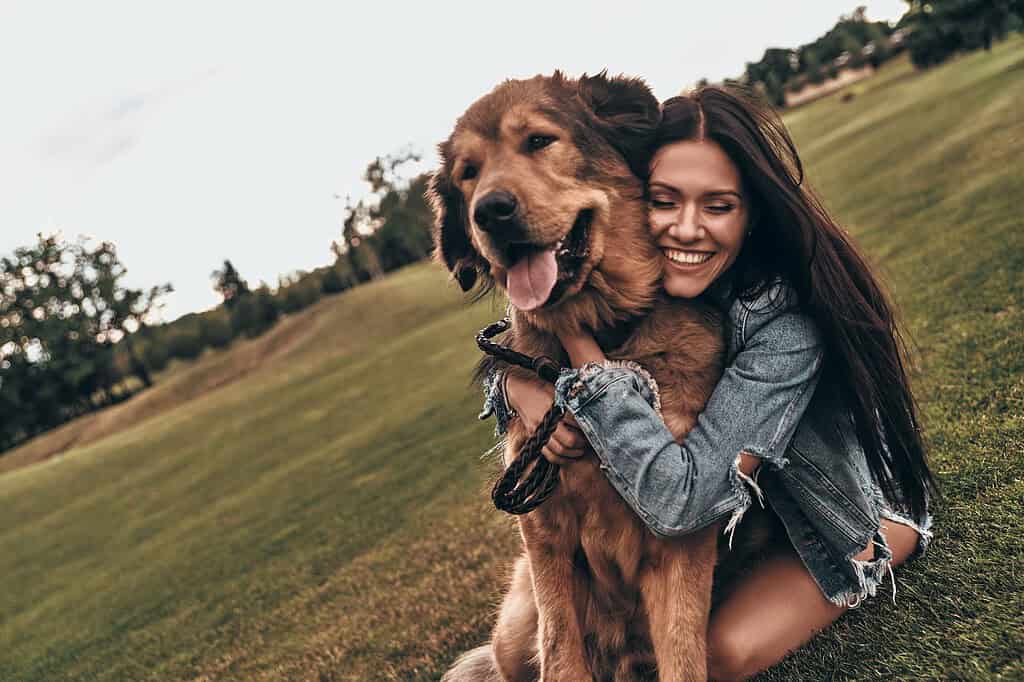
Licking is a social behavior dogs are born into. Puppies lick their mother’s face to trigger feeding and to signal deference, and adult dogs carry it forward as a friendly greeting between pack members. When your dog licks your hands or face after you walk in the door, the closest human translation really is a greeting and a bid for closeness. It also releases endorphins for the dog, which is why it often looks like they are enjoying it more than you are.
2. You taste good, and that is not a joke
Short answer: salt, lotion, and food. Human skin carries sweat salts, and dogs have a strong preference for them. Add hand cream, sunscreen, or a smear of dinner you did not fully wash off, and your forearm becomes genuinely appealing. This is worth knowing for a practical reason — some skin products contain ingredients dogs should not ingest in quantity, so if your dog fixates on freshly moisturized skin, wash it off or cover it rather than letting them lick.
3. Licking works — you respond every time
Dogs are excellent at noticing what gets results. If licking your hand makes you laugh, talk to them, or push them away with attention, the behavior gets reinforced. Even a scolding is engagement. This is the most common reason a mild habit turns into a constant one, and it is also the easiest to unwind: stand up and calmly walk away the instant licking starts, then reward your dog seconds later when they are settled and quiet.
4. It is a self-soothing behavior when they are stressed
Repetitive licking releases calming endorphins, so anxious dogs lick for the same reason people bite their nails. Look at the context: does the licking spike during thunderstorms, before you leave the house, when guests arrive, or in the car? If so, the licking is a symptom and the anxiety is the thing to treat — with enrichment, gradual desensitization, or a conversation with your vet or a behaviorist. Our guide to separation anxiety when the household schedule changes covers the most common trigger.
5. Boredom, plain and simple
An under-stimulated dog will find something to do with their mouth, and you are conveniently available. Dogs who are getting too little physical exercise and, more importantly, too little sniffing and problem-solving often develop repetitive habits. A snuffle mat, a food puzzle, or a twenty-minute sniff-heavy walk frequently reduces licking within days — not because it teaches anything, but because it fills the hole the licking was filling.
6. It is an appeasement signal
Licking directed at your face, combined with lowered ears, a tucked body, or a slow tail wag, is often appeasement — a dog saying they are not a threat. You will see it most after you have raised your voice, during a tense vet visit, or when a nervous dog meets someone new. Nothing is wrong, but it is a signal to soften your body language and give the dog a moment rather than lean further into their space.
7. When licking means something medical
This is the version to take seriously. Sudden, excessive licking — especially of surfaces, the floor, the air, or their own paws — can point to nausea, acid reflux, dental pain, allergies, or a neurological issue. So can a dog who has never been a licker starting abruptly in adulthood. Compulsive licking that a dog cannot be redirected from, or licking that creates raw patches on their own legs (a lick granuloma), warrants a vet appointment rather than a training fix.
How to get your dog to lick you less
Do not punish it — licking is communication, and suppressing it without addressing the cause usually shifts the behavior elsewhere. Instead: remove the reward by disengaging the moment it starts, redirect to a chew or a puzzle toy, teach an incompatible behavior like a settled down-stay on a mat, wash off lotions before a cuddle session, and add sniffing exercise. If none of that moves the needle in a couple of weeks, or if the licking is frantic, see your vet.
The affectionate dog is often the escape-prone dog
A dog who greets everyone with enthusiasm is also a dog who will happily follow a friendly stranger down the block. That is why we make the Shiloh’s House smart tag — a $38 designer acrylic NFC tag that anyone who finds your dog can tap with any phone, no app to download on their end, with engraved backup info if a phone is not handy. We are biased about our own tag, obviously. But the sociable, face-licking dogs are exactly the ones who walk off with a good samaritan, and a tap-to-call tag turns that into a five-minute story instead of a five-day one.
FAQ: dogs licking people
Is it bad to let my dog lick my face?
For most healthy adults the risk is low, though dog saliva does carry bacteria. Avoid face licking near your mouth, eyes, and open cuts, and be more cautious with infants, elderly family members, and anyone immunocompromised.
Why does my dog lick me and then bite gently?
That is usually play solicitation or overstimulation — a lick-and-nip pattern means excitement is escalating. End the session calmly before the mouthiness increases.
Why does my dog lick my feet?
Feet carry concentrated sweat salts and scent, which makes them one of the most information-rich parts of you. It is normal, if unglamorous, and is not usually a sign of anything wrong.
Why has my dog suddenly started licking everything?
A sudden onset of licking surfaces, floors, or the air is a recognized sign of nausea and gastrointestinal discomfort in dogs. If it appeared out of nowhere, book a vet visit rather than waiting it out.
Do dogs lick to show dominance?
No. Licking is affiliative and appeasing, essentially the opposite of a dominance display. The dominance framing has been widely discarded by behaviorists.
More behavior guides from The Journal: why your dog follows you everywhere, why your cat licks you, and the internet’s most-googled pet questions answered.
Get Your Tag
The friendliest dogs wander the furthest. One tap puts your number in a finder’s hand.