Why Do Dogs Bury Things? Bones, Toys and What It Means
 Shiloh’s House Team
·
·
16 min read
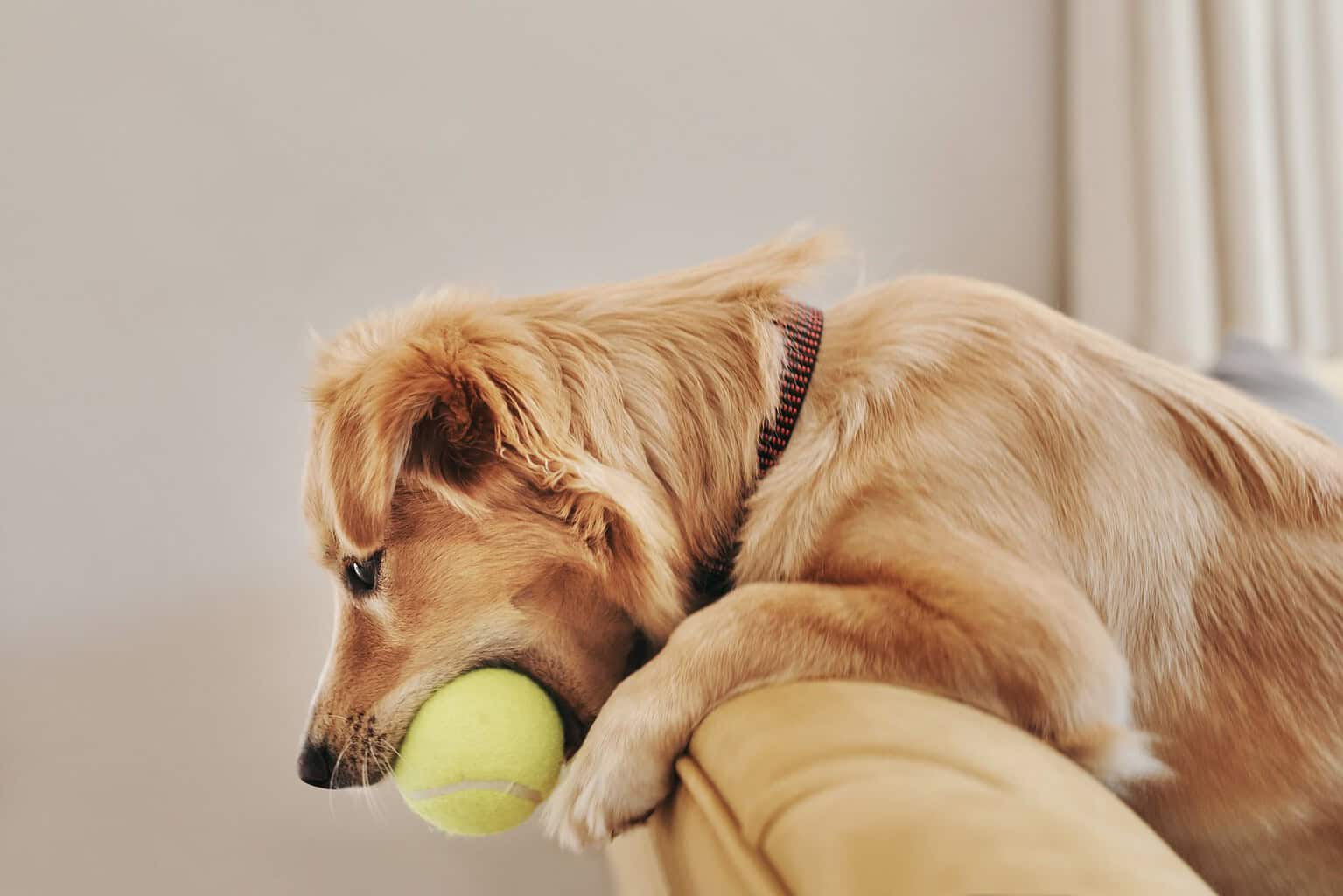
Dogs bury things because of caching, an inherited instinct to hide extra food and treasures so they can come back to them later. Wolves and foxes still do it in the wild, and many pet dogs keep the habit with bones, chews, kibble and toys, often tucking them into couch cushions or blankets. It is usually normal. It is worth a closer look when it comes with growling over the stash, constant digging, signs of stress, or a dog who is simply being fed more than they need.
Last updated: October 2025
Why do dogs bury things?
When your dog trots off with a new chew and buries it under the hydrangeas, they are doing something biologists call caching: storing surplus food in a hidden place to eat later. It is one of the oldest food strategies in the dog family, and it explains most of the burying, hiding and stashing you see at home.
The American Kennel Club traces it to the “feast or famine” life of wolves and wild dogs. When a hunt succeeded, they ate as much as they could and buried the rest. Cool soil kept the meat out of the sun so it spoiled more slowly, and the hole became a kind of pantry for lean days.
Your dog never misses a meal, yet the wiring remains. Florida dog trainer and behavior consultant Teoti Anderson put it simply to Live Science: the reason a dog buries something is to save it for later.
In real homes, burying usually comes from one of five motives:
- Surplus. More food, chews or toys than the dog wants right now.
- Safekeeping. Protecting a high-value item from another pet, or a person.
- Boredom. Digging and hiding is a job, and an underemployed dog will make one.
- Stress. Some anxious dogs, and many former strays, hoard more.
- Fun. PetMD’s trainers point out that burying is simply enjoyable for many dogs.
Where does the burying instinct come from?
Caching is not a cute myth. It has been filmed, mapped and counted in wild canids for decades.
In a study of captive timber wolves published in Behavioural Brain Research in 1990, researchers at Dalhousie University videotaped 151 caching episodes by 8 wolves. Nearly every episode followed the same three phases. The wolves always dug the hole with their front feet, and they always covered the food with their snouts, not their paws. If you have ever watched your dog shove a blanket over a treat with their nose, you have seen the same move.
A 2023 study in PLOS ONE summarizes what wolves store: caches of roughly 0.65 kg of regurgitated food, parts of carcasses, and even whole carcasses of 6 to 8 kg. Wolf pups cache food around the den when there is extra to go around. Live Science also describes a 1976 study showing that wolf pups will move a cache to keep a sibling from finding it.
Foxes are expert scatter hoarders, spreading small caches across their territory so one thief cannot take everything. On Baccalieu Island in Newfoundland, two red foxes caught 67 storm-petrels. They ate 22 on the spot and partly ate, then buried, almost all the rest in 45 separate hoards. About 28% were recovered within a day and 62% within two weeks.
The same PLOS ONE study found that both wolves and dogs could watch a person hide food and then find more of those caches than they could by smell alone. Wolves did better overall, which the authors put down to motivation rather than memory.
“Although we may not want our dogs hiding a half-eaten bully stick between the couch cushions or digging up the back yard to bury a bone, we have to understand that this is nature, not naughtiness.”
Kate Naito, Certified Dog Behavior Consultant, American Kennel Club (2019)
What does it mean when a dog buries bones, food or toys?
The object your dog chooses to bury is a useful clue. A rawhide stuffed under a pillow means something different from a sock buried in the yard right after you left for work. The table below matches common items with the most likely reason and a first step. The “what to do” column is our own practical summary of the AKC, Royal Kennel Club, PetMD and ASPCA advice cited in this guide, not a clinical protocol.
| What they bury | Likely reason | What to do |
|---|---|---|
| Bones, bully sticks, long-lasting chews | High value, not finished yet; saving it for later | Give chews in a room with nowhere to hide them; offer smaller pieces; never right after a full meal |
| Kibble or part of a meal | Too much food in the bowl, or not hungry yet | Weigh portions against your vet’s target; pick up the bowl between meals |
| Favorite toys | Too many toys at once, or protecting a prized one | Keep 1 or 2 out and rotate the rest weekly |
| Socks, shoes, remotes | Boredom, attention, or a game of keep-away | Put temptations away; teach a “give” cue and reward trades |
| Anything, while growling or stiffening if you approach | Resource guarding | Do not take it by force; talk to your vet and a qualified behavior professional |
| Lots of items, hours of digging every day | Under-stimulation, stress or a compulsive pattern | Add exercise and enrichment; ask your vet if it does not ease |
Why does my dog bury things in the couch, blankets and bed?
Indoor dogs do not have soil, so they use what they have. The Royal Kennel Club notes that dogs hide things behind cushions, under rugs and beneath furniture, and the AKC jokes that a burying dog explains where your TV remote went.
The mechanics are the same as in the yard. Your dog picks a spot that feels tucked away, pushes the item in, then uses their nose to drag a blanket or pillow over it. Live Science quotes Teoti Anderson noting that it is not uncommon to see a Dachshund burying a bone under the couch pillows. Some dogs, she adds, move their prize 20 times before settling, and some never go back.
A few things make couch caching more likely:
- Another pet in the house. The AKC’s experts say hiding items keeps them from other pets who might steal them.
- A chew that is too big to finish. The leftover half becomes a cache.
- Soft, nest-like spots. Beds and blankets are also where dogs dig and turn before settling, the same instinct behind why dogs circle before lying down.
Why does my dog push food around the bowl with their nose?
A dog who nudges kibble with their nose, shoves the bowl across the floor, or carries mouthfuls to the rug is often doing a miniature version of caching. Remember the wolf study: canids cover food with their snouts. With no dirt in the kitchen, the nose ends up pushing kibble, the bowl or a nearby towel instead.
The strongest hint is timing. If your dog eats half the meal and then starts nosing the rest, they are likely full. The Royal Kennel Club suggests weighing food at each meal, because generous portions are a common reason dogs bury food in the first place. The AKC’s trainers add that a baby gate can keep a puppy from carrying food out of the feeding area while you work on the habit.
Not every bowl pusher is caching. Watch for these other possibilities:
- A dog who is not hungry because of treats, table scraps or free-fed food left out all day.
- A crowded feeding spot, where another pet or busy foot traffic makes the dog want to take food somewhere safer.
- Guarding, if pushing comes with gulping, freezing or a hard stare when you walk by.
- Mouth pain, if your dog seems interested in food but hesitates to chew.
Which dog breeds bury things the most?
Any dog can cache, and plenty of dogs never do. Live Science quotes Teoti Anderson saying that a dog without a burying instinct is not a cause for concern either.
That said, the AKC notes that owners of hunting breeds seem to see burying more often than owners of herding or non-sporting breeds. Dogs bred to hunt may carry a stronger urge to save resources as part of that hunting drive. Anderson told Live Science that dogs specifically bred to hunt or chase critters into their dens often like to bury toys, bones and treats.
The usual suspects include:
- Terriers. Many were bred to go to ground after vermin, and they often dig with real enthusiasm.
- Dachshunds. Bred to follow badgers into burrows, and frequent couch-cushion cachers.
- Small hounds. The AKC lists terriers and small hounds among the hunting dogs bred to dig out quarry from their dens.
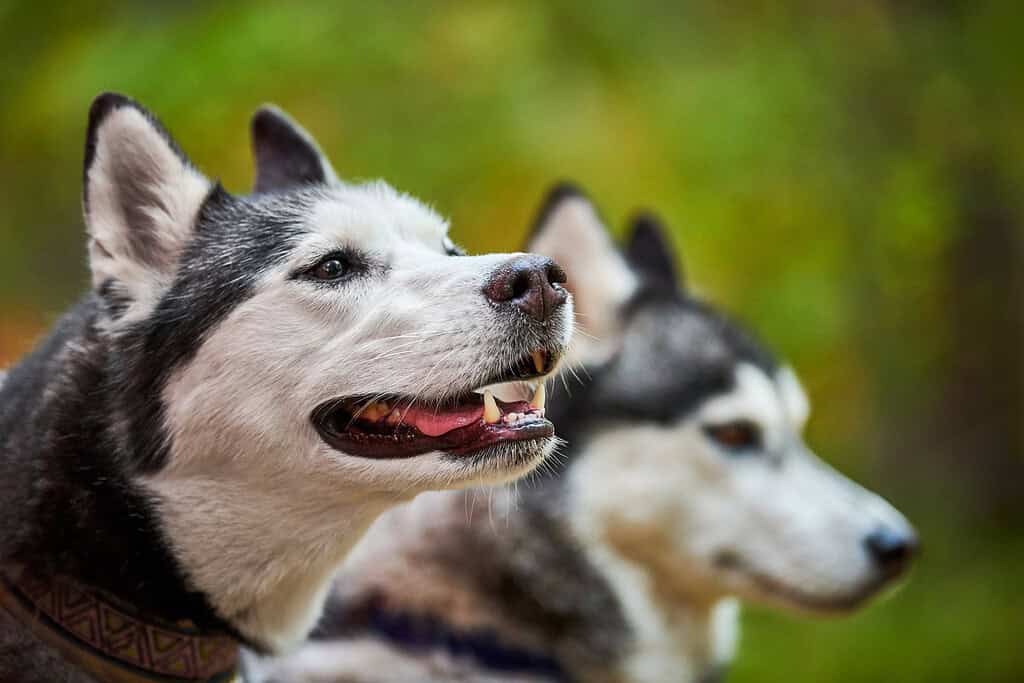
- Northern breeds. Huskies are known diggers, though often to make a cool or warm resting spot rather than to hide food.
Breed sets the volume, not the reason. A terrier who buries one chew a week is being a terrier. A terrier who suddenly buries every toy and digs at the fence line while you are gone may be bored, stressed or trying to get out. If digging is your bigger issue, our guide on why dogs dig walks through the other motives, from cooling off to escape.
Diggers find the gap under the fence
If your terrier or hound ever tunnels out, a Shiloh’s House smart tag lets whoever finds them tap it with a phone to call, text or get directions to you, no app needed.
When is burying a sign of anxiety, overfeeding or resource guarding?

For most dogs, burying is a harmless instinct with a little extra mess. The trouble starts when it is a symptom of something else. Three patterns deserve a closer look, and they can overlap.
The first is overfeeding. Caching is a response to surplus. Wild foxes and wolves cache when they have more than they can eat, and pet dogs do the same. The AKC’s experts list being overfed as one of the hidden reasons a dog hides things, and the Royal Kennel Club says unintentionally generous portions are a common cause of buried food. If your dog regularly leaves part of each meal and buries it, weigh the food and compare it with what your vet recommends, counting treats and chews too. The AKC also suggests not giving a bone right after a meal, when the stomach is already full, because that is when a chew is most likely to go into storage.
The second is stress or past scarcity. The AKC notes that dogs who hide or protect their possessions may have underlying anxiety, sometimes from living with another dog who takes things away. The Royal Kennel Club says the habit is common in rescue dogs who once had to compete for food, including dogs who lived through neglect or life on the streets. For many, burying eases as they settle into a predictable home. Signs that stress is part of the picture include burying that spikes when you leave, when a new pet arrives, or after a move, along with pacing, panting, whining or destructive chewing. PetMD’s Nicole Kohanski says digging or burying becomes a problem when a dog digs for hours every day or stands guard over the caches with hypervigilance. Excessive digging can also wear down paws and nails. If you suspect a compulsive pattern, talk to your vet, who can check for medical causes and refer you to a behavior specialist.
The third, and the one with real safety stakes, is resource guarding. The ASPCA explains that guarding valued items is normal in the wild, where animals who protect food survive longer, but it becomes a problem when it is aimed at people. It ranges from running off with an item or growling to biting or chasing a person away. Some dogs guard only chews or toys. Others guard stolen items like socks or food wrappers. PetMD’s Alexandra Bassett describes dogs who do not want their person anywhere near the hidden stash, showing growling, bared teeth and air snapping when someone approaches the spot.
The warning signs the ASPCA lists are standing stiffly over the item, gulping food, tensing or freezing, growling, staring, snapping and biting. If you see these, do not reach in and take the item, and do not punish the growl. The ASPCA warns that punishment and so-called dominance approaches are dangerous, can make guarding worse, and damage your relationship with your dog. The proven treatment is gradual desensitization and counterconditioning, which teaches the dog that an approaching person means something good is coming, not that their treasure is about to vanish.
If your dog has bitten or tried to bite, the ASPCA advises against working on guarding alone. Look for a certified applied animal behaviorist, a board-certified veterinary behaviorist, or a certified trainer with real experience treating aggression. In the meantime, manage the risk: feed your dog in a separate room or behind a gate, keep children away from a guarding dog with food, and do not hand out high-value chews when guests are over.
Is buried food or dig-spot treasure dangerous?
A little dirt on a biscuit will not hurt your dog. What can hurt them is the food that sits too long, and the things they dig up along the way.
The Royal Kennel Club warns that dogs may not retrieve a cache before it spoils, and eating spoiled food can mean vomiting and diarrhea. They also note that dogs can swallow foreign objects while digging up a stash, which can cause intestinal blockages. That is a good reason to choose chews carefully. Our guide to the best dog chew toys covers options that are less likely to splinter or break into swallowable chunks.
The bigger worry is mold. According to the ASPCA Animal Poison Control Center, dogs who roam unsupervised or get into garbage or compost can swallow tremorgenic mycotoxins, nerve toxins produced by molds on foods like dairy, nuts and stored grains. Signs often start within about two hours and include vomiting, fine muscle tremors that can last hours or days, and in larger exposures, seizures. The Merck Veterinary Manual adds that agitation, wobbliness and a high body temperature are common.
Dig spots hold other surprises too. Dogs who love smelly finds may roll in them as well, which we explain in why dogs roll in poop. And while hard digging can loosen a collar or snag a tag, a dog who tunnels under a fence is a bigger concern, because the AKC notes some dogs dig to escape when they are bored or anxious in the yard.
How do you manage a dog who buries everything?
You do not need to stop a normal instinct. You need to give it a better outlet and remove the triggers. The AKC, Royal Kennel Club and PetMD agree on most of the steps:
- Cut the surplus. Weigh meals, count treats, and offer smaller chews your dog can finish in one sitting.
- Rotate toys. Leave one or two out and swap them weekly so nothing piles up as “extra.”
- Chew in a bare room. The AKC’s Kate Naito suggests letting your dog chew a bone where there is nowhere to hide it.
- Give burying a home. A sandbox or dirt box with toys and treats buried in it, or a pile of blankets indoors, lets your dog cache without wrecking the garden.
- Make it a game. The AKC suggests teaching your dog to “bury” a toy in blankets on cue, then retrieve it on another cue.
- Teach a trade. Practice a “give” cue and reward your dog every time they bring a toy back.
- Add enrichment. Daily walks, training, puzzle feeders and scent games burn the energy that fuels boredom burying.
If your dog also chews furniture or shoes, our plan to stop a dog from chewing everything pairs well with these steps. And if their snacking habits extend to the lawn, see why dogs eat grass.
Once your little digger has dug, cached and crashed for a nap, the free Lohji app can turn one photo of them into a cartoon character for wallpapers, watch faces and stickers. Get it on the App Store or Google Play.
Frequently asked questions
Is it normal for my dog to bury things?
Yes. Burying, or caching, is an inherited instinct from wolves and wild dogs, who buried leftover food to eat later. Many healthy, well-fed pet dogs bury bones, treats and toys. It only becomes a concern when it comes with growling or stiffening near the stash, hours of digging every day, or signs of stress, or when the dog is simply getting more food than they need.
Do dogs remember where they bury things?
Usually. Dogs combine their strong sense of smell with memory of where things went. A 2023 PLOS ONE study found dogs and wolves found more hidden food after watching it being hidden than by smell alone. Some dogs return within a day, some wait a week, and a few seem to lose interest entirely, so it is worth checking common stash spots.
Why does my dog bury treats but not eat them?
Most often the dog is not hungry right now or got more than they wanted, so the treat becomes a cache for later. A treat that is extra special, or a home with other pets, can also trigger safekeeping. Try smaller treats, skip treats right after meals, and check the stash spot so forgotten food does not spoil or grow mold.
Should I stop my dog from burying things?
You do not need to stop it, but you can steer it. Reduce surplus food and toys, give chews in a room with nowhere to hide them, and offer a dig pit or blanket pile as a legal burying spot. Never punish a dog for caching, and never take an item by force from a dog who growls; ask a qualified professional for help instead.
Is burying food a sign of anxiety in dogs?
It can be, but not on its own. The AKC says dogs who hide or protect possessions may have underlying stress, and the Royal Kennel Club notes it is common in rescue dogs who once competed for food. Look for other clues, such as pacing, whining, destruction when alone, or burying that spikes after a big change, and talk to your vet if you see them.
Can my dog get sick from eating something they buried?
Yes. Buried food can spoil and cause vomiting and diarrhea, and moldy food or compost can contain tremorgenic mycotoxins that cause tremors or seizures, often within hours. Dogs may also swallow objects they dig up. If your dog eats an old cache and seems unwell, call your vet or the ASPCA Animal Poison Control Center at (888) 426-4435.
Sources
- Why Do Dogs Bury Bones? The Answer Is Surprisingly Simple, American Kennel Club (2018)
- Why Is My Dog Hiding Things?, American Kennel Club (2019)
- Food-Caching in Timber Wolves, and the Question of Rules of Action Syntax, Phillips et al., Behavioural Brain Research (1990)
- Why Do Dogs Dig?, American Kennel Club (2019)
- Why Do Dogs Bury Bones?, PetMD (2024)
- Why Do Dogs Bury Food, The Royal Kennel Club (accessed 2025)
- Food Guarding, ASPCA (accessed 2025)
- Tremorgenic Mycotoxin Intoxication, ASPCA Animal Poison Control Center (Veterinary Medicine toxicology brief)
- Tremorgenic Neuromycotoxicosis in Dogs, Merck Veterinary Manual (2021)
- Why Do Dogs Bury Bones?, Live Science (2021)
- Food Availability and Food Hoarding Behaviour by Red and Arctic Foxes, Sklepkovych and Montevecchi, Arctic (1996)
- Observational Spatial Memory in Wolves and Dogs, Vetter et al., PLOS ONE (2023)