Pet Bucket List Ideas: 50 Things to Do With Your Dog or Cat
 Shiloh’s House Team
·
·
16 min read
The best pet bucket list is built around what your dog or cat already loves, not what looks good on social media. For dogs, that usually means new smells, new trails, a beach day, a pup cup and a photo shoot. For cats, it means safe outdoor sights from a catio or window, new puzzle toys and, for the right cat, a harness walk. Start while your pet is healthy, adjust for age or illness, and check ID before every outing.
Last updated: October 2025
Why make a bucket list for your dog or cat now?
Pets do not get as many years as we would like. The largest dog longevity study to date, published in Scientific Reports, put the median lifespan of companion dogs at 12.5 years, with large breeds closer to 12 and flat-faced breeds shorter still. Cats often live longer, but every pet parent eventually feels the clock.
A bucket list turns that feeling into a plan. Instead of “someday we should take her to the beach,” you pick a date. Instead of wondering what your cat would make of a catio, you build a small one and find out. The list does not need to be grand. Some of the best items cost nothing: a slow sniff walk on a new street, an afternoon in a sunny window, a long brushing session on the couch.
Most people think of bucket lists only after a hard diagnosis. Veterinarians who work in hospice say that is the hardest time to do them, because a sick pet often has less energy and appetite for adventure.
“Truth be told, the best way to live out a grand bucket list is to do it before your pet gets ill, while she is still healthy.”
Dr. Jessica Vogelsang, veterinarian, Vetstreet (2015)
Below are 50 real-world ideas, 30 for dogs and 20 for cats, plus how to scale them for senior or sick pets and stay safe on outings. Skip anything that would stress your pet. A bucket list is for them first.

What are the best bucket list ideas for dogs?
Dogs experience the world nose first, so many ideas are about new smells rather than big spending.
- Hike a new trail. Match the trail to your dog’s fitness and pack water. Our hiking with a dog checklist covers paws, heat and gear.
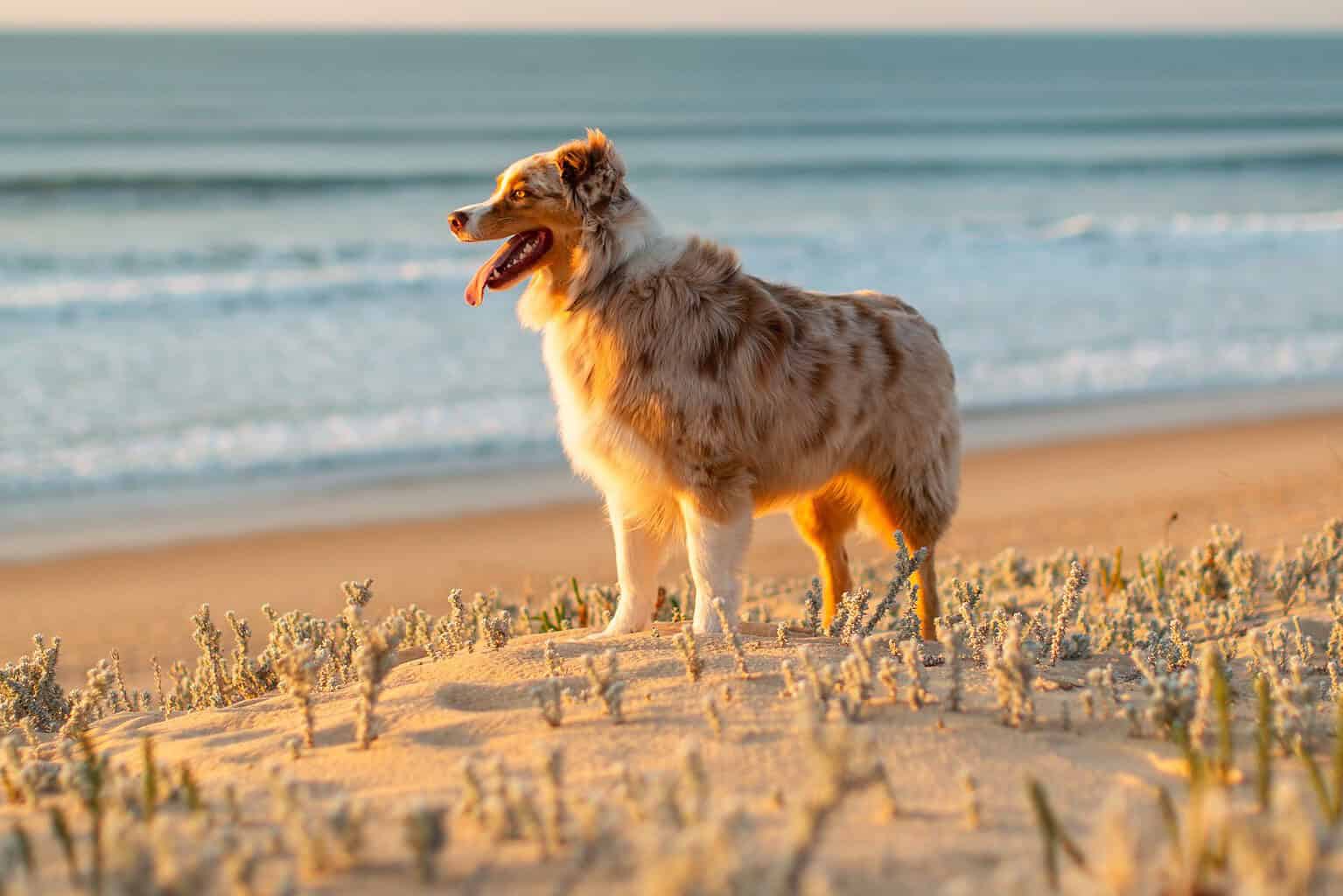
- Spend a day at the beach. Bring fresh water so they skip the salt water, and rinse them off afterward.
- Go on a sniffari. Let your dog set the pace and stop at every smell. Discover Magazine notes a sniff walk may cover a block or two in the time a regular walk covers a mile.
- Order a pup cup. A small cup of whipped cream from a coffee shop, kept small and occasional.
- Book a photo shoot. Hire a pro, or try our tips on how to take good photos of your pet.
- Take a dog-friendly road trip. One night in a pet-friendly cabin counts.
- Visit a state or national park. Check which trails allow leashed dogs first.
- Try a new class. Nose work, agility, tricks or rally.
- Earn a title. A trick dog title or Canine Good Citizen test gives you a shared goal.
- Swim in a lake. Use a life jacket and avoid water with algae scum.
- Eat on a dog-friendly patio. Bring a mat so your dog can settle.
- Go on a toy shopping spree. Whatever they sniff longest wins.
- Have a kiddie pool party. Cheap and hugely popular on hot days.
- Dig in a sandbox. Bury toys and let them excavate.
- Play in the first snow. Make it an event for snow-loving dogs.
- Get a spa day. Gentle grooming, a massage or a calm bath.
- Throw a birthday or adoption party. Favorite people, dog friends and a dog-safe cake.
- See a ball game. Some minor league teams host dog nights.
- Run in a rented fenced field. Safe off-leash zoomies by the hour.
- Visit a farm. New animals and new smells, on leash.
- Ride in a canoe or kayak. Start on shore, then calm water.
- Follow a scent trail at home. Drag a treat along the floor and hide the prize.
- Try a snuffle mat or puzzle toy. Start easy so your dog wins quickly.
- Taste a new dog-safe food. Plain cooked chicken or a spoonful of plain pumpkin.
- Reunite with a favorite person. An old dog walker or a beloved neighbor.
- Watch a sunrise together. Coffee for you, squirrel-watching for them.
- Join a charity dog walk. Great for social dogs.
- Have a sleepover on the bed. One night with no furniture rules.
- Make paw-print art. Pet-safe paint or a salt-dough print.
- Do nothing on a sunny lawn. An hour lying in the grass together counts.
What are the best bucket list ideas for cats?
Cats prefer adventures that come to them. Most of these ideas bring new sights, smells and challenges into a safe space rather than taking a cat somewhere new.
- Time in a catio. A secure, enclosed “cat patio” brings breeze and birdsong without the risks of roaming. Window box catios fit apartments.
- A window bird feeder. The Ohio State Indoor Pet Initiative suggests a soft perch near a window with a feeder where your cat can watch birds and squirrels.
- A new puzzle feeder. Food puzzles tap into a cat’s urge to hunt. Start easy, then make it harder.
- A harness walk, if your cat is suited. Short, supervised outings in a quiet yard for confident cats.
- A sunbeam bed. A soft bed in the sunniest spot.
- A cat grass garden. A small pot to nibble and sniff.
- A box fort. Cardboard boxes taped together with doors and windows.
- A catnip or silver vine party. Not every cat reacts, but fans love it.
- A new cat tree or wall shelf. Fresh vertical space changes their whole view.
- A daily wand-toy hunt. End with a “catch” and a treat.
- A treat scavenger hunt. Hide a few treats around one room.
- A brushing spa session. For cats who love being groomed.
- A special tasting. A small piece of plain cooked fish or chicken.
- A feather or bubble chase. Use cat-safe bubbles.
- A heated bed. Older cats especially enjoy it.
- A favorite person’s visit. The friend your cat always greets.
- A screened porch afternoon. Supervised and fully secure.
- A crinkle tunnel. Cheap, noisy and irresistible.
- A window-light portrait session. Soft light flatters cats.
- A lap nap with no alarm. One long, unhurried afternoon.
How do you adapt a bucket list for a senior or sick pet?

When a pet is older or has a serious diagnosis, the bucket list changes shape. It becomes less about doing new things and more about doing favorite things in a way that still feels good. The most useful question is not “what have I always wanted to do with my pet?” but “what would my pet enjoy today, in the body they have right now?”
Start with comfort. Quality of life is the filter for every item on the list. Many veterinarians use the HHHHHMM Quality of Life Scale created by veterinary oncologist Dr. Alice Villalobos. It scores seven areas from 0 to 10: Hurt, Hunger, Hydration, Hygiene, Happiness, Mobility, and More good days than bad. On the version published for pet owners, a total above 35 is considered acceptable quality of life for continuing hospice care. The scale is not a verdict on its own, but scoring it every few days shows you whether things are holding steady or sliding.
The Ohio State Veterinary Medical Center’s “How Will I Know?” booklet offers a gentler tool that doubles as a bucket list starting point. It suggests writing down three to five things your pet loves to do, such as walks, meals or playing with another pet. When your pet can no longer enjoy those things, that is a signal to talk with your vet. The booklet also suggests marking good and bad days on a calendar with a simple happy or sad face. Your bucket list can come straight from that list of favorites.
The AVMA’s senior pet guidance frames the same idea around whether a pet is having more bad days than good and whether their quality of life is suffering, and it encourages an honest evaluation with your veterinarian. Those same questions help you choose activities, too. A dog who still lights up at the car keys but tires after one block might love a drive to the beach where you sit on a blanket together instead of walking the shoreline.
Here are practical ways to scale ideas down. Swap a hike for a short stroll on a flat, shaded path, or push a small dog in a pet stroller so they can still smell the trail. Turn a beach day into a 20-minute visit at the quietest time. Replace a big party with two favorite visitors. For a cat who can no longer climb, bring the bird feeder view to a low, padded perch. If mobility is very limited, bring the outdoors in: a few leaves, a pinecone or a towel from the beach for them to sniff. Dogs with poor eyesight or hearing often still have a strong nose, so scent games remain a good choice to the end.
Food items need the most care. A sick pet may be nauseous, and rich treats can cause real problems for a pet with kidney disease, pancreatitis or a sensitive gut. Hospice veterinarians recommend asking your vet to approve any special food on the list, and to check whether a pet’s condition makes car rides or travel a bad idea.
Finally, remember the list is for both of you. Hospice veterinarians often recommend a family photo shoot and a daily commitment to cuddle, because those are the memories people treasure later. Doing small, joyful things on purpose can also ease anticipatory grief. There is no wrong way to spend this time, as long as your pet is comfortable and calm.
What safety and ID steps should you take before any outing?
New places are exactly where pets slip a collar or bolt after a squirrel. A bucket list adventure is the worst time to discover a worn tag or an old phone number on a microchip.
Microchips work, but only when they are registered. In a study of 53 U.S. shelters published in the Journal of the American Veterinary Medical Association, the median return-to-owner rate for stray dogs was 21.9 percent overall versus 52.2 percent for microchipped dogs. For cats it was 1.8 percent overall versus 38.5 percent with a chip. Yet only 58.1 percent of the chips shelters looked up were actually registered in a database, and the top reason owners could not be found was an incorrect or disconnected phone number.
Before each trip, run through this short checklist:
- ID tag on, readable and current. Name and at least one phone number that works today. Our senior pet ID guide explains why this matters more as pets age, when medical notes become important.
- Microchip registered. Confirm the registry has your current number. Here is how to check your pet’s microchip registration in about five minutes.
- Secure gear. A well-fitted harness for dogs on trails and for cats outdoors, plus a leash you trust.
- A recent photo on your phone. If your pet goes missing in an unfamiliar place, you need a clear picture right away.
- Your vet’s number and the nearest emergency clinic. Look it up before you leave, not after something happens.
Check off “new ID tag” before the first adventure
Shiloh’s House smart tags are laser-engraved premium acrylic with a “Tap Phone Here” NFC back. A finder taps with a phone, no app needed, and sees a live profile with call, text and directions, voice messages, medical notes and multiple contacts. Waterproof, scratch-resistant and UV-stable, made in the USA in 35 designs for about $38 with no subscription, plus 30-day returns. Acrylic is not chew-proof, so keep it away from determined chewers.
How do the ideas compare by cost, time and energy level?
Use this table to match ideas to your budget, your schedule and your pet’s stamina. The cost ranges and energy ratings are our own rough suggestions, not figures from a study. Prices vary a lot by city.
| Idea | Pet | Typical cost (our estimate) | Time | Energy level |
|---|---|---|---|---|
| Sniffari on a new street | Dog | Free | 20 to 30 min | Low |
| Day hike | Dog | Free to about $35 park entry | Half day | High |
| Beach day | Dog | Free to parking fee | 1 hour to a full day | Medium to high |
| Dog-friendly overnight trip | Dog | About $100 to $300 plus pet fees | 1 to 2 days | Medium |
| Training or nose work class | Dog | About $100 to $250 for a course | 1 hour a week | Medium |
| Professional photo shoot | Dog or cat | About $150 to $500 | 1 to 2 hours | Low |
| Birthday or gotcha day party | Dog or cat | About $20 to $75 | 2 hours | Medium |
| Window bird feeder | Cat | About $15 to $40 plus seed | Ongoing | Low |
| Window box catio | Cat | About $75 to $300 | Ongoing | Low |
| New puzzle feeder | Cat or dog | About $10 to $30 | 10 to 20 min a day | Low to medium |
| Harness walk in a quiet yard | Cat (suited cats only) | About $20 to $40 for a harness | 5 to 10 min | Low to medium |
| Virtual trip in the Lohji app | Dog or cat | Free app, 10 welcome coins | 15 min | None for your pet |
For seniors or unwell pets, start with the low-energy rows. They are often the cheapest, too.
How can you make a virtual bucket list with the Lohji app?
Some bucket list dreams are not realistic. Your cat is not going to Venice, and a dog with arthritis will not zipline. A virtual bucket list lets you “send” your pet anywhere, which is especially sweet for indoor cats and seniors who are happiest at home. The free Lohji app, on the App Store and Google Play, turns one photo of your pet into a 3D animated-movie-style character, called a Lohji, and then places that character in themed scenes.
- Start with one photo. Upload one clear picture to make your pet’s Base Lohji. New accounts get 10 free Lohji Coins, and the Base Lohji uses 2.
- Pick a Theme Pack for each dream trip. Around the World includes scenes like Machu Picchu and the Venice Canals. Thrill Seeker covers adventures like Ziplining. Sky High and Cosmic Getaway take things further, all the way to a Mars Rover ride. Each image uses 3 coins.
- Tap Surprise Me. It picks a theme you have not made yet, which keeps the list growing without the planning.
- Keep a folder per pet. Library folders are organized per pet, so you can make a “Bucket List” folder for each dog or cat and fill it as you go.
- Turn it into a show. The free Lohji Slideshow mixes your creations with playful animations and a soundtrack generated in the app in a playful, dreamy or chill mood. Tap “Share as movie” to save it as a video.
- Stitch a Mini Movie. If you animate a few scenes into short videos, Mini Movie combines 2 to 10 of them into one file for free.
A nice way to use it is side by side with the real list. Make a Lohji scene for each real adventure you complete, then add a few “impossible” ones your pet could only visit in cartoon form. The same app also manages the Shiloh’s House Smart Tag profile, so updating contacts before a trip and making a travel scene happen in one place.
How do you keep the memories from your pet’s bucket list?
The point of a bucket list is not just the day itself. It is the story you get to keep.
- Take one photo per item. It does not need to be perfect. A quick shot of your dog at the trailhead or your cat on the new perch is enough.
- Write one line per item. Date, place and one detail, such as “rolled in the sand twice” or “chattered at the cardinal for an hour.”
- Build a scrapbook or album. Our pet scrapbook ideas work just as well for a bucket list year as for a first year.
- Save a keepsake. A shell from the beach, the pup cup lid, a feather from the wand toy or a paw-print painting.
- Record a short video. Sound brings memories back in a way photos cannot: the jingle of the collar, the happy sigh on the couch.
Keep the list on the fridge, cross items off with a date, and add new ideas whenever your pet shows you something they love.
Frequently asked questions
What is a pet bucket list?
A pet bucket list is a set of experiences you plan to share with your dog or cat, built around what they enjoy most. It can mix big adventures like a beach trip with small joys like a pup cup or a sunny nap. Many owners start one when a pet turns senior, but any age works.
When should I start a bucket list for my dog?
The best time is while your dog is healthy and has the energy to enjoy new places. Hospice veterinarians point out that pets with a terminal diagnosis often feel unwell, which limits what they can do. Starting early leaves room for active items like hiking and swimming.
What can I put on a bucket list for an indoor cat?
Focus on safe enrichment: time in a catio or on a screened porch, a window perch with a bird feeder outside, a new puzzle feeder, a cardboard box fort, cat grass and a catnip or silver vine session. Harness walks suit only confident cats, and should stay short and supervised.
How do I make a bucket list for a dying pet?
Choose things your pet already loves and can still enjoy comfortably. Use a quality-of-life tool, such as the HHHHHMM scale, and ask your vet which activities and foods are safe for their condition. Shorter, gentler versions of favorites work best, plus plenty of cuddles.
Are pup cups safe for dogs?
For most healthy dogs, a small pup cup on a rare occasion is fine. It is usually just whipped cream, which is not toxic, but many dogs are lactose intolerant and may get an upset stomach. Keep the portion small, check that nothing like chocolate, coffee or xylitol was added, and skip it for dogs with pancreatitis, diabetes or a sensitive gut.
What should my pet wear on bucket list outings?
A secure harness or collar with a readable ID tag listing a working phone number, plus a microchip registered with your current details. Microchipped strays are returned to owners far more often than unchipped ones, as long as the registration is current.
Sources
- Longevity of companion dog breeds: those at risk from early death, McMillan et al., Scientific Reports (2024)
- Doggy Bucket Lists: Pros, Cons, Do’s and Don’ts, Dr. Jessica Vogelsang, Vetstreet (2015)
- It’s Never Too Early to Make a Bucket List and Create Memories with Your Pet, Stephanie Silberstang, DVM, Gentle Journey Vet Care (2025)
- Creating a Bucket List for Your Dog, Paws At Home Vermont (2023)
- How Will I Know?, The Ohio State University Veterinary Medical Center, Honoring the Bond (2024)
- Quality of Life (The HHHHHMM Scale, Dr. Alice Villalobos), Pittsburgh Veterinary Specialty and Emergency Center (2021)
- Senior Pets, American Veterinary Medical Association (2023)
- End-of-life care for your pet, American Veterinary Medical Association
- Characterization of animals with microchips entering animal shelters, Lord et al., Journal of the American Veterinary Medical Association (2009)
- Microchips Result in Higher Rate of Return of Shelter Animals to Owners, The Ohio State University (2009)
- 3 Ways to Improve Your Dog’s Walk, American Kennel Club (2019)
- Why Taking Your Dog on a “Sniffari” Will Tire Them Out More Than a Walk, Discover Magazine (2023)
- Pup Cup Guide: Starbucks, Dairy Queen and More, Great Pet Care (2023)
- Environmental Enrichment, The Ohio State University Indoor Pet Initiative
- Food puzzles for cats: Feeding for physical and emotional wellbeing, Dantas et al., Journal of Feline Medicine and Surgery (2016)
- How to Leash Train a Cat, Jeannine Berger, DVM, PetMD (2023)
- Should I walk my cat on a harness and lead?, Cats Protection (2024)